
MICHAEL PEZZULLO: You’re Not Bad at Dating—You’re Just Chasing the Wrong Men
In a city obsessed with abs, apps, and attention, West Hollywood therapist Michael Pezzullo is cutting through the noise with a blunt truth: most gay men aren’t failing at love—they’re stuck in patterns that feel familiar, not healthy. From attachment wounds to validation loops fuelled by hookup culture, Pezzullo’s work with gay men digs beneath the surface of “dating struggles” to expose what’s really going on—and why so many keep repeating the same cycles, even when they know better.

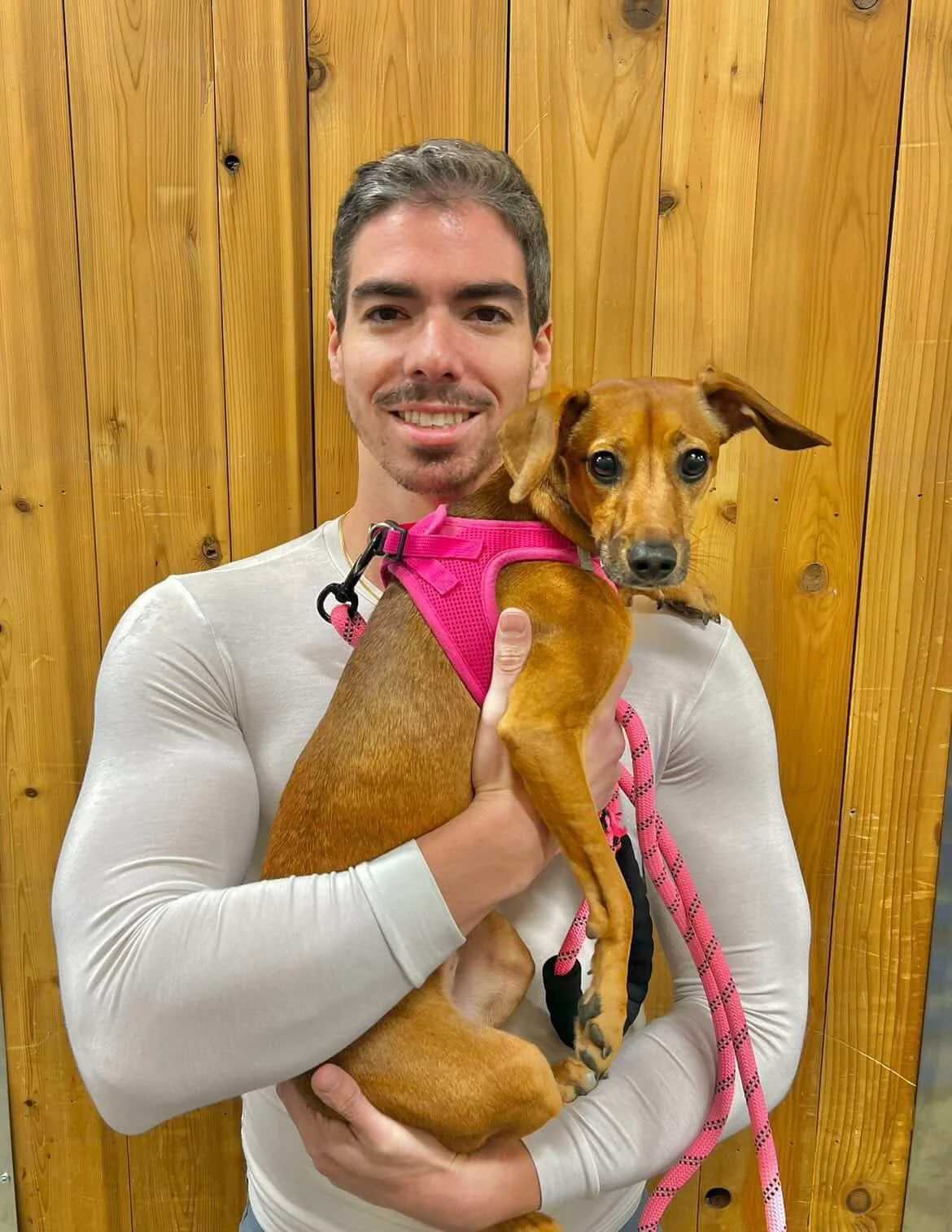
GWF: Can you tell us a bit about yourself and your life?
I’m a therapist in West Hollywood. I work mostly with gay men on issues related to sex, relationships, and trauma. People often assume I'm a "weho gay" but I don't fit that mold. I'm married, sober, and I spend my free time listening to podcasts. I'm originally from New York City (Hell's Kitchen to be specific). I went from one gay-borhood to another. Being gay never made me feel particularly unique because I come from such a diverse area.
“They often engage in behaviors like: chasing unavailable men…”
GWF: What led you to focus on helping gay men with dating and intimacy?
Honestly, it happened by accident. When I opened my practice, gay men were the ones reaching out the most—so I leaned into it. Before that, I did a lot of addiction work--particularly addiction in the LGBTQ community. On the surface, gay men often complain about dating struggles. But this is just a symptom of deeper issues--often traced back to attachment wounds, self-esteem deficits and trauma.

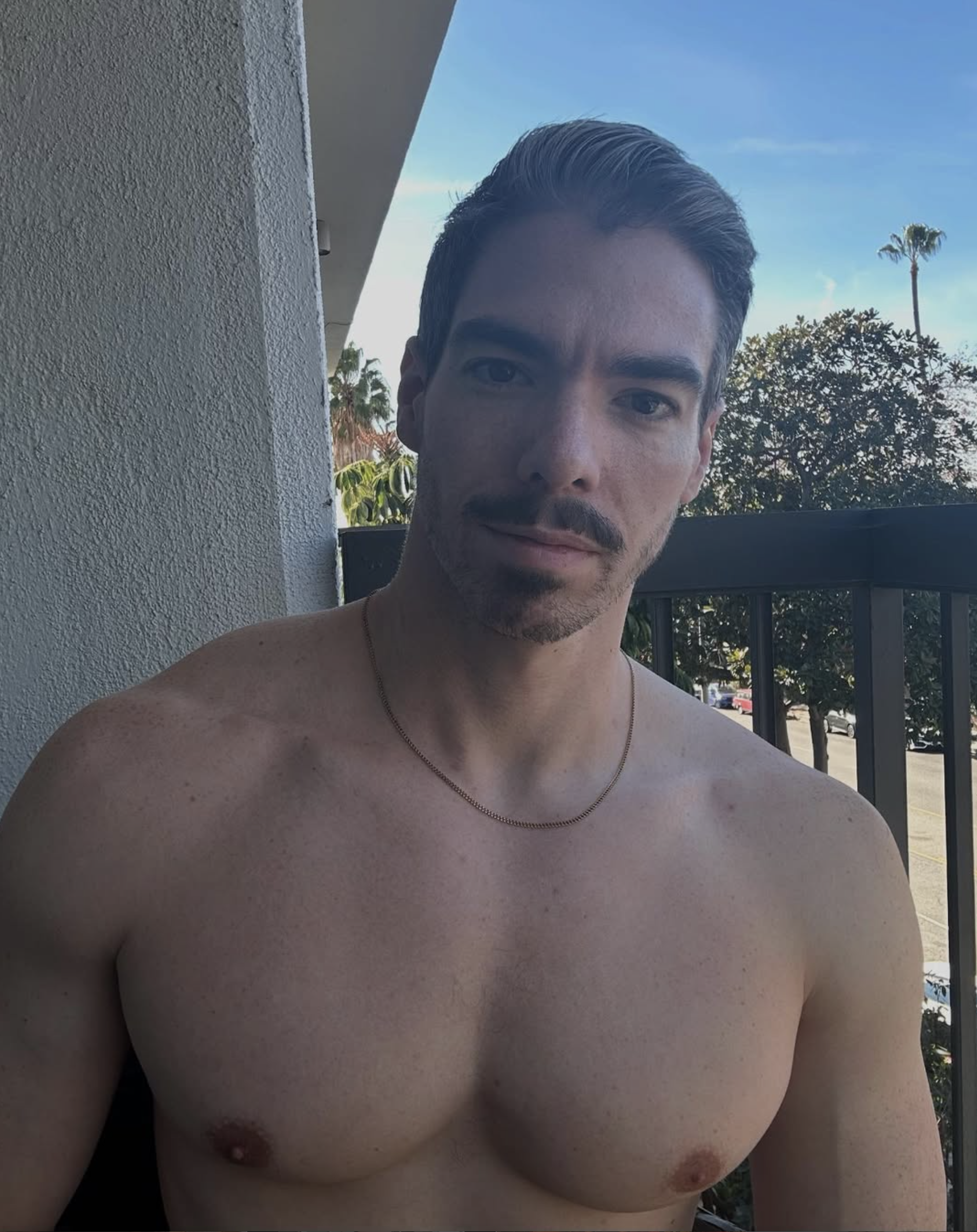

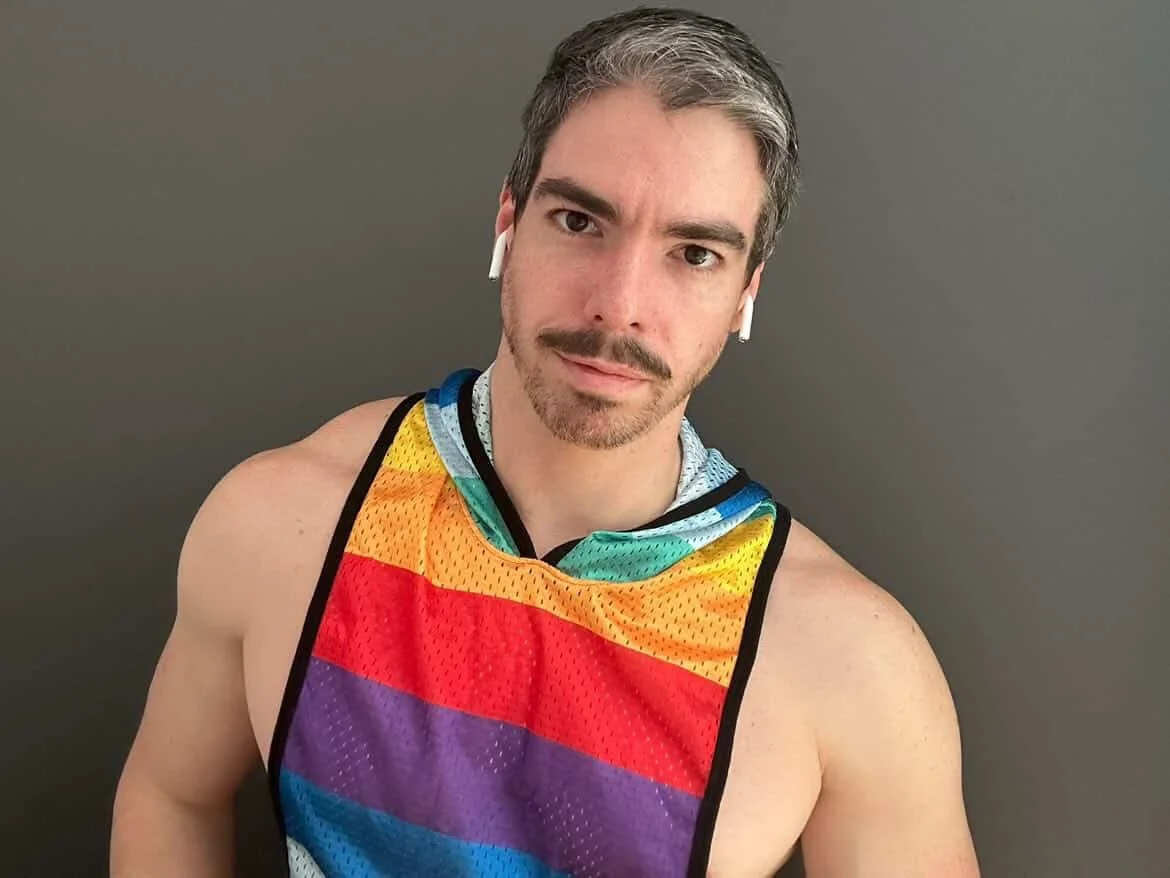

GWF: What are the most common patterns you see?
A lot of gay men struggle with self-worth. So, as a result, they struggle to find relationships. They often engage in behaviors like: chasing unavailable men, chasing validation over real connection, and so on. Another way low self-worth manifests is through self destructive behaviors, like drug use.
GWF: Why do men repeat the same patterns, even when they’re aware?
Because the pattern is trying to solve something. If something feels unresolved, we're going to keep trying--even if our efforts keep failing. Even if you see it clearly, if you’re still trying to fix whatever’s underneath—loneliness, validation, whatever—you’re going to keep going back to it.
“…authenticity is the only way relationships work”
GWF: How have apps and social media changed dating?
They’ve changed everything. But I don’t think the answer is avoiding them. I think the question is: are you using them well, or are you feeling used by them? I think most gay men have to develop some digital literacy with these apps--even if you don't use them that much. Otherwise, you're going to feel a bit lost.

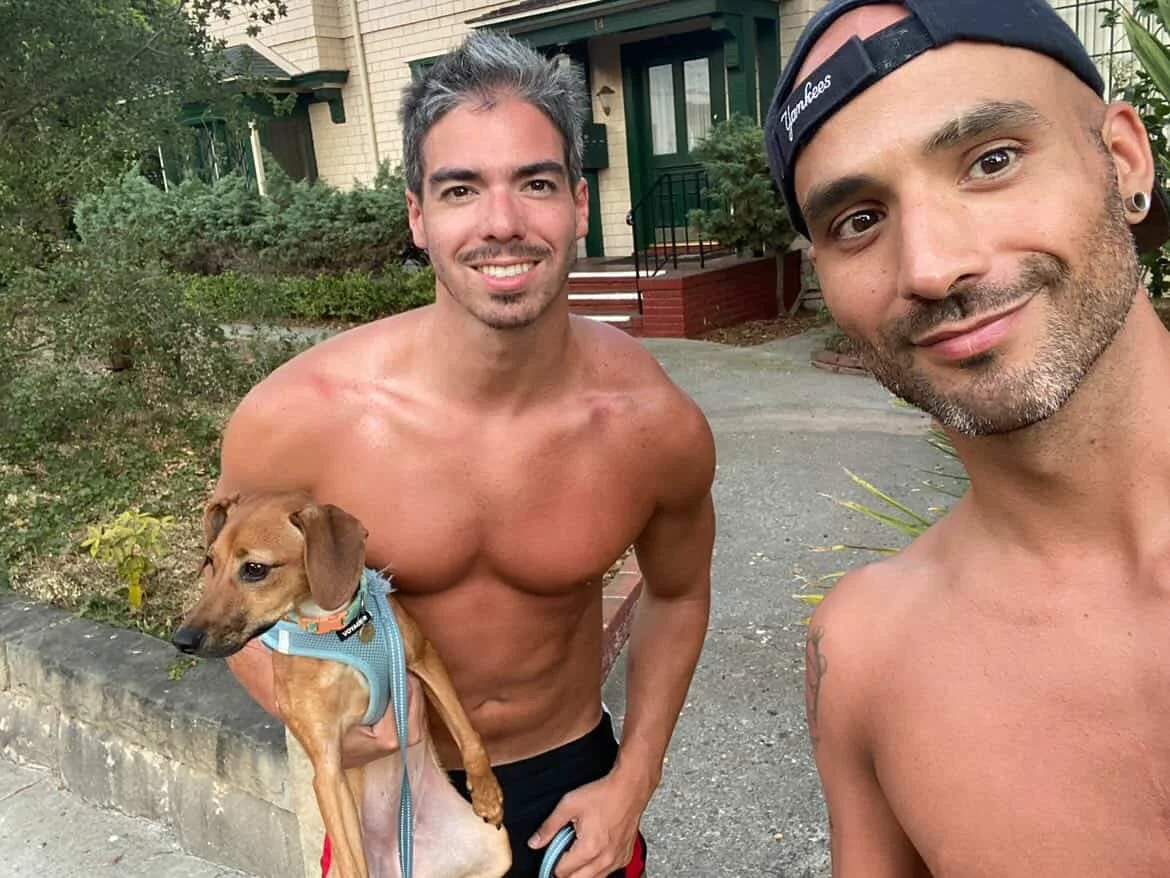
GWF: Have you noticed shifts in how gay men relate to each other?
It’s mostly generational. A guy in his early 20s vs a guy in his 50s—completely different psychology. They grew up in totally different worlds. Overall, things have improved a lot for gay men. But there are new problems that guys are still figuring out. Hook up apps is probably the most obvious example.
GWF: How has your marriage shaped your understanding of relationships?
Marriage has really cemented something I already believed: authenticity is the only way relationships work. If you’re editing yourself, performing, or trying to be more “likable,” it’s not going to hold long-term. And I’m very clear on this: never settle for someone who only accepts parts of you. If they don't accept you fully, they’re not your person.

GWF: Why do so many men struggle to find deeper connection?
Usually I find that they’re choosing the wrong people. That’s the biggest issue, by far. Then on top of that, a lot of guys aren’t fully themselves. And if you’re not showing up authentically, it doesn’t matter who you’re with—you won’t get real connection.
GWF: How do body image and self-worth affect dating?
Looks matter. We’re men. Our attraction is largely visual. But your entire self-worth cannot be predicated on how you look. How you look matters a lot more on an app. In a real relationship, it's not nearly as important.
GWF: What are some concrete steps men can take to build healthier patterns?
Elicit honest feedback. We all have blindspots. Most guys try to figure this out alone—and stay stuck. Work with someone. Or at the very least, get real input from people who know you. Even exes, if that’s possible. The more data you have on you and your patterns, the faster things change.
