
AJDIN VUKOVIĆ: Designing Spaces That Last - Creativity, Identity & the Making of a Modern Architect
Vienna-based architect, lecturer, and content creator Ajdin Vuković brings a deeply personal perspective to design—shaped by his Balkan roots, creative upbringing, and journey of self-discovery as a gay man. From working on major public buildings to teaching the next generation at TU Wien, he shares how architecture is less about sudden inspiration and more about empathy, persistence, and creating spaces that truly serve people.
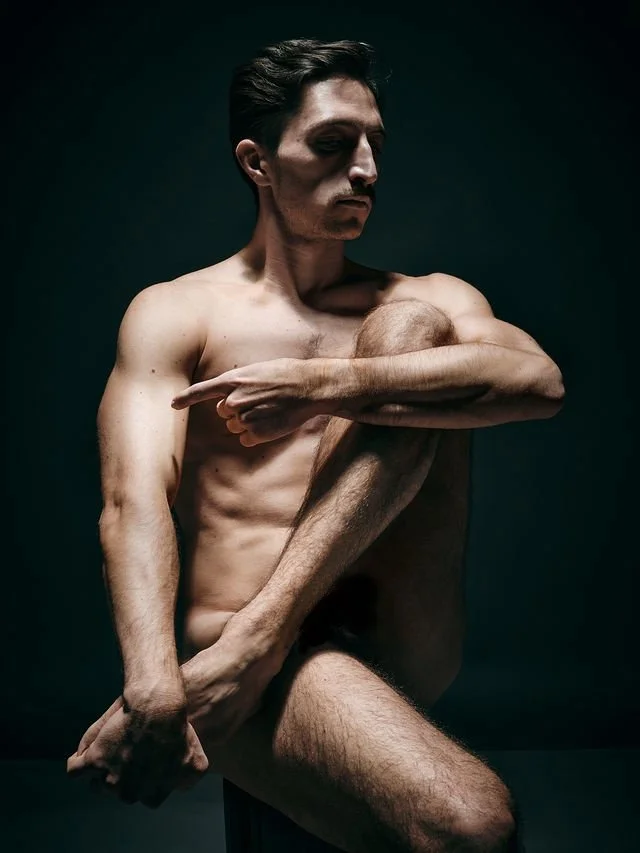
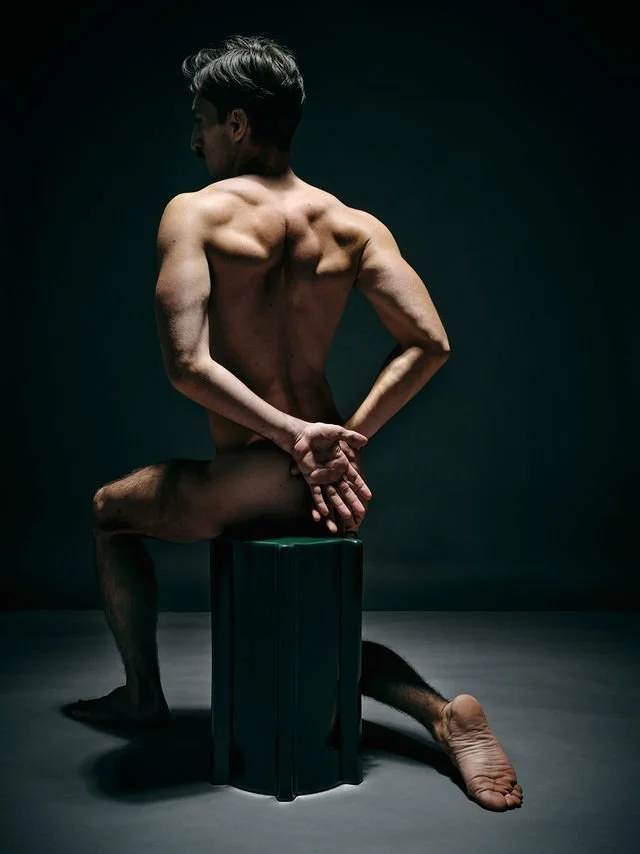
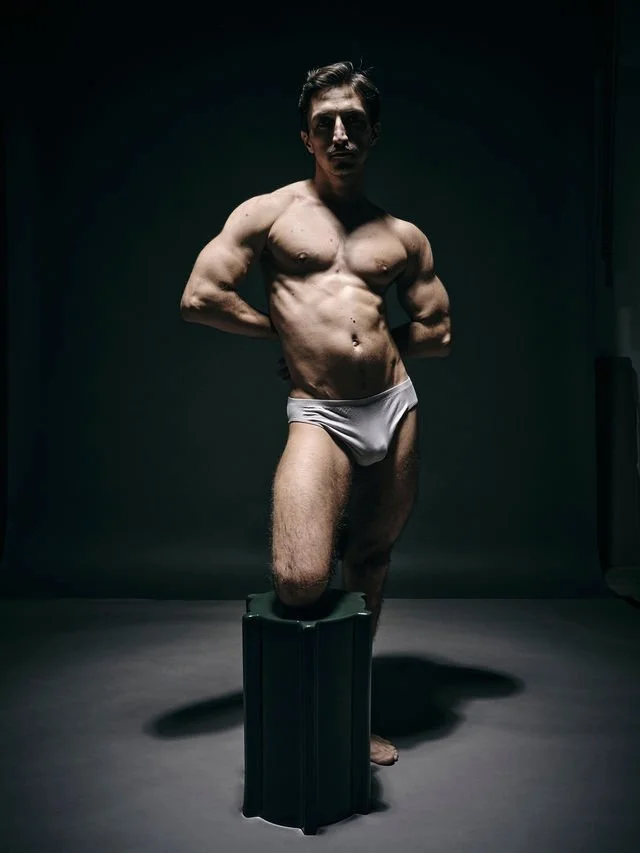
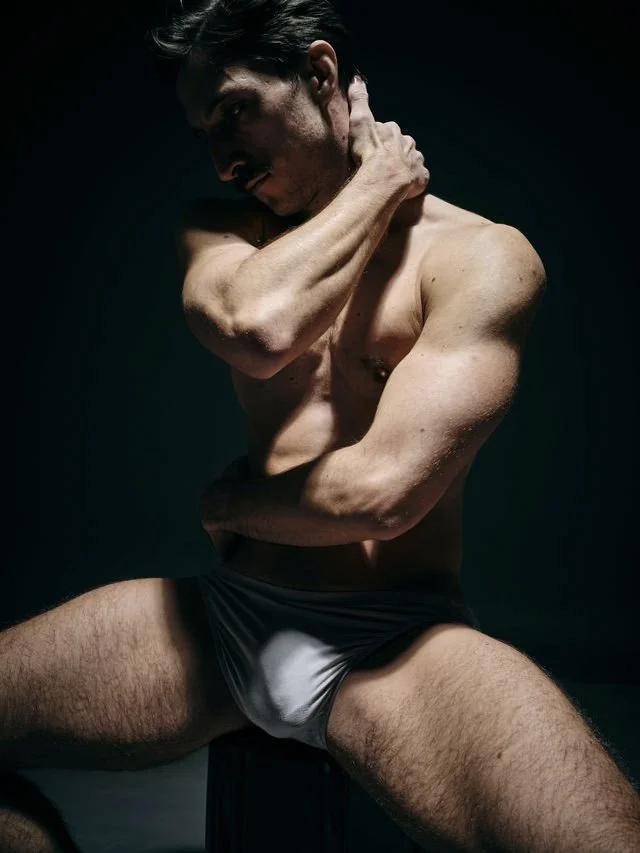
Ajdin by @when_there_is_light
GWF: Can you tell us a bit about yourself and your life?
I'm Ajdin and I'm 32 years old. I am an architect, a teacher and content creator based in Vienna, Austria.
My parents are from the Balkans and fled during the Bosnian war from Bosnia to Austria in the early nineties. I was born in Austria.
In my childhood I spent a lot of time in Slovenia at the Adriatic coast (where most of my family lives) and in Bosnia (where my family originates from).
Therefore I speak German, English but also Bosnian and Slovene. I grew up dancing to Balkan folk music from the early 80s til 2000s & realised that I am gay quite early, but did not have the courage to come out til my mid 20s.
I grew up in the Lower Austrian countryside, taking a lot of theatre classes, playing cello and singing / performing a lot.

GWF: What first drew you to architecture, and what keeps you passionate about it after more than ten years in the field?
I was always a very creative child. But I was also lucky to have had some very awesome teachers, who paved the way for my career!
For example my elementary school teacher recognised my crafty side and told me that I have to become a designer. My immigrant working class mind did not know what that was, so she showed me and I was obsessed ever since.
Also my art teacher in middle school pushed me in critical thinking and encouraged me to apply to interior design college.

In interior design college I had an awesome teacher who is an architect & encouraged me to study architecture - so I did & that landed me where I am - despite the little to no resources I had.
I basically worked in design studios or architecture offices the moment I moved to Vienna at the age of 20 and financed my whole life right away by myself, since my parents could not help me out.
GWF: You work on public buildings like schools and courts—what is the biggest challenge in designing spaces that need to serve so many different people?
It is truly to communicate in-between all the different user groups. The Criminal Court in Graz I am working on, has to serve people that I get to know: the judges, the state attorneys and the prison directors. But it also has to serve people I do not know: the witnesses or alleged criminals and visitors for the trials - it is very challenging to find a neutral enough but yet architecturally specific language, but also a spatial organisation that serves so many people.
But truly - even with schools - our responsibility as architects is to create publicly active spaces that allow free appropriation. And it is not only the building but the public space in front of the building! - That’s what makes a city or area liveable. An active and engaging ground floor / entrance level zone - where public meets building.
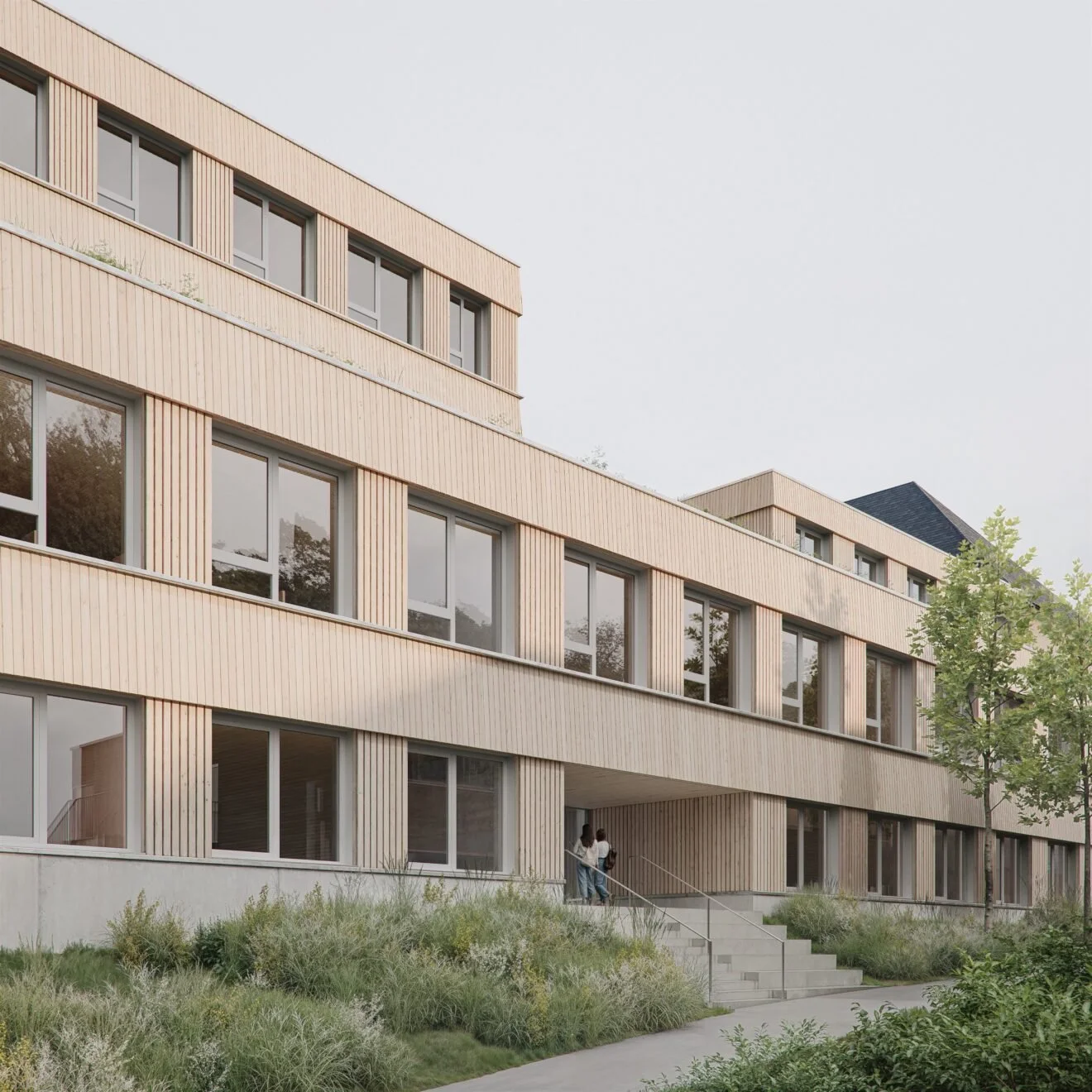
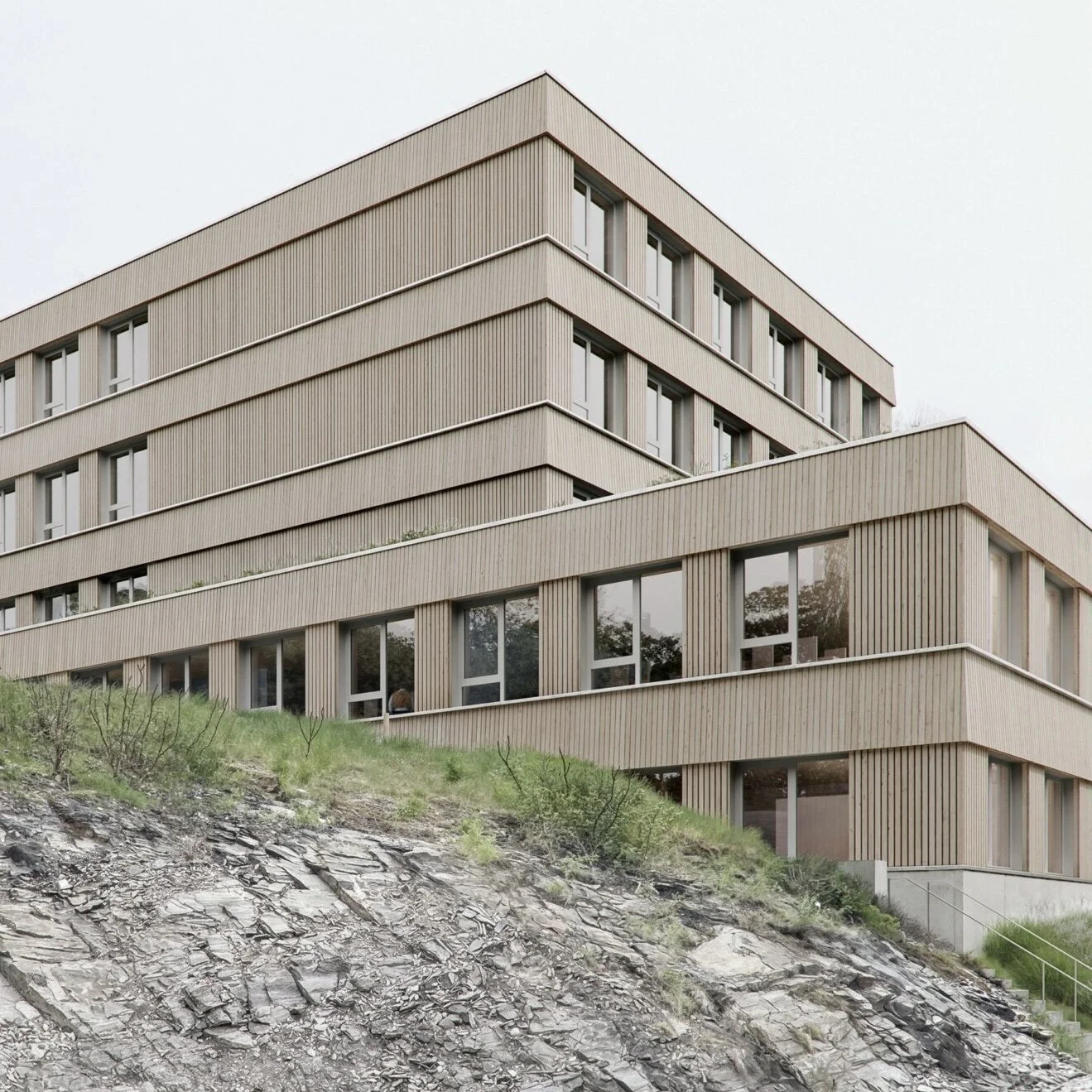
Ajdin Vuković, Managing Architect. Image: Mohr Niklas Architecten / Third
GWF: You’ve mentioned the importance of creating timeless and sustainable buildings—what does that mean to you in practice?
Timelessness means that, if organised and constructed well, a building can live easily over 100 years - which is in my opinion the true definition in building sustainability. A building that follows current fashions will be outdated soon. Therefore it will be demolished within 50 years.
GWF: You also lead a team of young architects. What have you learned about leadership and collaboration in creative work?
Empathy and a good mood is key. Especially with young people - the generation of project / team managers I grew up with thought that being super strict and almost rude forces your team to be productive and creative. I have learned that that is not the case - I believe in humour, unhinged craziness but always rooted in creative productivity!
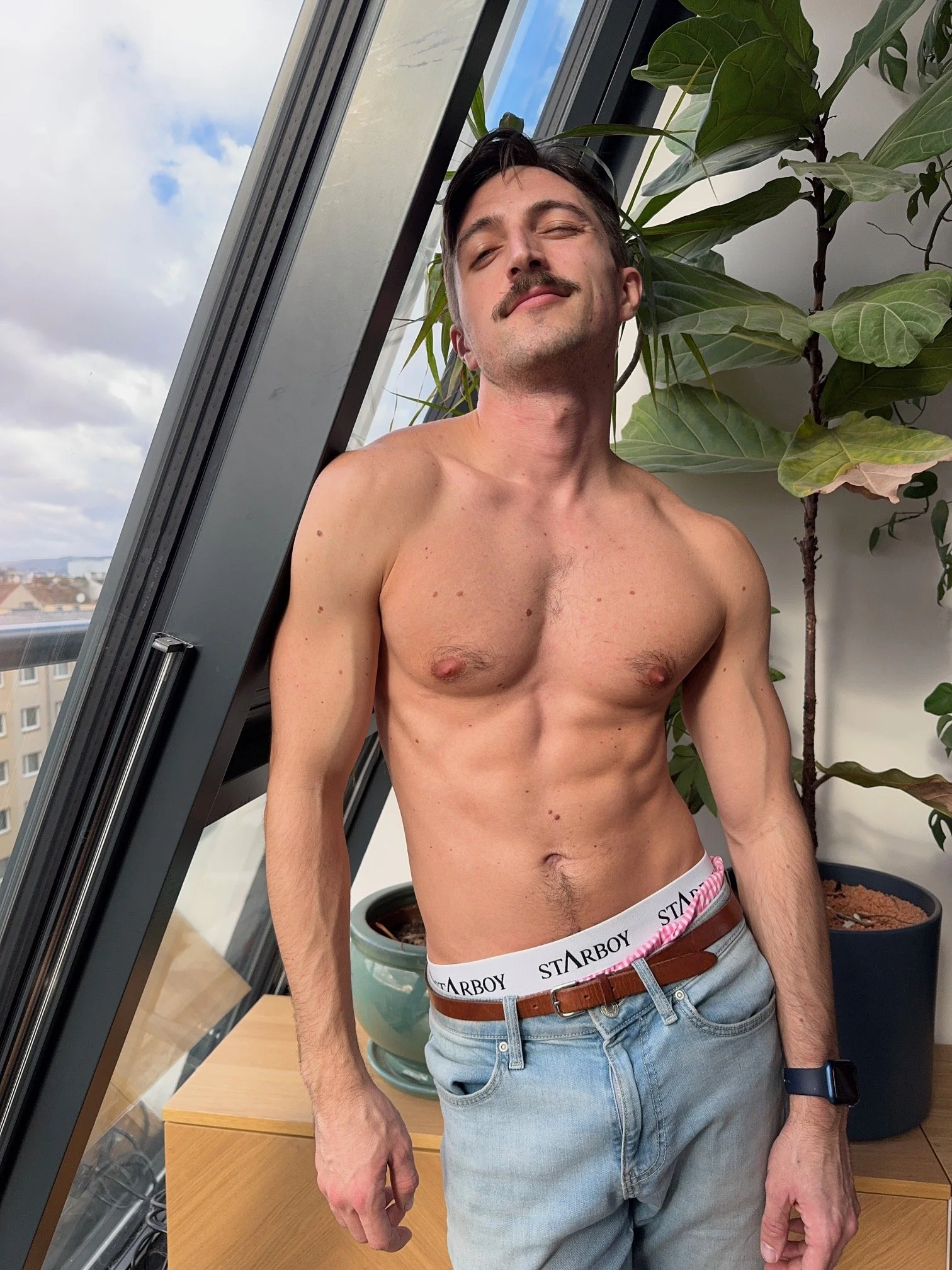
Ajdin by @when_there_is_light
GWF: As a lecturer at TU Wien, how do you approach teaching design, and what do you want your students to understand about the creative process?
Self-confidence. Because you can be the most iconic gorgeous designer and thinker, but if you cannot communicate what you did through words / presence / drawings and models, your design will never be realised - and therefore won’t matter.
So I try to teach my students to find their own voice, character and posture - and own it! That’s what makes a good designer. Everything else is taste level and willingness to invest time in the execution of your ideas - sooner or later everybody learns that though.
GWF: You’ve said there’s no “eureka moment” in design—can you explain how good architecture actually develops over time?
What I always mention in that context is that there used to be these movies about genius designers that have that one sudden inspiration during lunch or shower. And then they sketch it down (maybe on a napkin) - and that’s what determines a building design.
“How can we achieve a timeless, but yet specific building design? “
That's a lie. That does not exist. One has to design through trial and error until they find the right solution that works - and I'm not talking necessarily about the „right color“ or the „best tile“ but on a larger scale level: Where is the main entrance, does this silhouette fit in the existing urban area?
How can we achieve a timeless, but yet specific building design? That takes time. There is no eureka idea & everything else follows.
GWF: Outside of work, you stay active with the gym and cycling—how does physical activity influence your creativity or mindset?
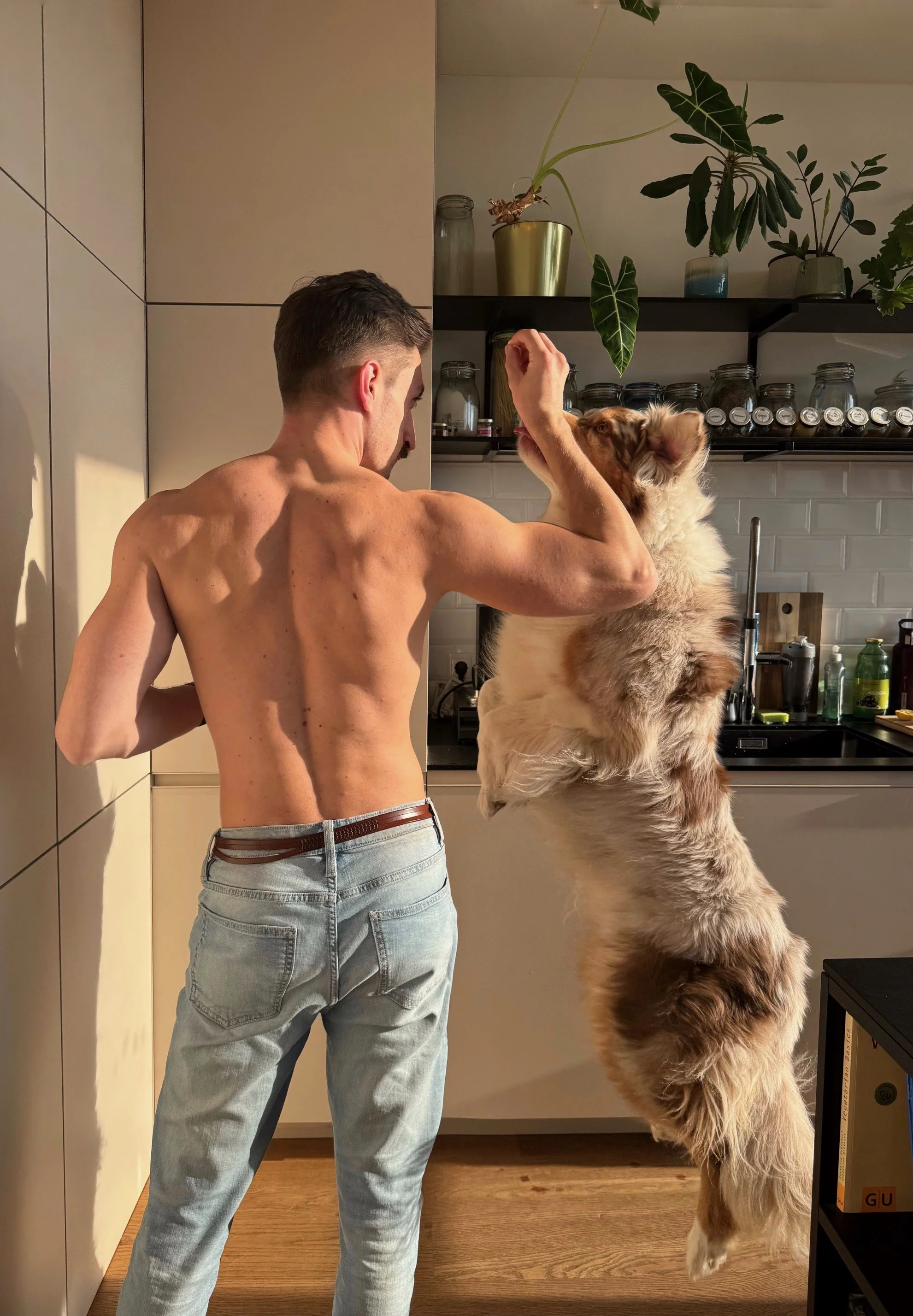
It is essential. My job and daily schedule can be very challenging - so I'm happy if I get to spend time with my boyfriend or my dog or friends. But working out cleans my mind and frees it from all the little work stresses or creative blockades that might appear during stressful times.
GWF: You’re also into photography and sculpting—do these creative outlets connect to your architectural work in any way?
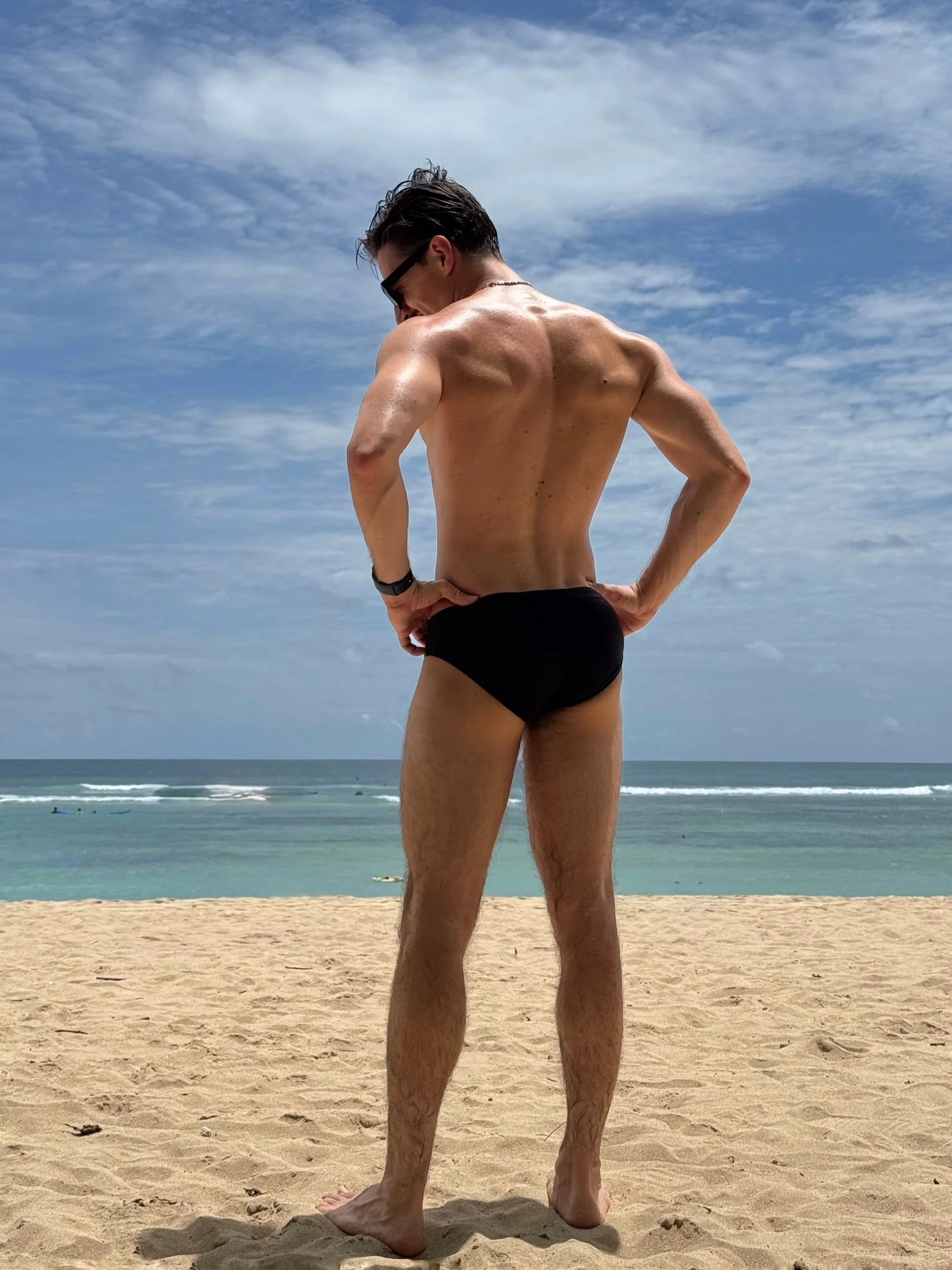
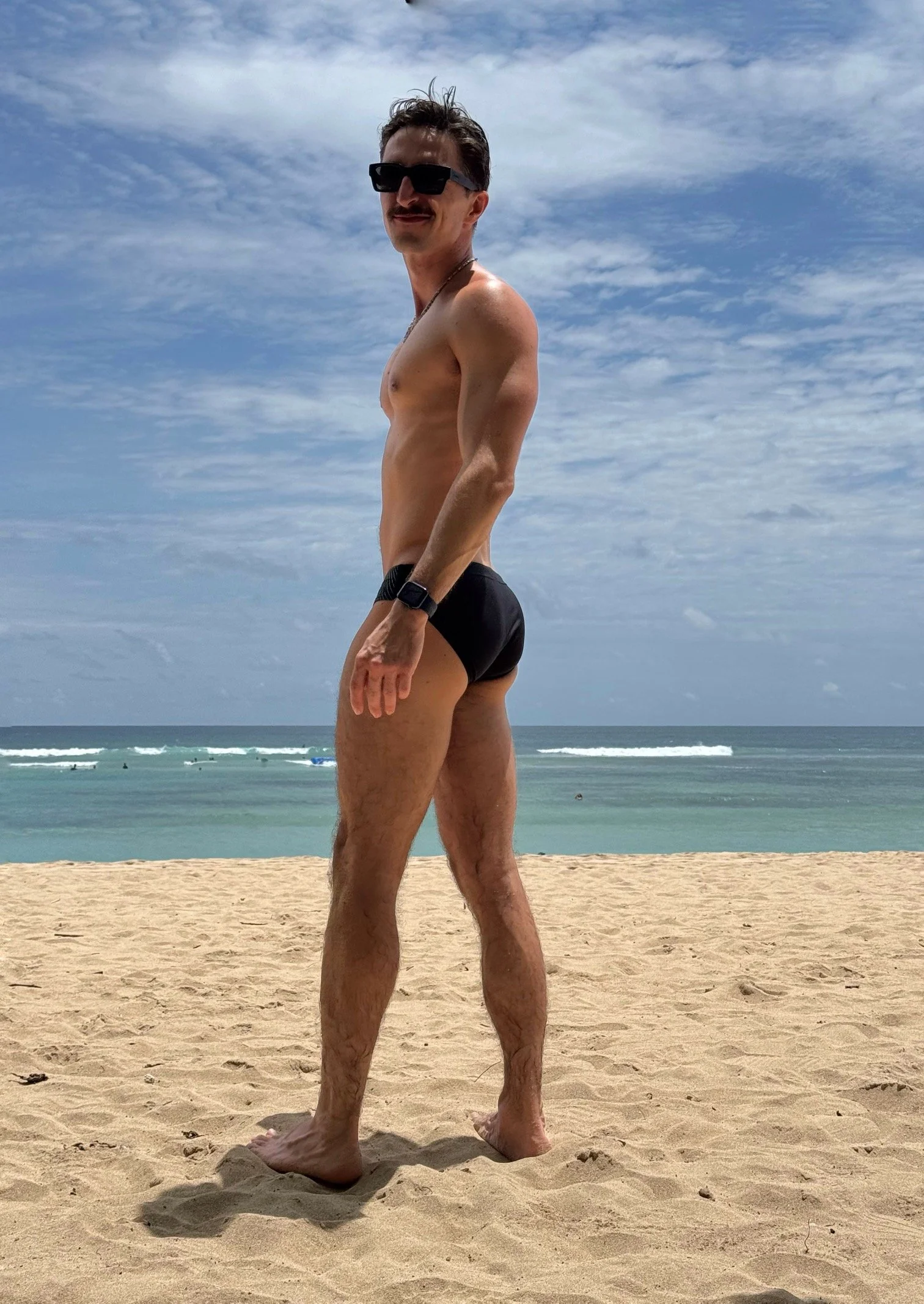
Yes definitely! Whether it is being in front of the lens myself or making photos / sculpture - it teaches me one important thing - how things behave in light - and that’s what magic in space is. I learn a lot from that for my architectural practice.
GWF: What is one piece of advice you would give to someone trying to build a creative career that is both meaningful and sustainable over time?
Connect with people & promote yourself. Do not burn bridges with people - everybody is your friend and everyone can help you.
But most importantly - know who you are and own it! Creative jobs are great but can tend to consume all your life - do not allow that to happen - there are also other things outside the design studio that are fun!
GWF: Finally, could you share three of your favourite public buildings in the world, and what makes them stand out to you?
"Semper Depot" by Gottfried Semper in Vienna - a great timeless structure that constantly gets transformed and appropriated - a truly sustainable building since 1847!
"Central Beheer" by Hermann Hertzberger in Apeldoorn, Netherlands - an office building from the sixties that has an amazing structure and a visionary approach.
"São Paulo Museum of Art“ by Lina Bo Bardi in São Paulo, Brazil - an awesome museum from 1968 that captures public life so greatly - because it created a spot for everybody - regardless if being an art lover or not!
