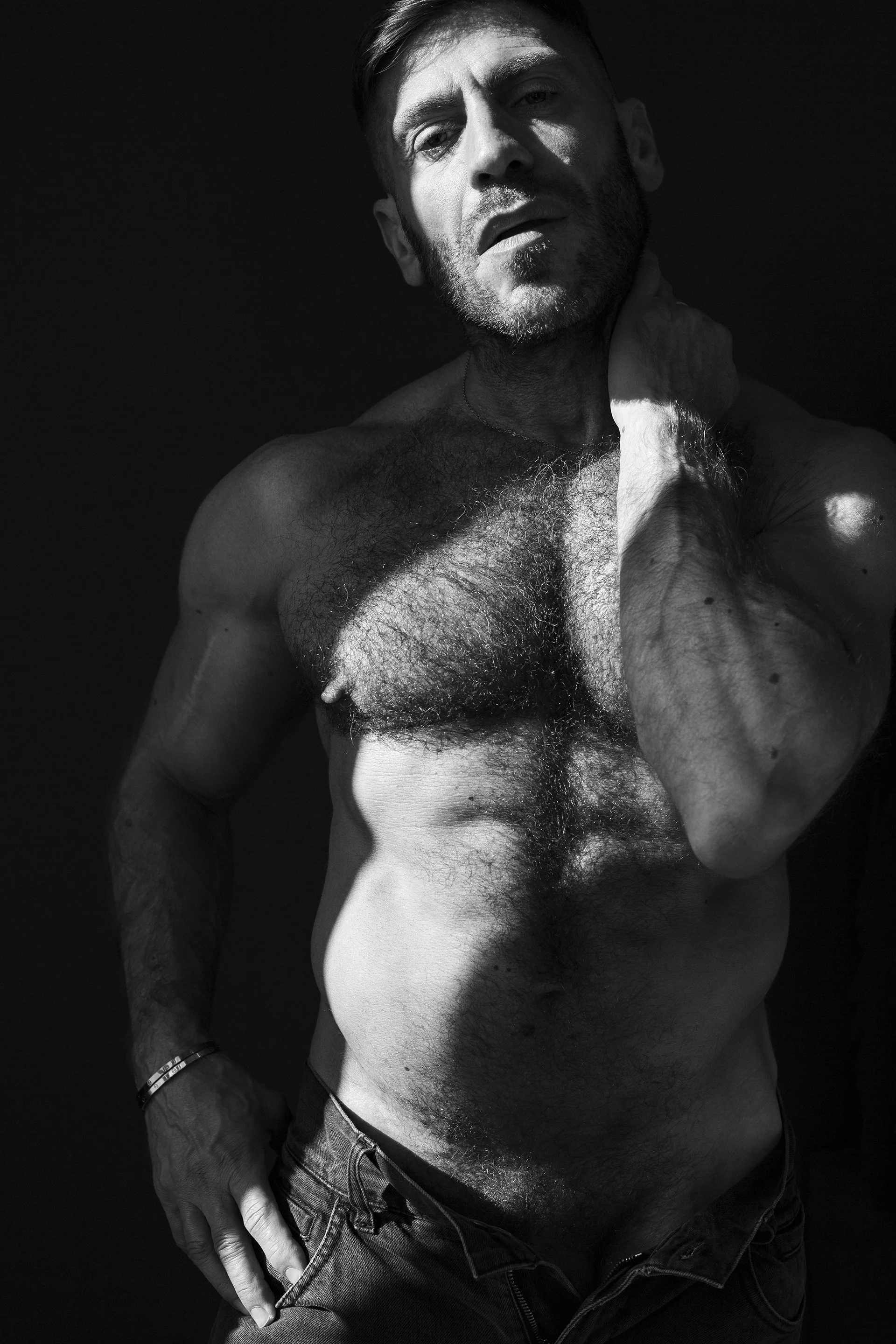
RAFFAELE IACULLI WALKER: Where Light Shapes the Moment
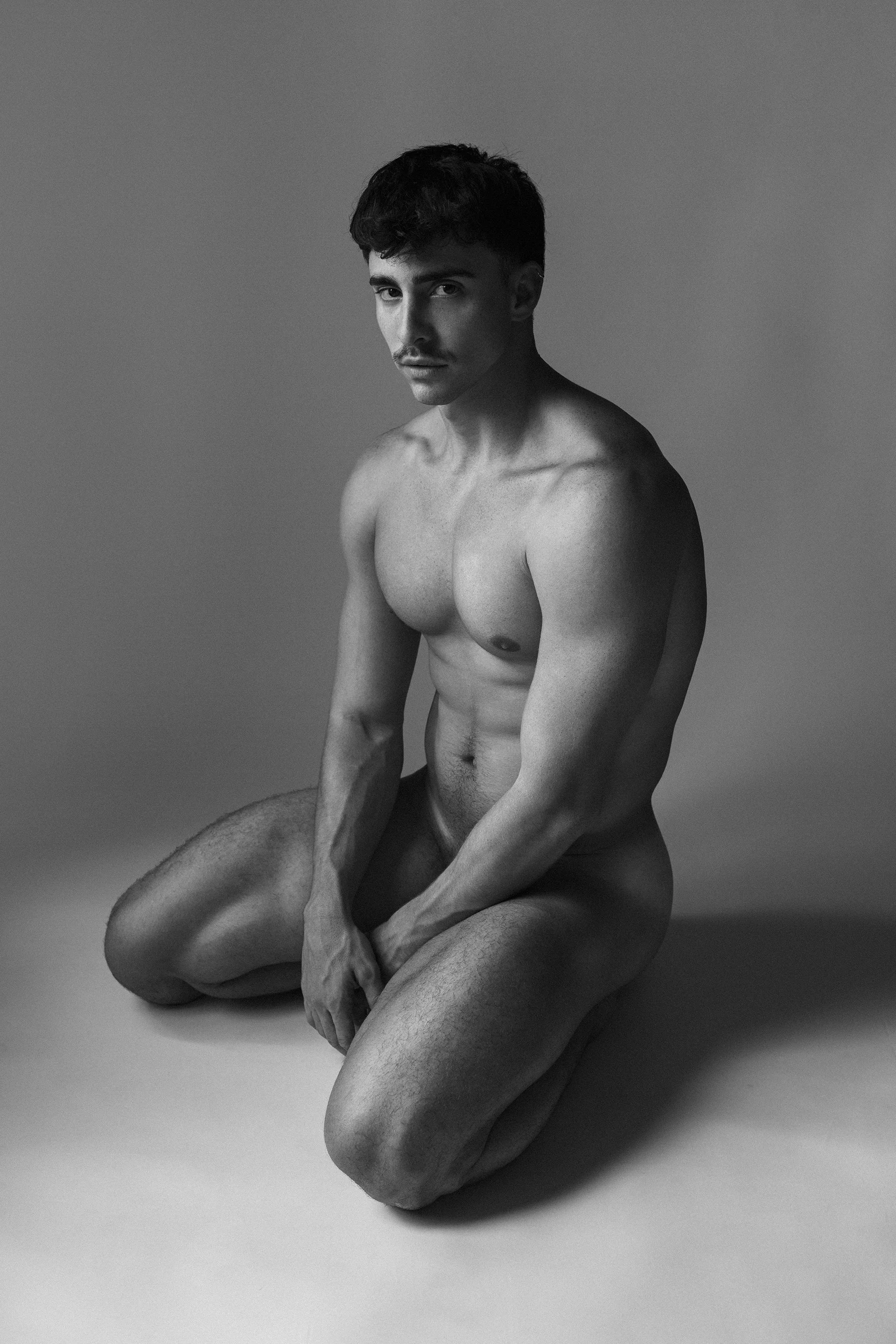
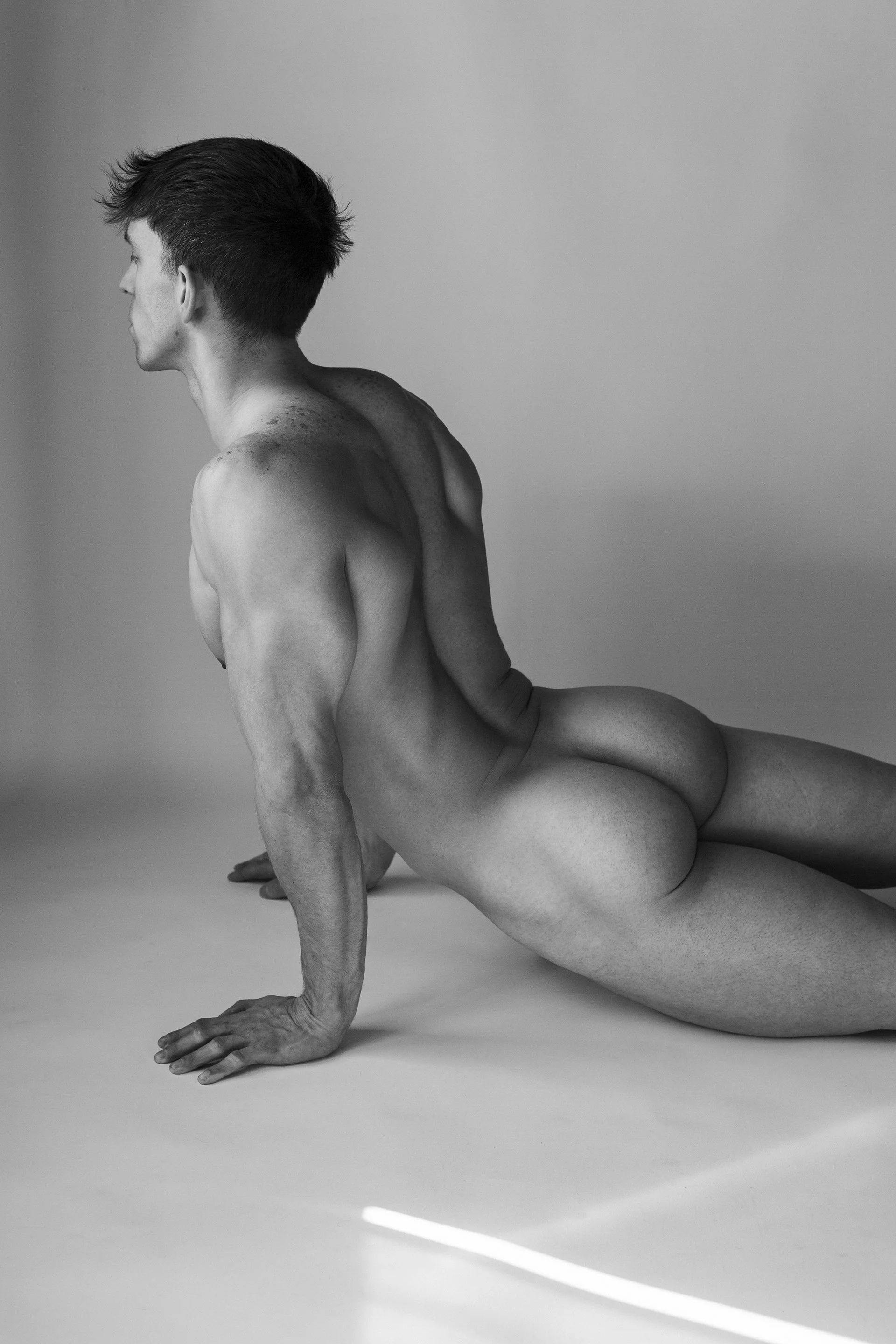
Growing up surrounded by Italy’s visual culture, Raffaele Iaculli Walker first found his eye through wedding photography, capturing real bodies and real intimacy between people who belonged to each other. Today in Milan, that same curiosity drives his work with male subjects: quiet, intimate portraits where trust, conversation, and a relaxed atmosphere allow men to drop their defenses and simply exist in front of the camera.
GWF: Where are you from, and where are you currently based?
I’m Italian and currently based in Milan. It’s a country where art is everywhere, and growing up in such a visually rich environment definitely shaped the way I see the world.
GWF: How did you first become interested in photography, and what drew you to photographing the male body?
Photography started out of simple curiosity when I was a teenager. Over time I realized what truly fascinated me was the human body and our relationship with it. That’s actually why I began with wedding photography, it’s probably one of the most genuine ways to capture bodies that truly belong to each other.
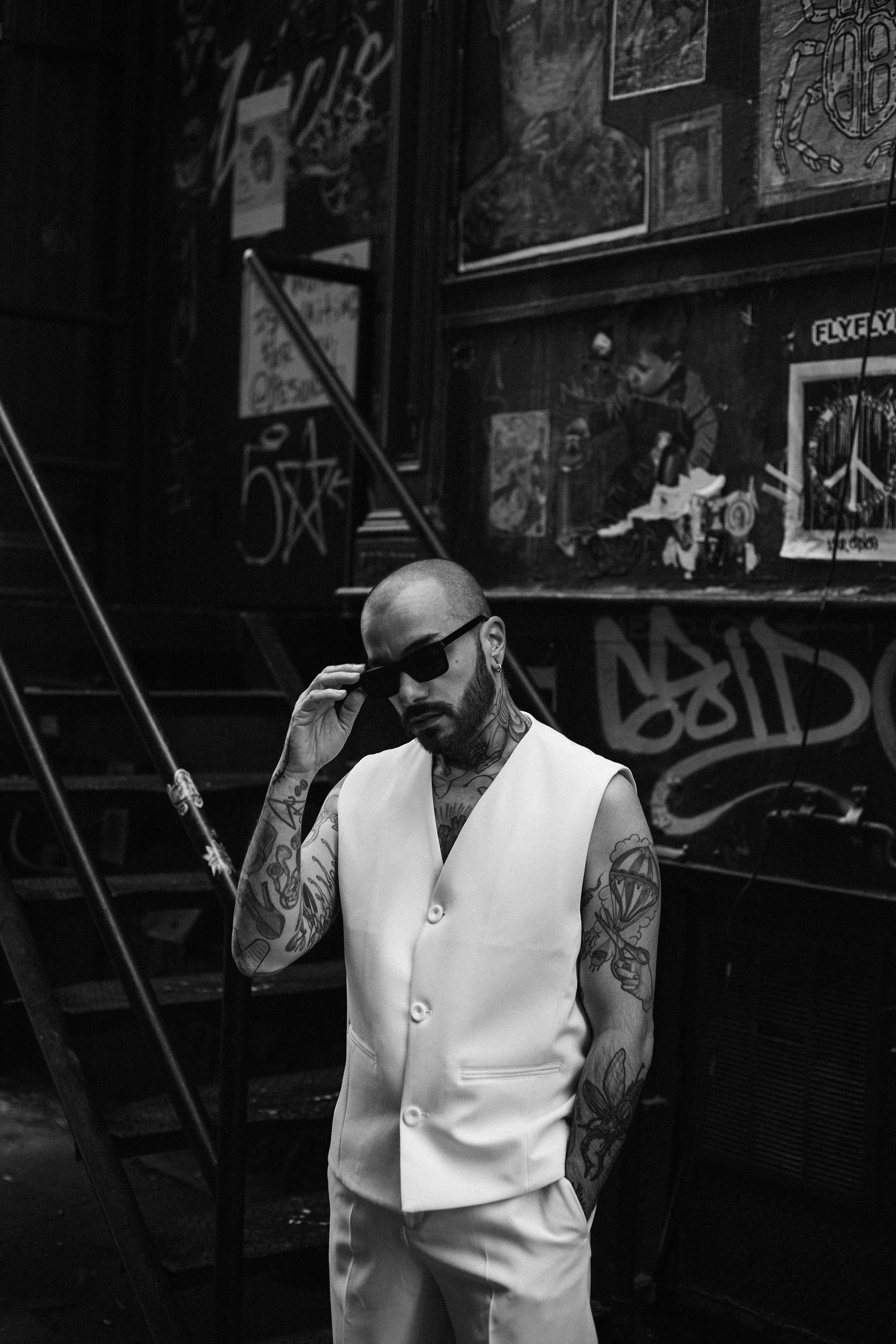
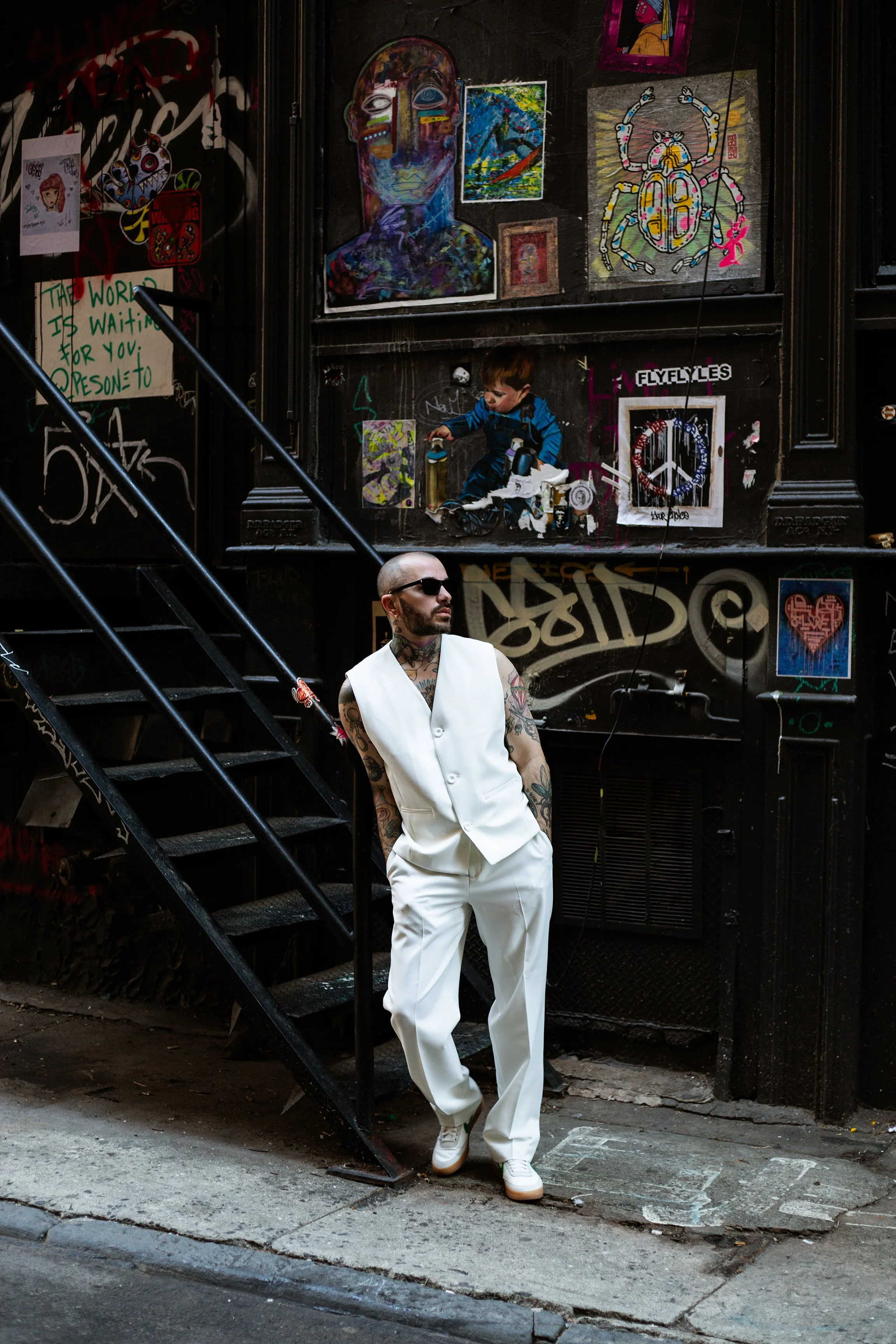
After years of doing that, I started exploring the male body more directly. There wasn’t really a specific turning point, maybe as a gay man there was just a natural fascination there. The male body exists in this really interesting space between strength and vulnerability, and photographing it is a way to explore that duality.
GWF: Being a gay man yourself, how does your identity shape the way you see, frame, or capture male bodies?
It inevitably influences my gaze. I don’t photograph the male body from a neutral distance, there’s curiosity, desire, empathy. But that doesn’t mean the goal is simply to eroticize the subject. Photographing men who allow themselves to be seen without defenses, without masks, can be vulnerable but also bold. And those two qualities can absolutely coexist.

GWF: How do you choose between black and white versus color, and what does black and white allow you to express?
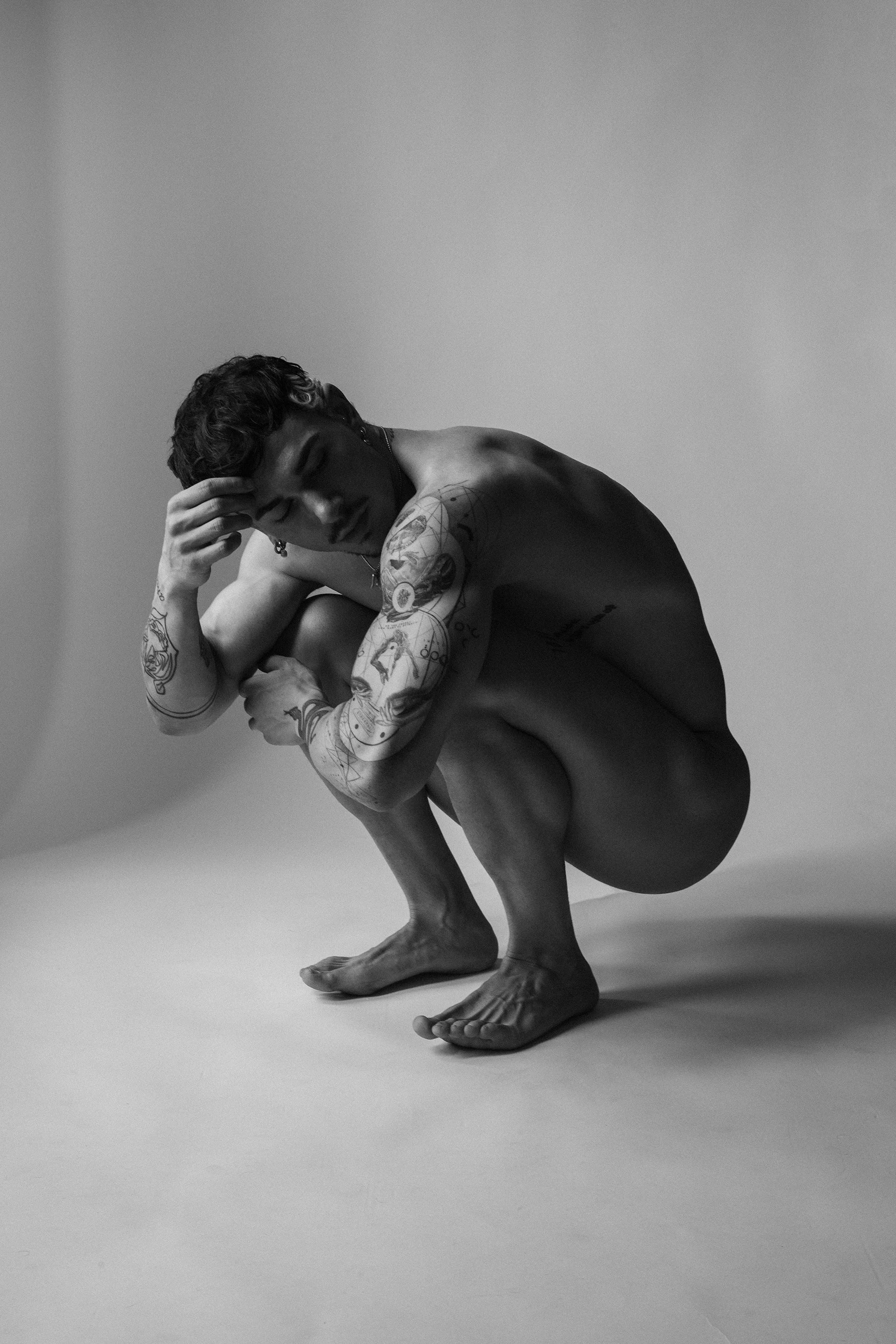
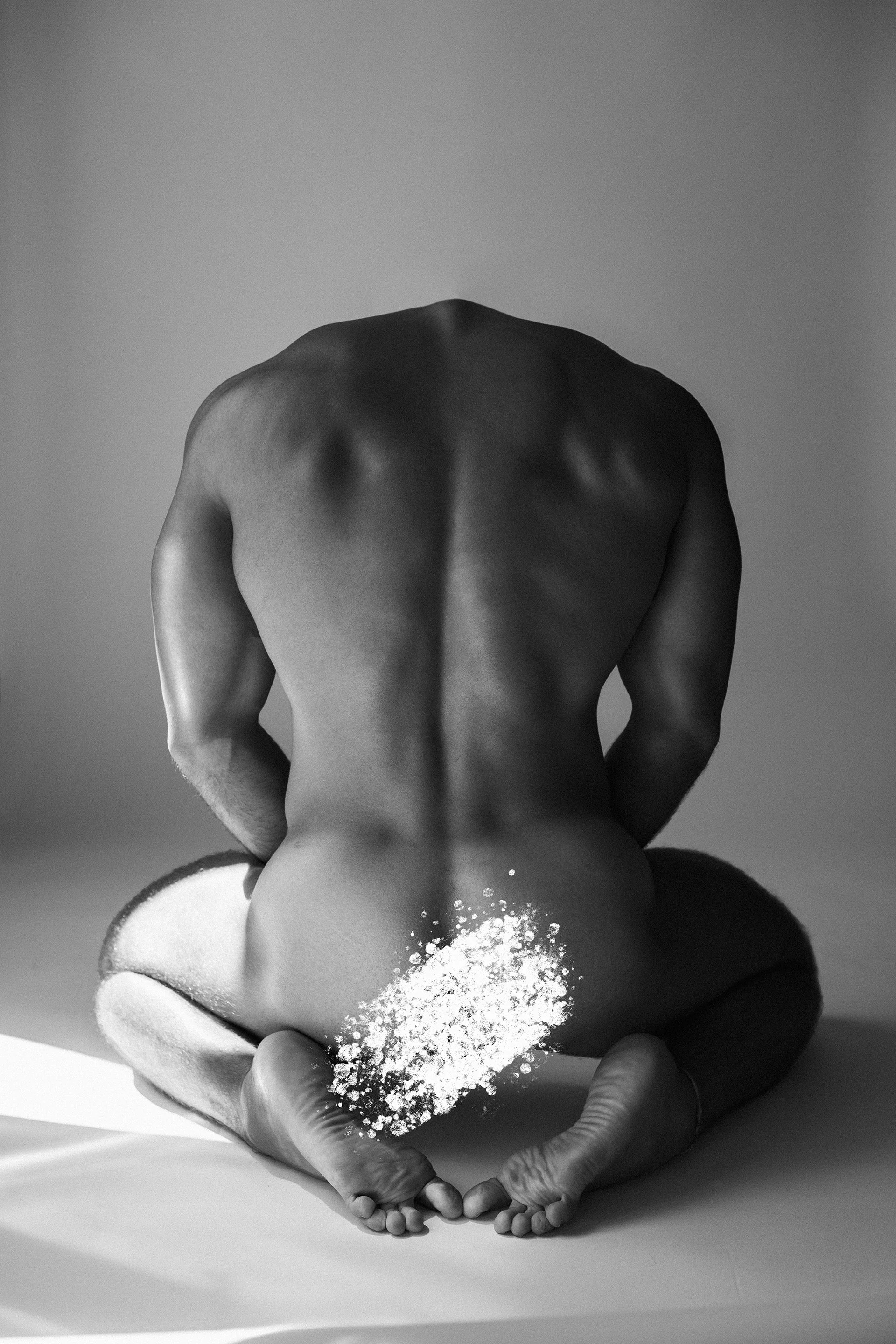
Black and white is almost a language of its own for me. It has this timeless quality that removes distractions and leaves only light, shadow, and form. It’s very direct.
In color you often photograph the clothes; in black and white you capture something else entirely.
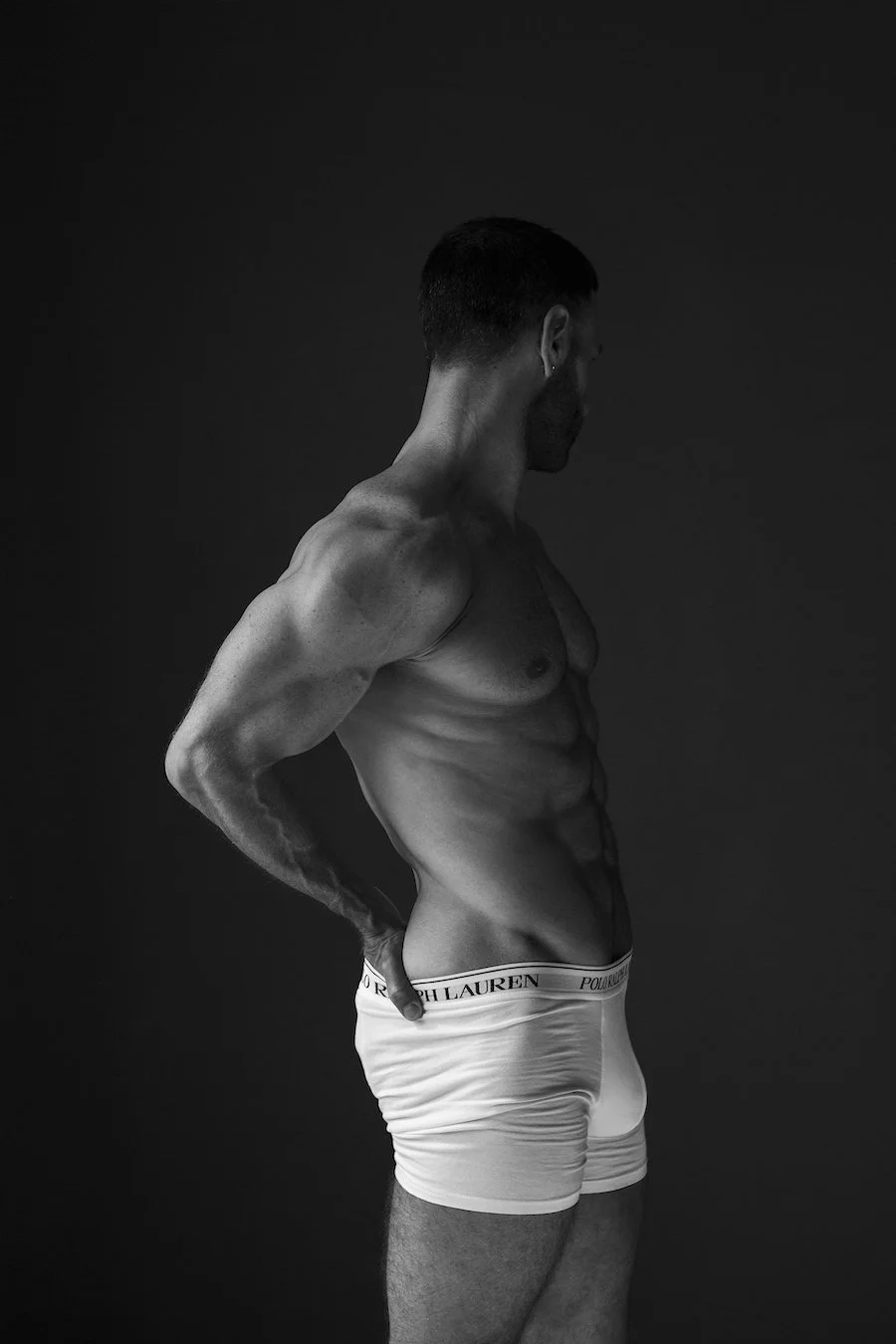
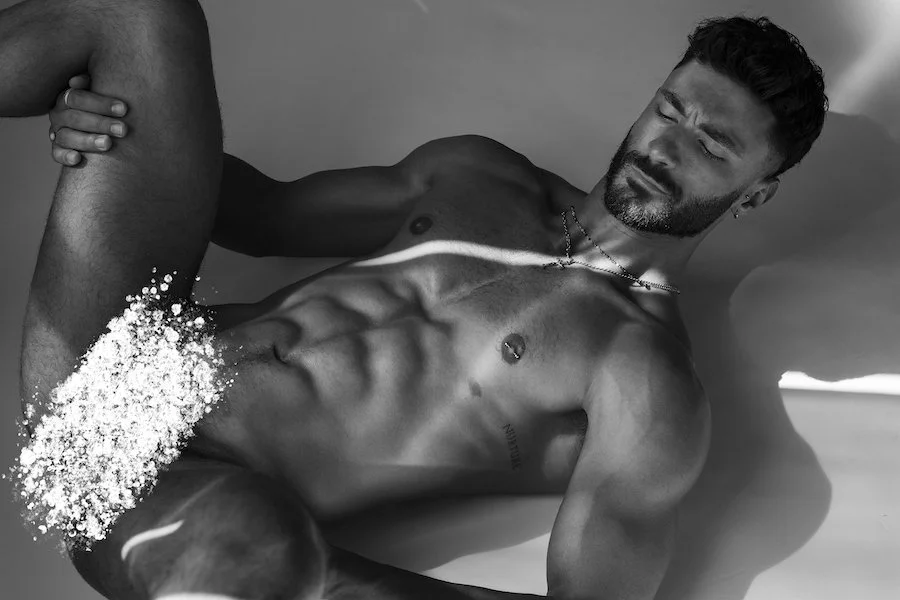
With the male body this works especially well because light can sculpt muscles, lines, and the texture of the skin. I think it gives the images a more timeless feeling and maybe a bit more mystery too.
GWF: Do you have a favorite setup or technique that consistently gives you the effect you’re looking for?
There isn’t one specific technique. It’s more about a way of seeing light. Every shoot becomes a small study of the body and the light that exists in that exact moment. The result slowly reveals itself. What stays consistent is the photographic signature you can recognize in the final image, even when the situations are very different.
GWF: How do you approach lighting to sculpt the body and bring out its form?
Natural light, always preferably coming from the side. Sometimes slightly grazing the body to create softer contrast, other times stronger to bring more depth. Natural light defines form in a way that feels almost cinematic. There’s a kind of honesty to it that artificial lighting sometimes struggles to replicate.

GWF: Do you plan your compositions in advance, or do they evolve naturally during the shoot?
I usually start with a few ideas, but I leave a lot of room for improvisation. Often the best images happen when the model stops thinking about the camera and simply starts being in his body. That’s when it becomes real.
Of course some bodies respond really well to precise, studied poses. But sometimes what you think will work and what actually happens are two totally different things. The body has to be studied in the moment, without overplanning. It’s not like clothing that you just put on and it falls into place. The body almost always finds its own way.

GWF: When photographing men, how do you approach intimacy and trust with your subjects?
Trust is essential, especially when working with nudity. I always try to create a relaxed, pressure-free environment.
I’m naturally pretty chatty and curious, so I like getting to know the person in front of me beyond just the photographic aspect. That helps build a small bridge of trust before we even start shooting, and it continues naturally during the session.
There’s no judgment, it’s simply two people collaborating to build an image together.
GWF: Do you notice a difference in energy or comfort depending on a model’s sexual orientation, and how do you navigate that?
Sometimes there is a difference, but it’s never as simple as people might think. Some gay models are very confident (sometimes even a bit too confident), while others are shy or tense. The same goes for straight models, there’s really no clear distinction.
It’s also worth mentioning that many of the guys I work with aren’t professional models.
A big part of the job is simply making the person in front of you feel comfortable. What really matters is the level of trust and clarity about the artistic intention. When that’s clear, orientation becomes almost irrelevant.
GWF: Your photographs often convey a sense of calm and peace in your subjects. How do you create that level of trust and intimacy during a shoot?
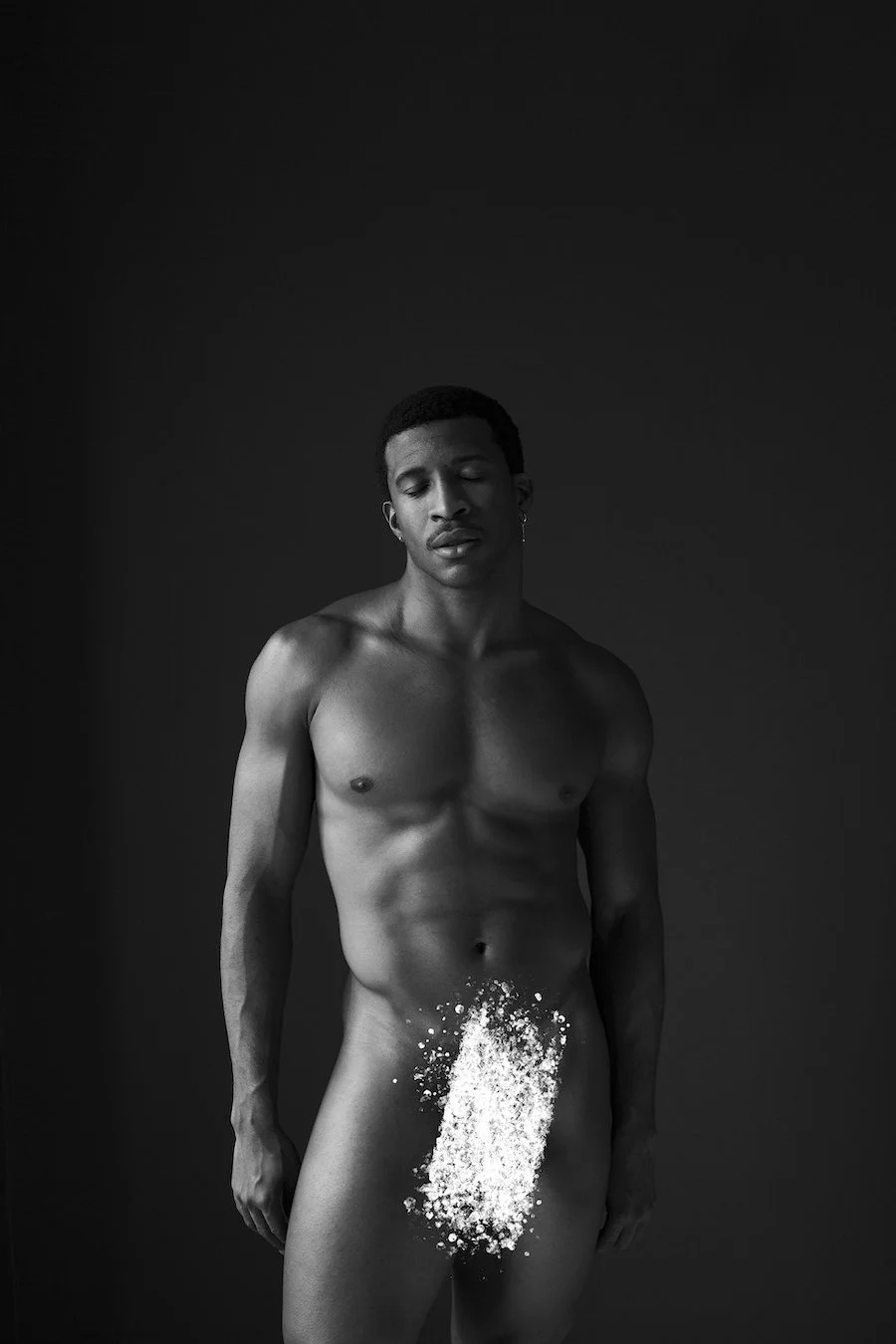
I think that calm comes from the rhythm of the work and probably from my personality too. I’m a Virgo, so my brain likes things to have a certain order, but at the same time I hate working in a frantic atmosphere.
The atmosphere in the room inevitably ends up inside the photograph. I give the model time to feel comfortable in the space and in his own body. We talk, share stories, laugh a bit.
From the very beginning I want it to be clear that the person in front of the camera shouldn’t feel like they’re being “observed.”
GWF: How has your approach evolved over time, and what are you exploring now in your current projects?
At the beginning I was very focused on technique. Over time I realized what truly interests me is the presence of the person in front of the camera, that subtle thing that quietly reaches the viewer’s eyes.
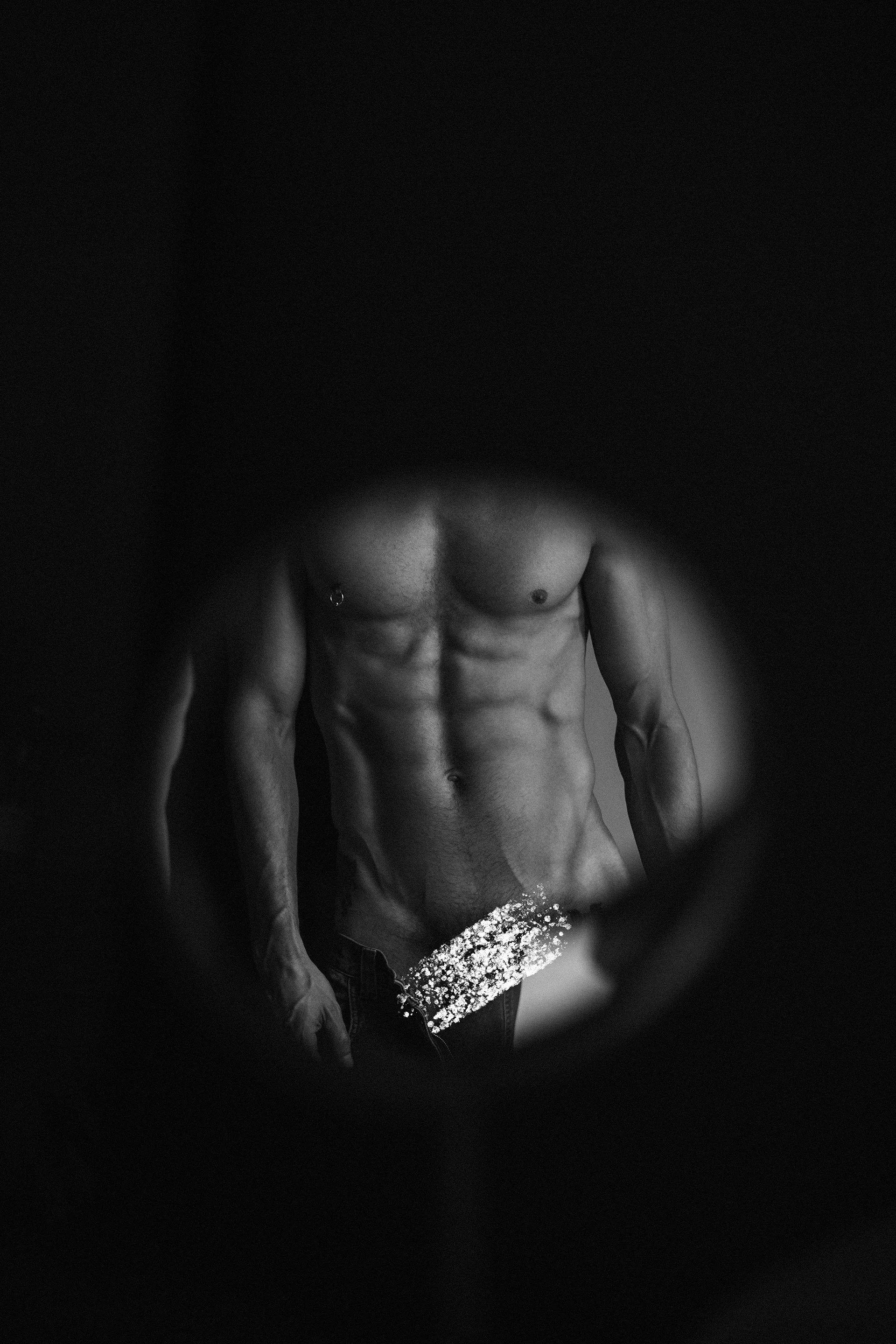
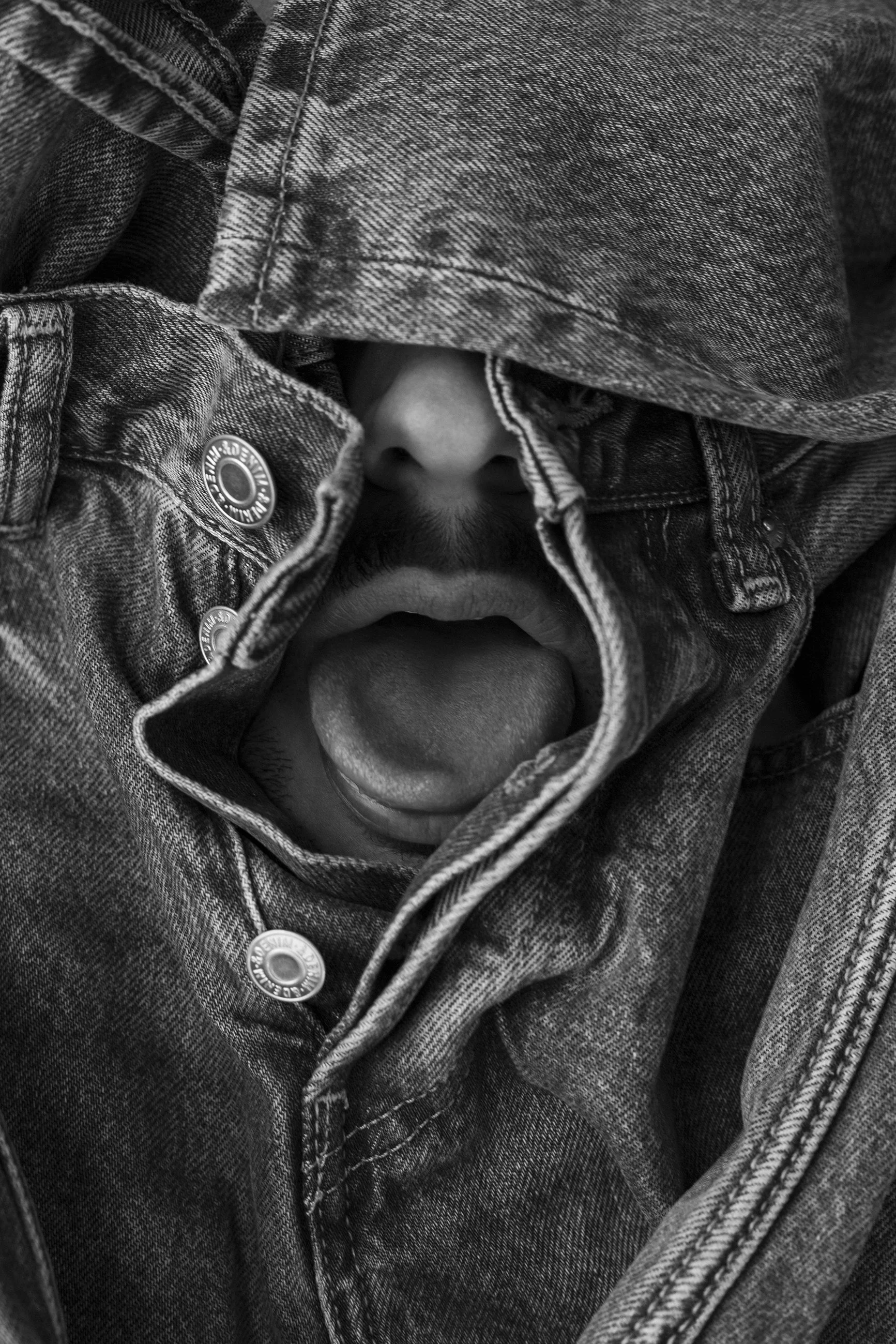
Now I’m interested in exploring more essential images: less construction, more authenticity of the body and its natural form. Also the kind of shots that aren’t completely inside my comfort zone.
And of course I keep experimenting. Photography would be pretty boring if we already had all the answers.