FLORENT YEH: At the Intersection of Homoerotic Photography and Classic Cinema
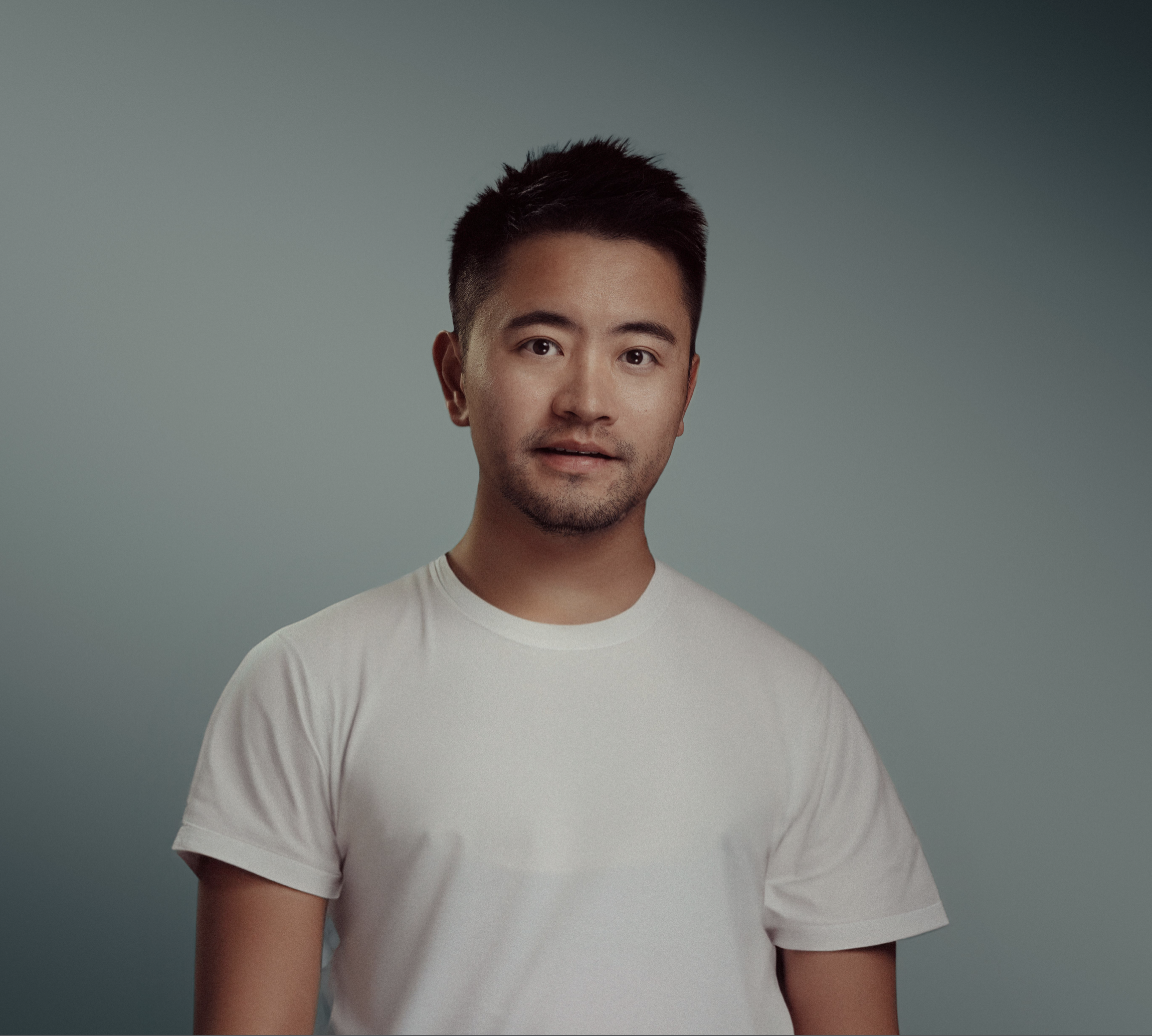
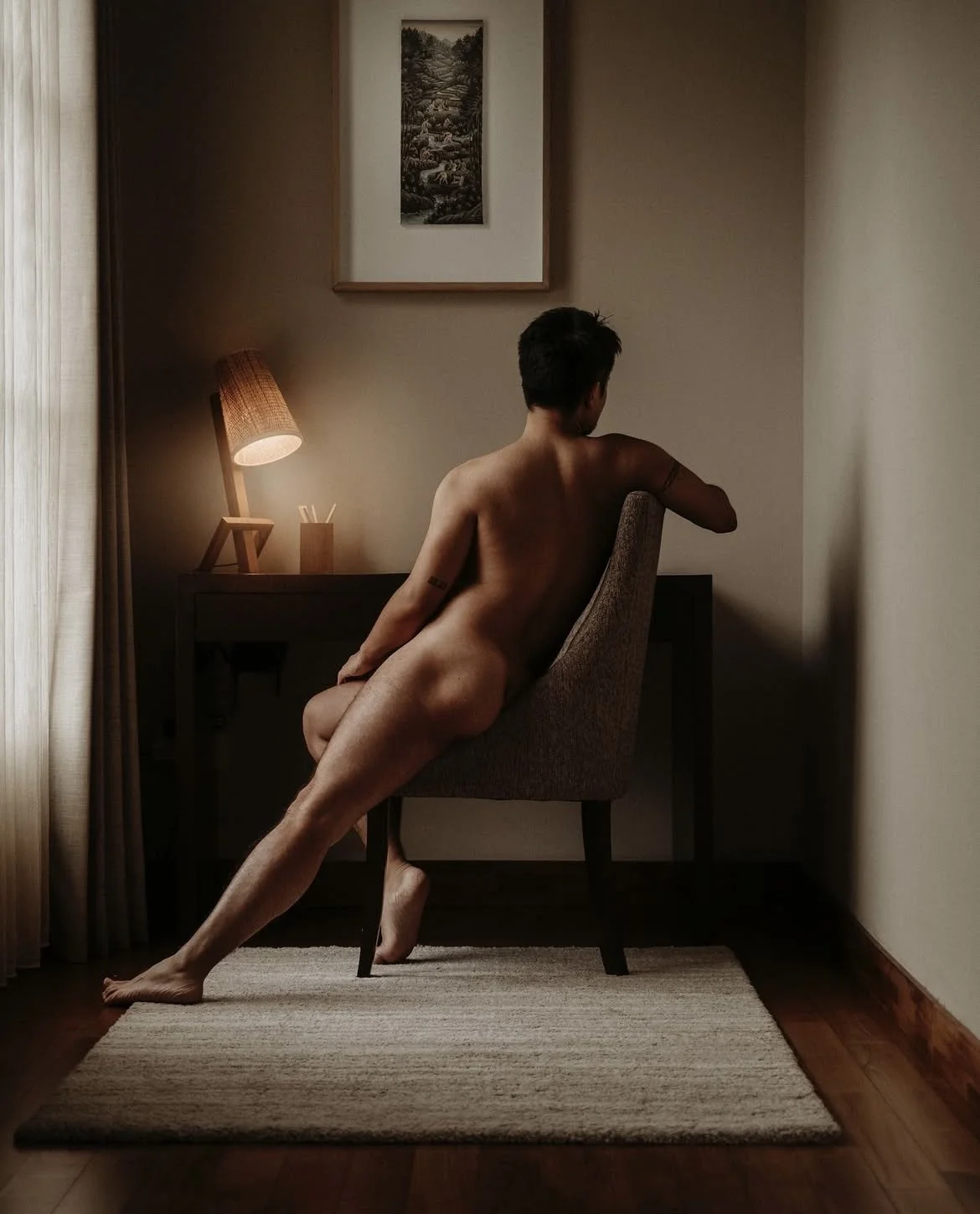
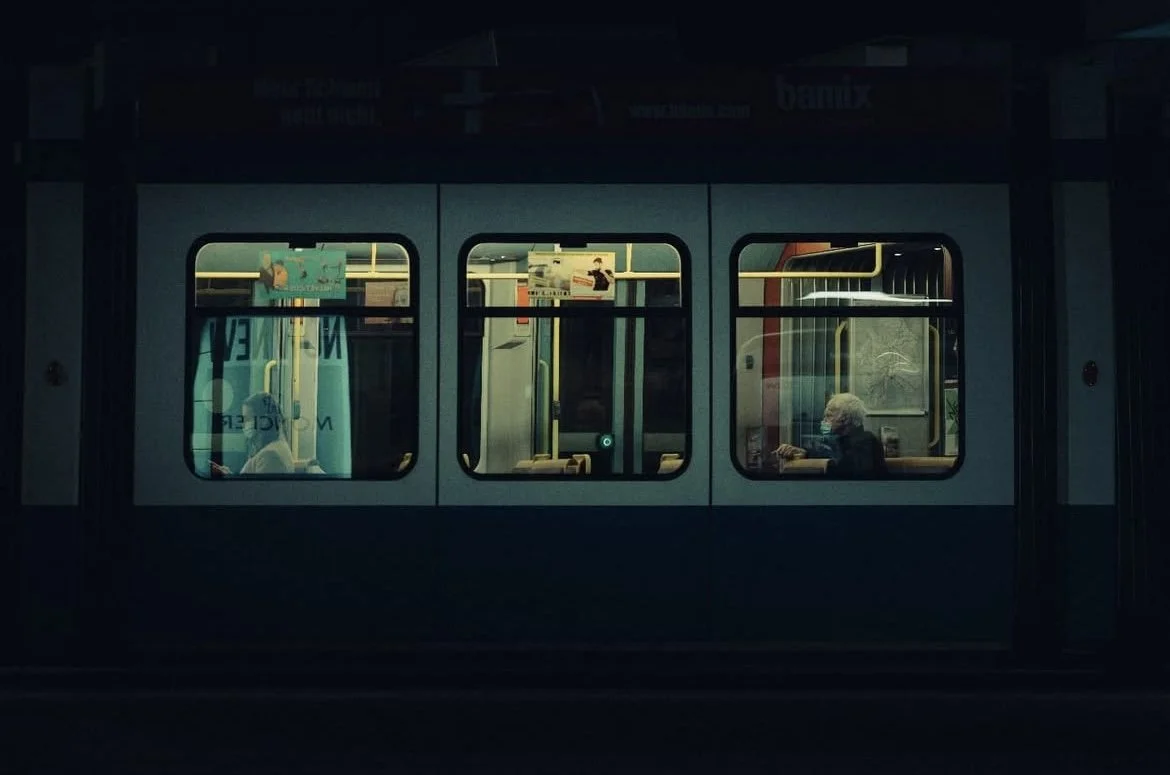
Growing up in a small town in northwestern China, Florent Yeh first encountered photography through his father’s automatic film camera—a device he rarely touched after ruining a roll of family photos. Now based in Zurich, Florent transforms that childhood curiosity into a cinematic visual language: quiet street scenes, intimate portraits of men, and fleeting moments where light, gesture, and atmosphere suggest untold stories. Influenced by Parisian cinemas and analogue photography, his work explores masculinity, intimacy, and subtle homoerotic narratives in everyday life.
GWF: Tell us a little about yourself — where are you from, and how did photography first enter your life?
I grew up in a small town in northwestern China and later moved to France for my studies. I’ve been living in Europe ever since, and I’m now based in Zurich, Switzerland.
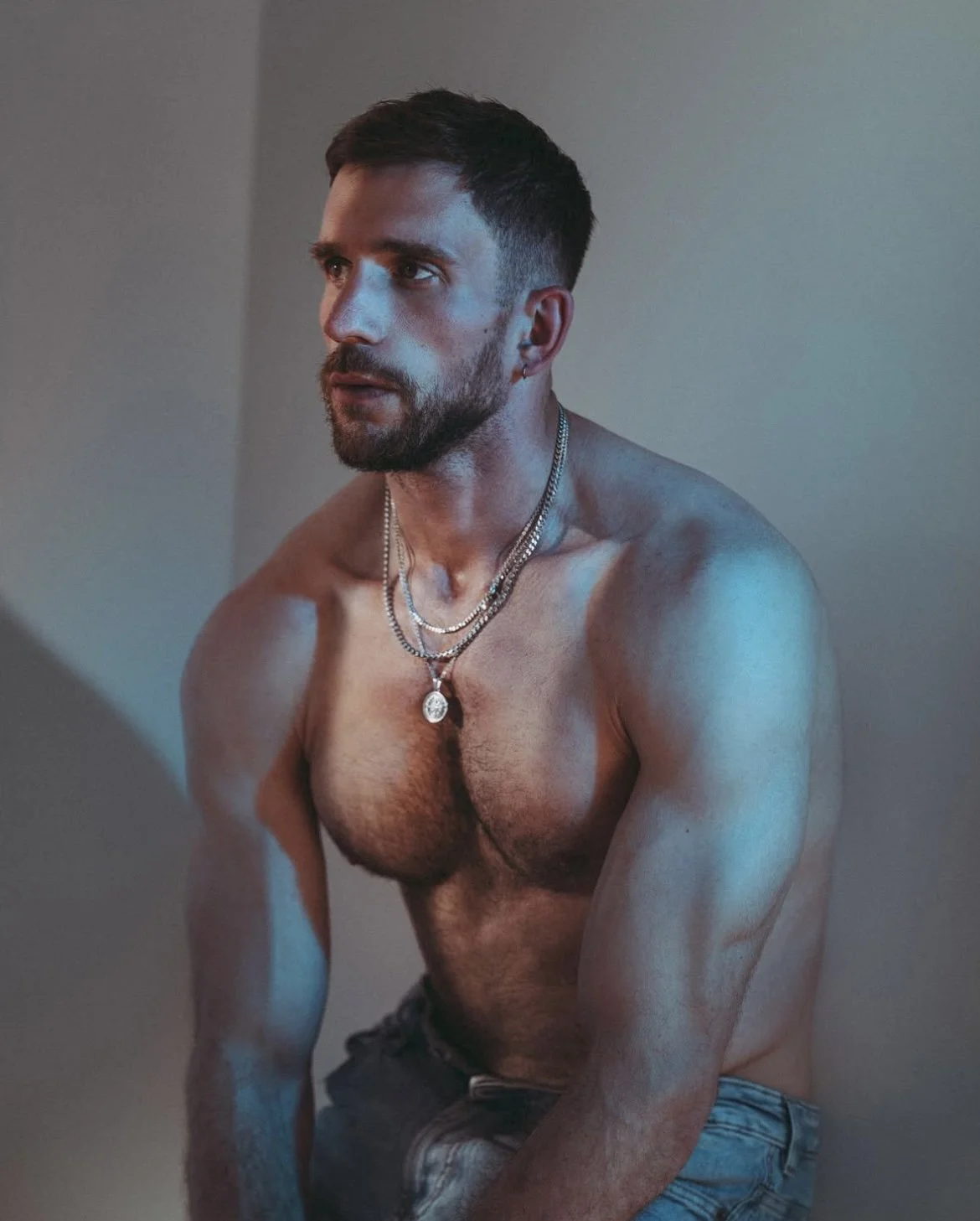
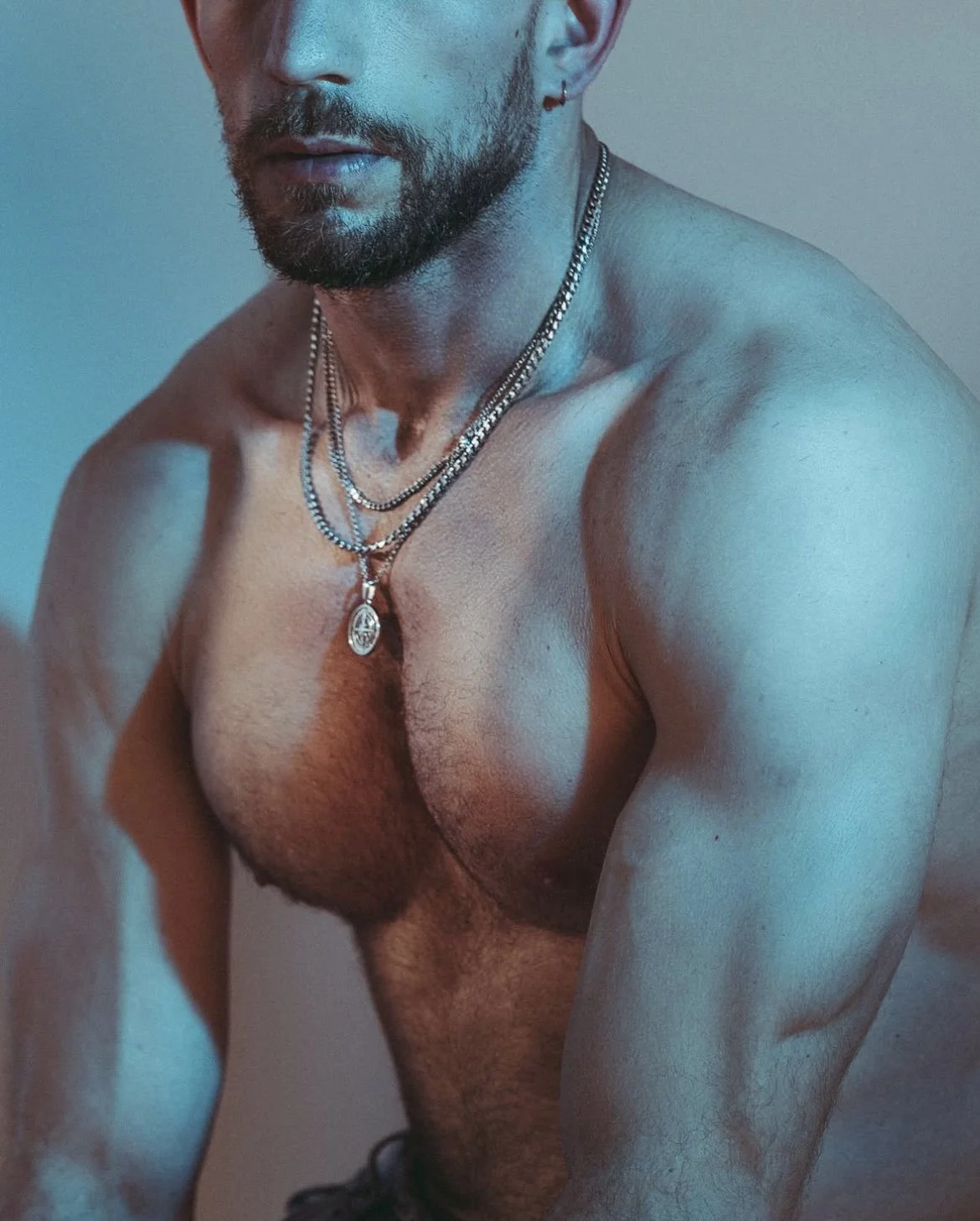
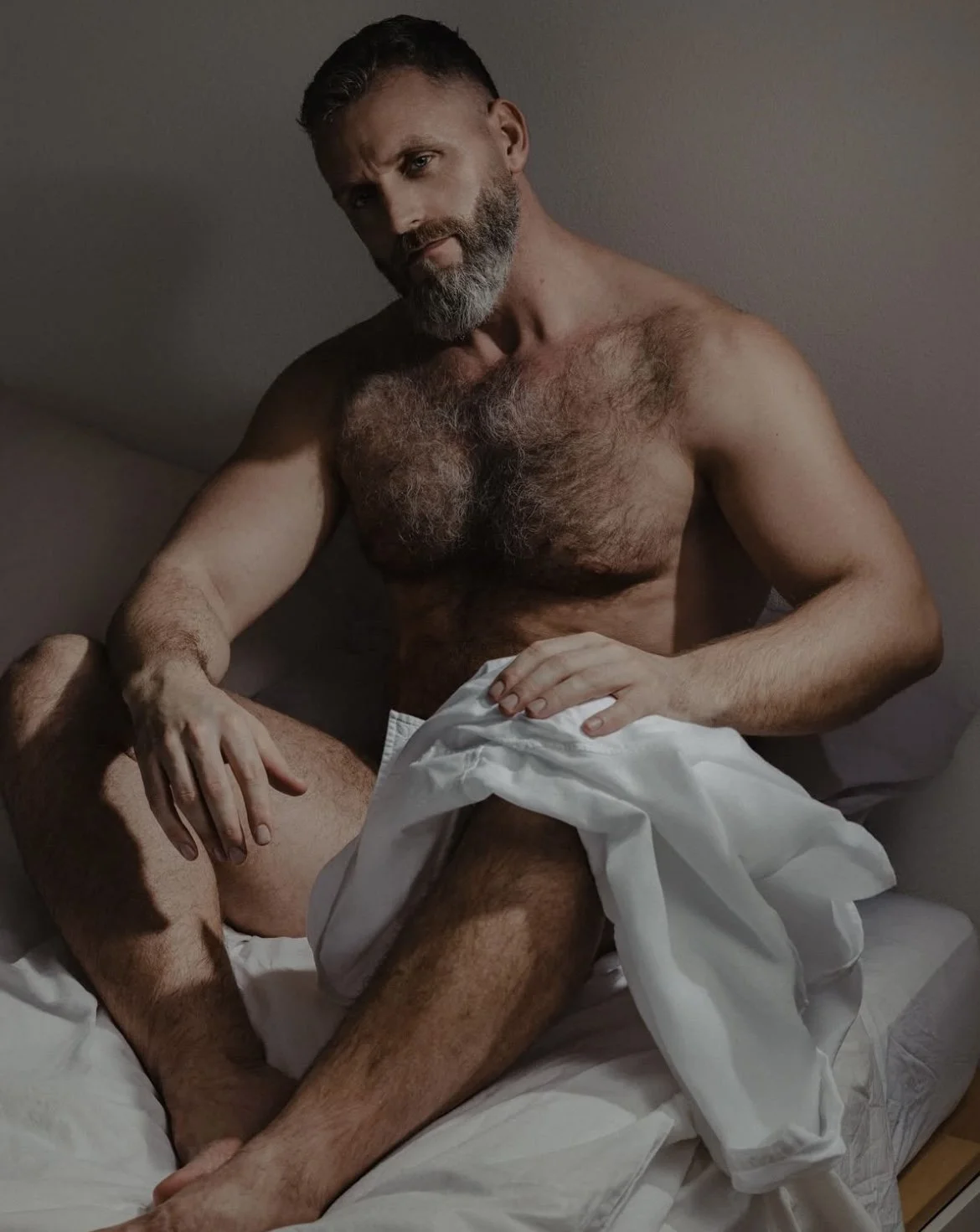
@supergeoff by @florentographie
My first encounter with photography goes back to the early 90s when I was still a kid. My father owned a small automatic film camera and used it to document most of our family life. I wasn’t allowed to touch it unless my parents needed someone to take a photo of them. My access was permanently revoked after I accidentally opened the back of the camera and exposed the entire film roll.
GWF: Your images often feel like still frames from a film. When did you realize that storytelling through images was something you wanted to pursue seriously?
To be honest, I didn’t initially set out to make my photos look like film stills. People began pointing it out to me, and only then did I realize it myself. I suppose I owe that to the countless films I’ve watched over the years.
I got my first iPhone in 2011 and started taking casual snapshots for Instagram. But it wasn’t until 2016, when I began shooting on film, that I started thinking about photography more seriously and wanting to create images with a stronger narrative intention.
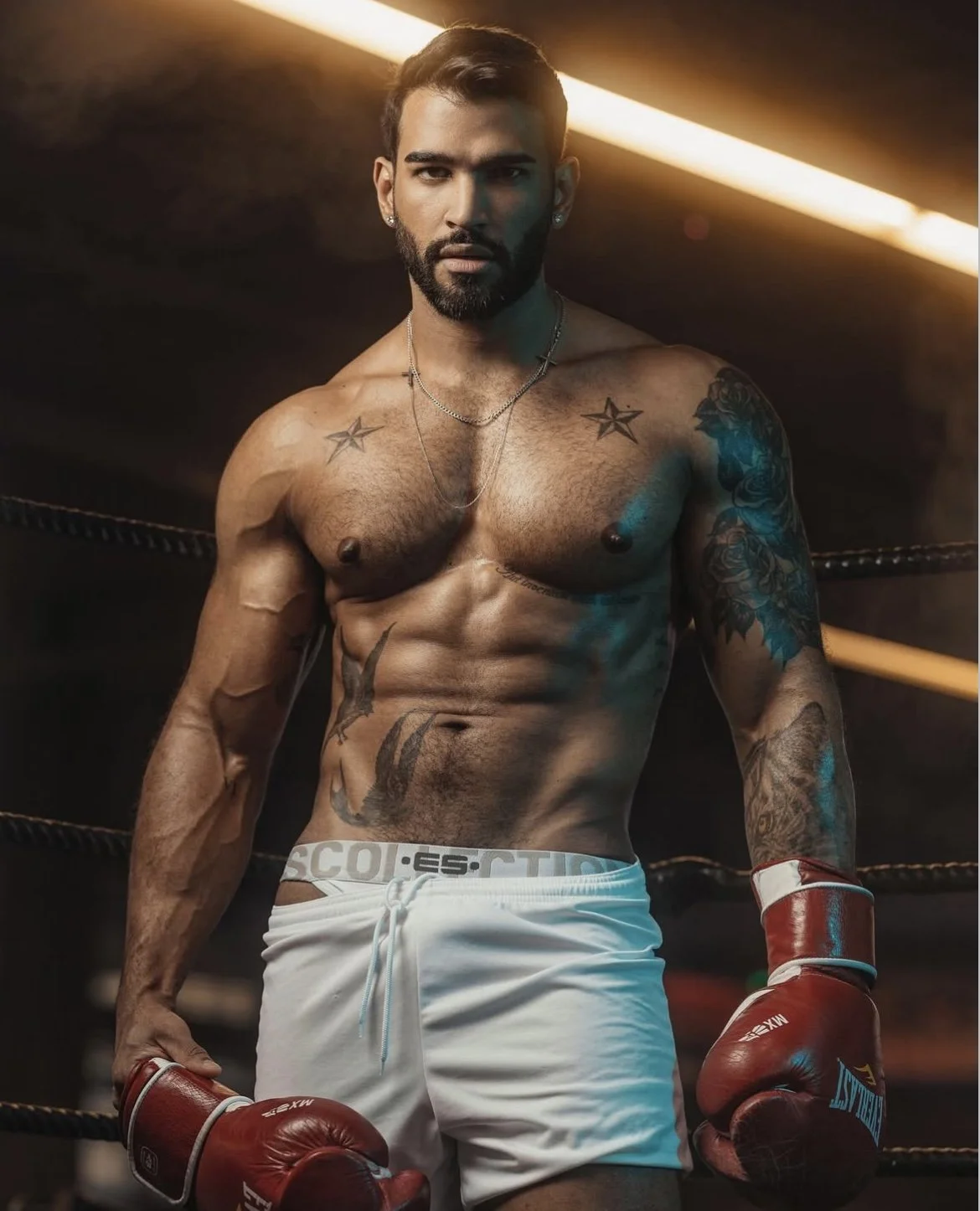

@donrablog by @florentographie
GWF: Your work carries a strong cinematic and sometimes nostalgic atmosphere. What draws you to this mood?
When I lived in Paris, I went to the cinema about twice a week. If you love films, Paris is one of the best places to be. There was a €20 monthly subscription that gave access to major cinema chains as well as independent arthouse theaters.
Many weekends I would simply move from one cinema to another in the Latin Quarter on the Left Bank. That’s where I discovered the French Nouvelle Vague and Hitchcock on the big screen. It was also where I watched the restored 4K version of In the Mood for Love after having already watched it a hundred times on DVD at home.
Looking back, those years probably shaped the cinematic atmosphere people now recognize in my photographs.
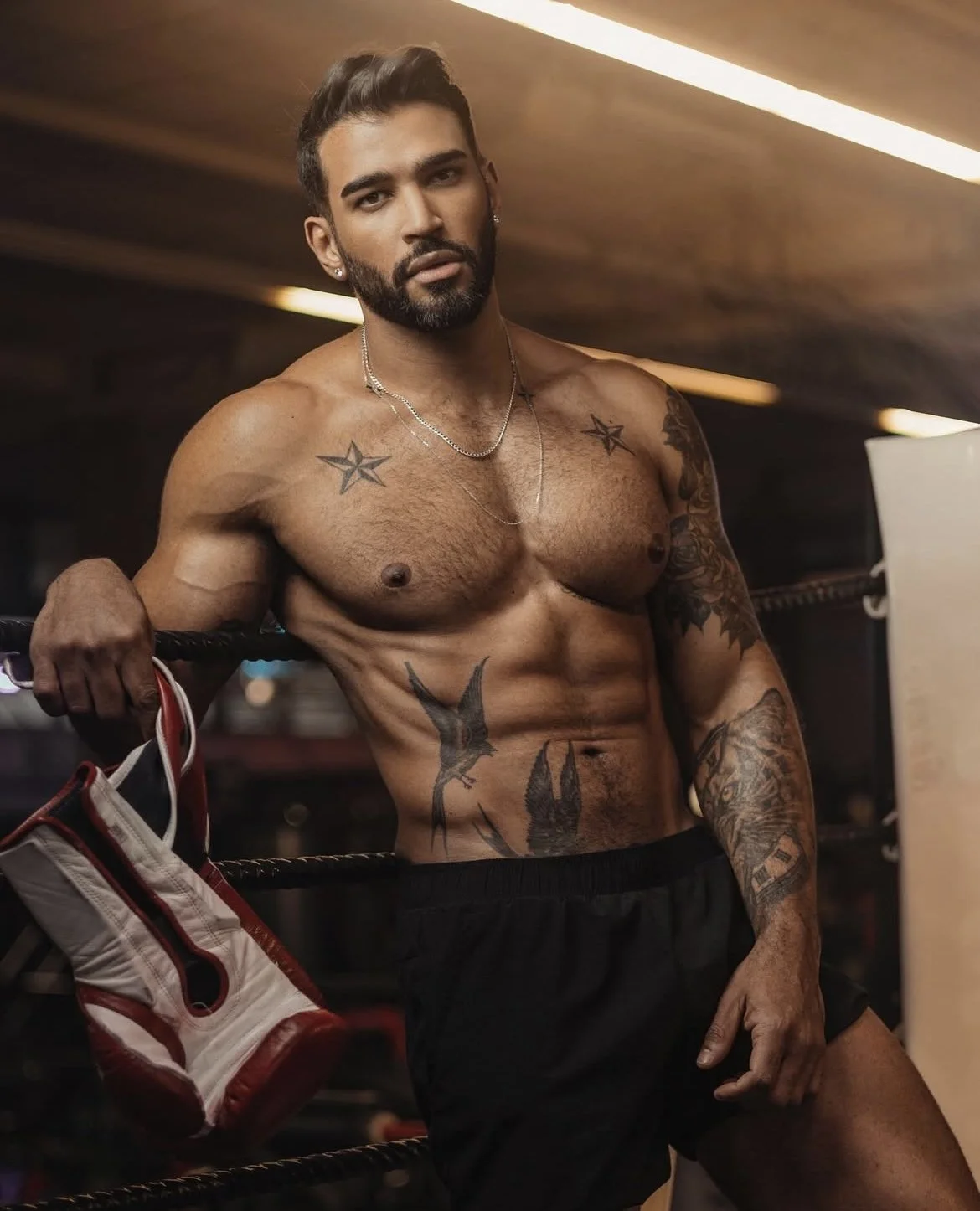
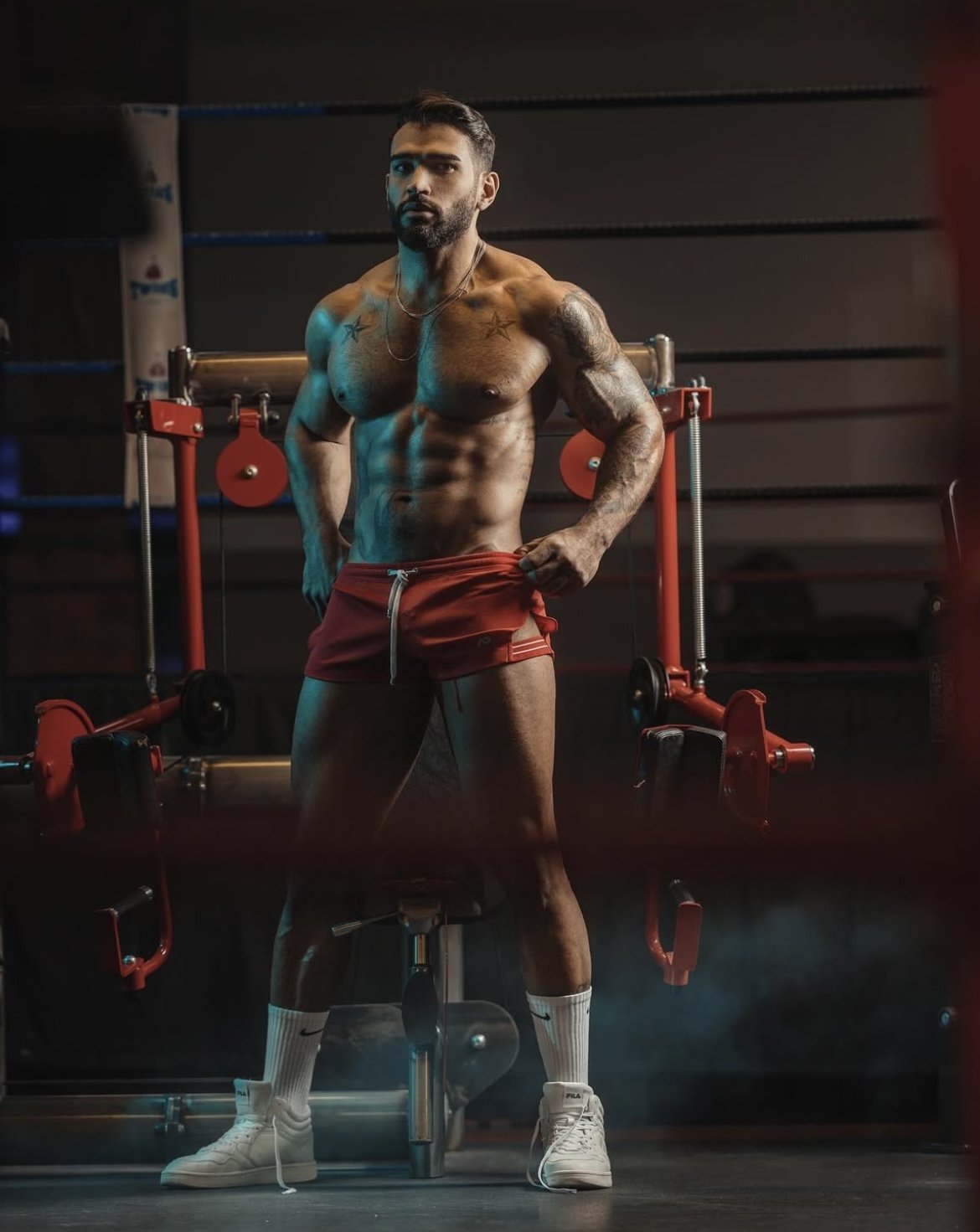
@donrablog by @florentographie

GWF: Many of your photographs feel like small moments suspended in time. What kinds of moments are you usually looking for through your lens?
My friends jokingly call me a bit of a stalker. When I first started practicing photography I was very shy, so instead of wide lenses like 28mm or 35mm that many street photographers use, I preferred longer lenses like 58mm or even 135mm so I could hide away and observe.
So my style was probably shaped both by my personality and by the lenses I chose. It’s a way of observing people from a slight distance, almost like watching strangers through half-open doors or windows, noticing how they move and where they go.
In the street, instead of waiting for a perfectly empty frame, I sometimes wait several minutes for someone to walk into the scene and complete the shot. I learned it from Henri Cartier-Bresson. As a founding member of the Magnum Photos, Bresson and his fellow photographers shaped modern photography. Their photos always have a strong storytelling approach from which I drew a lot of inspiration. Street photography is not about the street, it's about people. Voyeurism is human nature, and It’s about capturing that precise moment when everything suddenly falls into place. Sometimes It's also about what's happening outside of the frame.
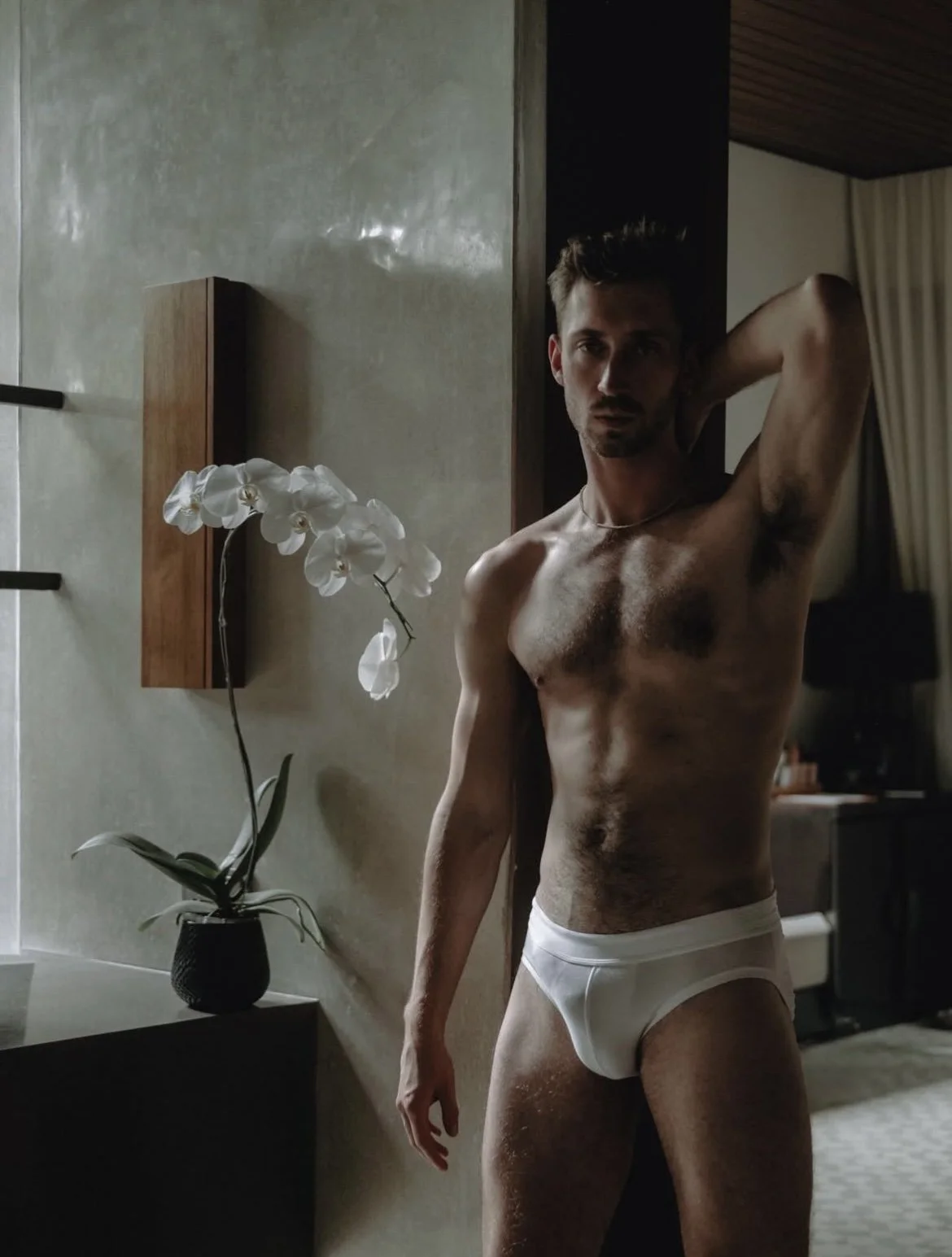
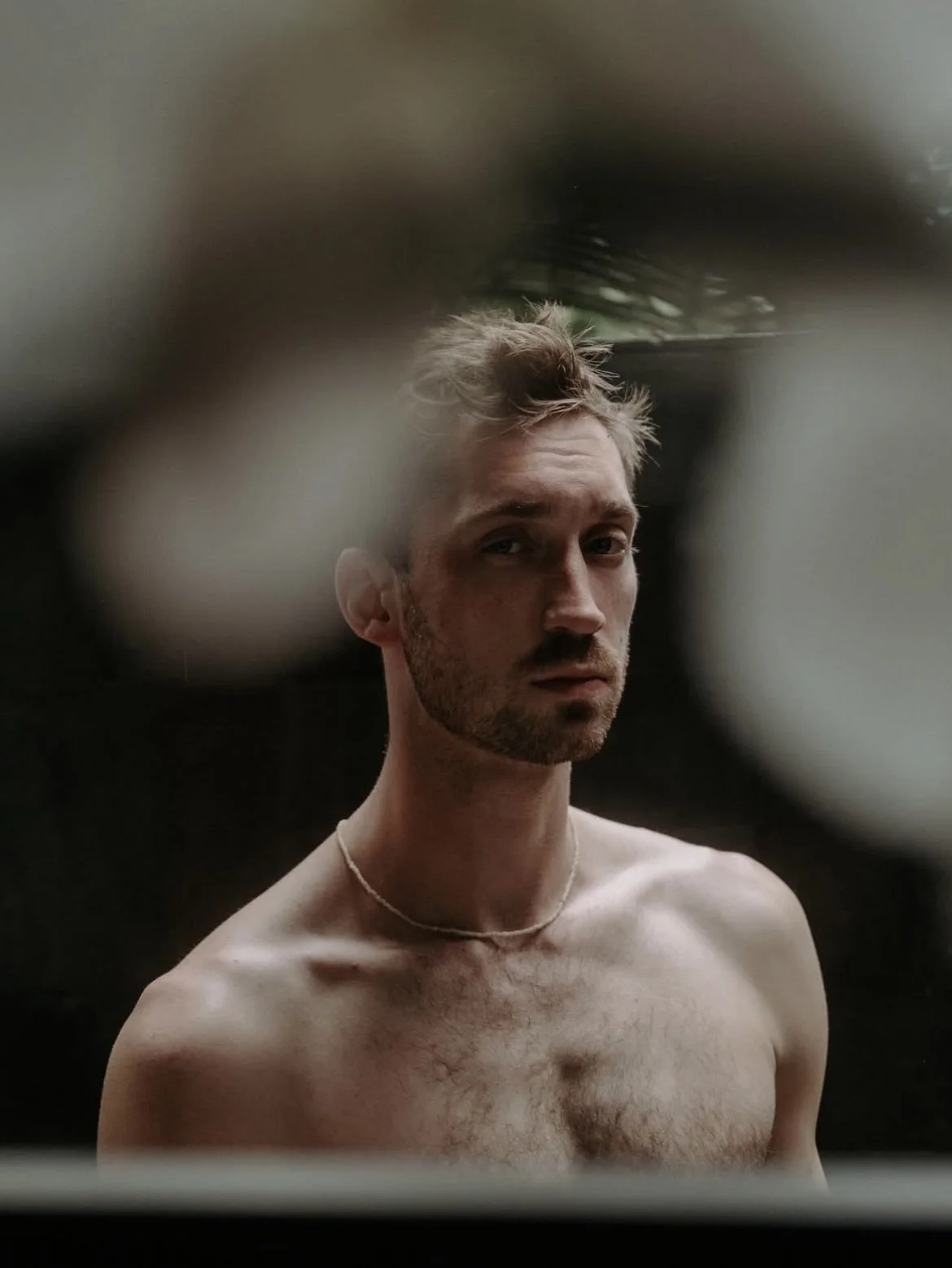
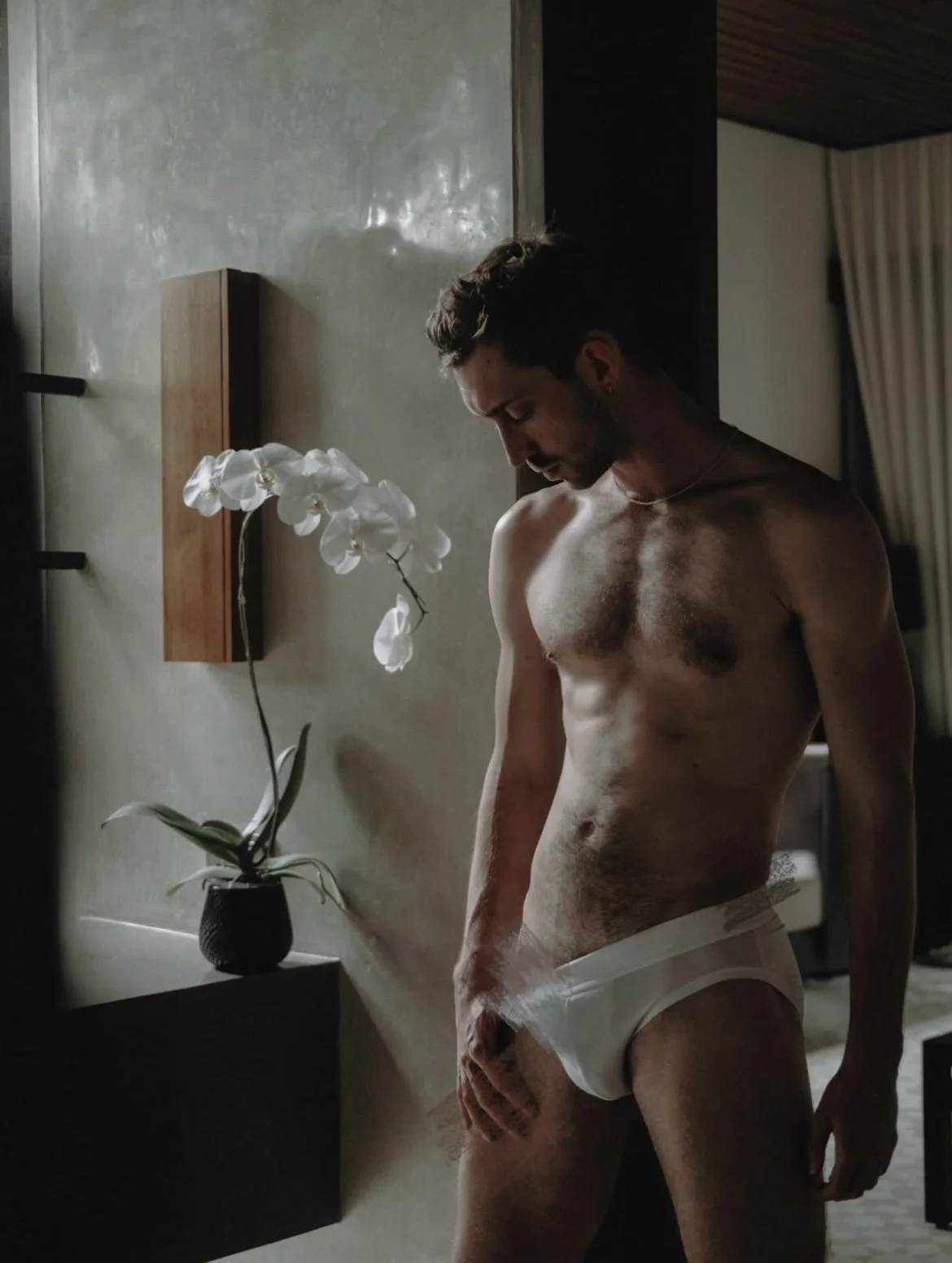
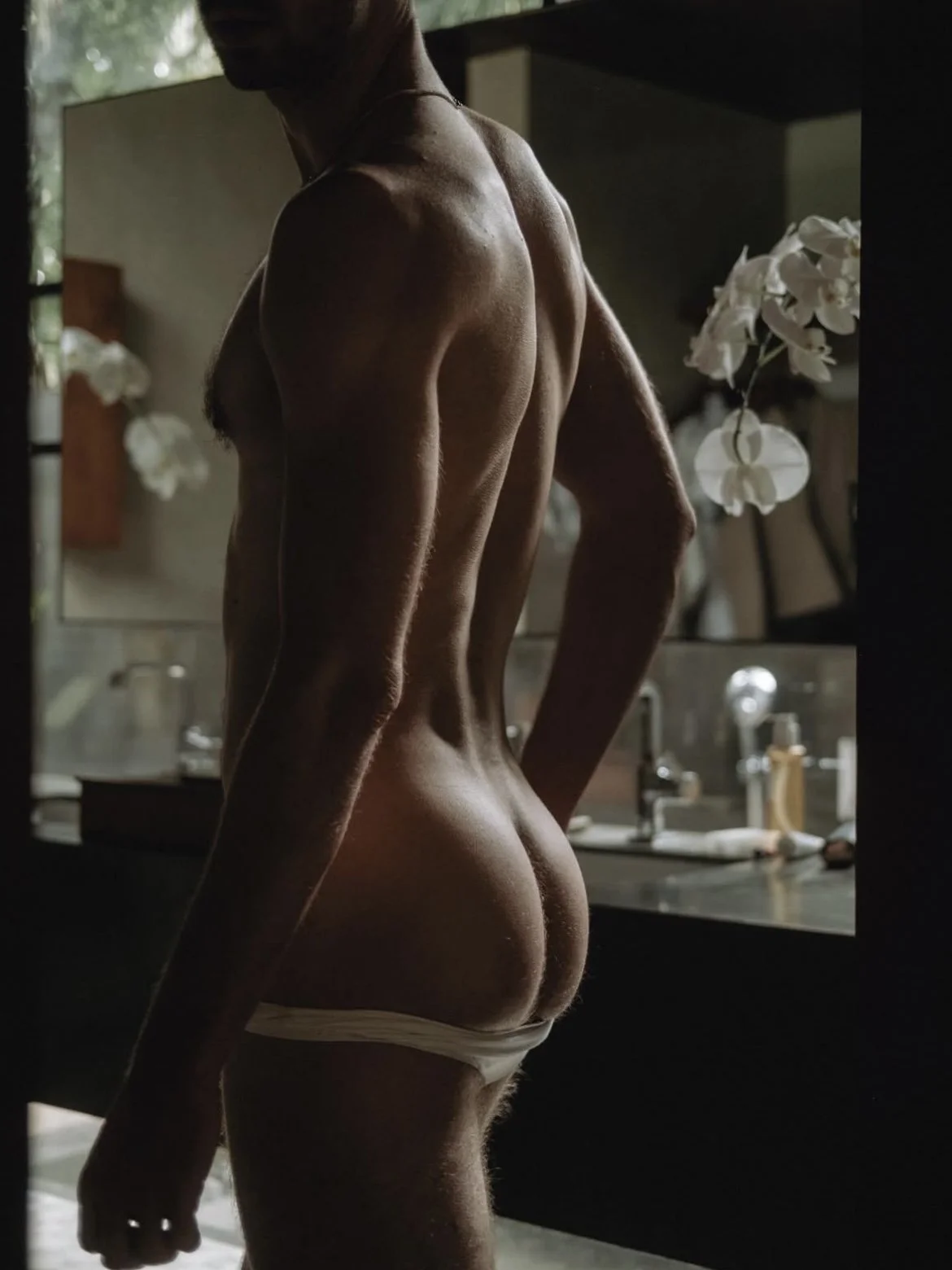
@kashubey_ by @florentographie
GWF: You work with both analogue and digital photography. What does shooting on film give you that digital doesn’t?
My first and only film camera is a Pentax MX, paired with a Helios 44-2 58mm f/2 lens made in the USSR era. I thought I knew photography until I started shooting analogue. It was through shooting film that I truly learned the technical basics of photography because everything was completely manual.
Film also gives a photograph a certain physical weight. Light interacts with the chemicals on the film to create the image. It’s pure physics. Digital images, on the other hand, can be altered from the very beginning of the process through algorithms. A film photograph often carries a stronger sense of presence. Sometimes you can almost feel the warmth of the sunlight in an image taken on film.

GWF: You shoot both black-and-white and colour. How do you decide which direction a photograph should take?
Most of the time it’s actually a technical decision rather than an emotional one.
If the environment is completely outside my control and the surrounding colors simply don’t work together, I often choose black and white. When the palette becomes impossible to harmonize whether in triadic, complementary, or analogous, black and white allows the image to focus on form, light, and composition.
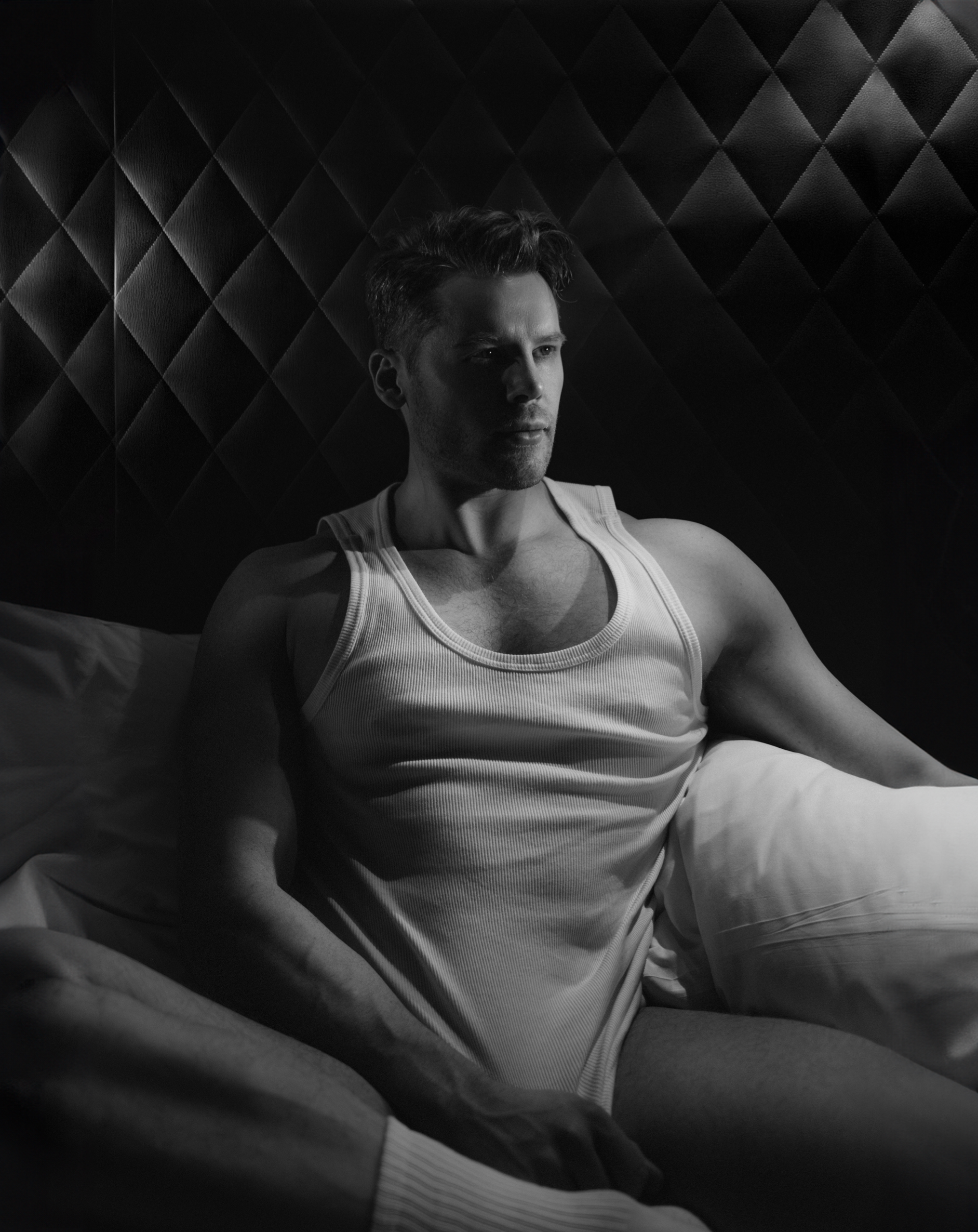
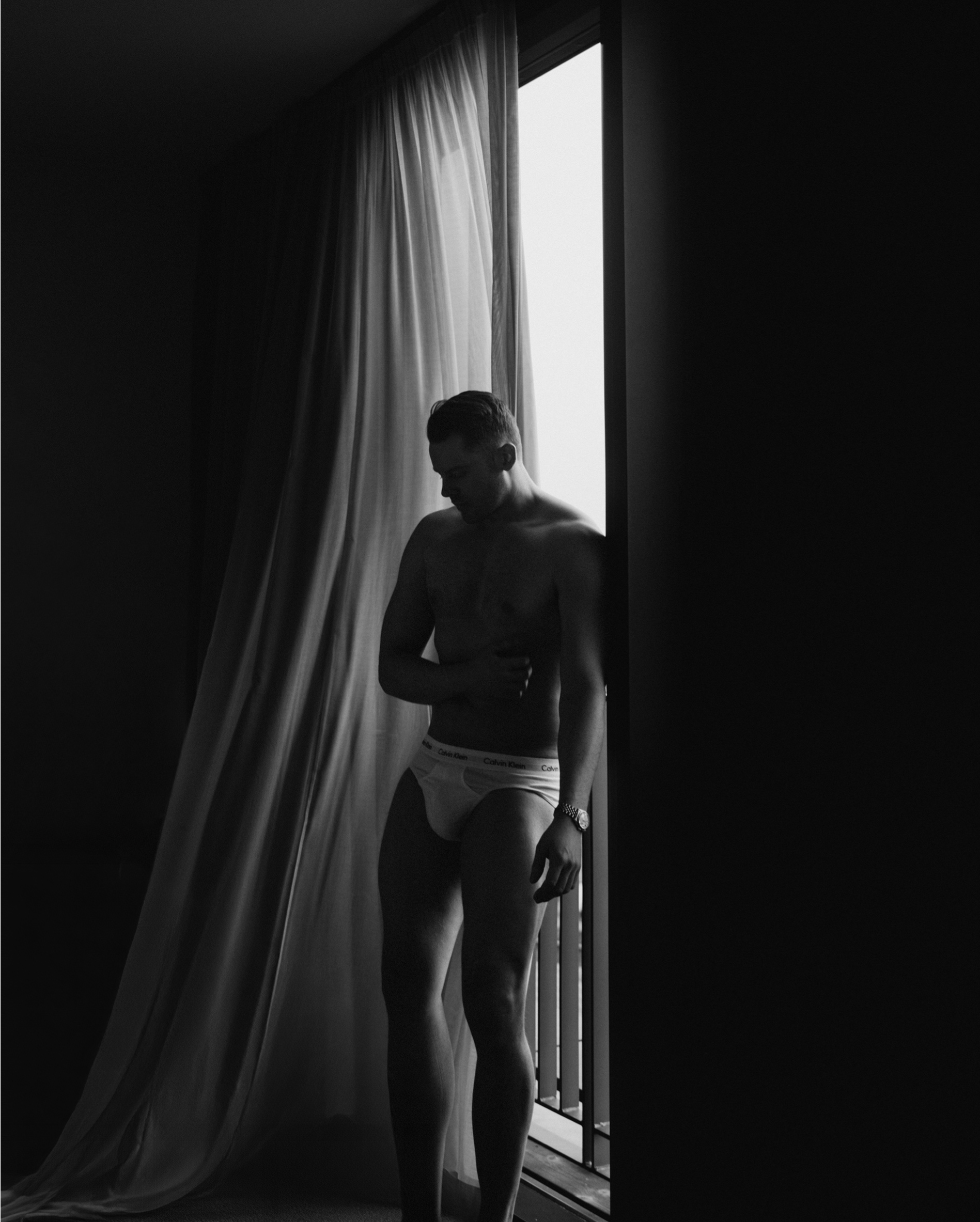
@larrsa by @florentographie
GWF: You also create intimate portraits of men. What interests you about photographing male presence and masculinity?
Quite often my models tell me that they see another version of themselves in the photos. Some discover a more vulnerable side, while others notice a kind of charisma they didn’t realize they possessed. Many of my followers are surprised to learn that most of the men I photographed have very small social media followings. People often assume they must be popular or professional models.
This contrast is what fascinates me the most. The camera can become a mirror, revealing a beauty that perhaps only the person behind the lens had noticed in the first place.
GWF: Intimate portraiture requires trust. How do you create a space where the person in front of your camera feels comfortable and open?
Trust is absolutely fundamental. The first thing I always emphasize is that their photos are safe with me. Without that understanding, nothing else works.
Before any shoot we usually have several rounds of conversation to discuss the mood, the outfit, the intended audience, and the level of intimacy we’re comfortable with. After editing, I also let the model review the photos before anything is published.
Even experienced models and creators can feel nervous in front of the camera. During the shoot I guide them constantly on how to pose, where to look. If you check the behind the scene videos posted on Instagram, you'll notice that I give continuous feedback so they feel confident in what they are doing. The goal is to create a relaxed space where they can simply be themselves.
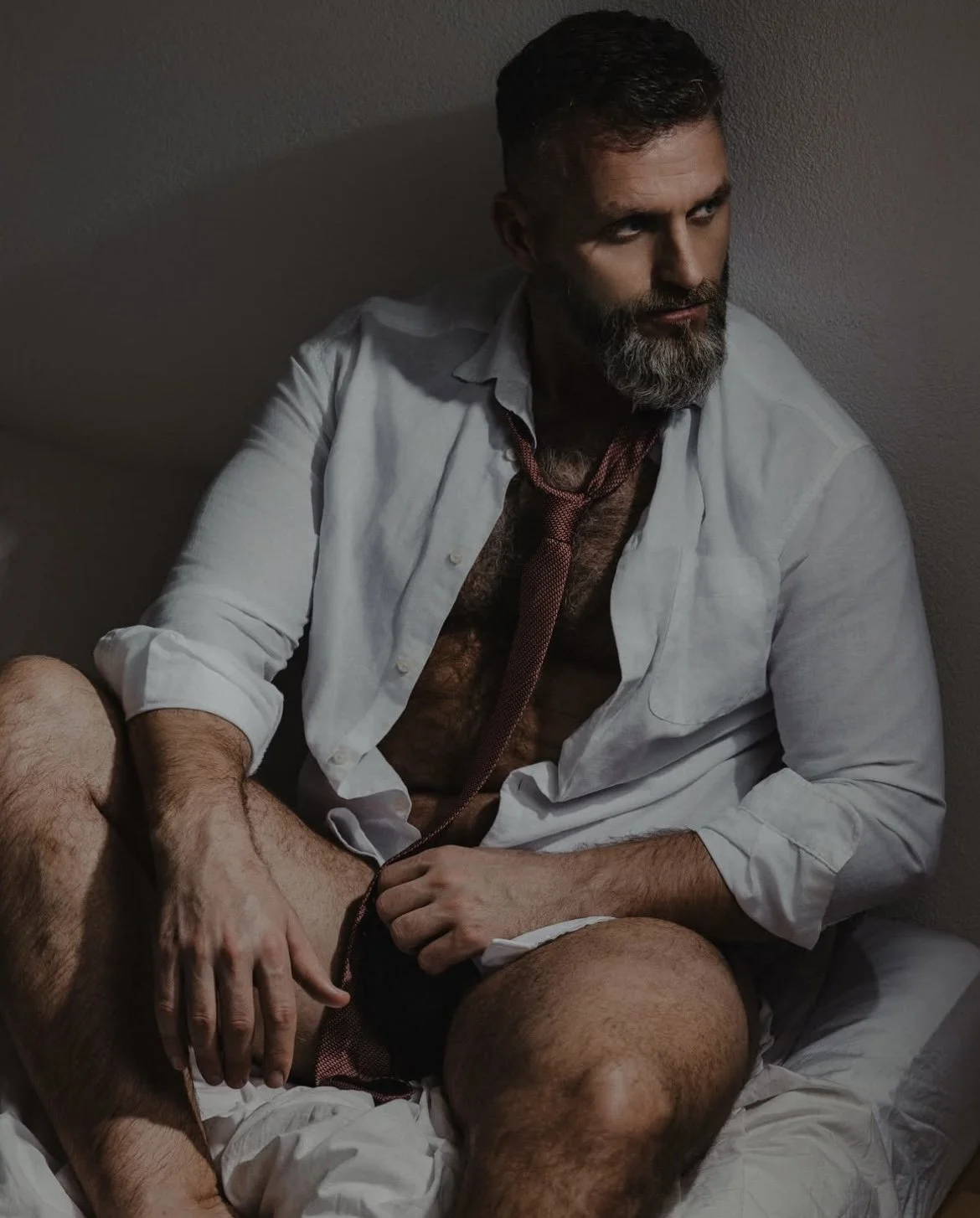
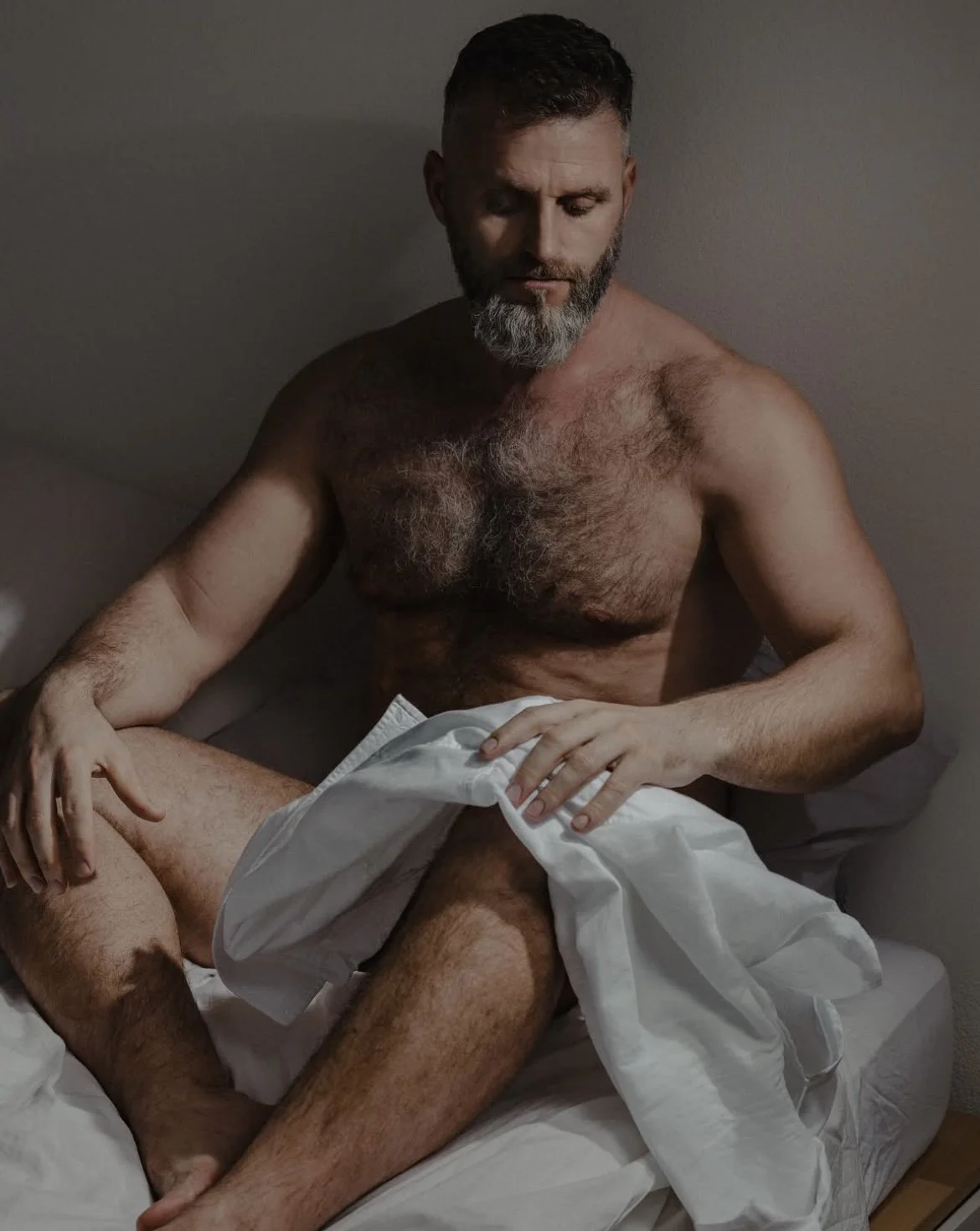
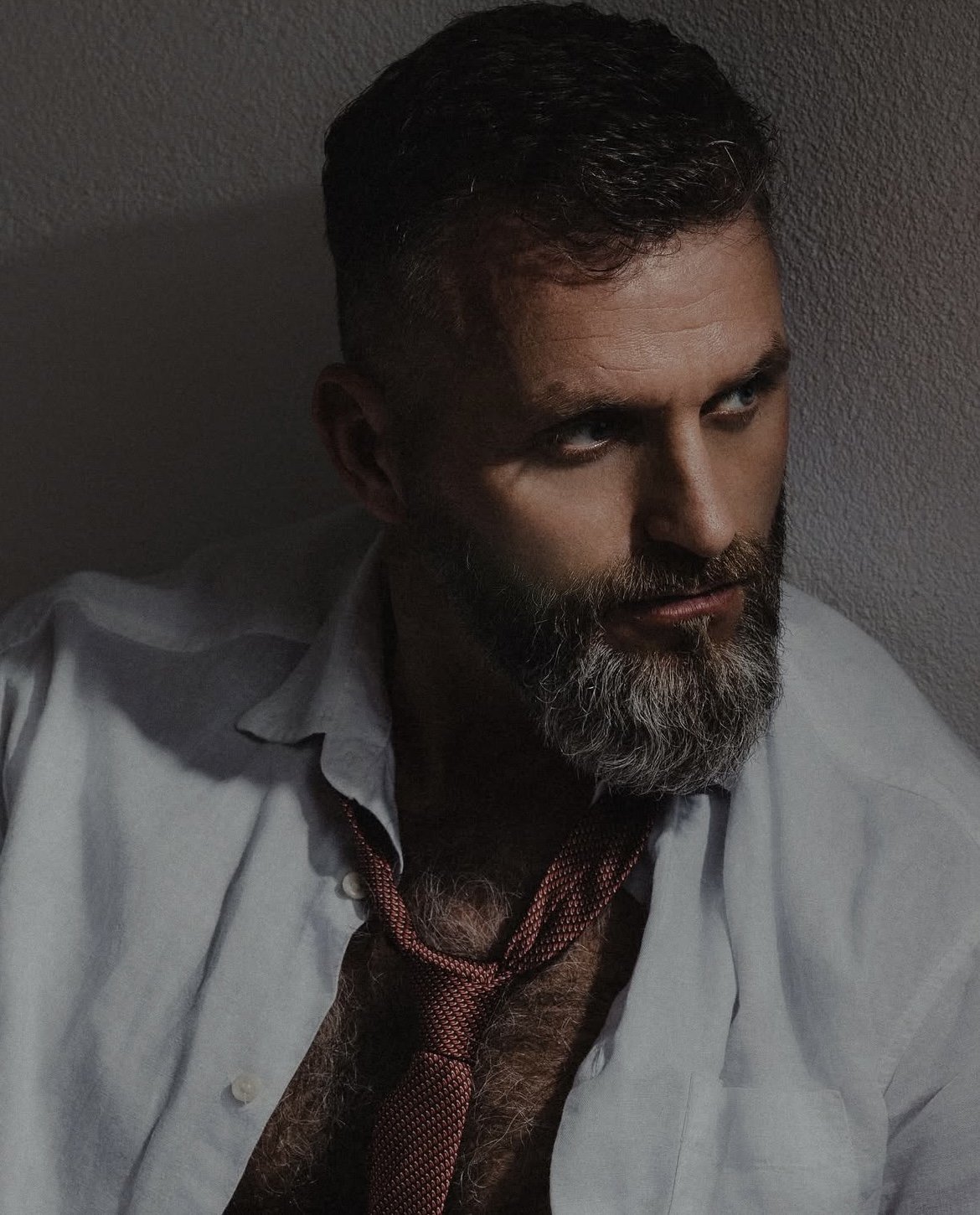
@fitnirvana_84 by @florentographie
GWF: You also work with video. What does movement allow you to express that a still photograph cannot?
I used to play the oboe when I was younger, so I’ve always listened to a lot of classical music, film scores, and neo-classical composers. That’s why many of my video portraits are accompanied by strings or piano.
Oftentimes I have images and movements emerging in my head when listening to a piece of music and it's something more nuanced that still images cannot articulate in its entirety.
So during the preparation phase of a shoot with someone, I would start imagining a small fictional narrative about his life, his background, his personality, his story. That narrative evolves during the shoot, and eventually if I'm lucky enough, the right piece of music from the bottom of my library would surface. More than half of my videos were created this way.
For example:
Daniel is a Czech fitness trainer and pilot in training. Although we did the shooting in my apartment in Zurich, the music used for his video portrait was Dvořák’s Cello Concerto in B Minor that I put on repeat when I was travelling in Prague.
Ernesto is from Mallorca, so for his video I used one of Chopin’s 24 Preludes, which Chopin composed while living on the island.
I photographed Frank at Maison d’Igor near Lausanne, once the residence of Stravinsky. I initially wanted to use Stravinsky’s music but couldn’t find the right match. While editing, Frank reminded me of Colin Firth in A Single Man by Tom Ford, so I used a piece from the film’s soundtrack by one of my favourite composers, Abel Korzeniowski.
I shot Lars in Stockholm and used music by Ludwig Göransson, the Swedish composer who won an Oscar for the score of Oppenheimer.
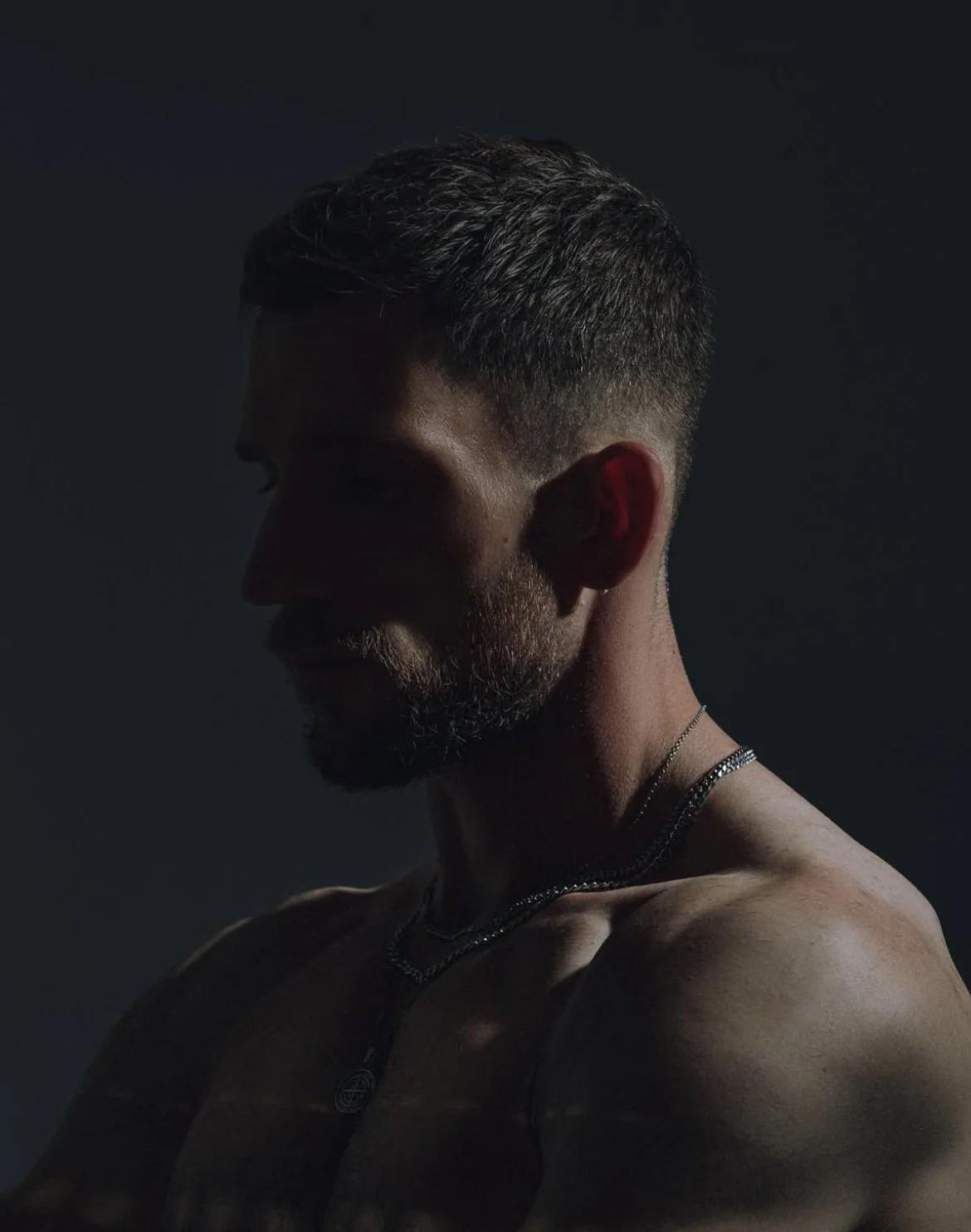
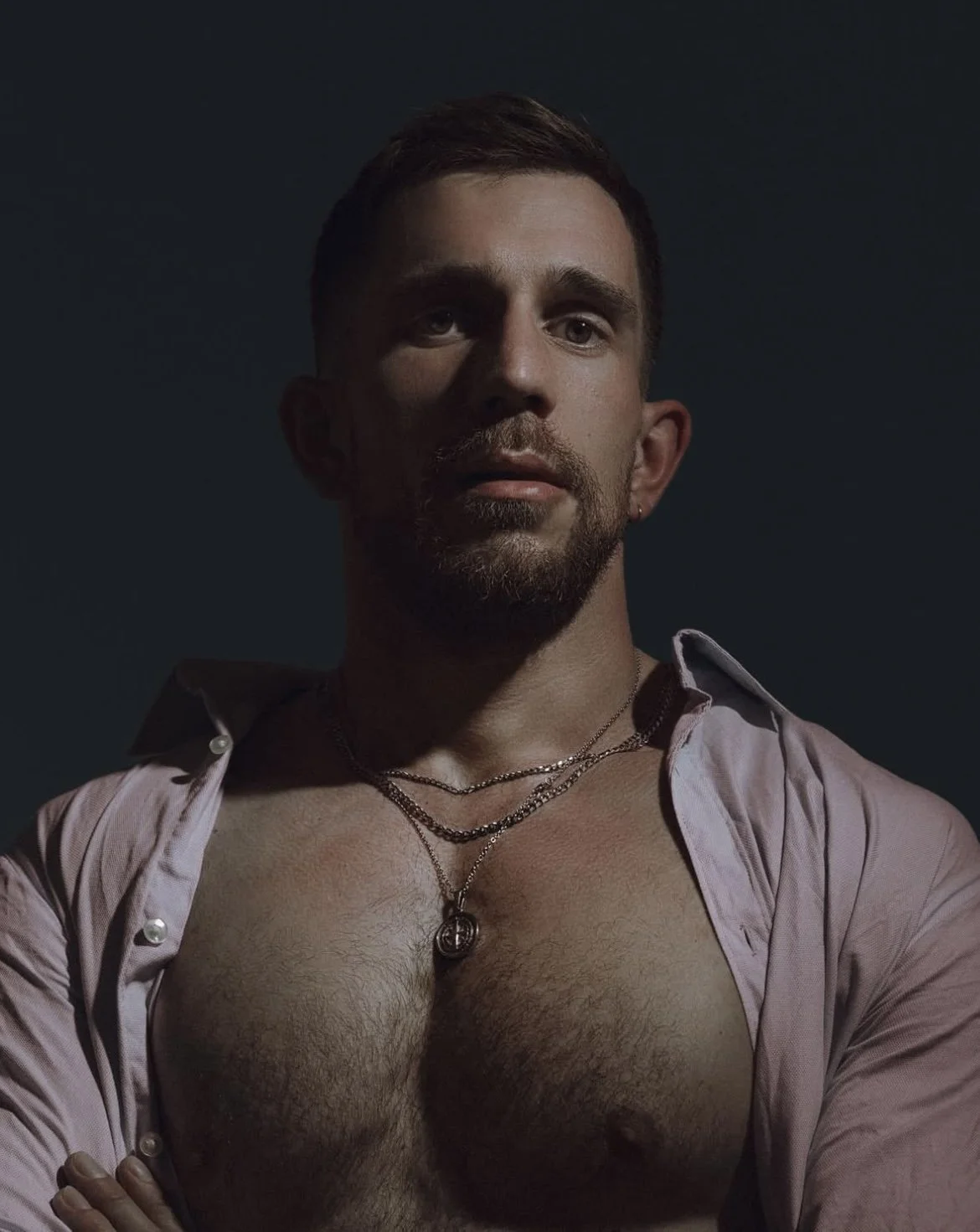
@supergeoff by @florentographie
GWF: When someone looks at your work for the first time, what feeling or atmosphere do you hope stays with them?
We live in a time when everyone carries a high-resolution 4K camera in their pocket, and homemade explicit content is pervasively accessible on an unprecedented scale. I hope people would stop scrolling for two seconds and find beauty and serenity behind the sensuality and eroticism of my work.
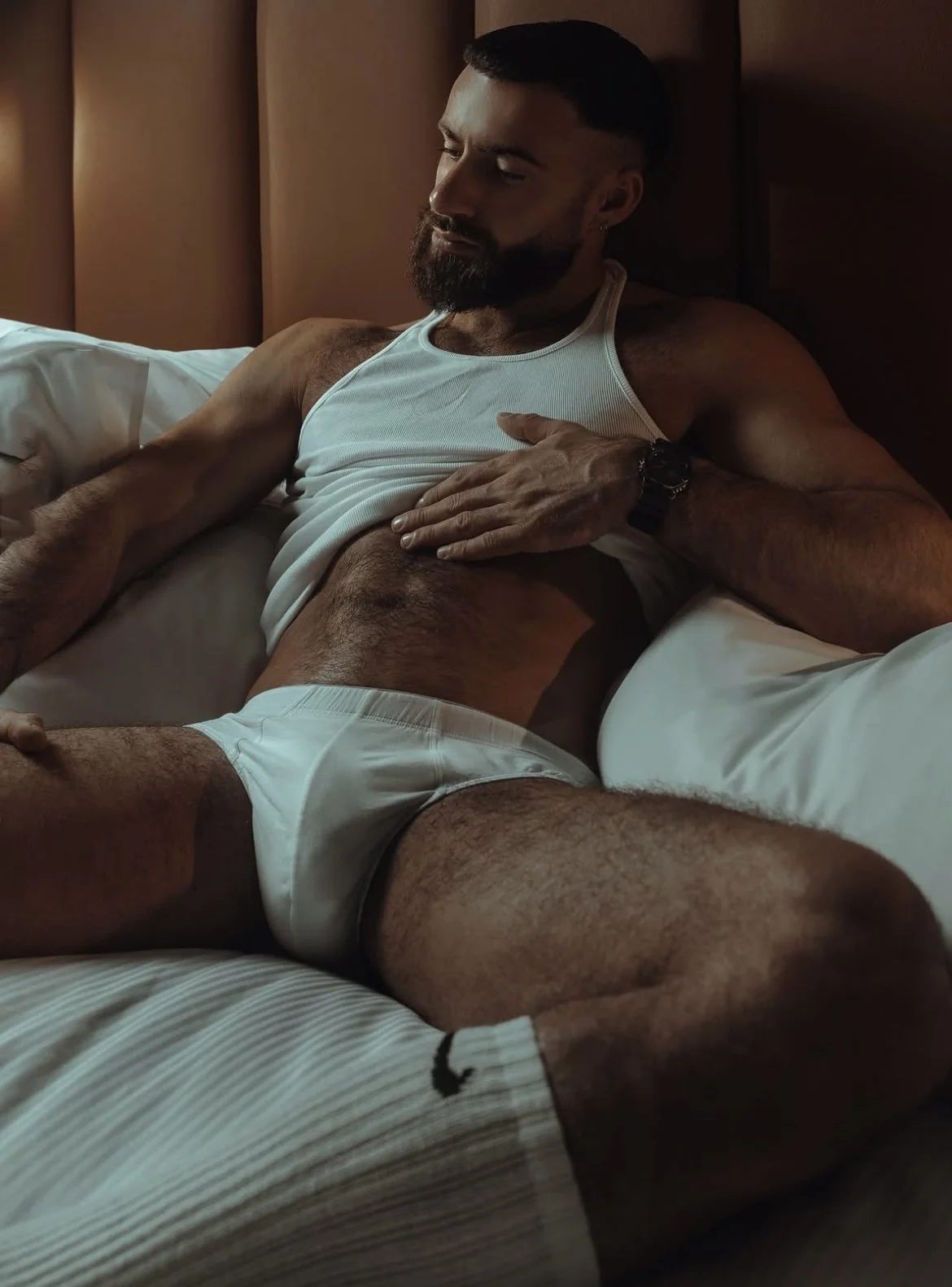
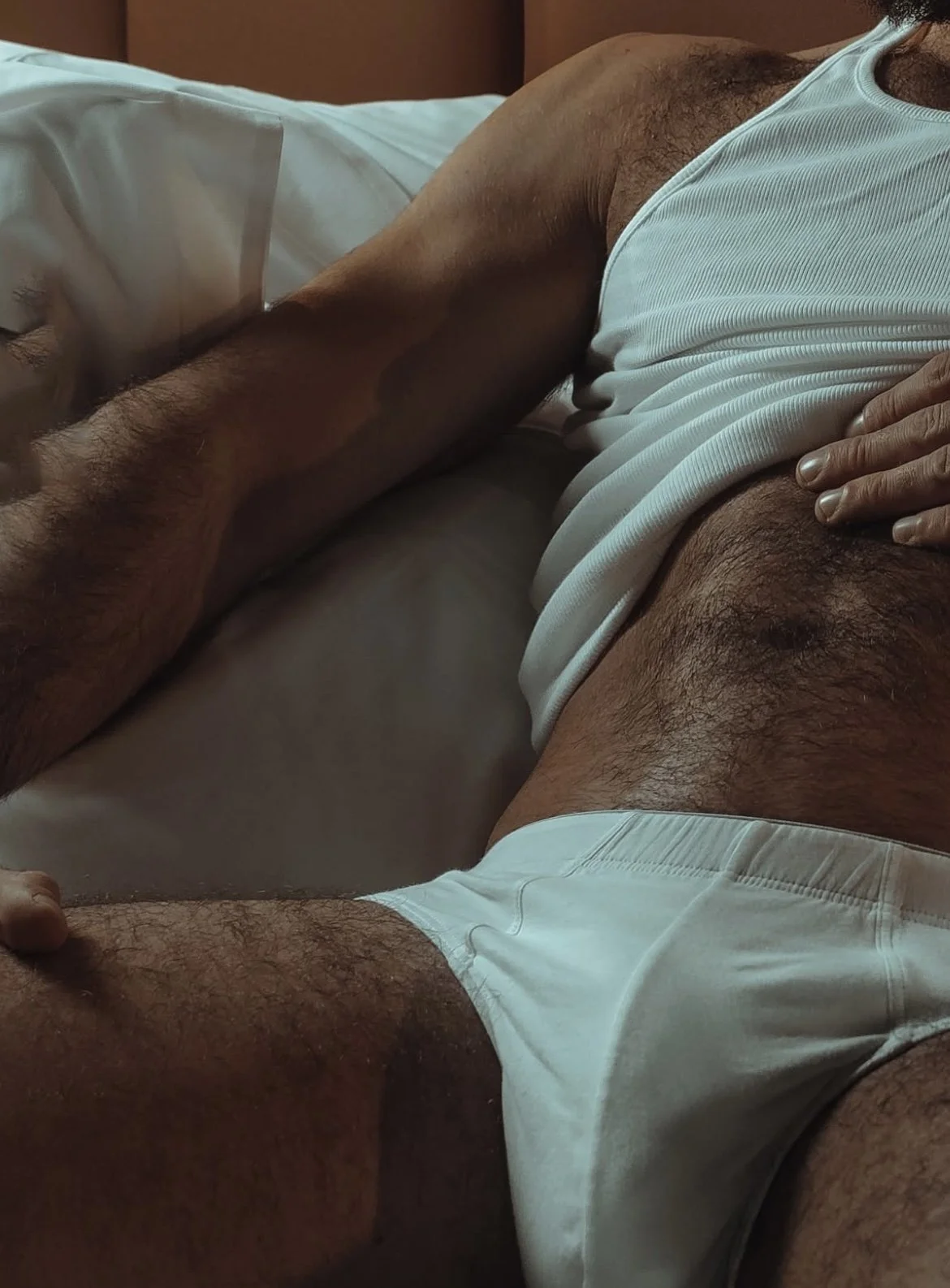
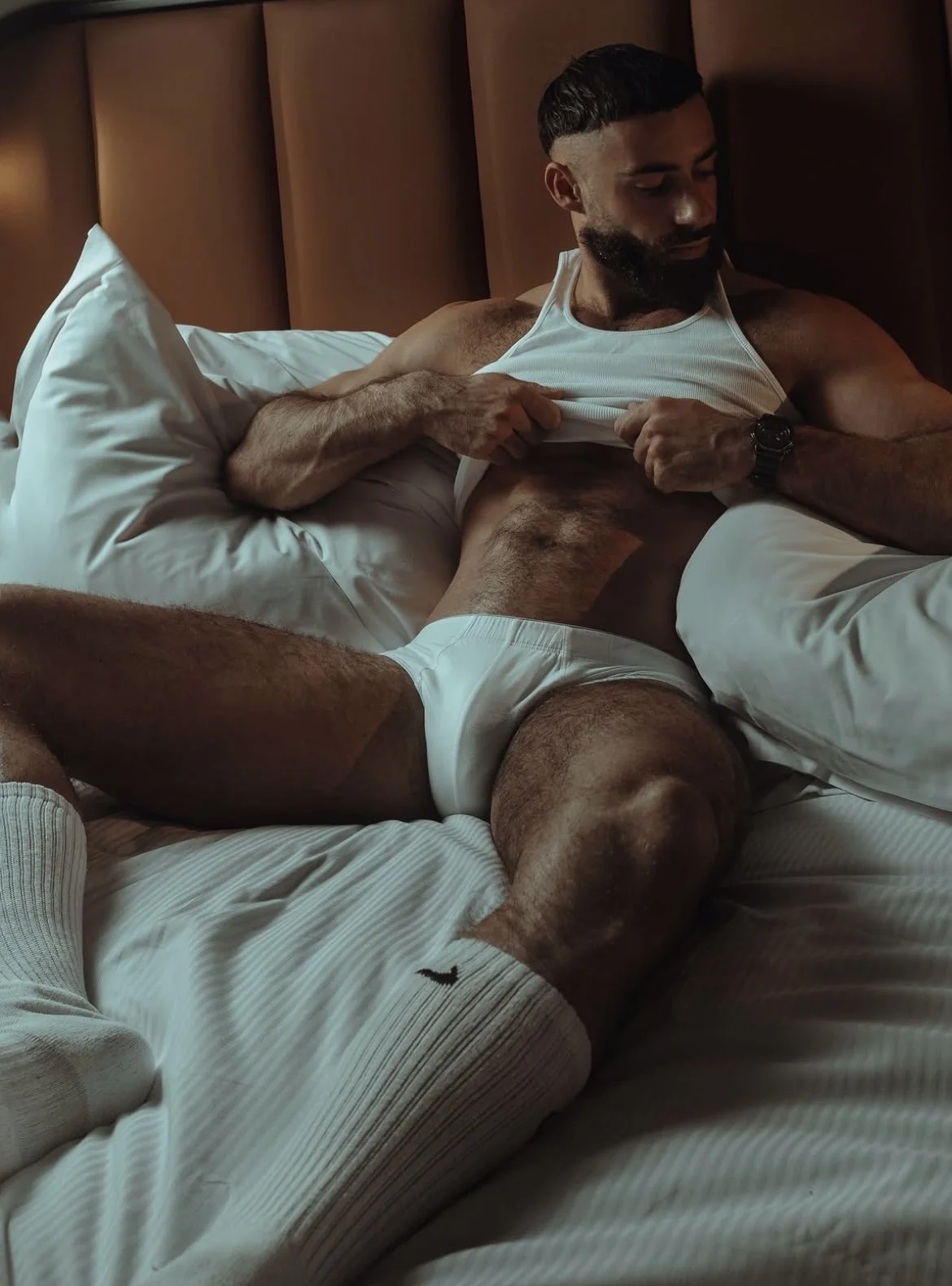
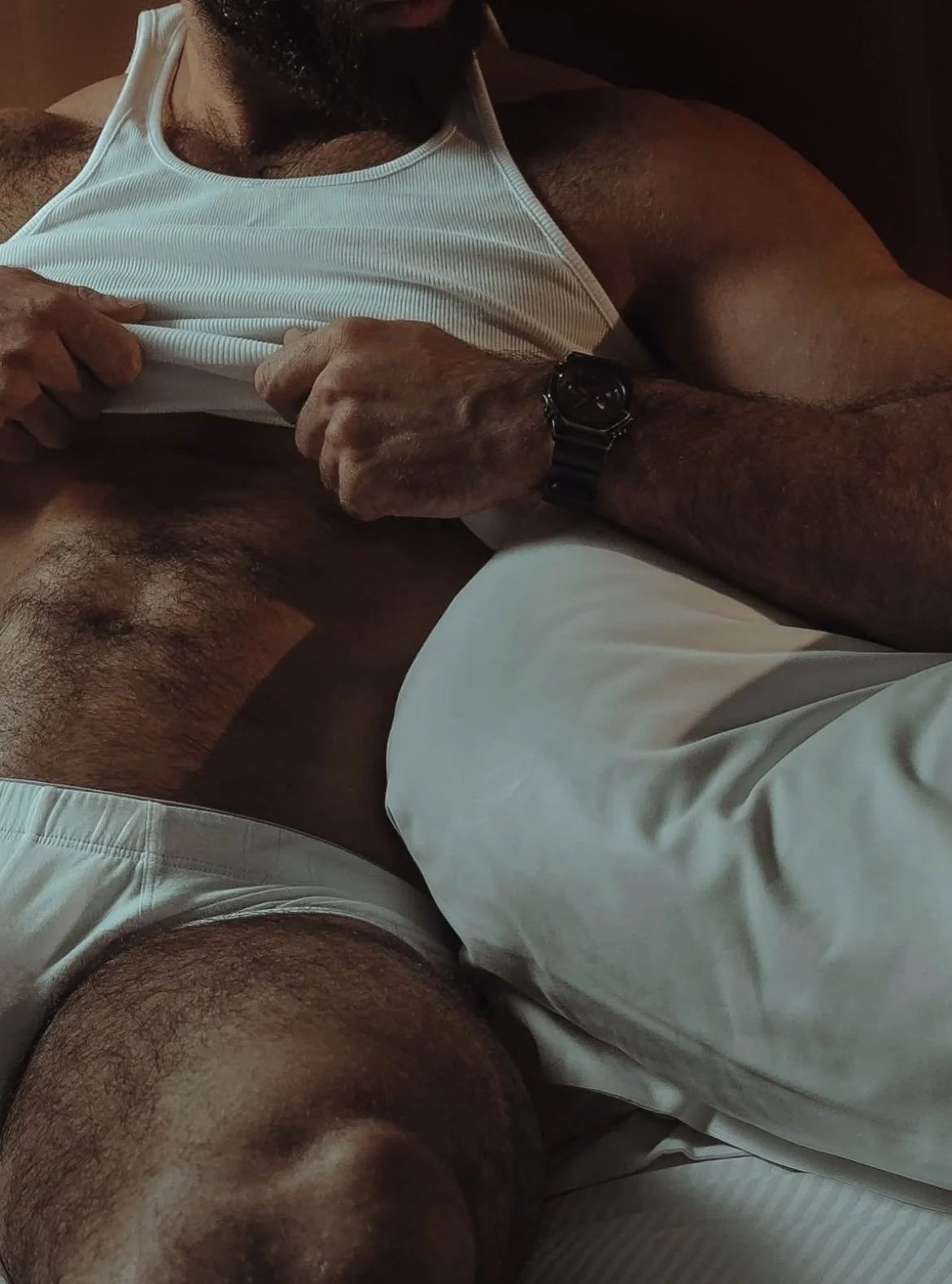
@maximeppn by @florentographie
GWF: Is there a new project or creative direction that you’re currently dreaming about?
At the moment I would place my work somewhere between intimate and homoerotic photography, and I’m interested in pushing it toward something more audacious and explicit.
I recently read a posthumous memoir by a gay adult film director, which made me nostalgic for what people often call the golden age of gay adult cinema from the 1980s to the early 2000s. Back then, gay erotic films often had thoughtful lighting, cinematography, and storytelling. Today much of the industry has shifted toward self-produced phone videos with minimal visual or artistic direction.
Recently I’ve been collaborating with several creators who are just starting their platforms on Twitter and OnlyFans. I’m still editing those videos, but I hope the final result might offer a slightly different visual language for explicit content.