HELDER AMORIM: Exploring Masculinity Through Printmaking
In the studio-lined heart of Goiânia, Brazilian printmaker Helder Amorim carves, inks, and presses images of men into being — transforming wood, metal, and memory into intimate explorations of masculinity, desire, and the layered construction of identity
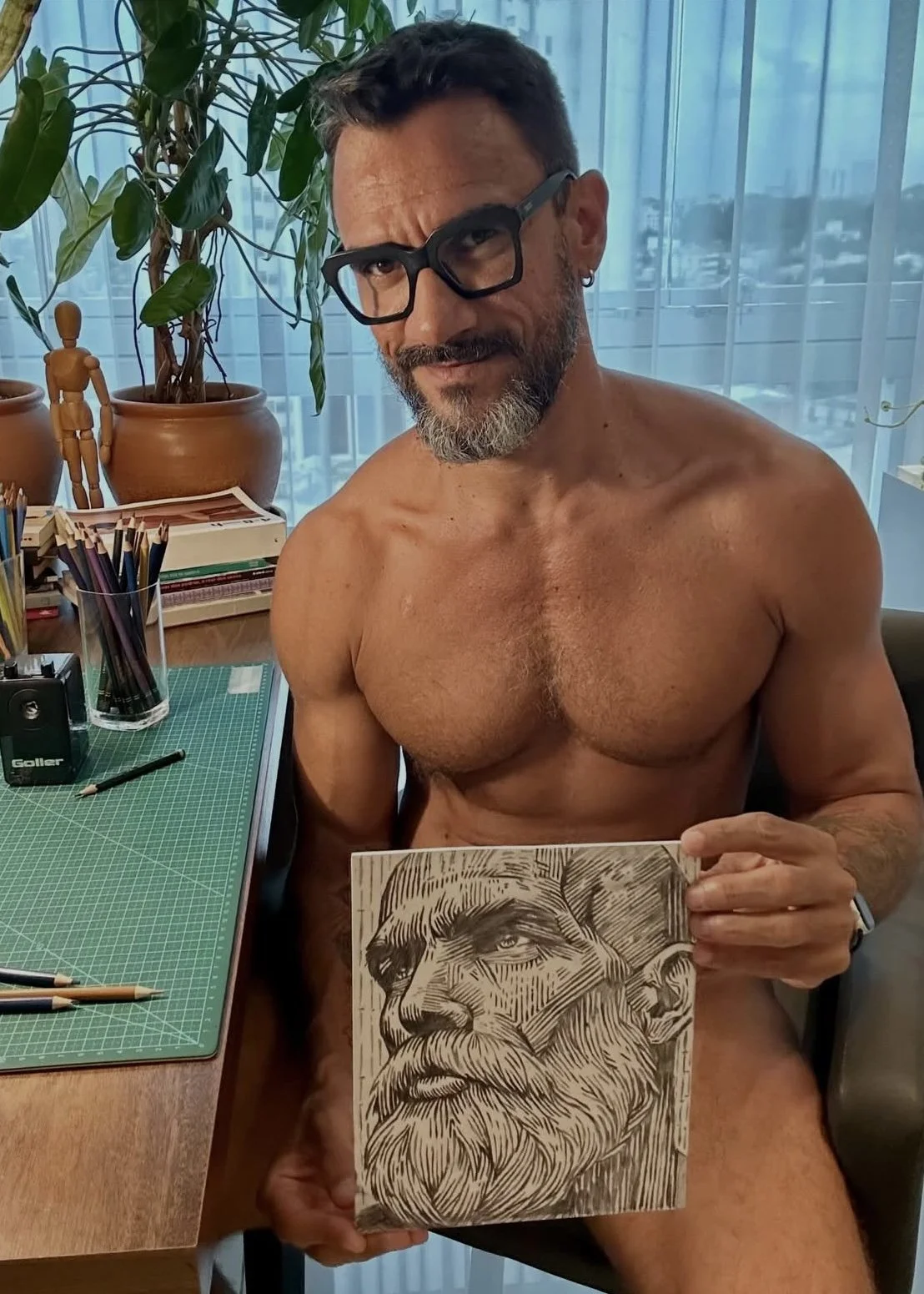
GWF:Please introduce yourself — who are you, where are you based, and what has been your educational path in the arts?
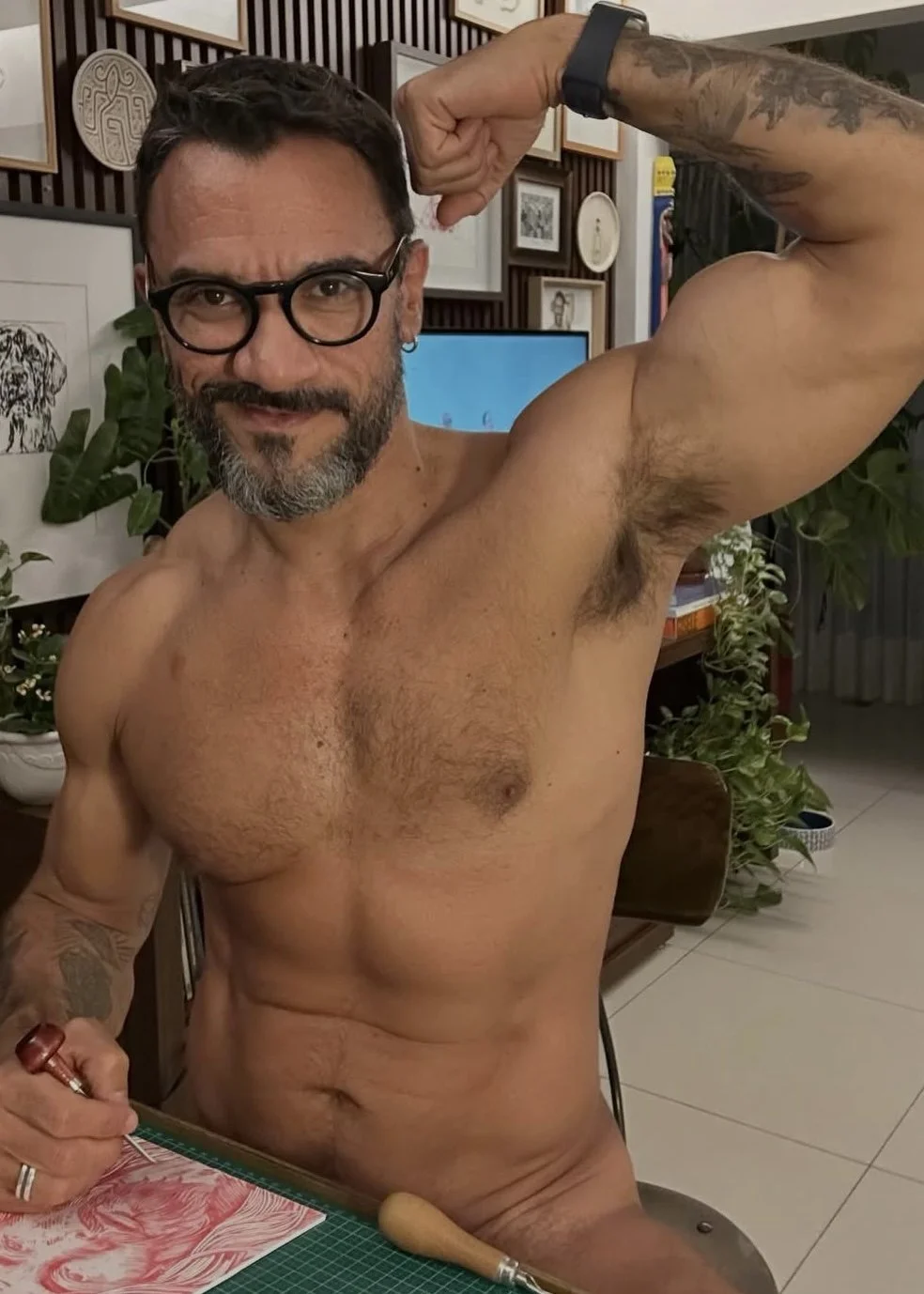
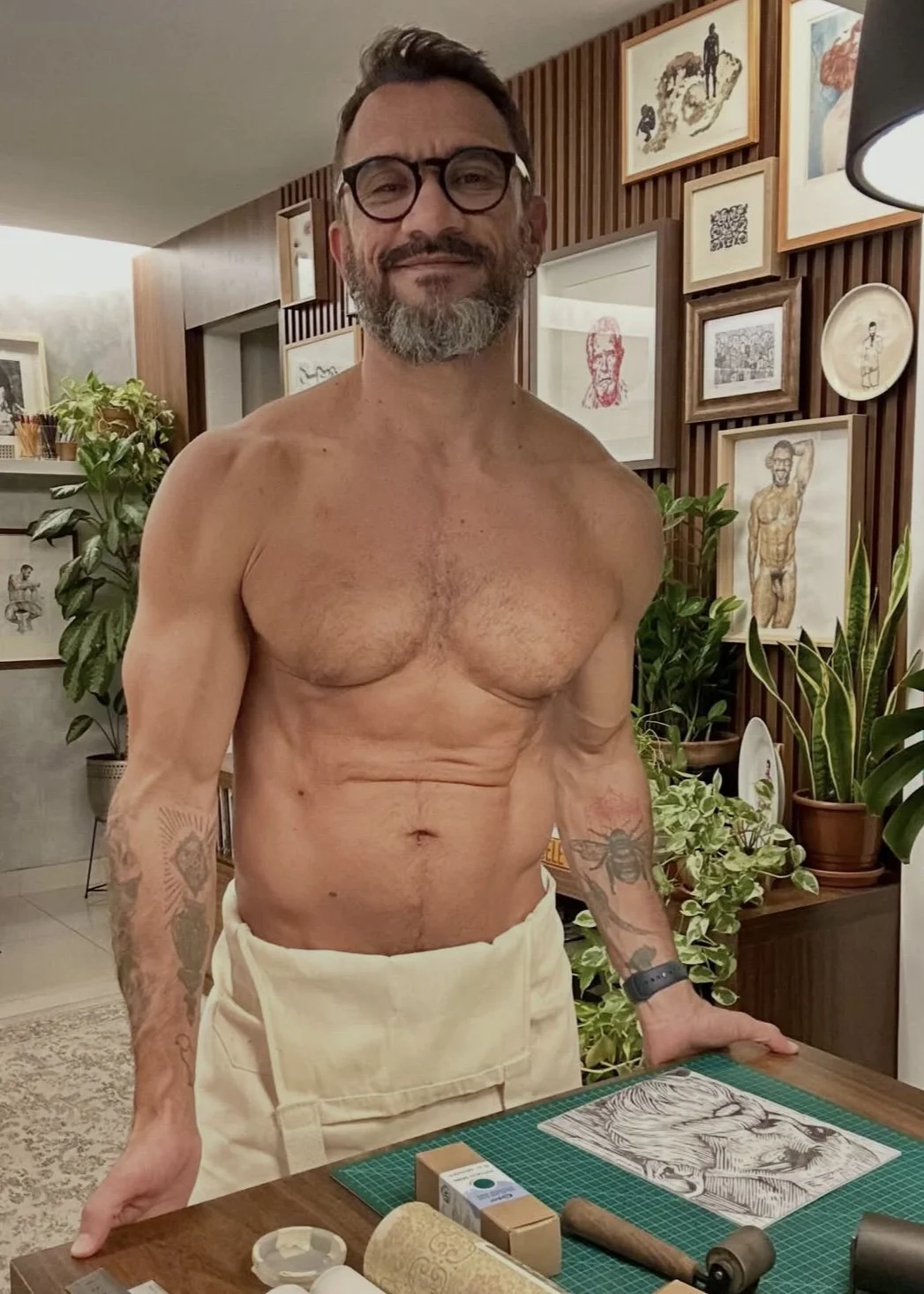
My name is Helder Amorim. I am Brazilian, and it is in Goiânia — a city that pulses in the heart of Brazil — that I live and work, among presses, papers, and the silences of the studio.
I hold a degree in Visual Arts from the School of Visual Arts at the Federal University of Goiás, where I also completed a Master’s degree in Art and Visual Culture, deepening paths that were already emerging in my practice.

GWF: Where has your work been presented over the past years, and in what different contexts has it appeared?
Over the past fourteen years, my works have crossed borders, participating in solo and group exhibitions in Brazil, France, and Peru. I have also engaged in dialogue with the written word through illustrations published in journals dedicated to discussions of gender and sexuality.
GWF: What themes and techniques define your artistic practice, and what draws you to printmaking as your primary medium?
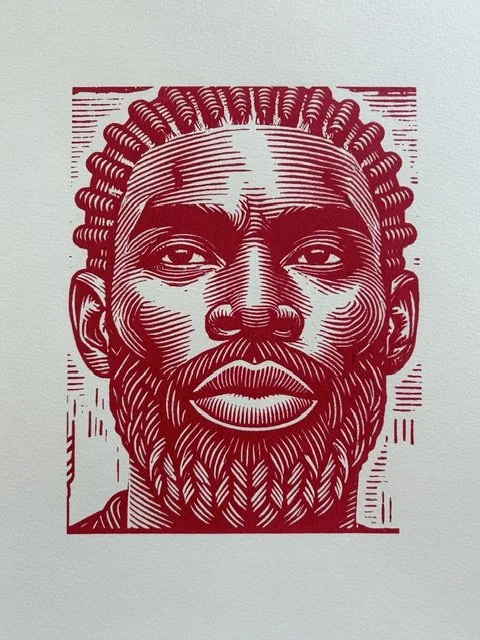
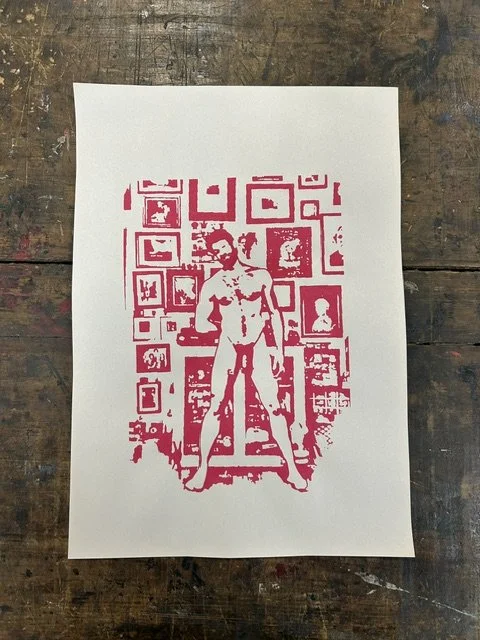
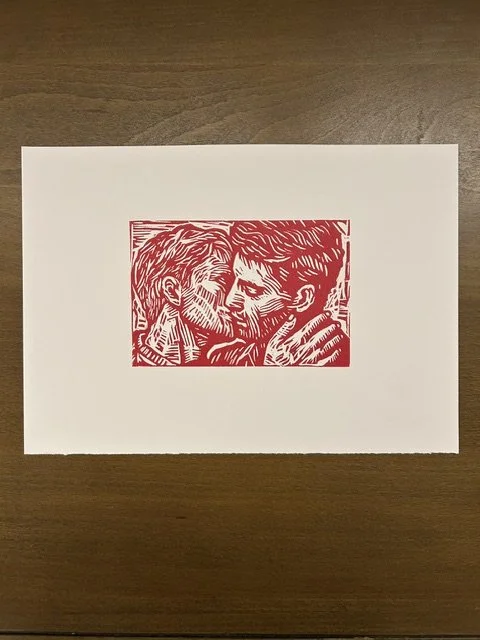
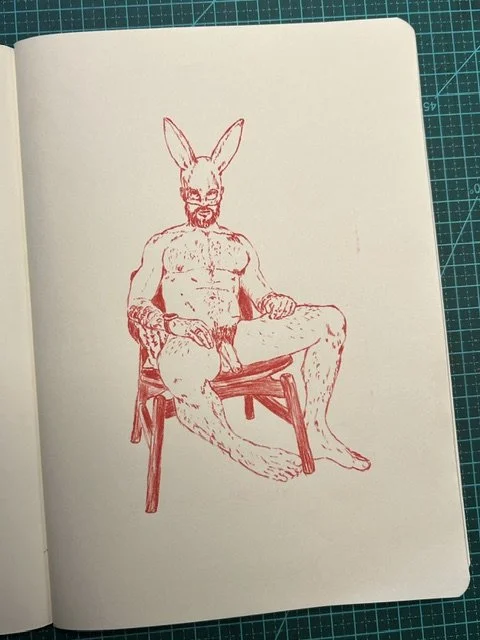
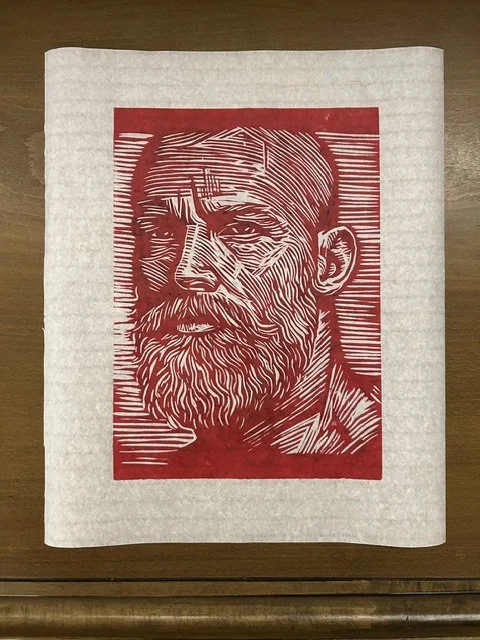
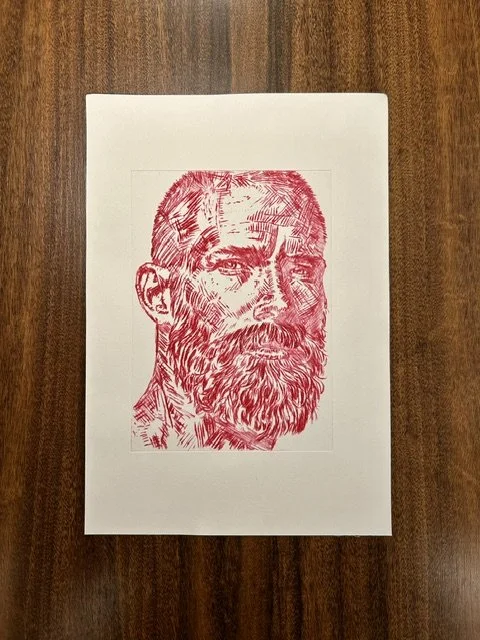
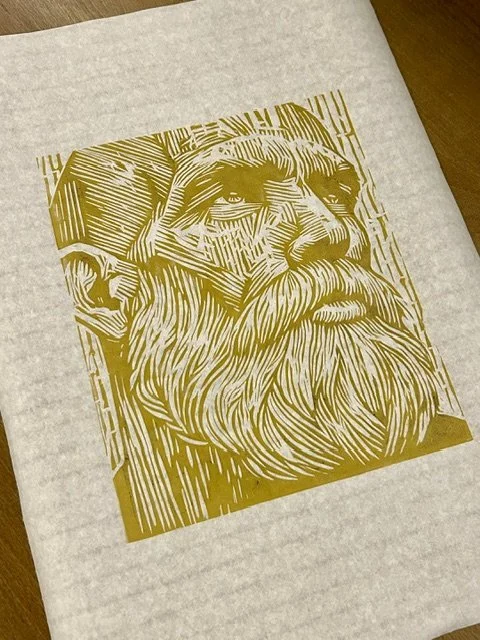
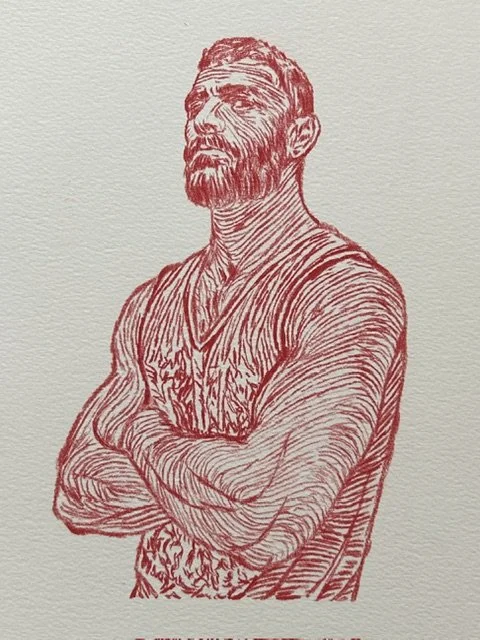
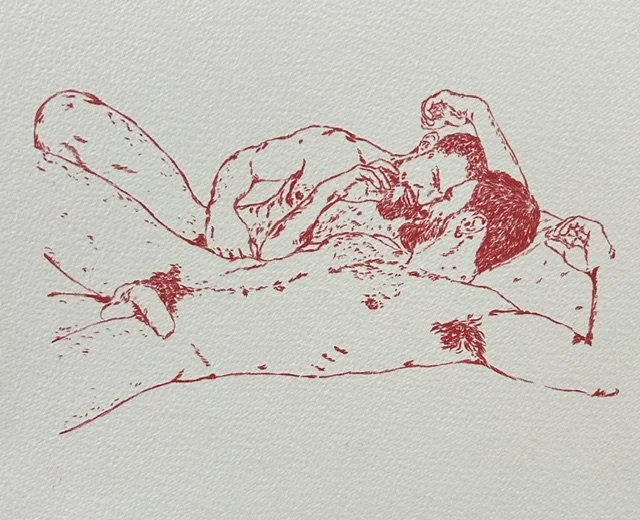
My artistic production investigates masculinity as a sensitive, symbolic, and desiring territory, explored through the language of printmaking — in both traditional and alternative techniques such as woodcut, linocut, and metal engraving. Through cuts, incisions, and impressions, I seek to reveal layers of the body and identity, making the image a field of reflection and affect.
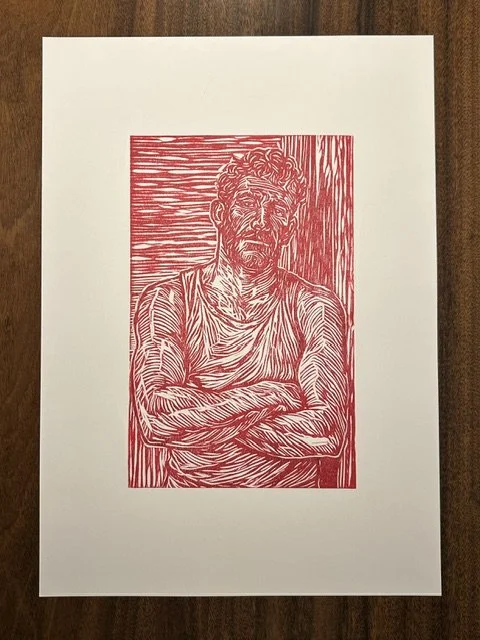
“I research images of men who, in some way, move through me”
GWF: Can you describe your printmaking process
Like printmaking itself — an indirect process of creation — my practice is structured through layers of mediation. The image is not constructed directly on the final surface; instead, it is first developed on a matrix — whether wood, metal, stone, or another material — and only later transferred onto paper through printing.
GWF: Do you work with live models, or how do you develop the images and figures that appear in your work?
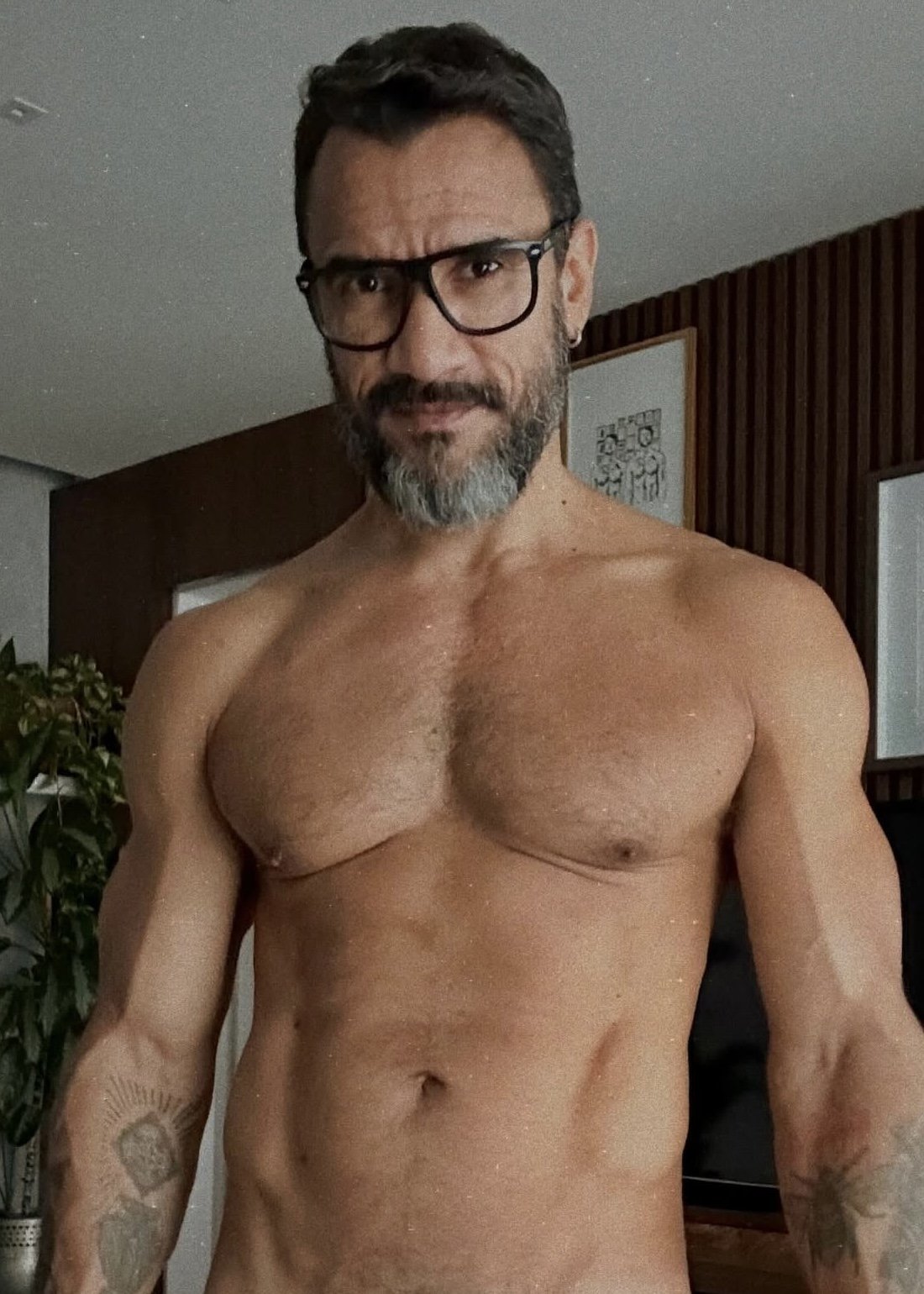
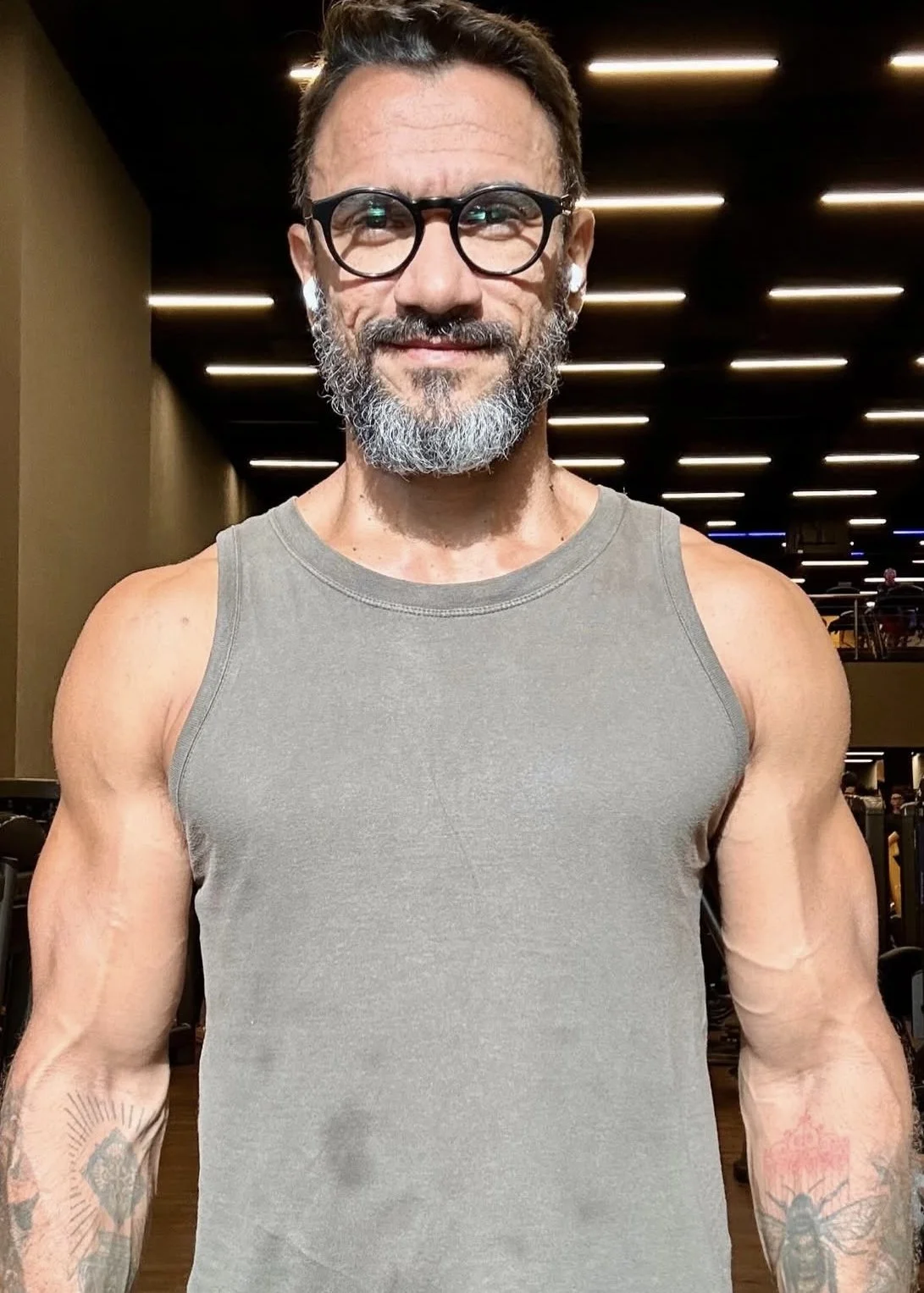
I do not work with live models; rather, I use photographs as poetic references and as a starting point for constructing my images. These photographs are not copied literally, but reinterpreted and transformed in the process of developing the matrices. I research images of men who, in some way, move through me. They are figures that awaken attraction, that belong to the visual universe I consume, and that compose my affective repertoire. This is not merely a matter of representation, but of relation: these presences tension the gaze and nourish my construction of the masculine.