
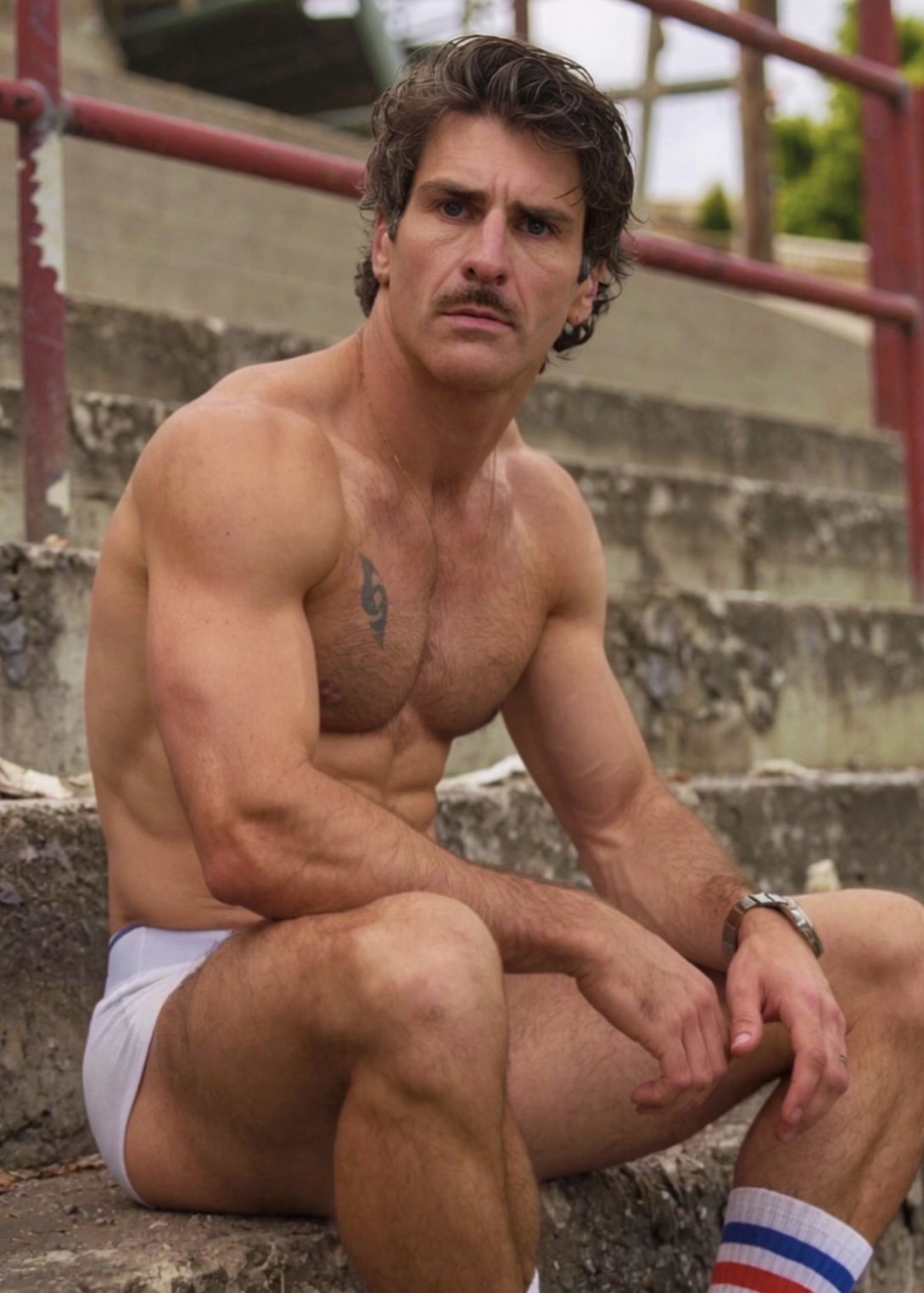
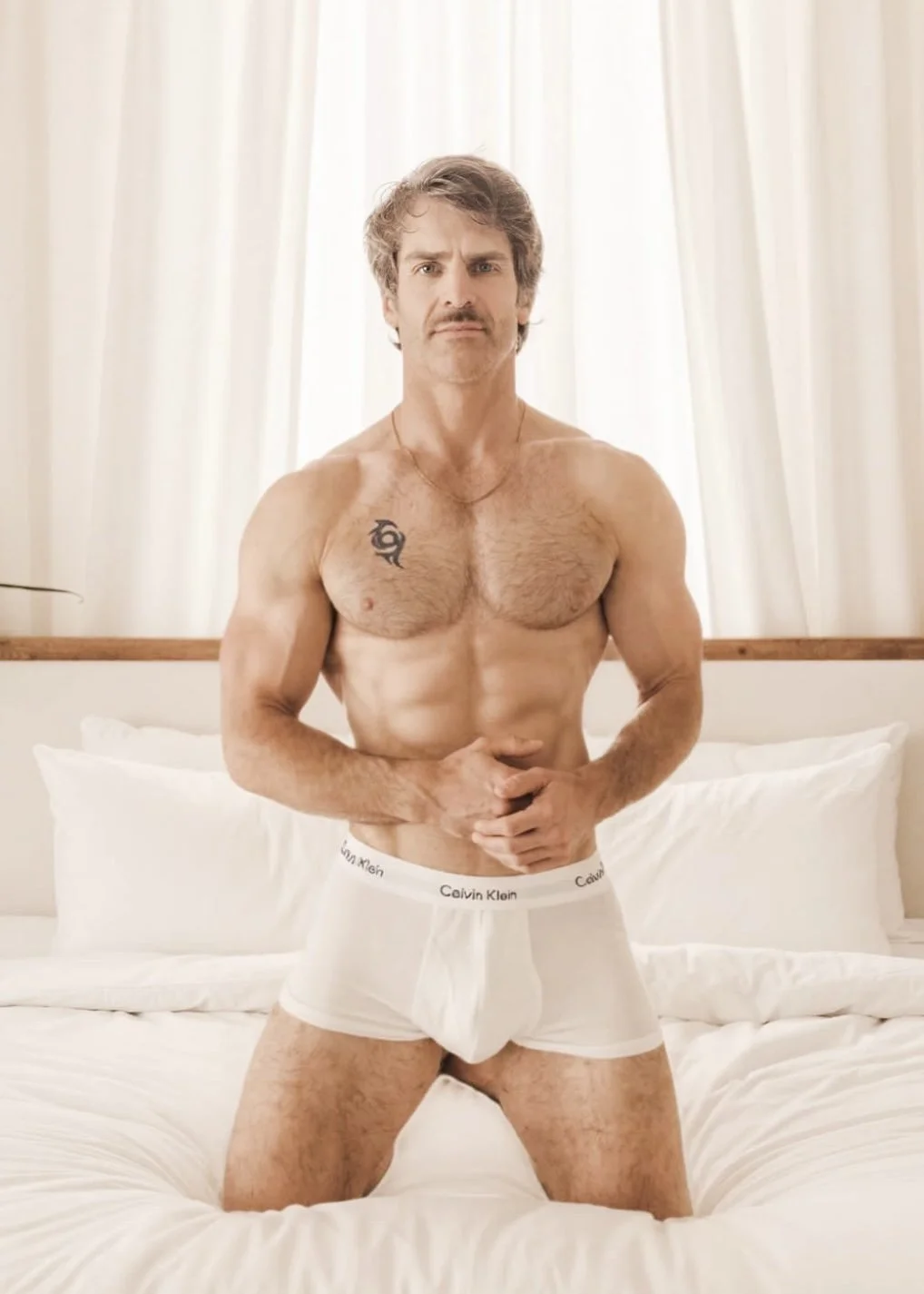
At 44, Brussels-based wellness creator Niel is in the best shape of his life. From daily beer, partying and frozen pizzas to smart training, plant-based living and more than two years sober, his story shows how small, lasting changes can help you get stronger, fitter and healthier at any age.
GWF: Tell us who you are, and how you would introduce yourself today as a midlife wellness creator?
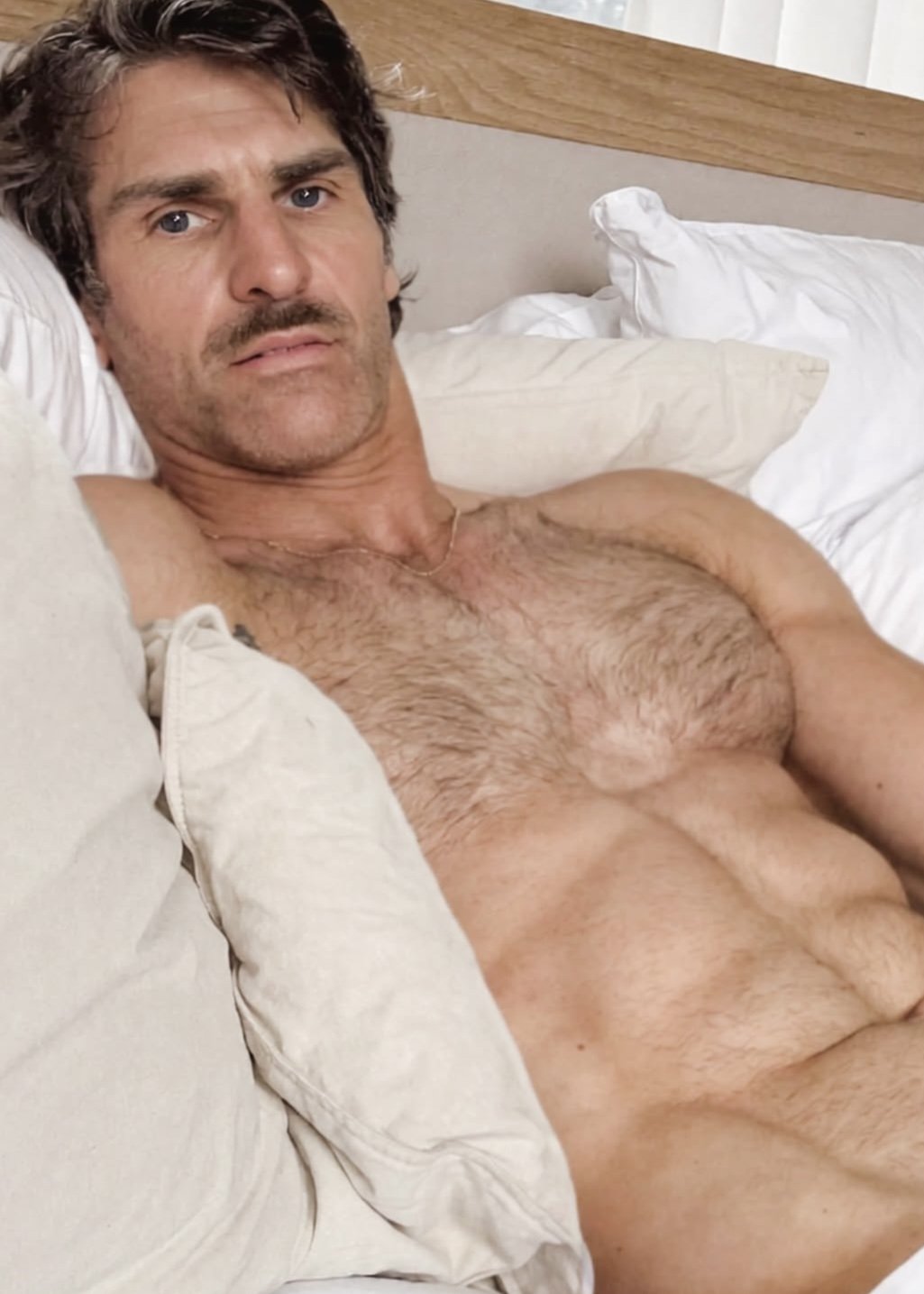
Hi, I'm Niel. I'm 44 this year and I'm based in Brussels. As a midlife wellness creator, I make content that's a mix of funny, informative, and yes, sometimes a bit sexy. But what really drives everything I do is inspiration: inspiring people and staying inspired myself.
GWF: You started training only in your 30s, after a very different lifestyle earlier in life. What led to that shift, and what was the turning point where sport entered your life seriously?
Before my thirties, I was basically a skinny mess and I say that with complete affection for who I was back then. My diet was a disaster: frozen pizzas, burgers, ice cream, pretty much anything fast and convenient. I was drinking beer almost every single day, and my weekends were dedicated to partying until the early morning hours. Health and fitness? Not even a blip on my radar.
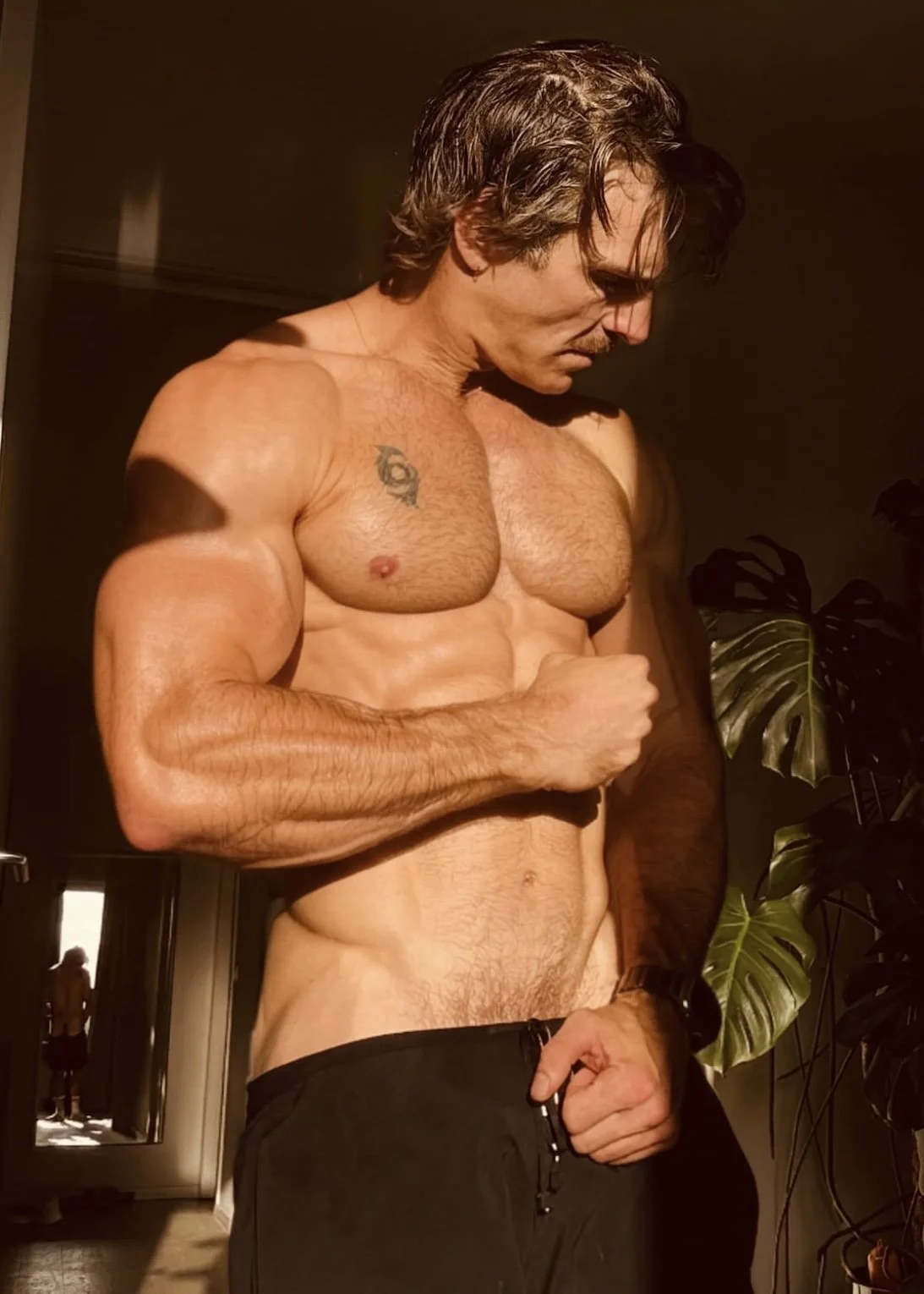
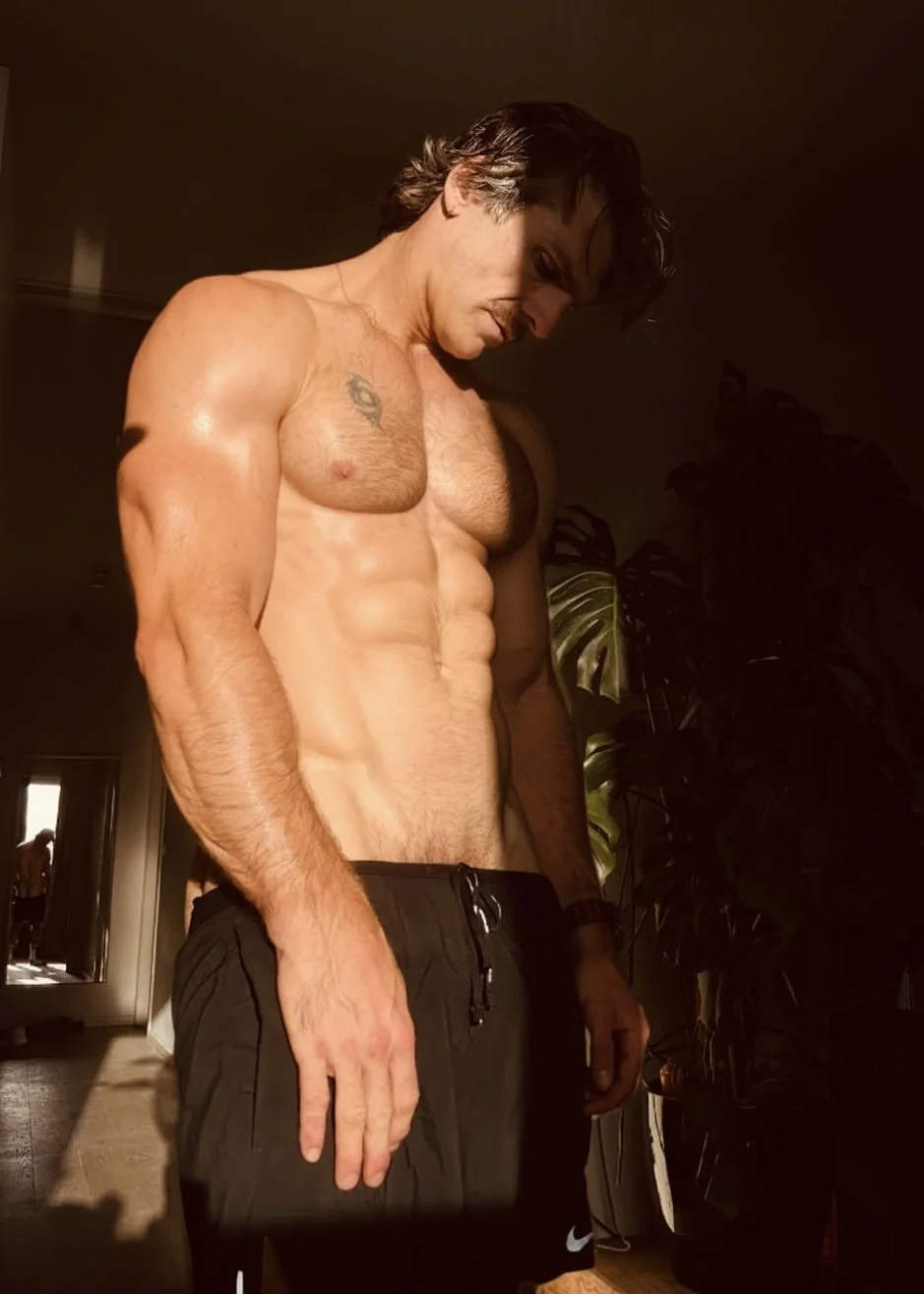
The real catalyst came when I decided to quit smoking around age thirty. Suddenly, I had all this restless energy coursing through my body that I'd never experienced before, and I desperately needed somewhere to channel it. That's how I slowly found my way into the gym, doing very typical "bro style" workouts – you know, chest on Monday, arms on Tuesday, that whole routine. It was a start, but honestly, I had no real strategy or understanding of what I was doing.
The true turning point came in 2017 when a CrossFit gym opened up in my neighborhood. I walked in thinking I was reasonably fit because I'd been going to the gym, and CrossFit very quickly and very humbly showed me that I was not athletic at all. That reality check was actually a gift, it completely shifted how I think about training and what real fitness means.
Through that experience, I started to understand that true fitness isn't just about lifting weights. Today, I see how crucial it is to combine resistance training with endurance work and HIIT. The difference is night and day. Looking back at that skinny guy surviving on frozen pizza and beer, I can honestly say I've never felt as fit, as strong, or as capable in my body as I do right now in my forties.
GWF: You describe yourself as having gone from a skinny, party-focused lifestyle to becoming extremely fit. When you look at that transformation, what feels like the biggest internal change rather than physical?
Honestly, even after all these years, I still often feel like that skinny boy inside. I know objectively that my body has changed dramatically, but truly internalizing that reality – really seeing and believing it – is something I continue to work on. The physical transformation happened faster than my self-image could keep up, and I think that's more common than people admit.
But the internal changes have been profound. The biggest shift is that I no longer need validation from other people to feel worthy. I know what I bring to the table now. I'm very aware of what I'm good at, but equally important, I know my weaknesses and I can own the mistakes I make without it destroying my sense of self.

I've also discovered a mental strength I never knew I had. When I commit to something now, I know I'll follow through. That reliability I have with myself is completely different from my earlier years when life felt more chaotic and impulsive.
What's interesting is that I've embraced practices I used to think were complete nonsense – meditation, stretching, all those grounding techniques. Now they're exactly what keep me centered and help me land in my body instead of constantly living in mental overstimulation.
I'm genuinely proud of the fact that everything I've built in my life, I've essentially built myself. Of course, I've had incredible support from the people around me, and that matters deeply. But ultimately, I did the work. Every rep, every choice, every difficult moment, that was me showing up for myself.
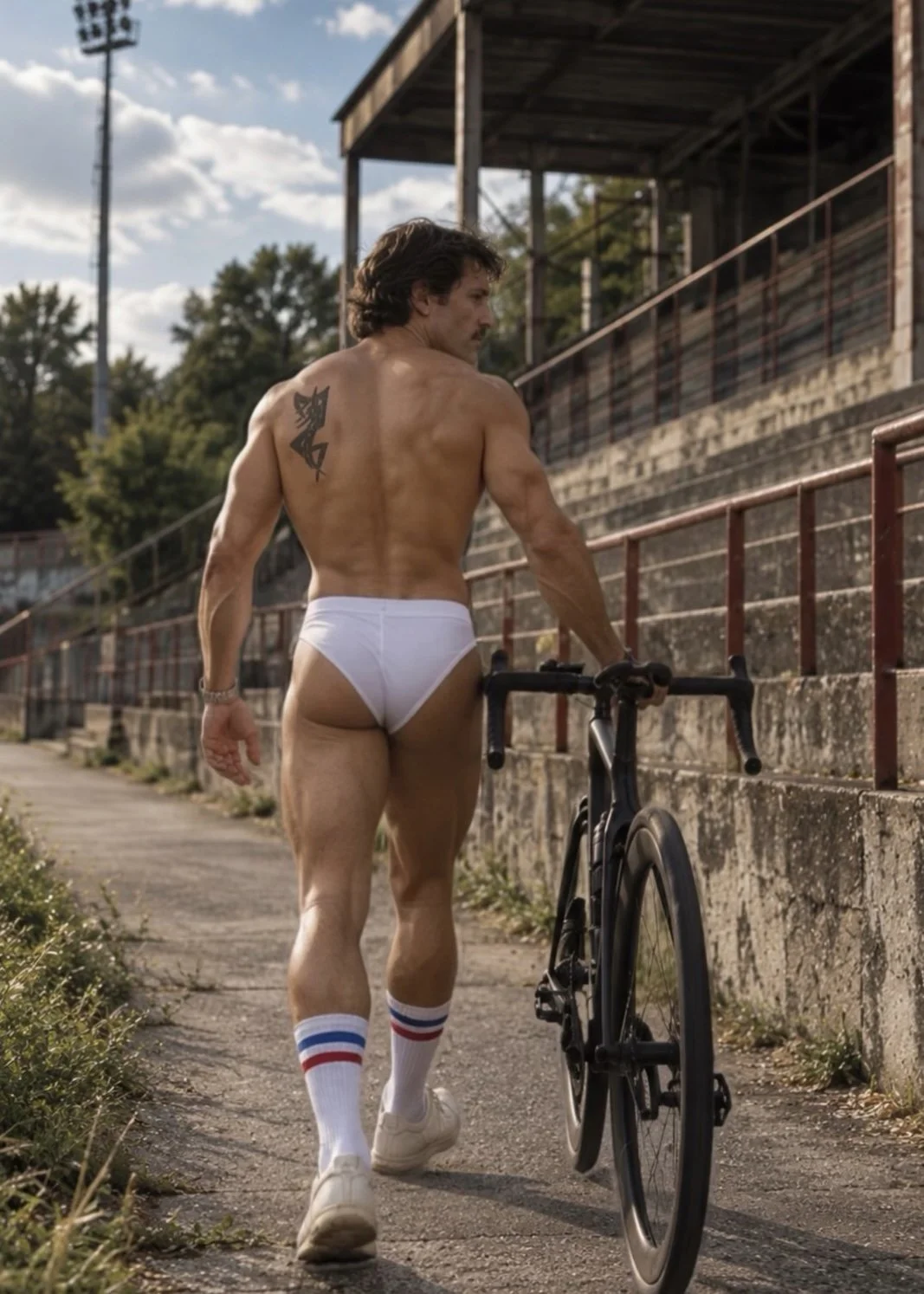

Because of my neurodiversity, complete inner peace will probably never be my default state, and I've made peace with that reality. But compared to where I was? There's so much more calm, stability, and inner grounding now. That progress, however imperfect, is something I genuinely celebrate.
GWF: You've been vegetarian for over 20 years and mostly plant-based. How has that way of eating supported your energy, training, and overall wellbeing over time?
I became vegetarian in 2006, and it's always been rooted in one simple principle: I'm against the unnecessary suffering of animals. Like so many people, I think I just didn't want to fully face the reality that behind every piece of meat on my plate, an animal had to suffer and die. Once that truth really landed for me, I couldn't unsee it.
The funny thing is, I used to eat steak and fries every single Friday, that was my ritual, and in my head, I thought it would be impossible to give up. But once I made the decision, I never looked back. I haven't eaten meat once since 2006, and I have zero regrets. What's actually really validating now is that the science has caught up with what I felt intuitively back then — there's a growing body of research showing that a plant-based diet is genuinely one of the healthiest ways to eat, and that you can get absolutely everything you need, protein included, from plants alone.
I honestly can't remember exactly how my body felt back when I was eating meat regularly, but I do vividly remember that awful feeling after eating something like a McDonald's burger during my student years, just completely heavy and sluggish. The contrast with how I feel now is night and day.
When I first went vegetarian, the options were incredibly limited. You basically had Quorn and tofu, and that was it. Now there's an overwhelming amount of choice, and it's actually interesting: some studies now show that even ultra-processed vegan foods come out healthier than unprocessed animal products. That said, I don't actually eat much of the mock meats or fake chicken products myself. I keep it pretty straightforward with whole foods and rely heavily on seitan, which is absolutely packed with protein.
People always ask about protein when they see how I train and look, but honestly, I've never had issues getting enough to build and maintain muscle, and the research backs that up too, plants can absolutely cover all of it. The plant-based protein powders have also evolved tremendously, they digest so much better than the dairy-based ones I used to struggle with.
What I love most is that this way of eating creates perfect alignment between my values and my performance. It supports my training, my recovery, and my conscience without ever feeling like a restriction. It's just who I am now.

GWF: What does a typical day of eating look like for you now, especially in relation to your training routine?
My eating routine is quite structured, and that consistency really supports both my training and my overall energy levels throughout the day.
Every morning starts exactly the same way: I wake up, immediately drink water, and do my meditation. About thirty minutes after waking up, I have my go-to breakfast: granola with plant-based yogurt and blueberries. t's simple, but it gives me the perfect balance of carbs and nutrients to fuel my morning properly. Then water with electrolytes and creatine.
After my workout, I always have a plant-based protein shake.
I tend to eat at fairly regular times throughout the day: around 7:30, 12:00, and 18:00. That rhythm works really well for my body and keeps my energy stable. For lunch and dinner, I like to switch things up, but as I mentioned, seitan plays a huge role in my meals, I use it in all its forms: steak-style, pulled, minced. Some of my current favorite meals are:
PASTA ARRABBIATA WITH MINCED SEITAN AND PLANT-BASED CHEESE
A WRAP FILLED WITH PULLED SEITAN, LENTILS, AND BULGUR
THAI RICE WITH HOT SAUCE, AIR-FRIED VEGETABLES, AND A SEITAN STEAK WITH PLANT-BASED MAYONNAISE
I also want to give a genuine shoutout to Every Foods, a meal delivery service that's been a total game changer for me. Most meal services have existed for years, but they typically offer zero or maybe one plant-based option as an afterthought. Every Foods is entirely plant-based with a huge variety of frozen, ready-made meals that are actually delicious. On busy days when I don't want to cook, it keeps me consistent without compromising how I eat.
And I have to be completely honest here, I have a serious sweet tooth. There are definitely moments where I can eat way too much chocolate. I'm disciplined about most things, but I also believe in enjoying life and keeping this whole lifestyle sustainable. Balance is real, and some indulgences just make everything more enjoyable.
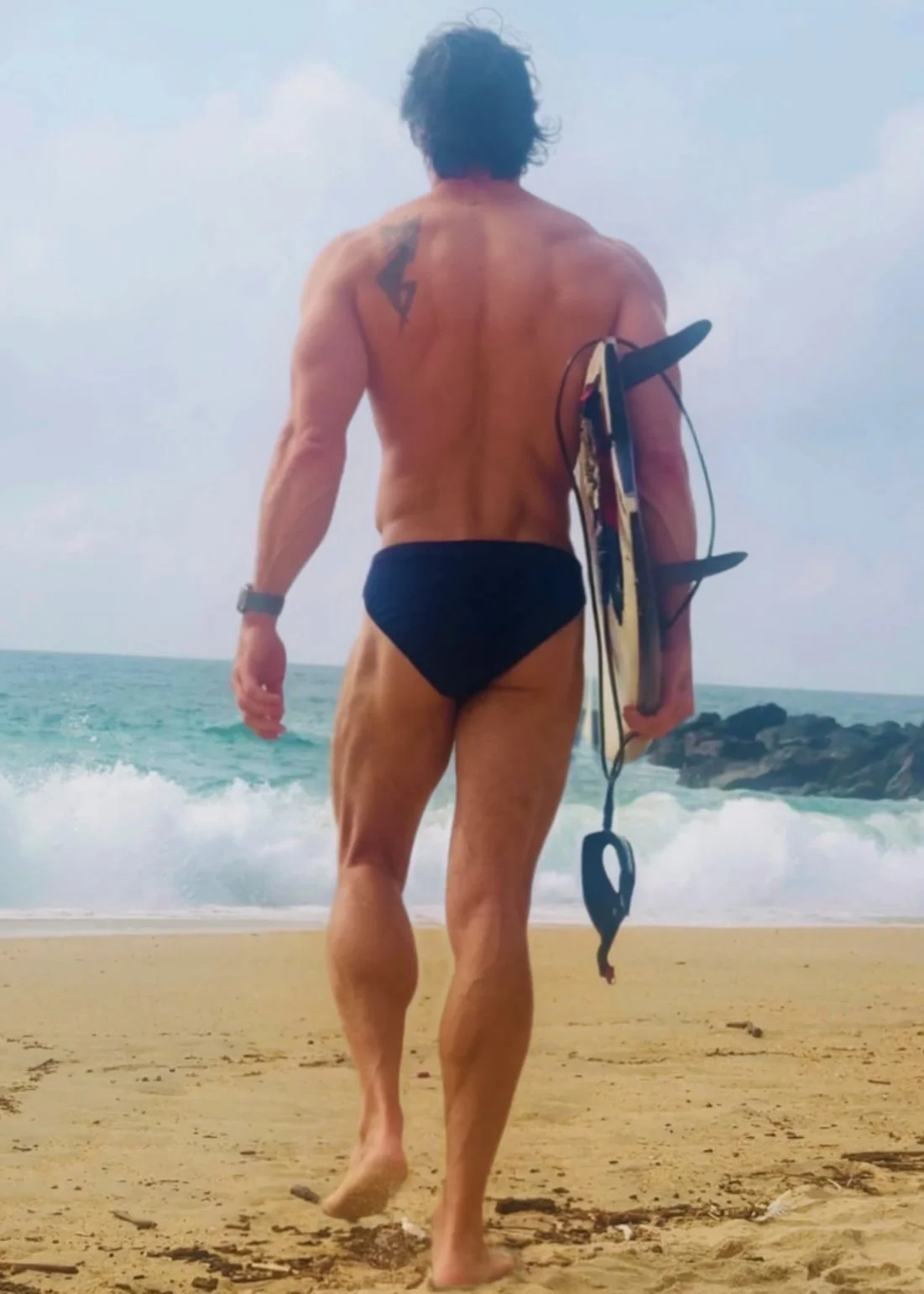
GWF: You've been alcohol-free for over two years. How has sobriety changed your relationship with your body, your mind, and your training consistency?
One of the first things I realized after just a few weeks of being alcohol-free was something I hadn't even fully grasped before: your body doesn't get that magical Monday reset. When you're drinking every weekend, it feels like you're constantly starting over each week because you've essentially put your body through hell for two days straight. That exhausting cycle was sabotaging everything I was trying to build in my fitness routine.
The physical difference has been dramatic. Before, my Sunday mornings – and honestly, Sunday afternoons too – were completely lost to lying on the couch with a horrible hangover, feeling half-dead. Now I wake up early and take my dog for a beautiful 10km walk outside instead of dying on the couch the whole day. Just that one change alone shows you how much more I'm able to move and actually live my life.
Going alcohol-free also made me truly understand what alcohol does to the human body on a physiological level. Once you really grasp that, it naturally makes you so much more conscious about everything else you put into your body. I became even more protective of my health and try to avoid as much junk as possible – not from restriction, but from genuine respect for what my body does for me.
But the mental transformation has been equally profound. It's very hard to explain, but suddenly there is so much clarity. I understand what is actually important for me now. The FOMO is completely gone – I realized I don't have to be at every event or have tons of people around me to enjoy life. My entire definition of fun and having a good time has fundamentally changed. When you've been indoctrinated for so long to believe that alcohol has to be a big part of your life, unlearning that takes time, but it's incredibly liberating.
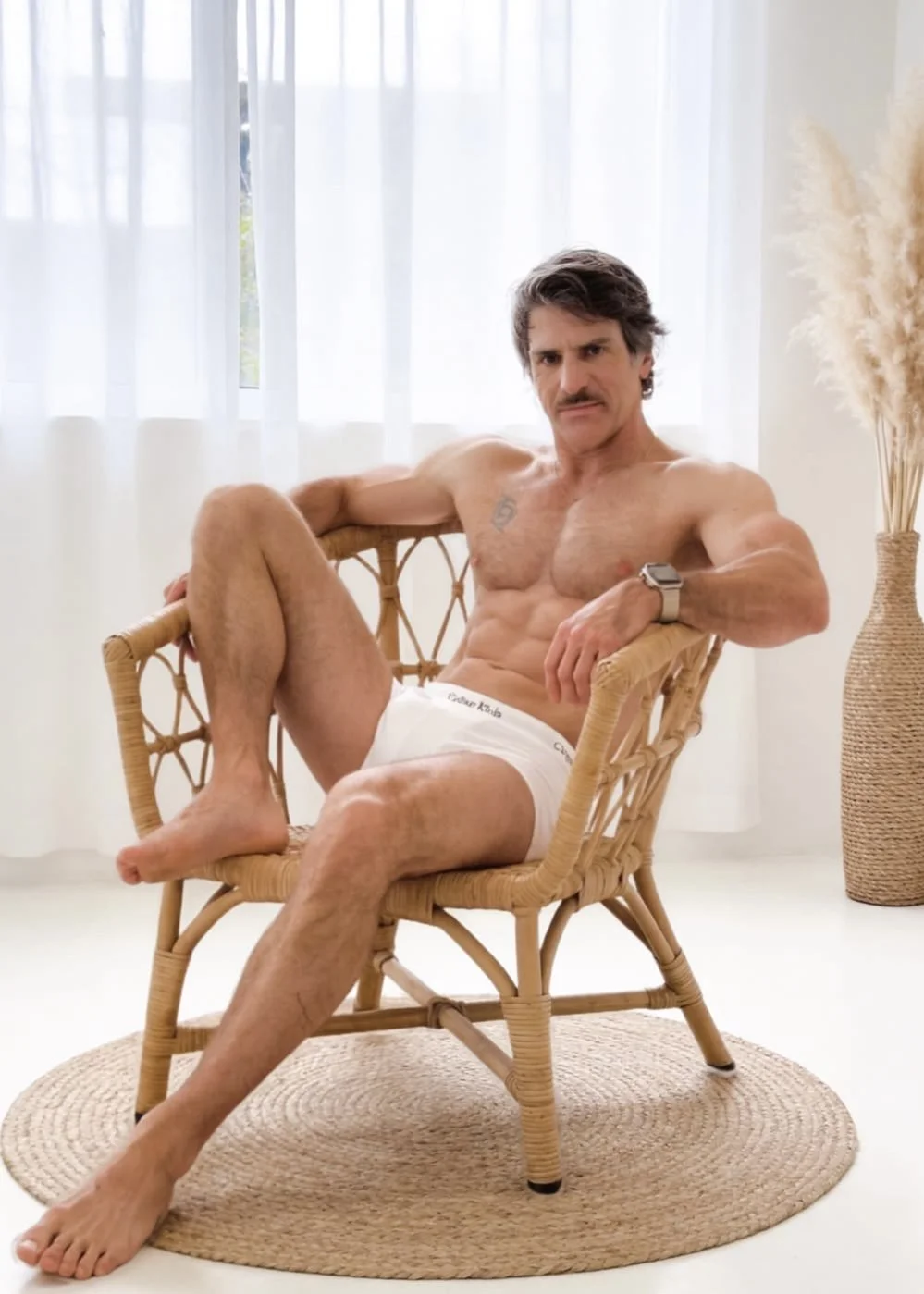
The tool that genuinely helped me make this transition was Annie Grace's book The Alcohol Experiment. You stop drinking for 30 days and read a short chapter every single day. That daily reframing was enormously helpful in shifting my entire mindset around alcohol.
Practically, the explosion of alcohol-free beers and alternatives has made social situations much easier too. I can still go to a bar with friends and feel completely part of the evening. Though honestly, I don't even reach for those alternatives that often anymore – I simply don't feel like I need them.
I think quitting alcohol is a lot like quitting smoking. Once the smoke around your head clears and you start seeing reality for what it actually is, staying sober becomes much less difficult than you imagined. The hard part isn't maintaining sobriety – the hard part is getting clear enough to see what alcohol was really taking from you all along.
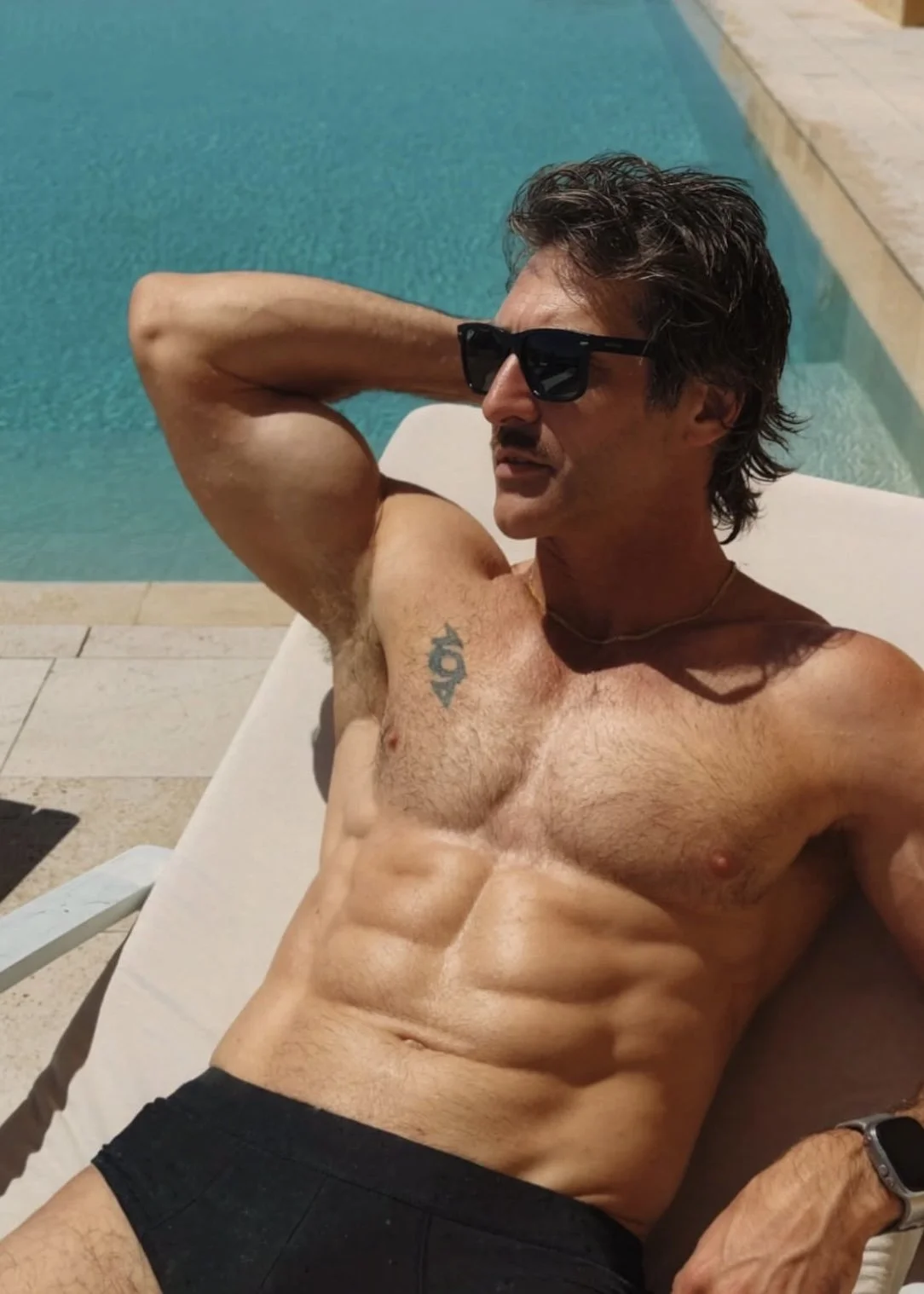
And here's something I hear constantly, and it applies to everything – not just alcohol: people say "I could never do that, I could never give up drinking, I could never stop eating meat." My answer is always the same: you can, you just don't want to. There's a huge difference between "I can't" and "I won't." Everything comes down to wanting it badly enough. Once you truly want something, you'll find a way to make it happen.
GWF: Many people talk about 'mental clarity' after removing alcohol — what has that experience been like for you personally?
For me, mental clarity isn't just about feeling sharper in the morning or having better focus – though those things are real. It's fundamentally about gaining perspective. When alcohol has been such a massive part of your life for so long, you're too deep inside it to see it clearly. The moment you step away, everything starts coming into sharp focus in a way that's genuinely shocking.
What hit me most was suddenly seeing how completely glorified alcohol is in our society. It's everywhere – beautifully displayed in shops, heavily marketed, constantly linked to pleasure, relaxation, celebration, and human connection. We've been conditioned from a very young age to believe that alcohol is essential for having a good time, for unwinding, for bonding with the people we love. That programming runs incredibly deep.
But mental clarity means seeing through all of that conditioning. It means recognizing that what we've been sold as a social necessity and source of joy is ultimately a poison that we've been taught to crave. Once you see that reality clearly, you can't unsee it. And you realize that you are genuinely better without it, not just physically, but in every dimension of your life.
This clarity also brings radical honesty, and that's not always comfortable. I can look back now and admit that I've made a lot of bad decisions in my life and done things I'm not proud of while under the influence of alcohol. When you remove alcohol, you remove the blur that allows you to hide from those truths. You're forced to meet yourself completely present, without excuses.
But ultimately, the deepest gift of this mental clarity is simply seeing what actually matters in life. Not the noise, not the social pressure, not the next party or the next drink. Just the real things – your health, your relationships, your purpose, your daily peace. Alcohol was clouding all of that, and I didn't even realize how much until it was completely gone.
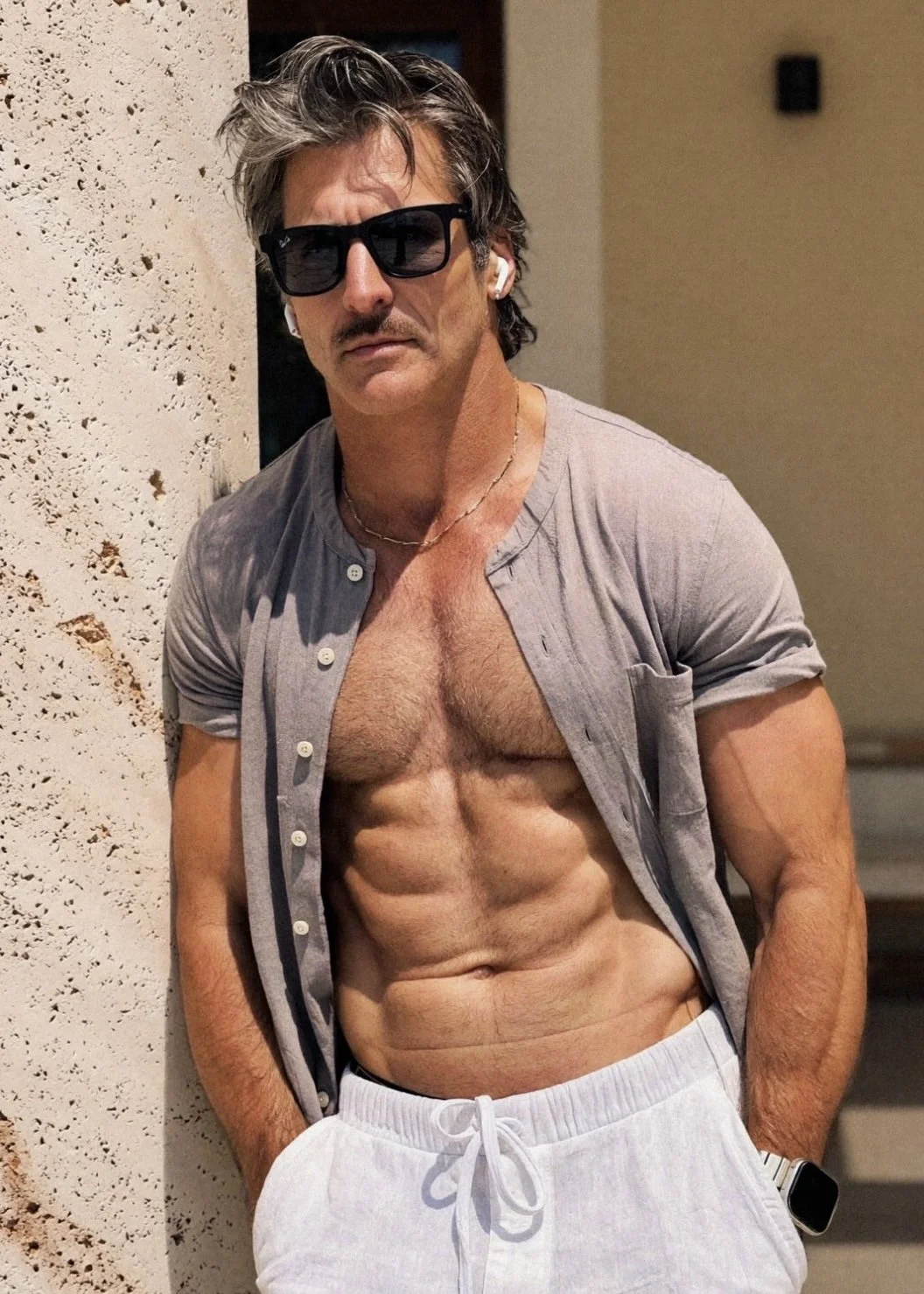
GWF: How did you discover that sport and movement could actually create happiness and structure in your life?
For the longest time, I was like so many people – constantly chasing happiness as if it were something out there waiting to be caught. I kept thinking that the next party, the next experience, or the next achievement would finally deliver that elusive feeling of being truly happy. Sport completely shattered that illusion for me and taught me something fundamental about what happiness actually is.
Through training, I discovered that happiness isn't a destination you run toward – it's a state of mind you cultivate daily. It sounds like a cliché, and I know that, but I've lived this truth deeply enough to say it with complete conviction: contentment is happiness. Good health, being genuinely satisfied with what you have right now, finding peace in the present moment – that's it. That's the whole secret, and it's simultaneously the most simple and most profound thing I've ever learned.
What's fascinating is that on a purely neurochemical level, sport actually produces the exact same effects as alcohol and other substances – those hits of dopamine and endorphins that make you feel incredible. But here's the crucial difference: with movement, you have to earn it. You can't just pour it from a bottle or swallow it in a pill. You have to show up, put in the work, push through resistance, and then your brain rewards you for taking care of yourself instead of damaging yourself. That reward feels completely different because it's yours – you built it through effort and discipline.
This is especially significant for me because of my neurodivergent brain. I'm very dopamine-sensitive, which means I naturally crave that chemical release more intensely than some people might. Sport provides a healthy, structured way to get what my brain is seeking, and it's created a stability in my daily life that I never had before.
I do have to be honest about the flip side, though. Sometimes I feel a real, almost physical need to work out, and I can get genuinely restless if I don't train. There are moments when I have to consciously remind myself to give my body the rest it actually needs, because the urge to move can border on compulsion. I think this is directly connected to that dopamine sensitivity – movement regulates me in a way that almost nothing else does. But learning to recognize that about myself, learning to navigate the line between healthy discipline and unhealthy compulsion, is part of the self-awareness this whole journey has built in me.
So yes, sport created happiness and structure in my life, but not in the way I originally expected. It didn't hand me happiness as a reward for working out. Instead, it taught me what happiness actually is and showed me that I had the power to create it myself every single day.
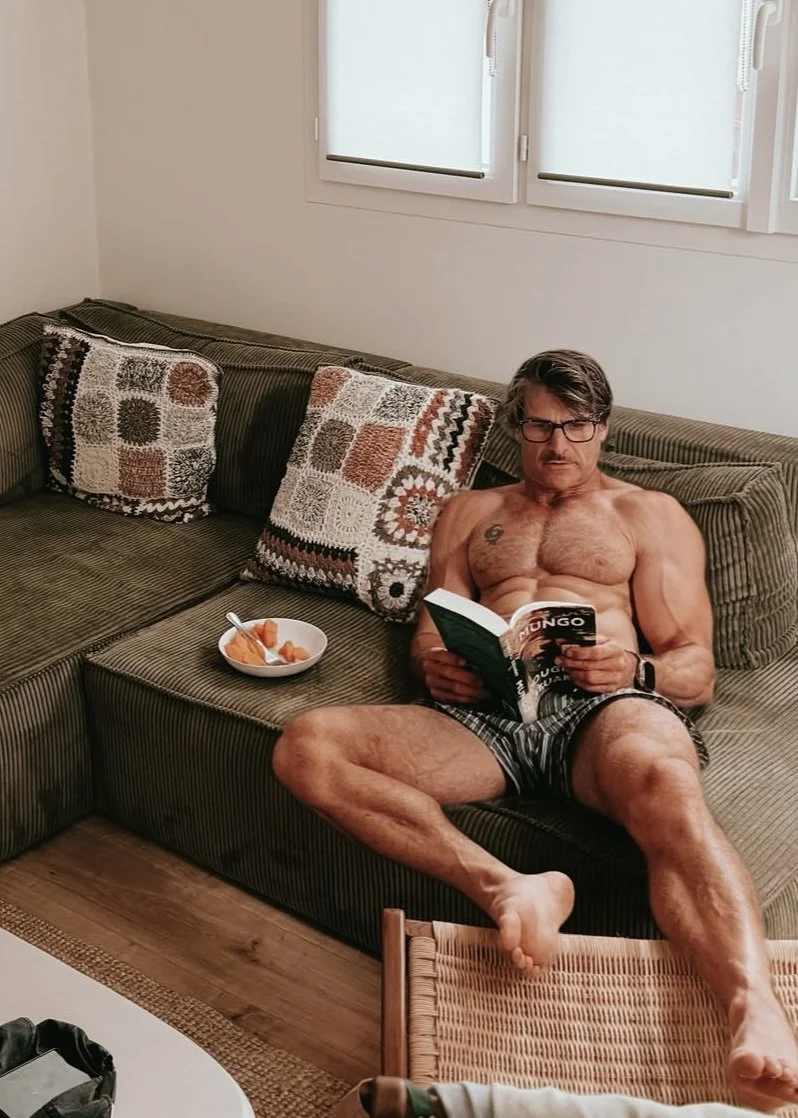
GWF: What does your current training routine look like, and how has it evolved since you first started?
My training journey has been a complete evolution in both approach and mindset. When I first started in my thirties, I was doing classic bodybuilding – that typical "bro style" split routine where you isolate different muscle groups on different days. Chest on Monday, arms on Tuesday, you know the drill. It was very much focused on aesthetics, mirrors, and looking a certain way rather than being functionally strong or athletic.
Then I discovered CrossFit, and it completely humbled me. I went all-in, training five to six times per week, thinking I was already reasonably fit from my gym sessions. CrossFit very quickly showed me that I wasn't athletic at all in any functional sense. But that period taught me what it actually means to push my limits and work on real, measurable fitness markers. The intensity was incredible, but doing high-intensity work that frequently was ultimately too much for my body to handle sustainably.
Today, my routine has evolved into something much more balanced and holistic, and honestly, I feel the fittest I've ever felt because of this approach. A typical week now includes:
1-2 HIIT sessions per week for that high-intensity cardiovascular challenge
1 swimming session for full-body, low-impact cardio
2-3 running or cycling sessions for endurance and mental clarity
2-3 resistance training sessions per week to maintain and build strength
I train for about an hour per session on average. When you list it all out like that, it might sound like a lot, but because I'm mixing different modalities – combining endurance, strength, and cardiovascular health – my body actually recovers much better than when I was doing the same type of high-intensity work every single day.
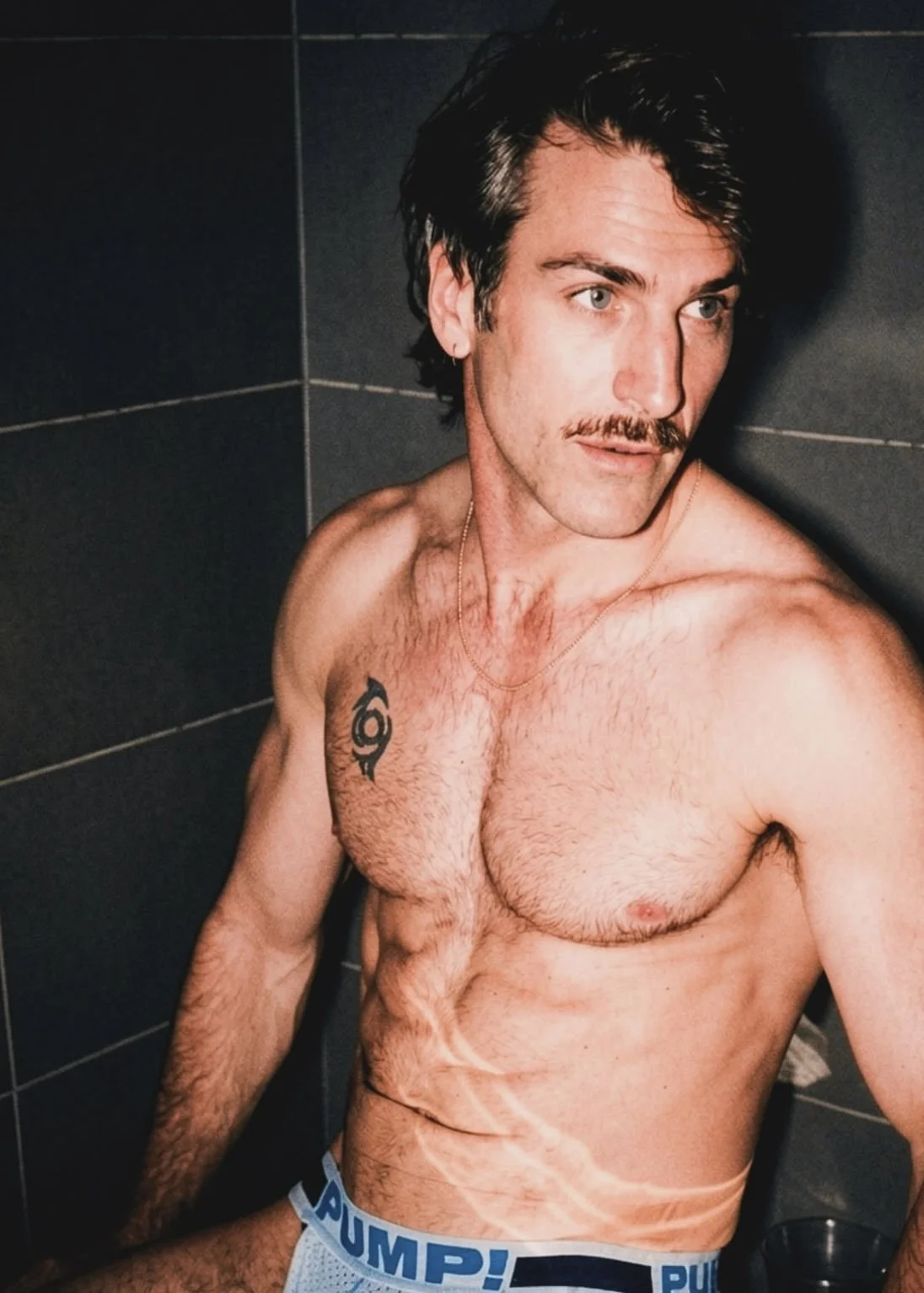
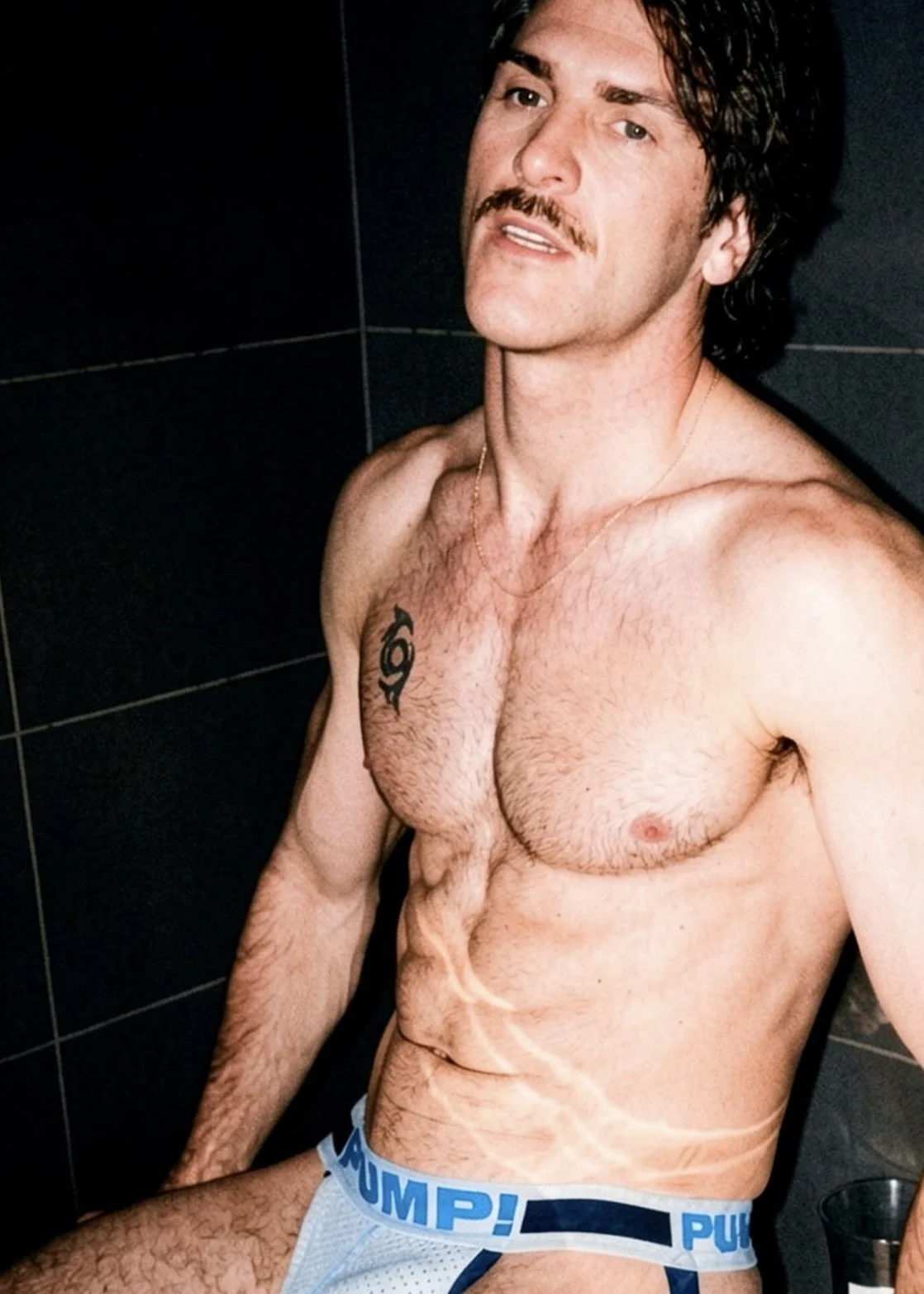
The biggest shift in my mindset is that I no longer see fitness as just lifting weights or mastering one type of exercise. I've learned how crucial it is to combine resistance training with endurance work and HIIT. That combination gives me strength, capacity, and resilience – not just muscle definition.
I don't train to look a certain way anymore. I train to be capable, to feel incredible in my body, and to support my long-term health and vitality. It's become less about crushing myself in the gym and more about building a body that moves well, feels good, and can handle whatever life throws at it.
GWF: What are the key principles you now live by when it comes to fitness, nutrition, and wellbeing?
I know this sounds like the biggest cliché in fitness, but the foundation of everything I do comes down to discipline versus motivation. People think that because I'm consistent with training, I must wake up motivated every single day. I don't. There are plenty of mornings when I have absolutely zero motivation to work out, when the couch feels infinitely more appealing than the gym. Those are exactly the moments that separate people who get results from people who don't. Motivation is just a feeling, and feelings are unreliable. Discipline is what gets you to show up anyway.
But here's the crucial part that most people miss: discipline alone isn't sustainable if you hate what you're doing. You have to genuinely enjoy the process, or at least find real value in it, because that's the only way to make it last for years instead of just weeks. I had to find forms of movement that I actually love, ways of eating that feel good to me, habits that enhance my life rather than punish it. Discipline gets you through the tough days, but enjoyment is what makes the whole lifestyle feel natural and sustainable.
My second core principle is something I see people get wrong constantly: stop chasing the result and start building the lifestyle. A six-pack is not a goal – it's a consequence of living a certain way consistently over time. When people say "I want to get a six-pack" or "I want to lose ten kilos," they're focused entirely on the outcome instead of the daily habits that would actually create that outcome. I don't eat the way I do to look the way I do – I look the way I do because of the lifestyle I live. That shift in thinking changes everything.
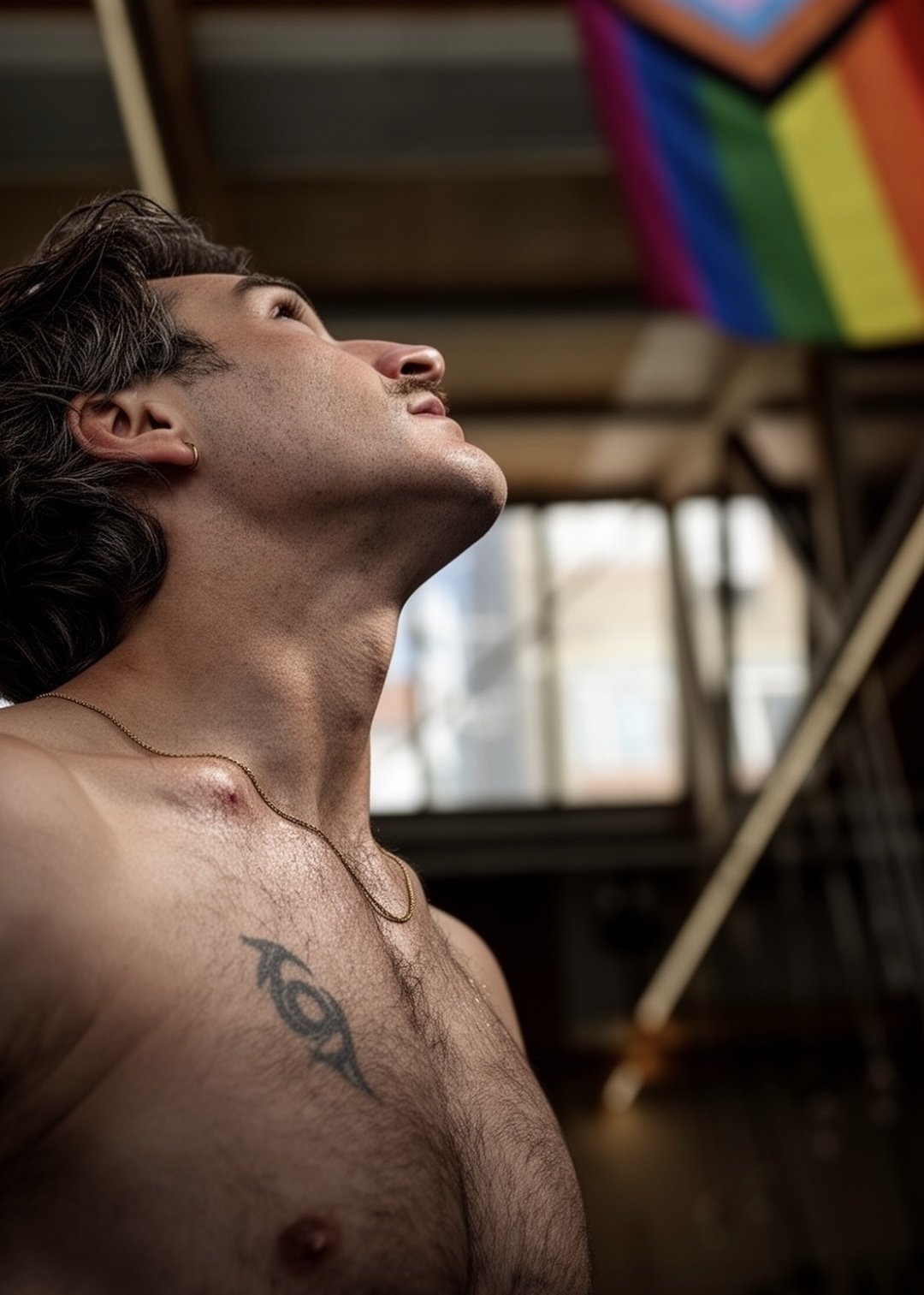
Finally, workouts and healthy eating need to become a permanent part of your life, not a temporary project. So many people treat fitness like something they do for a few weeks to reach a specific result – maybe to look good for summer or recover from the holidays. That approach might work short-term, but it always fails eventually because it's built on the wrong foundation. Movement and proper nutrition aren't things you switch on and off. They're just part of who you are and how you live.
In the end, my principles are simple but non-negotiable:
Rely on discipline when motivation fails, but find genuine joy in the process
Focus on building a lifestyle, not chasing specific results
Make fitness and wellness a permanent part of your identity, not a temporary fix
When you get these fundamentals right, everything else – the physical changes, the mental clarity, the confidence – follows naturally.
GWF: From your perspective, what are the most common misconceptions about starting a healthier lifestyle later in life?
People in their forties act like their hormones dropping is some kind of biological death sentence that makes fitness impossible. "My testosterone isn't what it used to be, so why bother?" It's become this convenient excuse that sounds scientific enough to justify giving up before you even start.
Here's what I know from actually living this: yes, hormones change after 40. Yes, you do need to be smarter about recovery – you absolutely have to listen to your body and give it the rest it needs. But none of that means you can't get into incredible shape. I'm living proof of that. I started training seriously in my thirties after years of frozen pizzas and daily beer, and I'm in the best shape of my life at 44. If dropping testosterone made fitness impossible, I wouldn't be here having this conversation.
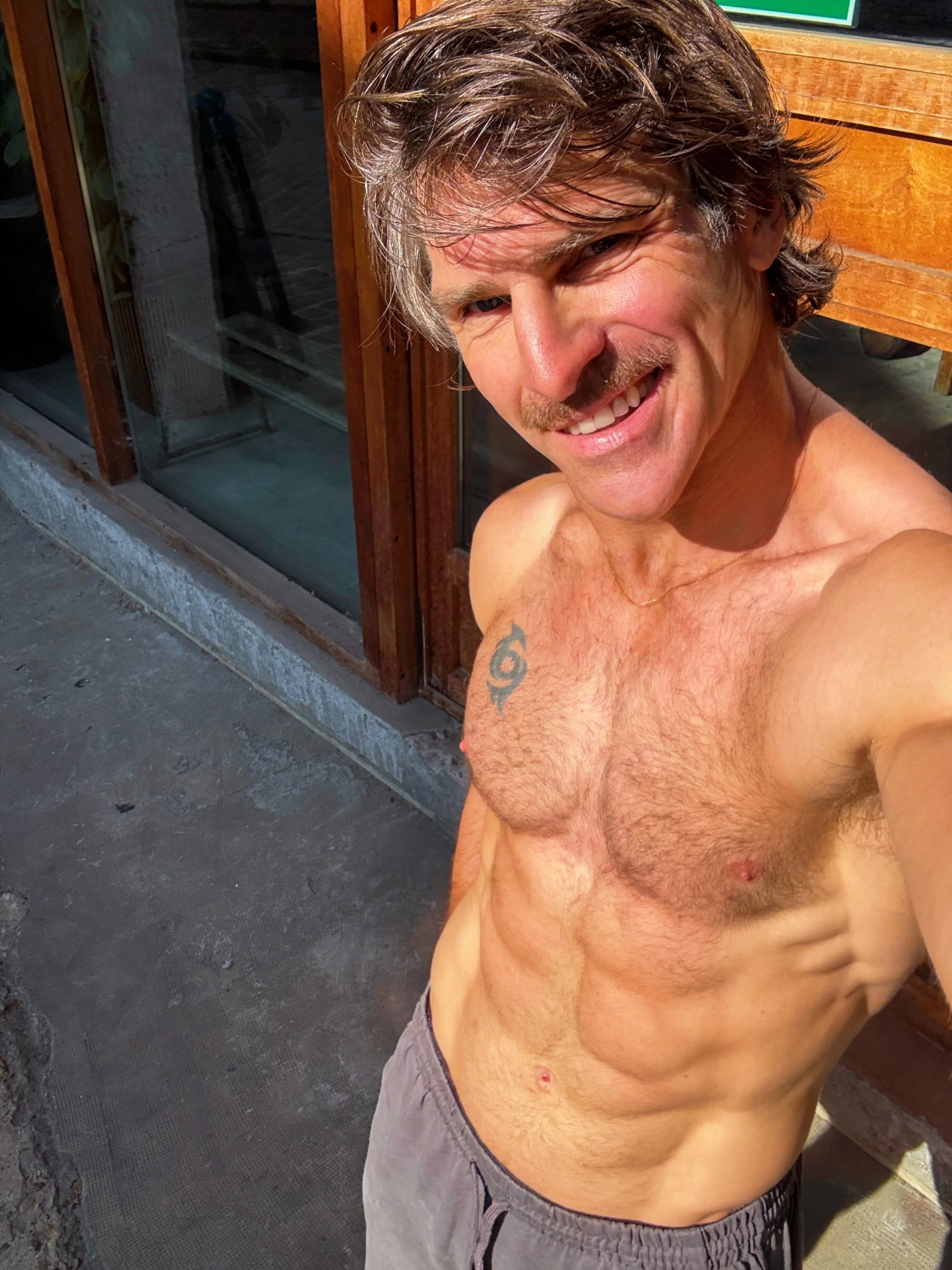
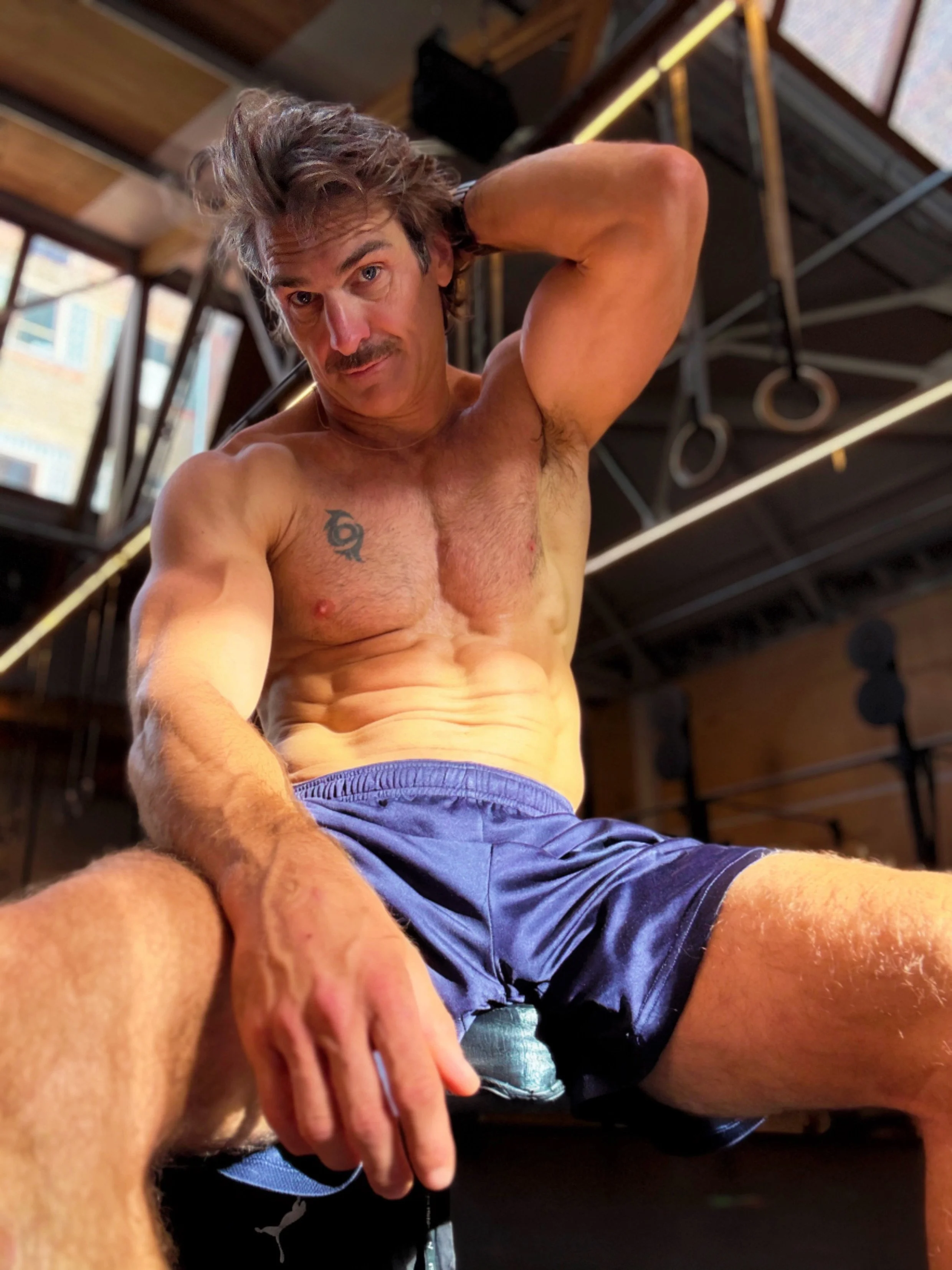
The second huge misconception is that you have to train exactly like you did at 20 – that whole "no pain, no gain, destroy yourself in the gym" mentality. That's actually counterproductive after 40. You need to train smarter, not necessarily harder. Recovery becomes just as important as the workout itself. When I was doing CrossFit five to six times a week, I thought rest days were for weak people. Now I understand that recovery is when the actual growth happens.
Then there's the "too late" story people tell themselves. "I've wasted so many years, what's the point now?" As if the next 20, 30, or 40 years of their life don't matter. Your body is incredibly forgiving and adaptive. It doesn't care that you spent your twenties and thirties living unhealthily – it will still respond to good habits today if you're consistent.
I also see this all-or-nothing mentality constantly: "If I can't eat perfectly and train five times a week, there's no point." That thinking keeps more people stuck than anything else. You don't need perfection; you need consistency. Two solid workouts a week maintained for years will transform your life more than six workouts a week that you quit after a month.
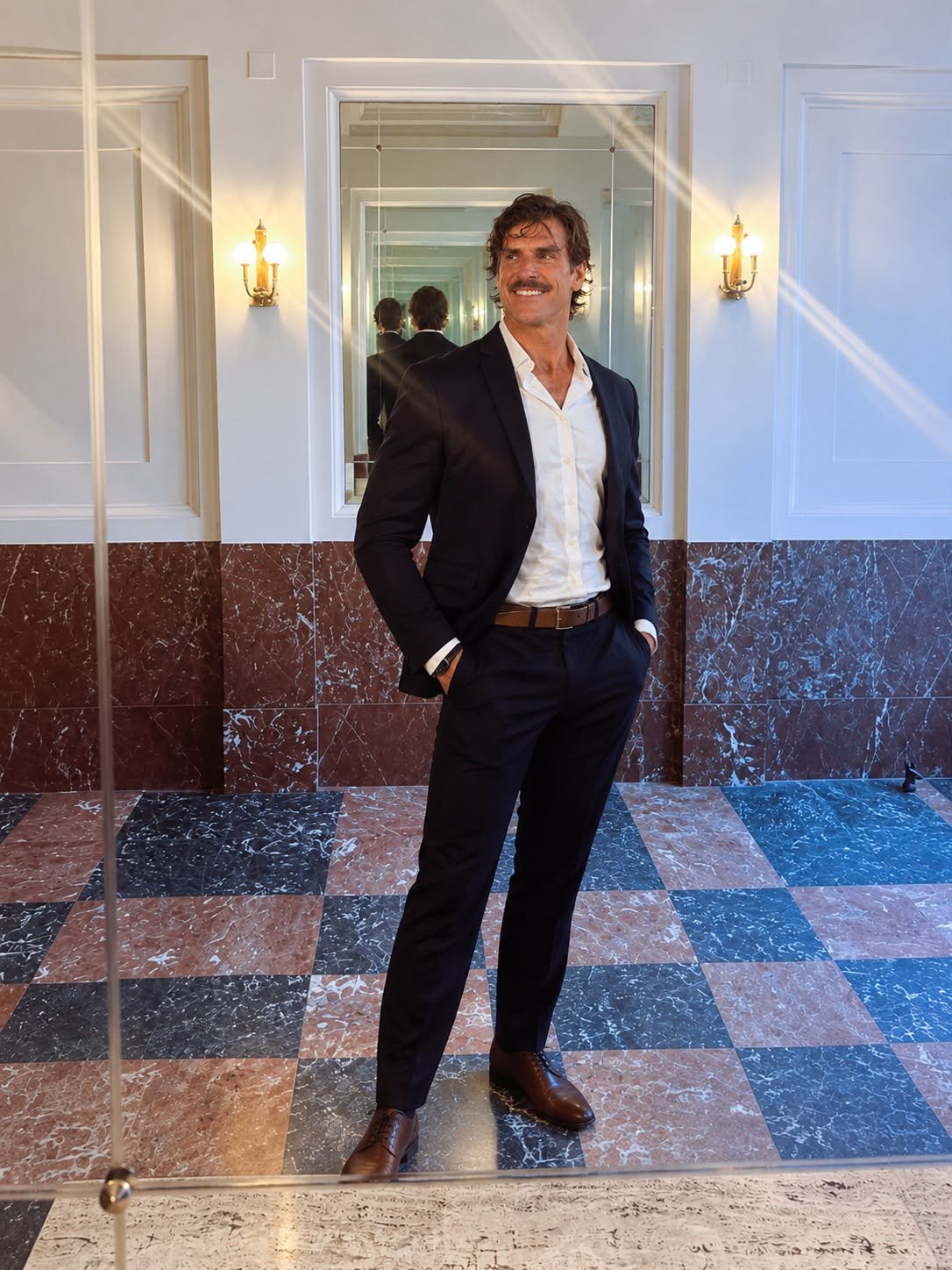
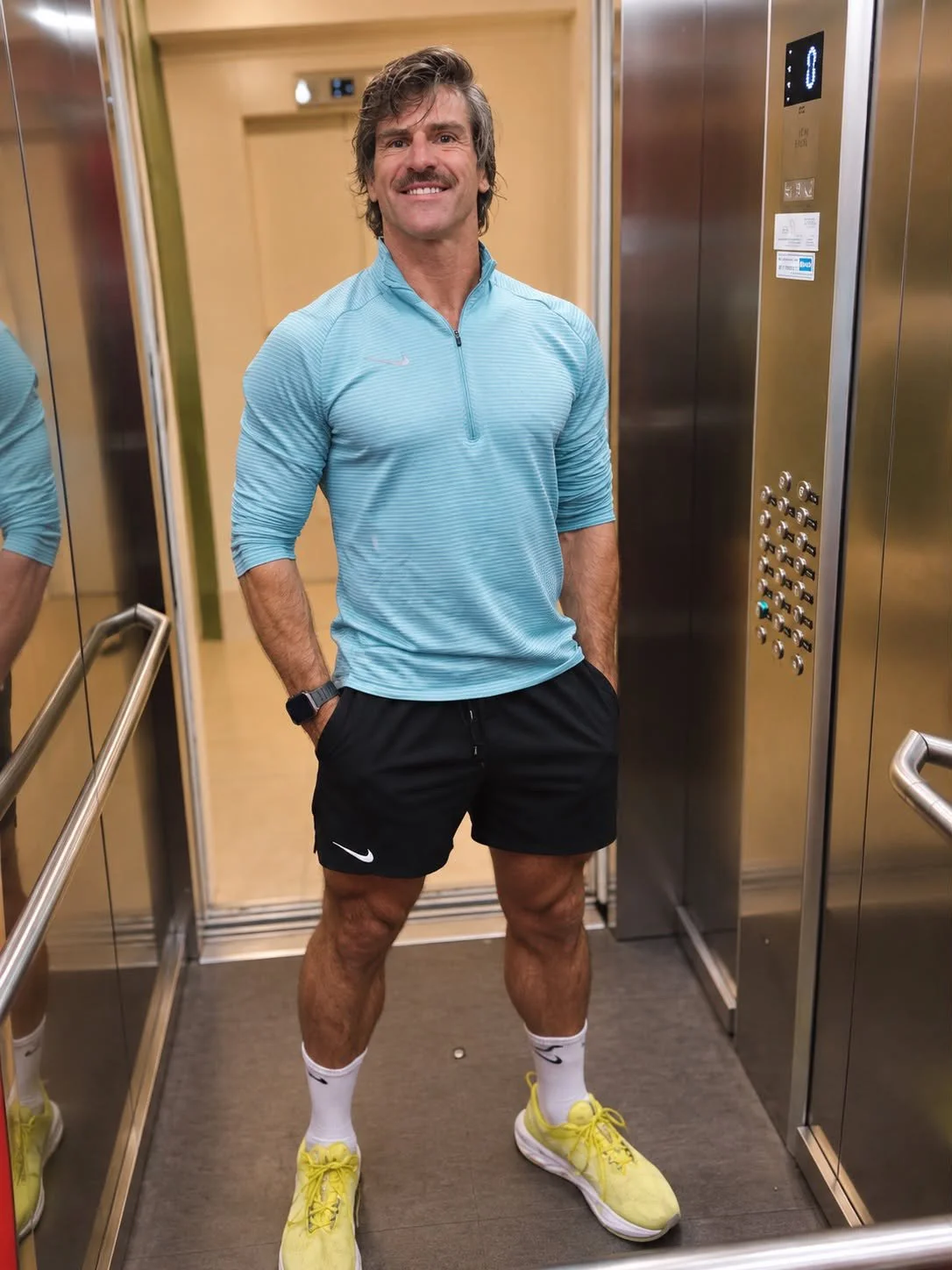
The truth is, most of these "biological limitations" people talk about are actually just lifestyle limitations they're not willing to address. It's easier to blame age and hormones than to admit you're not moving enough, not sleeping enough, or not eating in a way that supports your goals.
If there's one thing I want people over 40 to understand, it's this: you're not too old to transform your life. You might just be too attached to the story that says you are.
GWF: As a proud gay man in midlife, how do you experience visibility, confidence, and embodiment today compared to your younger years?
It's genuinely funny – I don't feel like I'm in my midlife at all. In my head, I still think I'm a twenty-something most of the time, and honestly, I love that about myself. But what I absolutely notice is that the maturity that comes with being in your forties has given me a completely different kind of confidence – one that doesn't need constant feeding from external sources.
When I was younger, I was actually much less focused on my body and appearance. But to be fair, social media didn't exist back then, so there wasn't this relentless visual comparison happening every single day. Now, especially within the gay community, there can be enormous pressure to look fit, young, and aesthetically perfect. I see how intense and sometimes toxic that pressure can become for people, and I understand why it's overwhelming.
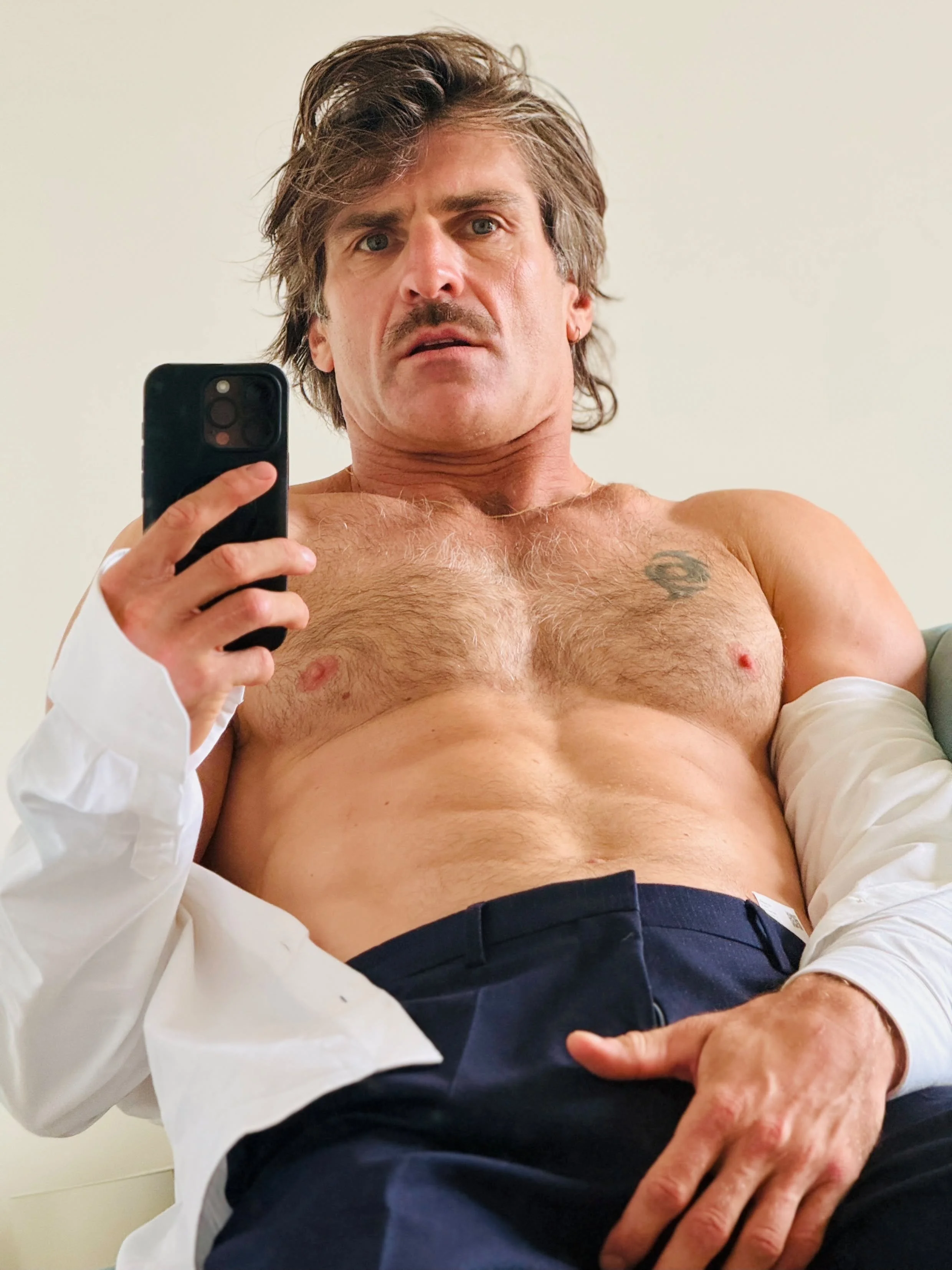
I want to be completely honest here: I do enjoy how I look now, and I'm genuinely proud of what I've built. But I don't experience that as pressure anymore, and I think that's because my appearance was never the goal – it's simply the result of how I choose to live. The moment fitness becomes a fixation about looking a certain way rather than feeling incredible in your body, it stops being healthy, mentally or physically.
What's really shifted is how comfortable I feel inhabiting my own body, not just looking at it. I think this has everything to do with prioritizing both my physical and mental health working together. When you feel strong, when your mind is clear, when you're living in alignment with your values – your entire relationship with your body transforms. It stops being something you constantly judge and critique, and starts being something you genuinely appreciate and trust.
But perhaps the most liberating part of getting older is this: you simply stop caring so much about what other people think of you. Not in a bitter or closed-off way, but in a profoundly freeing way. You realize that most people are so consumed with their own lives, their own insecurities, their own internal noise, that they're not nearly as focused on judging you as you once feared they were.
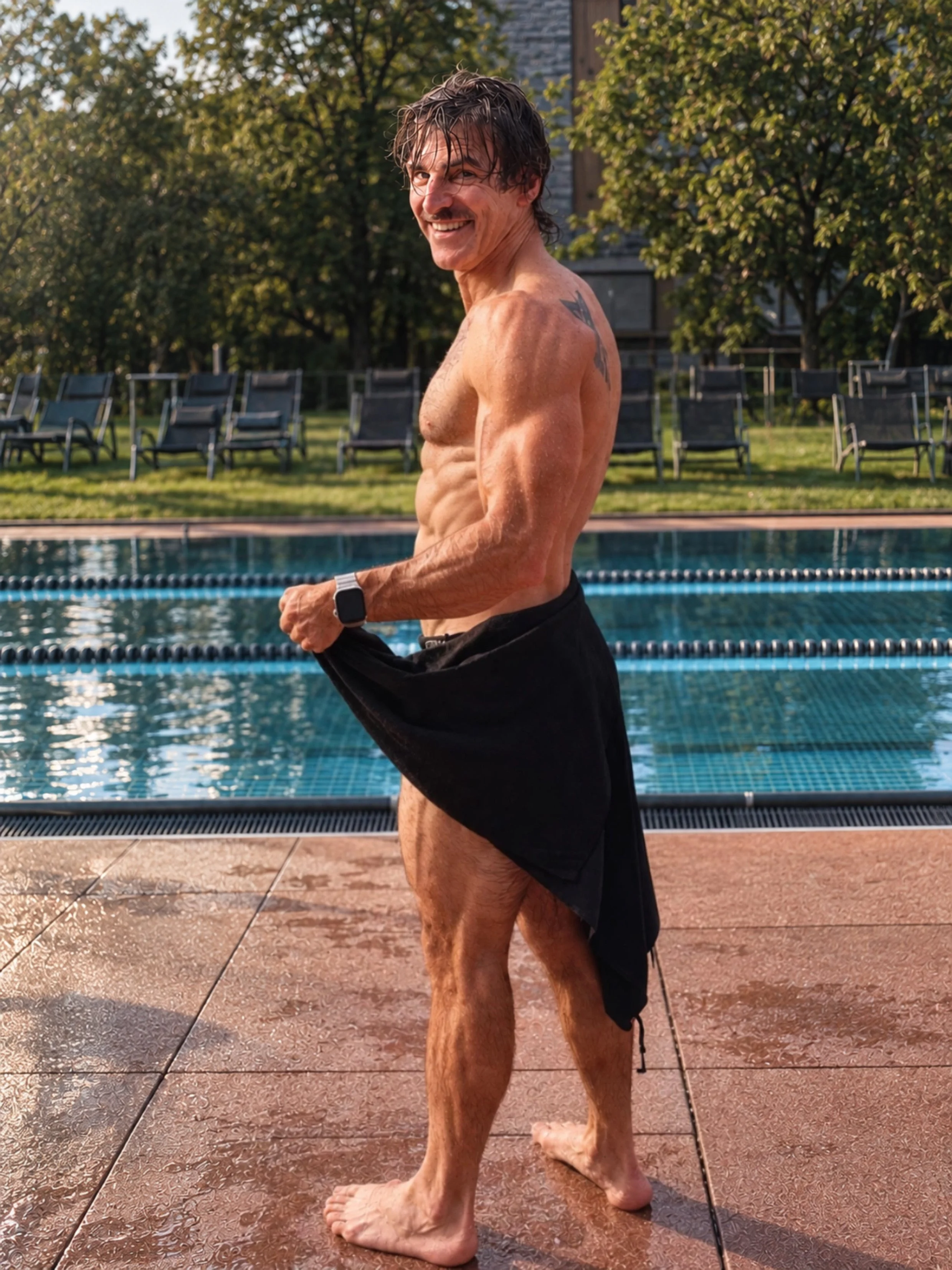
As a gay man, that freedom feels particularly significant. I spent years navigating spaces where youth and appearance are heavily valued, where there's this unspoken pressure to perform a certain version of yourself. Today, I just exist as myself – 44, sober, plant-based, neurodiverse, and genuinely content. If that visibility inspires someone else, that's wonderful. But I'm not performing for anyone anymore. I'm finally just living fully in my own skin, and that feels like the greatest victory of all.
GWF: Finally — what advice would you give to someone who feels stuck in an unhealthy lifestyle and believes it might be 'too late' to change?
Here's the hard truth I need you to hear: when people say "I could never give up alcohol" or "I could never train consistently" or "I could never change my diet," I always give them the same answer: you can, you just don't want to. There's a massive difference between "I can't" and "I won't." The moment you're honest enough to admit "I don't want it badly enough," you finally have something real to work with.
My practical advice is this: stop trying to transform your entire life overnight. That's where most people fail. They want the six-pack in six weeks, so they start some miserable crash diet, train every day, burn out completely, and quit. Don't do that. Remember what I've been saying throughout this interview: fitness isn't a destination you chase – it's the result of a lifestyle you build, day by day.
Start ridiculously small. Pick one thing:
Drink a glass of water when you wake up
Take a 20-minute walk after dinner
Do one resistance training session per week
Cut back on the obvious junk and alcohol
Prove to yourself that you can be disciplined with just one small habit. Let that confidence build the foundation for the next change. Your body is incredibly forgiving – it doesn't care how many years you think you "wasted." If you start treating it well today, it will respond. At 30, 40, 50, or 60.
And remember this: the time is going to pass anyway. You're going to turn 45, 50, or 60 regardless of what you do today. You just get to choose how you want to feel when you get there. You can arrive at those ages feeling strong, clear, and proud of what you've built, or you can arrive with the same regrets and the same excuses you have right now.
You are not broken. You are not special in your inability to change. You just have to decide that you're worth the effort, and then show up for yourself. Every. Single. Day. That's it. That's the whole secret.
If you're waiting for a sign to start, this article is it.


