
MALE ARCHETYPES: Counterlight and the Poetry of the Male Form
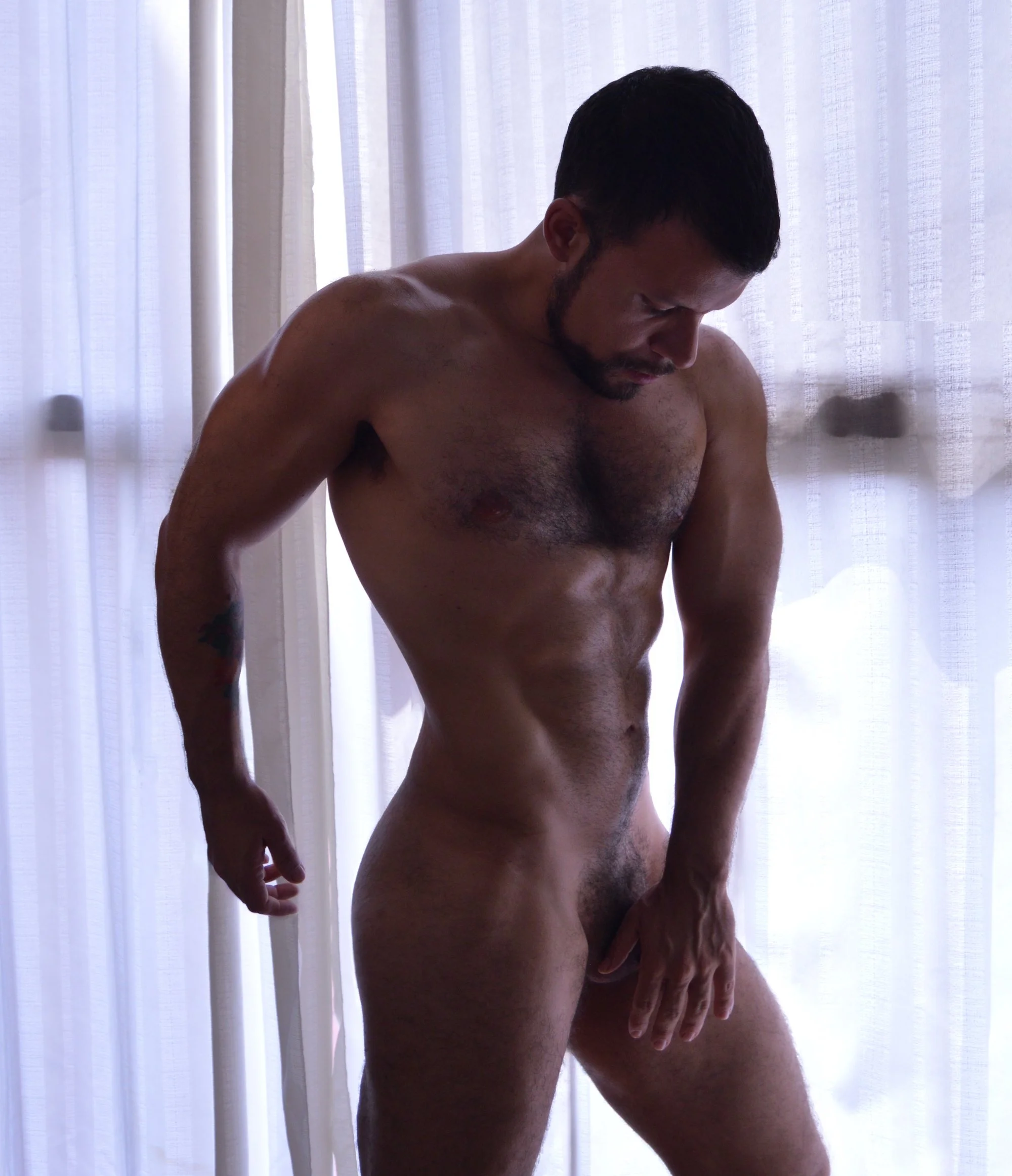
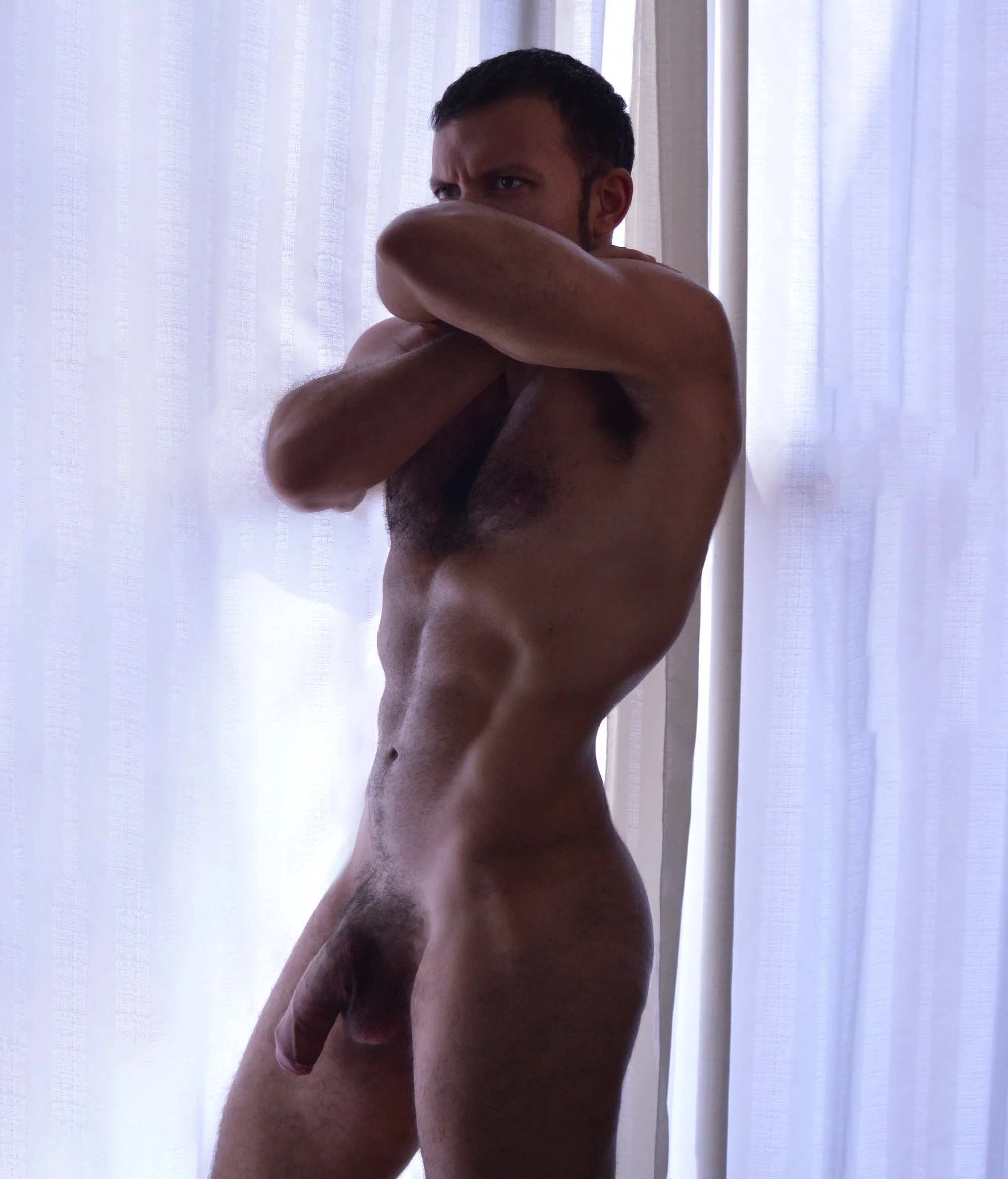
Mexican photographer Male Archetypeshas spent over a decade exploring the beauty and emotional presence of the male body. Using minimal, intimate compositions and striking counterlight, he transforms bodies into sculptural forms, capturing both their strength and vulnerability. Through light, texture, and gesture, his work evokes a timeless dialogue between mythology, desire, and human intimacy.
GWF: Who you are, where from and how did you become a photographer?
I am a Mexican photographer working under the pseudonym Male Archetypes. My work is centered on the beauty, symbolism, and emotional presence of the male body. Photography came into my life more than ten years ago, almost naturally, first as curiosity, then as fascination, and eventually as a language through which I could express desire, admiration, and aesthetics.
Growing up, I was always drawn to the visual power of the human body, especially the masculine form. Over time, the camera became my way of exploring that attraction with respect and artistry. What began as experimentation evolved into a deeper practice: documenting archetypes of masculinity, vulnerability, and sensuality through the lens.
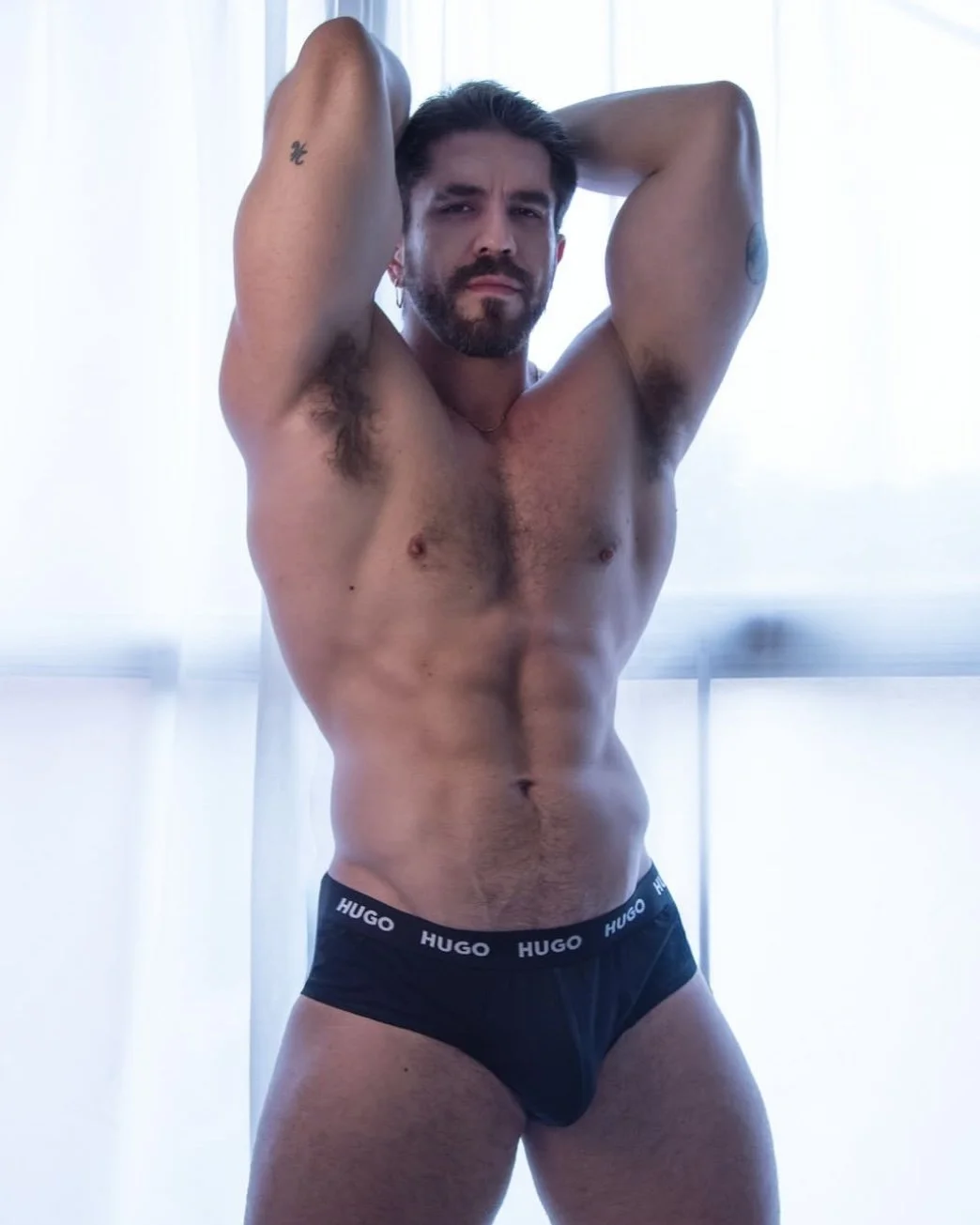
@candelas_ y @male.archetypes
GWF: How would you describe your photographic style, and what draws you to working with the male form?
My style is minimal, intimate, and sculptural. I try to remove distractions so the viewer’s attention rests completely on the body: its lines, textures, and presence. Natural light, skin, shadows, and gestures become the main language of the image.
What draws me to the male form is its symbolic weight. Throughout history, the male body has represented strength, myth, heroism, and desire. Yet at the same time it can also reveal vulnerability, softness, and intimacy. I’m interested in that duality, the archetype and the human being that exists inside it.
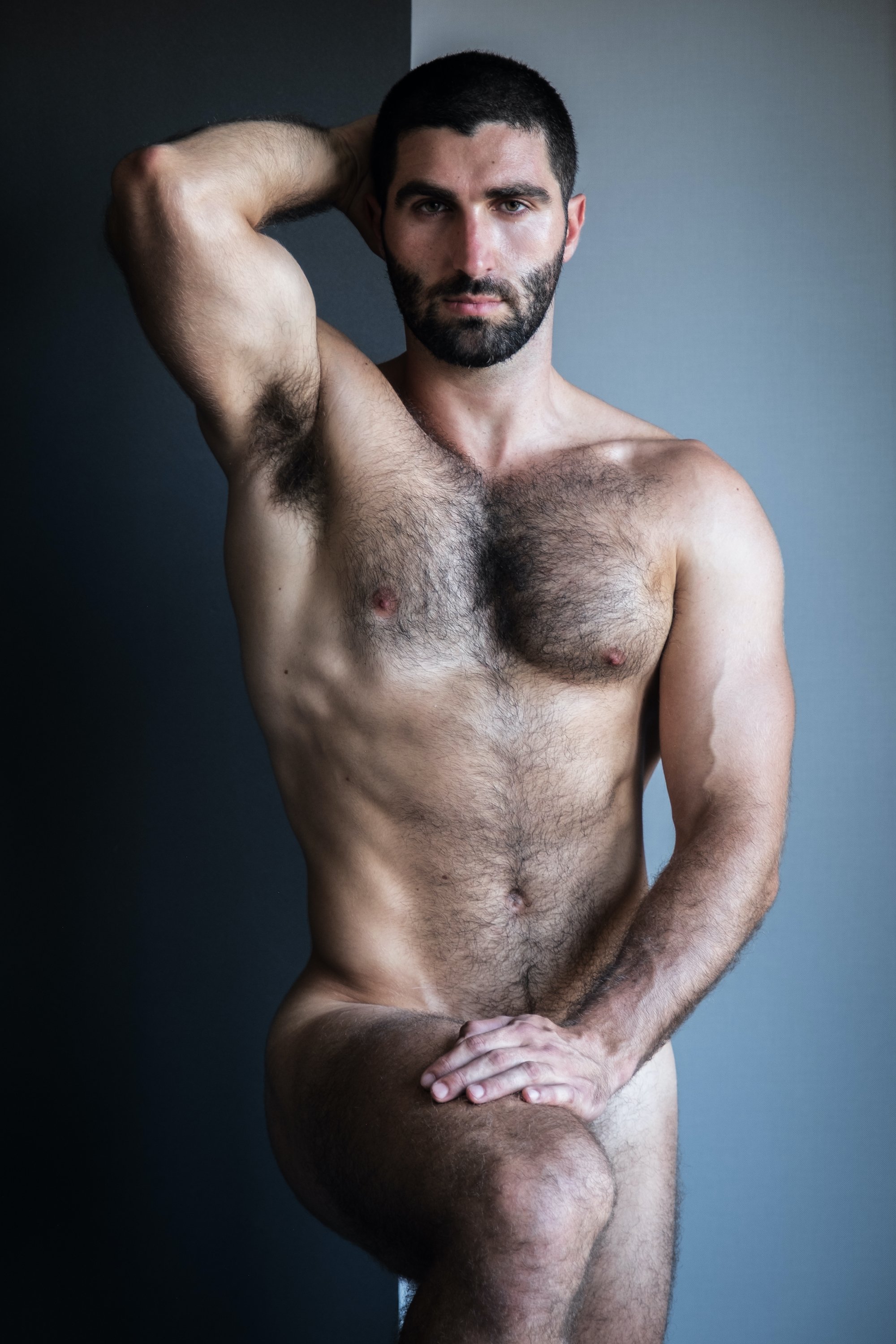
@tommydggy by @male.archetypes
GWF: Strong counter light is a signature of your work — what does that lighting allow you to express emotionally or visually?
Counter light allows the body to transform into something almost sculptural. When light comes from behind, it outlines the form and emphasizes silhouettes, textures, and contours in a very dramatic way.
Emotionally, it creates a sense of mystery. The body becomes both revealed and hidden at the same time. I love that ambiguity: it invites the viewer to imagine, to project their own desire or curiosity into the image.

GWF: What fascinates you most about photographing the male body?
What fascinates me most is its capacity to communicate both power and intimacy. A male body can feel monumental and delicate in the same frame.
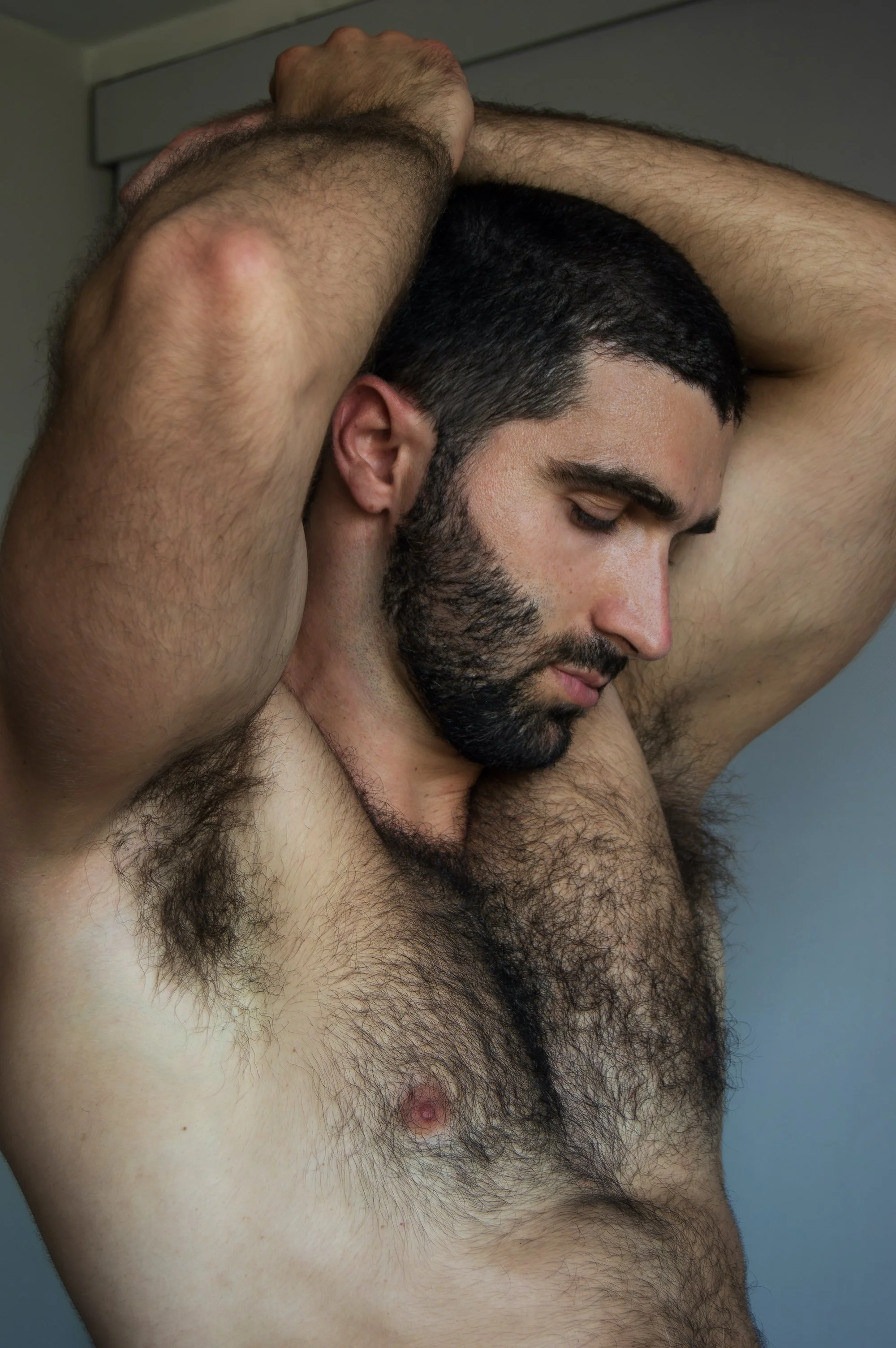
I am also fascinated by details that many people overlook, skin, body hair, small gestures, the natural textures that make every body unique. Those elements feel incredibly human to me. They transform the body from an abstract ideal into something alive and deeply sensual.
GWF: Do you approach your work more as storytelling, portraiture, or visual poetry?
I would say my work lives somewhere between portraiture and visual poetry.
There is always a real person in front of my camera, so the portrait element is important. But at the same time I’m not necessarily telling a literal story. I’m creating emotional atmospheres and symbolic images that invite interpretation. In that sense, it feels closer to poetry, something suggestive rather than explanatory.
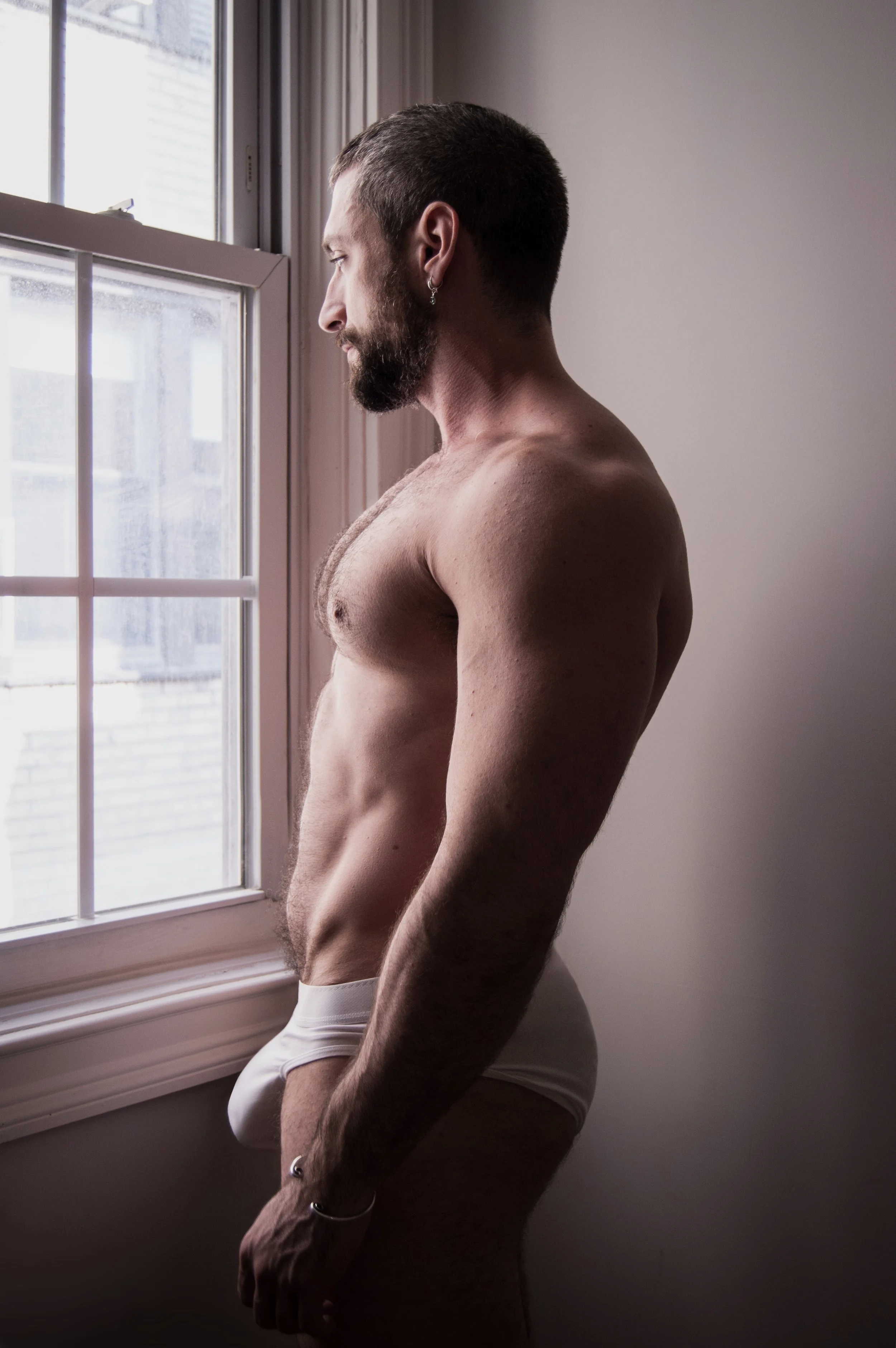
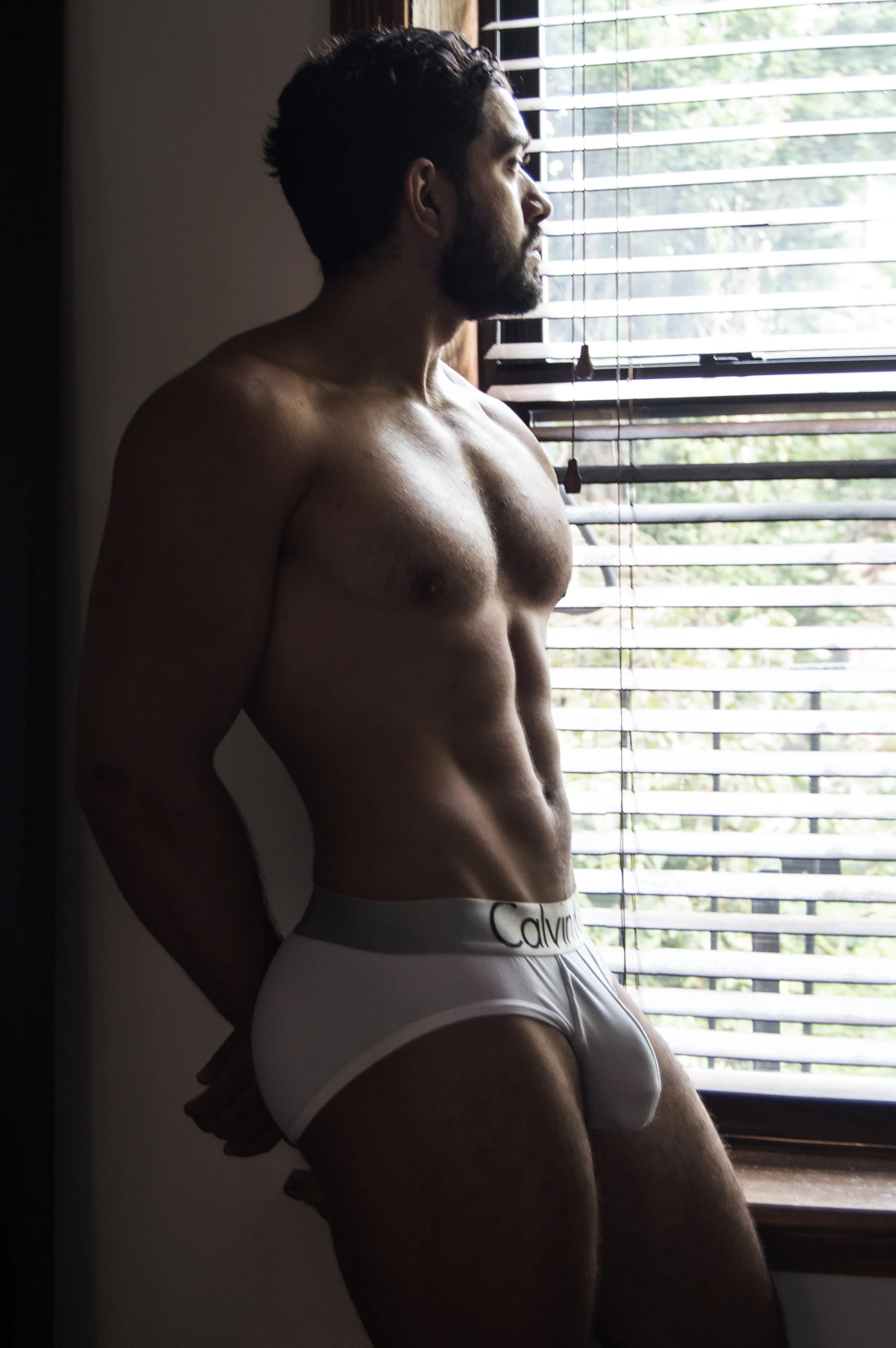
@ormagoestothegym & @drew97s by @male.archetypes
GWF: How do you balance intimacy, tenderness and strength in your images?
For me that balance comes from trust. My relationship with the models is based on respect, professionalism, and openness. When a model feels comfortable, the camera can capture a much wider emotional range.
Strength often comes naturally from the male form itself, but tenderness appears in the small moments, the way someone rests their arm, the softness of a gaze, the quiet vulnerability of being seen. Those moments are incredibly powerful to photograph.

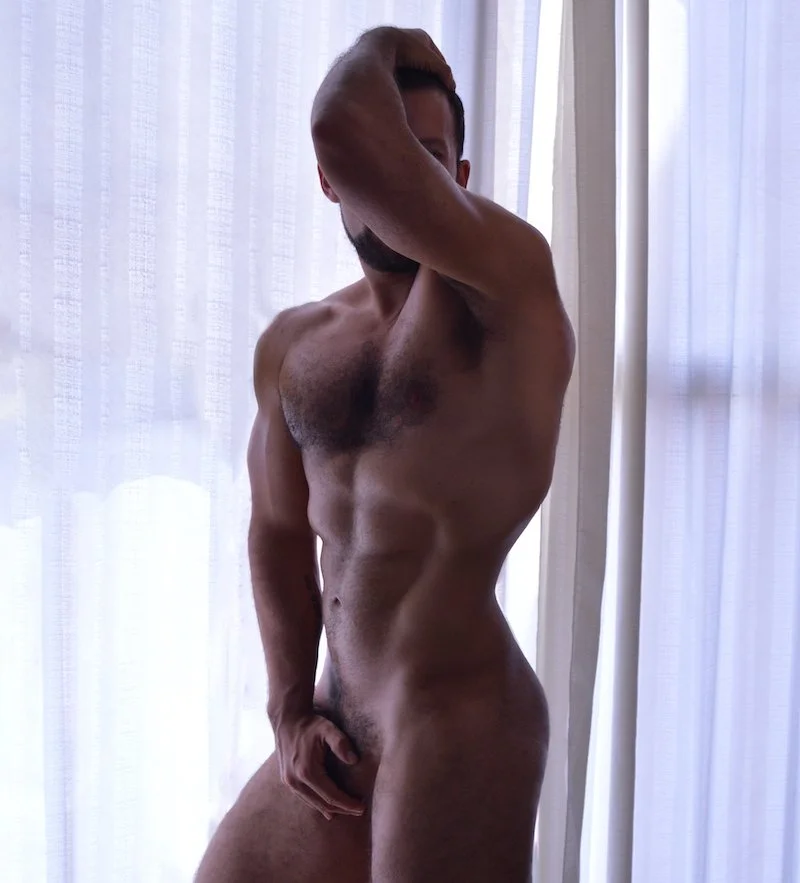
Self portrait by @male.archetypes
GWF: You also photograph yourself — how does being both the photographer and the subject change the creative process?
Photographing myself is a very different experience. It introduces a kind of vulnerability that I think every photographer should understand at least once.
When I’m both the photographer and the subject, the process becomes very introspective. There’s no distance between the creator and the image. It can be strangely intimate and even exciting, because I’m exploring my own presence in the same visual language I use with others.
At the same time, I still prefer being behind the camera. I think many photographers share that feeling.
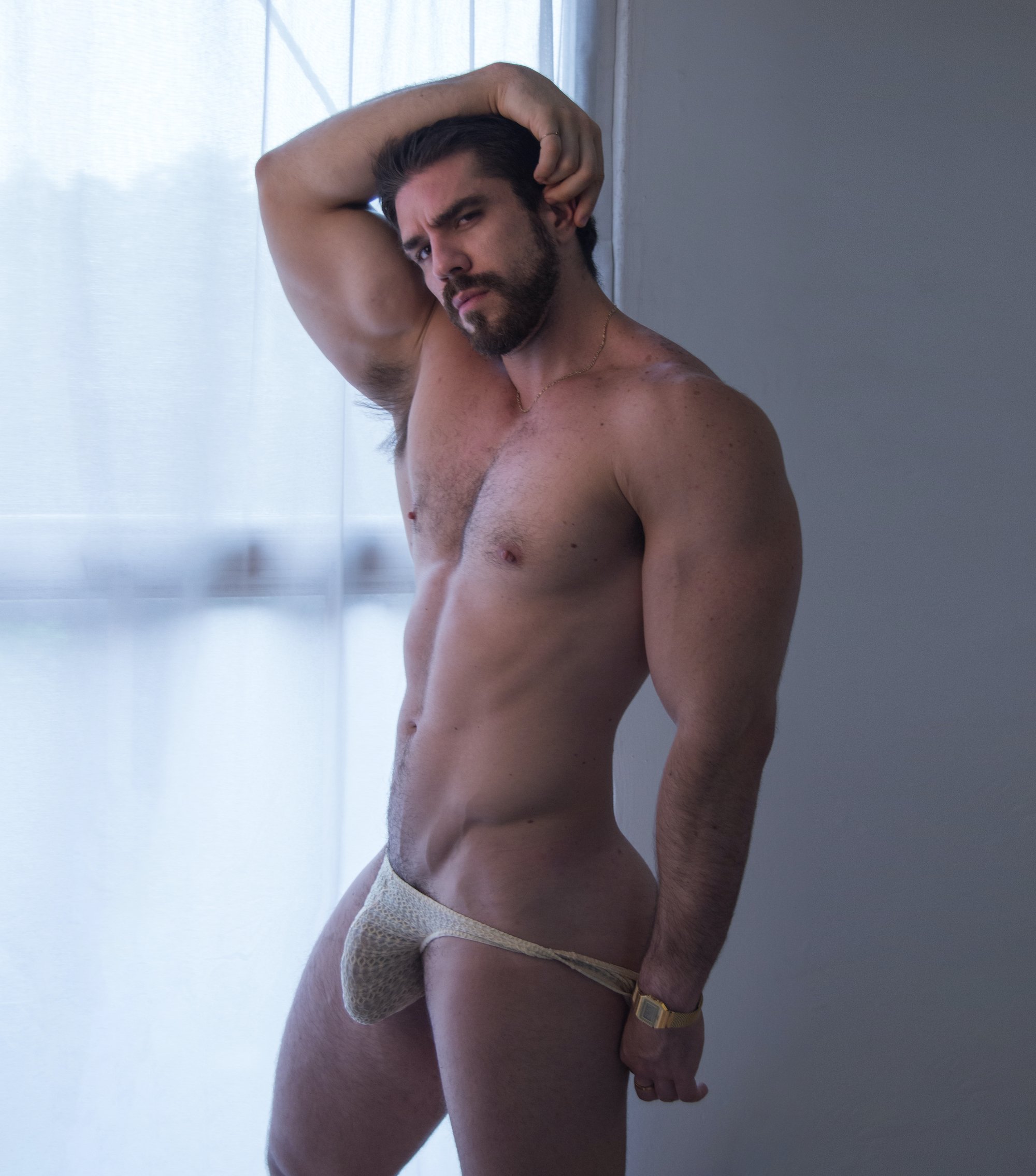
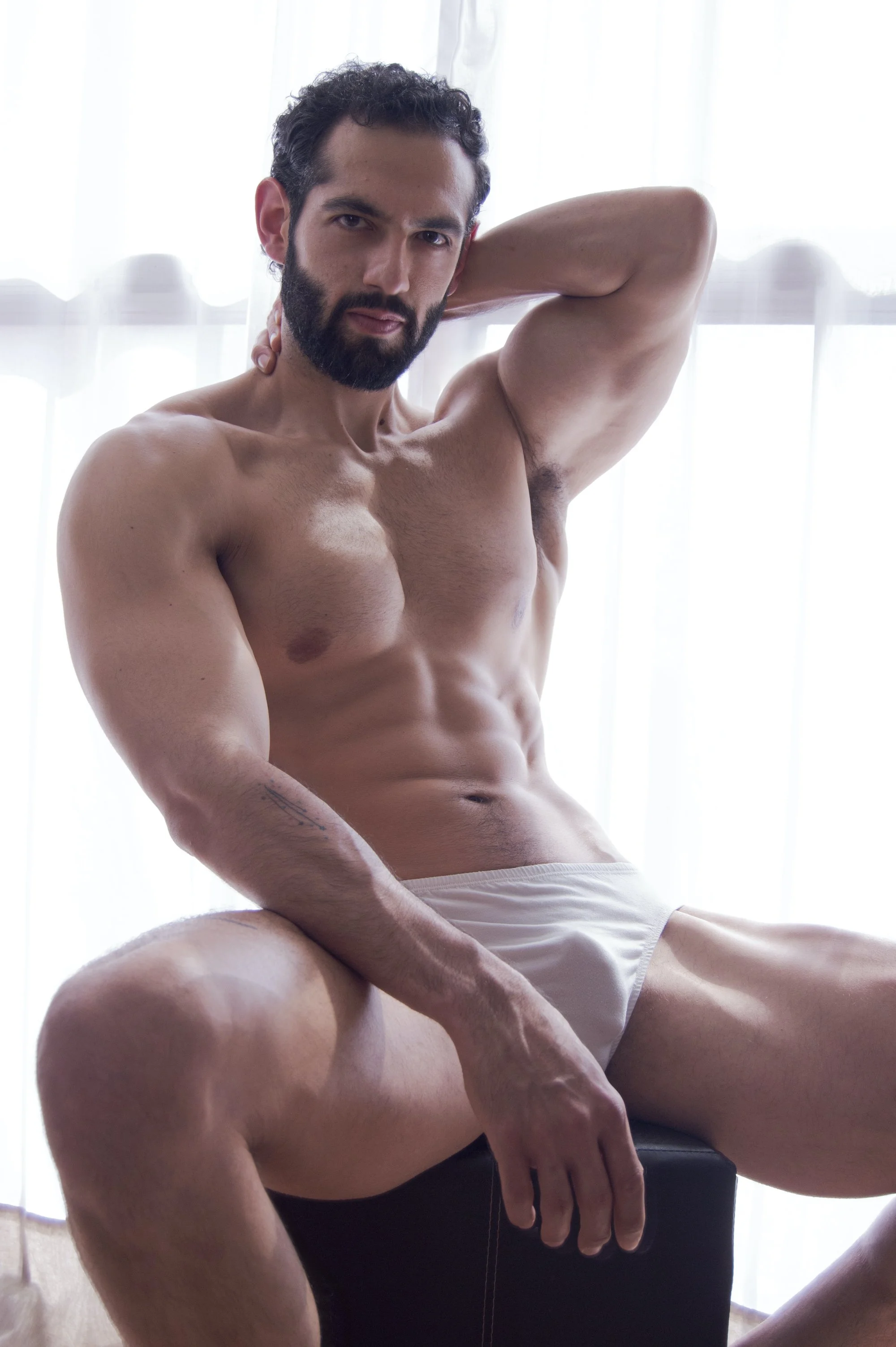
@candelas_ & @sanmapel by @male.archetypes
GWF: What themes do you find yourself returning to in your work?
I often return to themes of archetype, desire, masculinity, and the timeless beauty of the male body.
Ancient sculptures of nude male figures are a constant inspiration for me. Those works remind us that admiration for the male form has existed for centuries. I see my photography as part of that long artistic conversation, a contemporary interpretation of those classical ideals.
GWF: When photographing men, do you find yourself drawn to certain types or body shapes? If so, why?
I am naturally drawn to bodies that express a strong masculine presence: bodies that carry the visual language we culturally associate with male archetypes.
I’m also personally fascinated by body hair and the textures that come with it. For me, those details represent authenticity and maturity. They add character to the image and make the body feel real rather than polished or artificial.
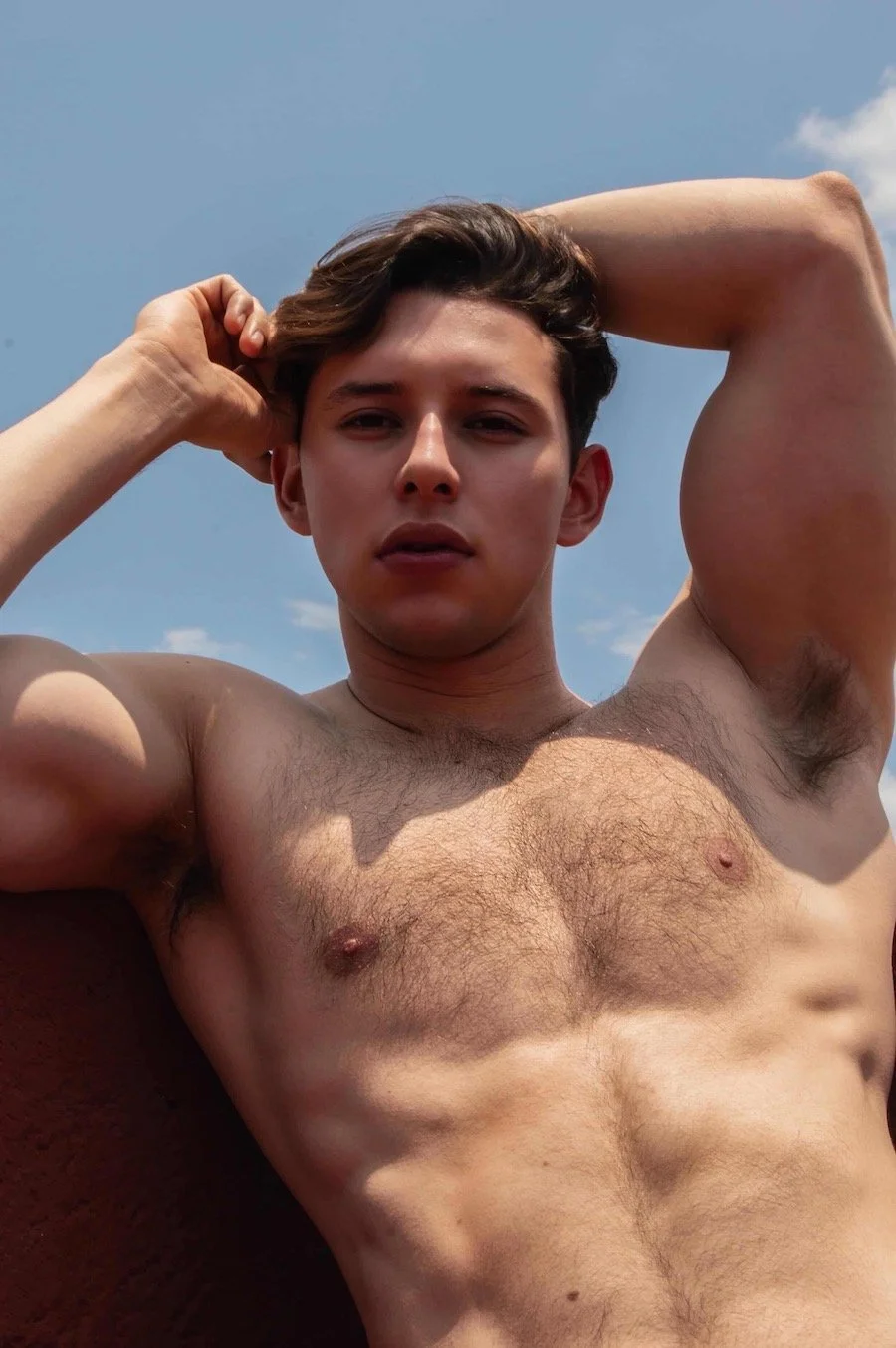
@angelgrijalva1 by @male.archetypes
GWF: Do you notice any differences when photographing gay men compared to straight men? If so, in what ways?
In terms of respect and professionalism, there is no difference for me. Every model deserves the same care and trust during a session.
What sometimes differs is the initial comfort with sensuality. Some gay men may already feel familiar with expressing that side of themselves, while straight men may approach it more cautiously at first. But interestingly, many straight amateur models become very open once they realize the process is respectful and artistic.
In fact, I often enjoy working with amateur models, whether gay or straight, because they tend to bring curiosity and authenticity. They’re more willing to explore new poses and move beyond their comfort zone, and that openness can create very powerful images.
Follow Male Archetypes on Instagram @male.archetypes
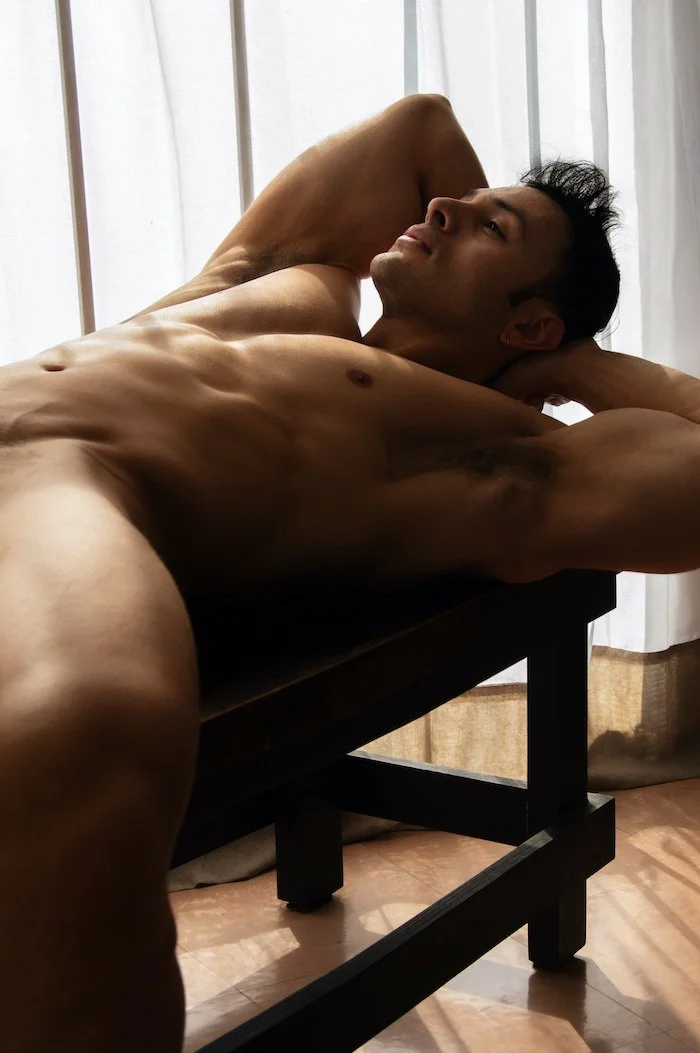
@emiliano_irigoyen by @male.archetypes
