KRISHAWN LUBIN: Turning Toronto’s Queer Nights Into Pure House Therapy
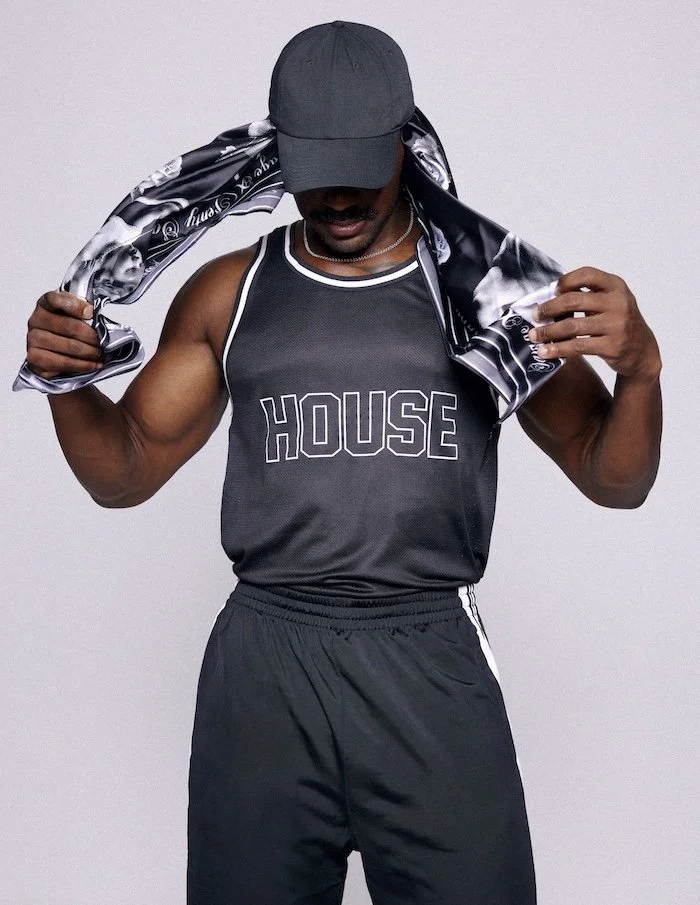
From the Bahamas to Toronto’s queer underground, Krishawn Lubin has gone from dancer on the floor to DJ behind the decks. Now the force behind Therapy Toronto and the sex-positive Yum Yum Party, he’s helping shape the city’s house music scene.
GWF: Introduce yourself to our readers. Where are you from, where are you currently based, and how did your journey into DJing begin?
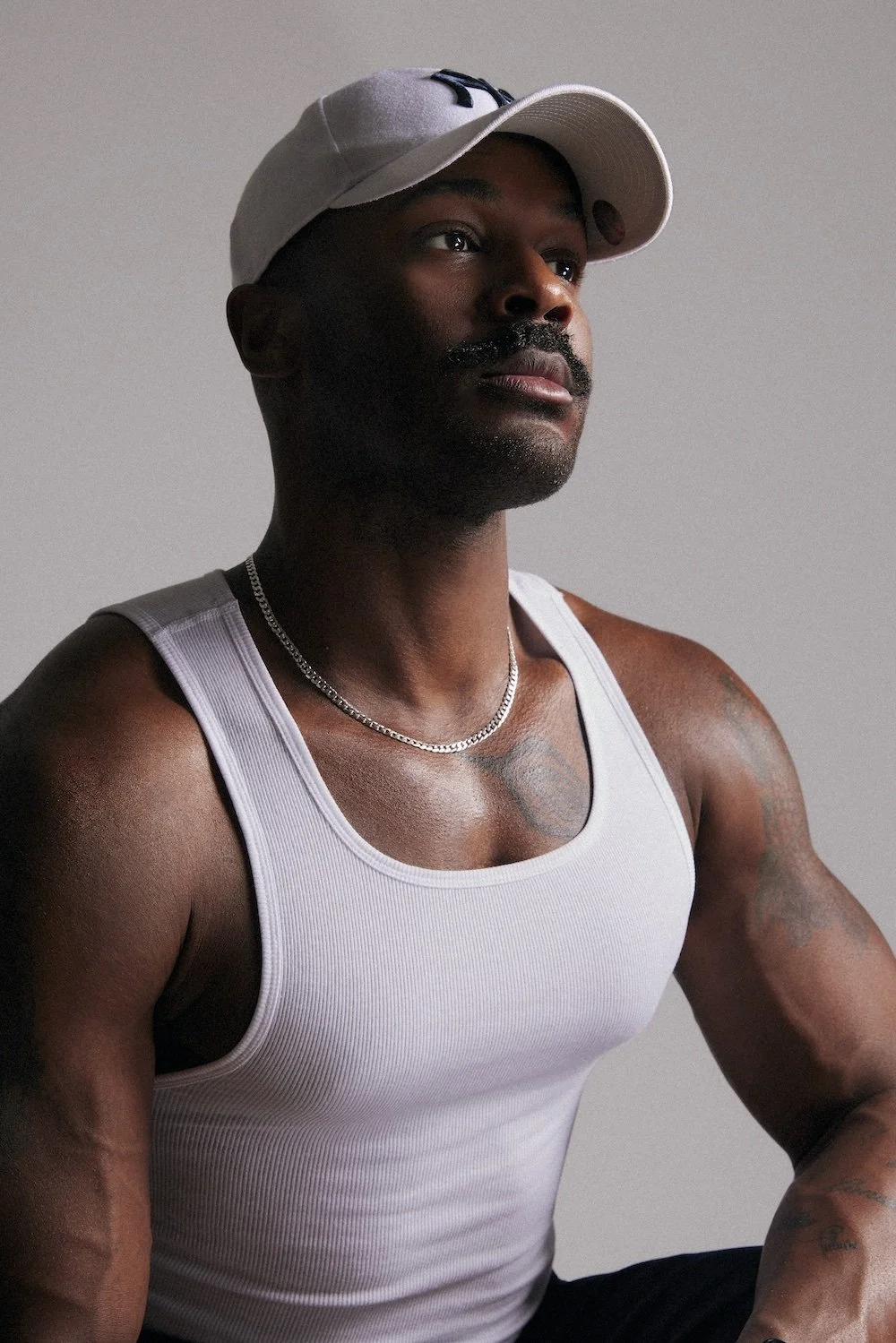
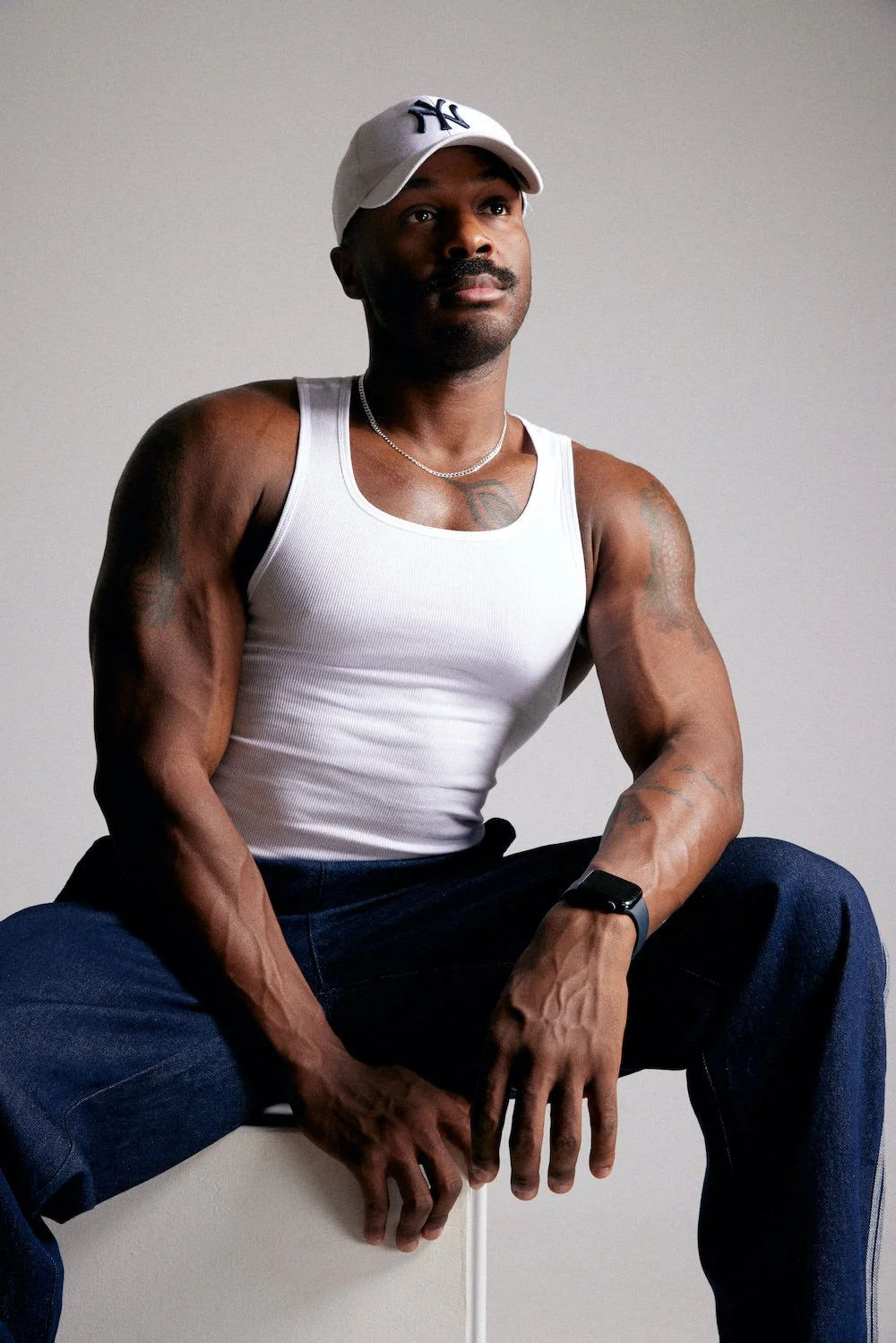
My name is Krishawn. I’m originally from The Bahamas and I’m currently based in Toronto.
My journey into DJing actually started on the dance floor. For years I worked as a dancer at events in the nightlife industry. I spent so much time in front of the booth watching DJs shape the energy of a room. Night after night I felt how the music could completely change the atmosphere.
Eventually I started getting this urge to control the music myself. As a dancer you respond to the DJ, but I wanted to be the one guiding the energy of the room. That curiosity turned into learning the craft, and over time DJing became a huge part of my life.
Now I exist in both worlds. I create the spaces through the events I produce, and I also step into the booth to shape the experience musically.

GWF: How would you describe your musical style, and what kinds of sounds and influences shape the sets you play on the dance floor?
My sound sits in house music, especially vocal and classic house. I’m drawn to records that have soul, big emotions, and strong grooves that pull people together on the dance floor.
A lot of my influence comes from the roots of queer dance floor culture. The kind of music that connects people through vocals, uplifting moments, and that timeless house energy that never really goes out of style.
I love tracks that make people feel something. The ones where the whole room starts singing, smiling, or closing their eyes and just getting lost in the moment. For me the best dance floors are emotional, not just loud.
GWF: When you are behind the decks, how do you read the energy of the crowd and build a journey through your set?
For me DJing is a conversation with the room.
You can feel when people are ready to go deeper, when they want something playful, or when they need a moment to breathe. I watch the dance floor constantly. Who is dancing, who is arriving, when the room starts to lock in together.
A good set isn’t just big moments. It’s tension and release. You guide people slowly, let them settle into a groove, then surprise them. When the room and the DJ are moving together, that’s when the magic happens.
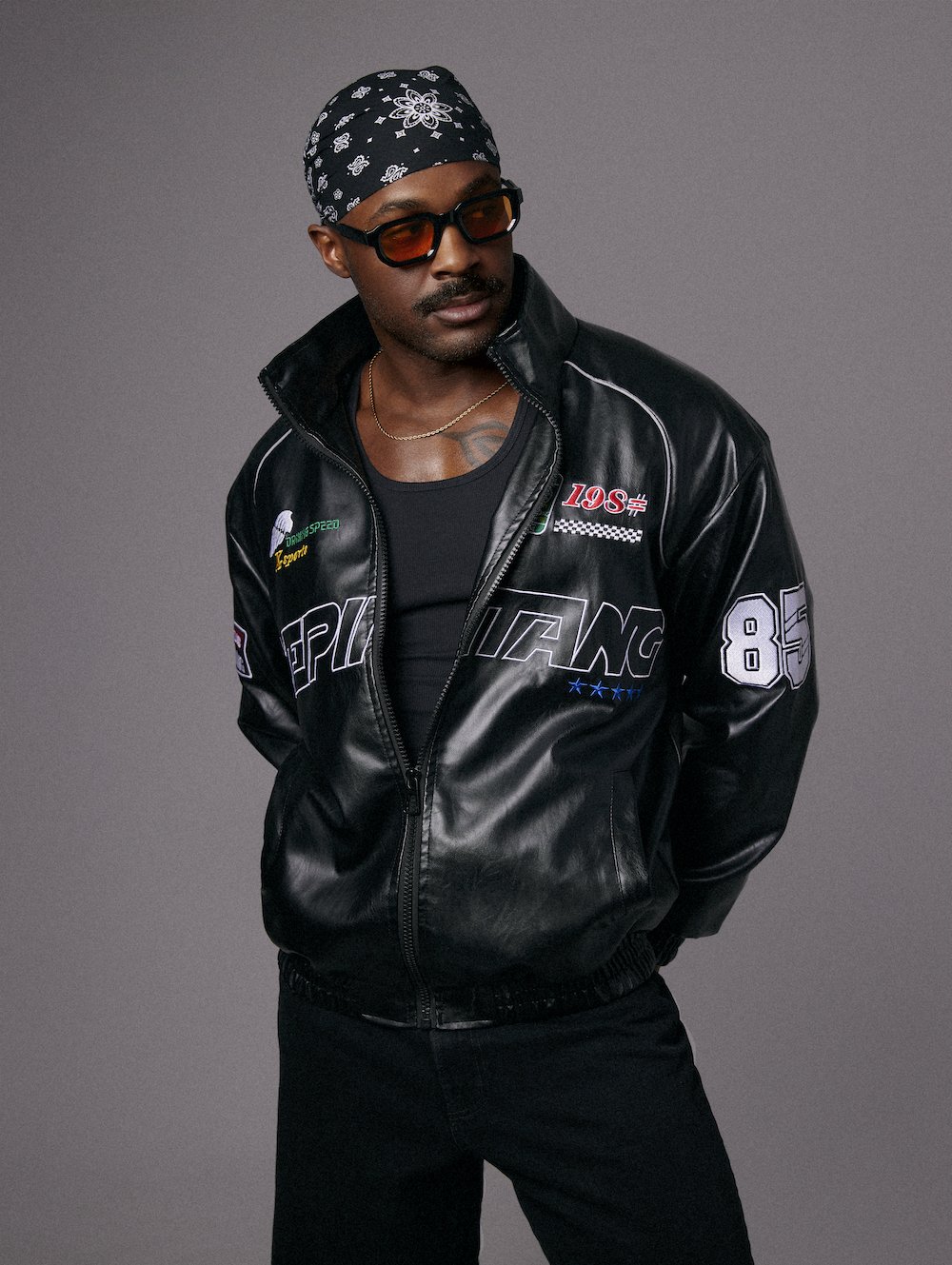
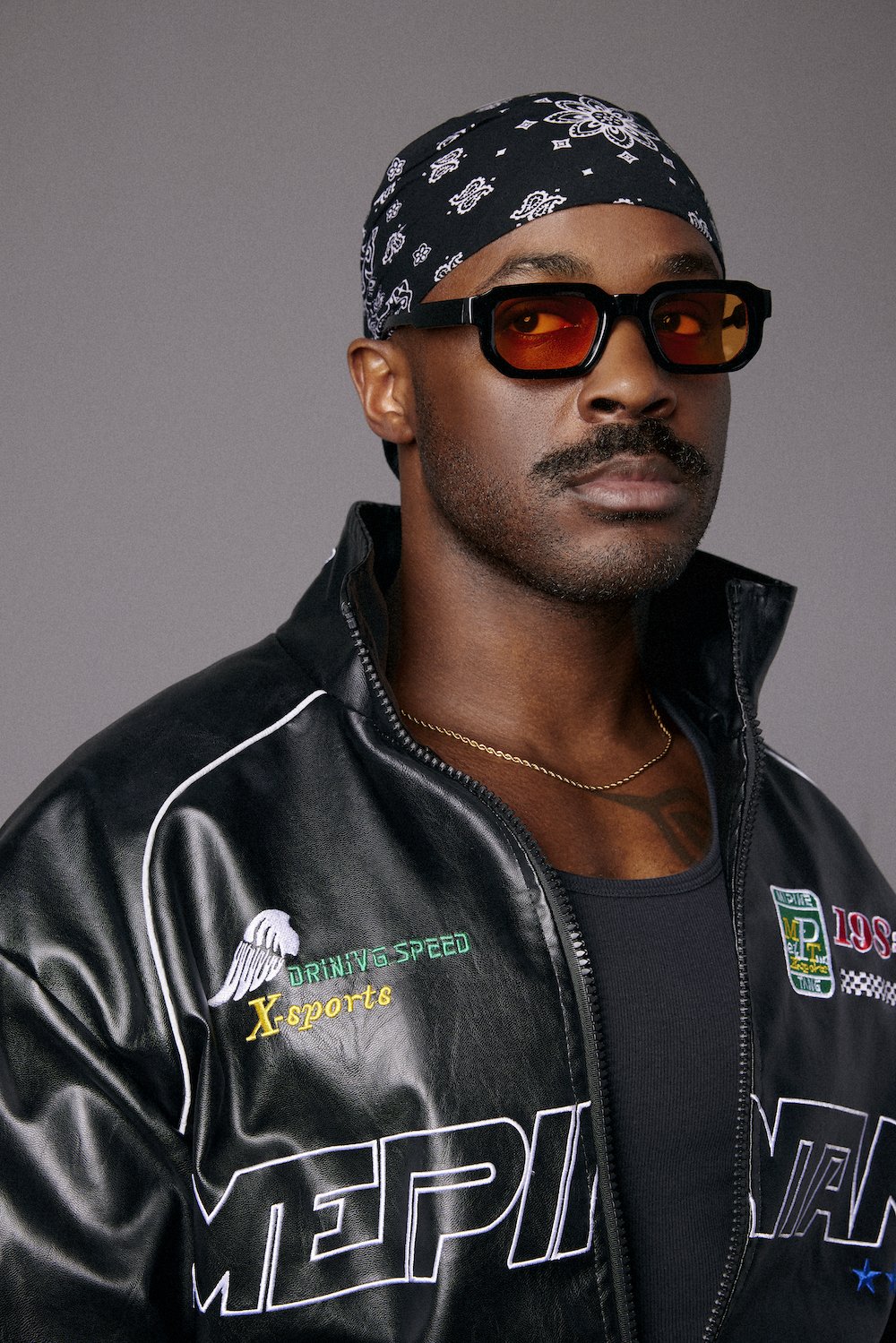
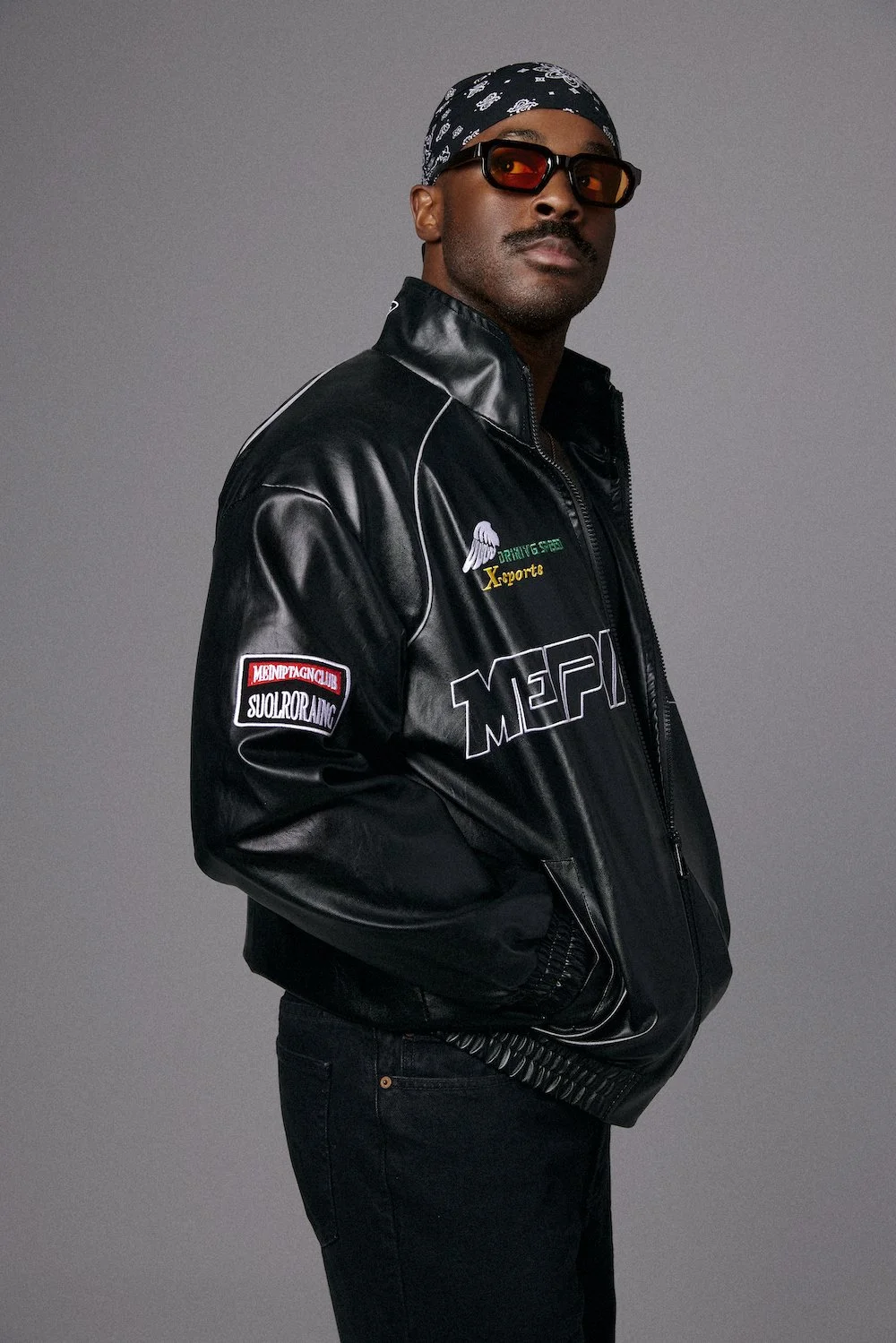
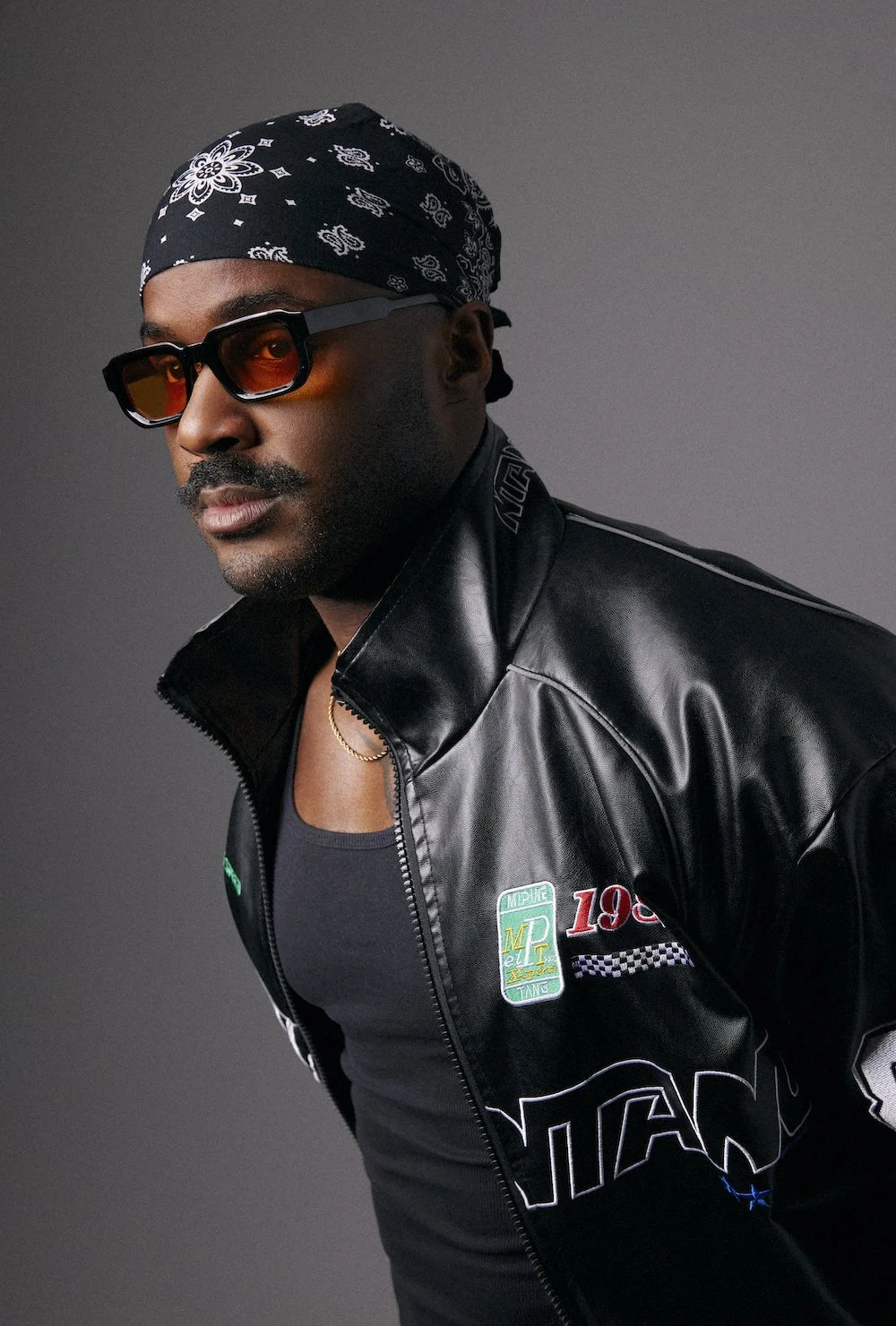
GWF: You are the founder of Therapy Toronto. What inspired you to create this house music collective, and can you tell us about it?
Therapy started from a really simple idea. House music has always been healing for queer people.
I wanted to create a space where the focus was music first. A dance floor where people could come release stress, connect, and reset a little bit through music and community.
Over time Therapy became more than a party. It turned into a collective of DJs, artists, and people who believe in creating thoughtful dance floors. Spaces where the music is respected and the community feels held.

GWF: You are also the founder and A&R behind Yum Yum Party. What is the vision behind Yum Yum, and how is it different from other queer dance parties in Toronto?
Yum Yum is a different energy entirely.
Where Therapy leans toward musical healing, Yum Yum leans into liberation. It’s a sex positive queer party built around freedom, expression, and the raw energy that dance floors can hold.
The music is deeper, darker, more hypnotic. The environment encourages exploration and connection, but it’s also very intentional. We focus a lot on consent, safety, and creating a space where people can express themselves without judgment.
It’s less about spectacle and more about energy. When you walk into Yum Yum you immediately feel that you’re somewhere different.
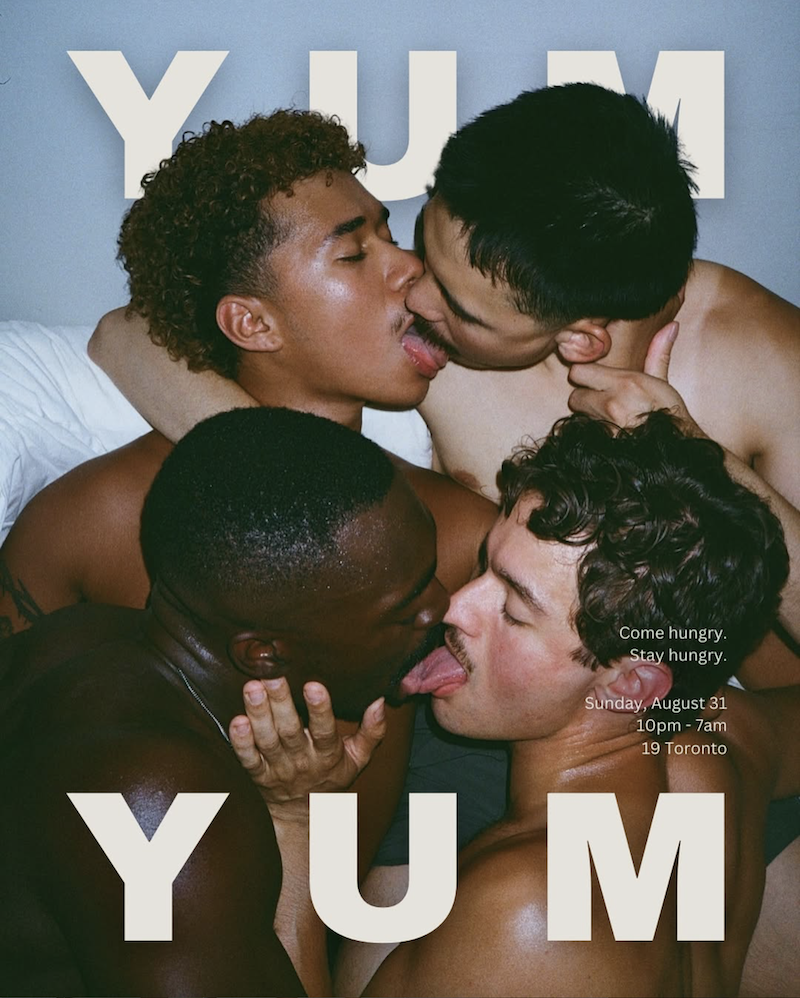
GWF: Yum Yum is described as a space where queer people can move, explore, and connect. How do you create an environment where people feel free to express themselves on the dance floor?
It starts with intention. And it also helps that I’m a part of amazing team.
The music sets the tone, but the policies and the culture matter just as much. We have a no camera policy so people can actually be present. We communicate clearly about consent and respect.
We also curate the crowd and the team around the event carefully. The dancers, the staff, the DJs, the people at the door. Everyone understands the kind of space we’re building.
When people walk in and realize they can be themselves without being watched or judged, the room transforms very quickly.
GWF: Toronto has a vibrant and diverse nightlife scene. How would you describe the city’s queer electronic music community right now?
Toronto’s queer electronic scene is very alive right now. There’s a lot of creativity happening. New collectives, underground parties, and artists pushing different sounds. You have everything from house and disco to techno and experimental spaces.
What I love about Toronto is that it’s very community driven. People support each other, collaborate, and build things together. It can be challenging because the city is expensive and regulations are strict, but that pressure also makes the scene more intentional.
GWF: How does the queer club scene in Toronto compare to other cities in Canada, and how does it stand alongside international queer nightlife scenes you’ve experienced or followed?
Toronto definitely leads in Canada when it comes to scale and diversity of queer nightlife.
Cities like Montreal and Vancouver have amazing scenes too, but Toronto has a huge mix of cultures and communities that shape the dance floor.
Internationally, Toronto is still a bit more underground compared to places like Berlin, London, or New York, but that’s part of its charm. The scene here feels very grassroots and community built. People come because they love the music and the energy.
And I think Toronto is slowly becoming a destination for queer electronic music in its own way.
GWF: For new travellers to the city, what are your 3 favourite places for them to discover?
Hanlan’s Point Beach - Toronto’s queer beach and one of the most special places in the city. In the summer it becomes this huge open gathering of queer community, music, and sunshine. It feels free, relaxed, and very Toronto.
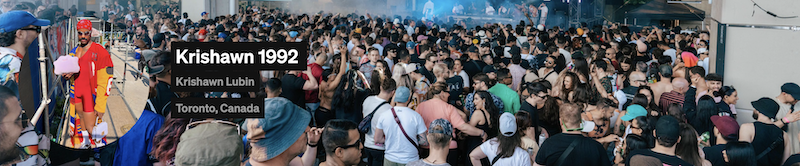
Electric Island - If you love electronic music, this is something you have to experience. It’s one of Toronto’s biggest dance music festivals and happens across the summer on the Toronto Islands and other locations. Great DJs, beautiful views of the skyline, and thousands of people dancing together outside.
Promise at Cherry Beach - Promise is a legendary Sunday party in Toronto during the summer. It’s a beautiful outdoor dance floor right by the water where house music plays all day and night. It has this really joyful, community driven energy that represents the best of the city’s dance culture.