
DJ MIDNIGHTSNACK: Inside Melbourne’s Queer Techno Underground
Melburnian Erks, known behind the decks as DJ MidNightSnack, has spent years navigating the city’s evolving queer nightlife, crafting sets that blend techno foundations with old-school influences and unexpected electronic twists. From pirate radio adventures in London to curating intimate underground parties back home, his approach to DJing is all about reading the room and guiding the crowd through a musical journey that keeps the dance floor alive until the early hours.
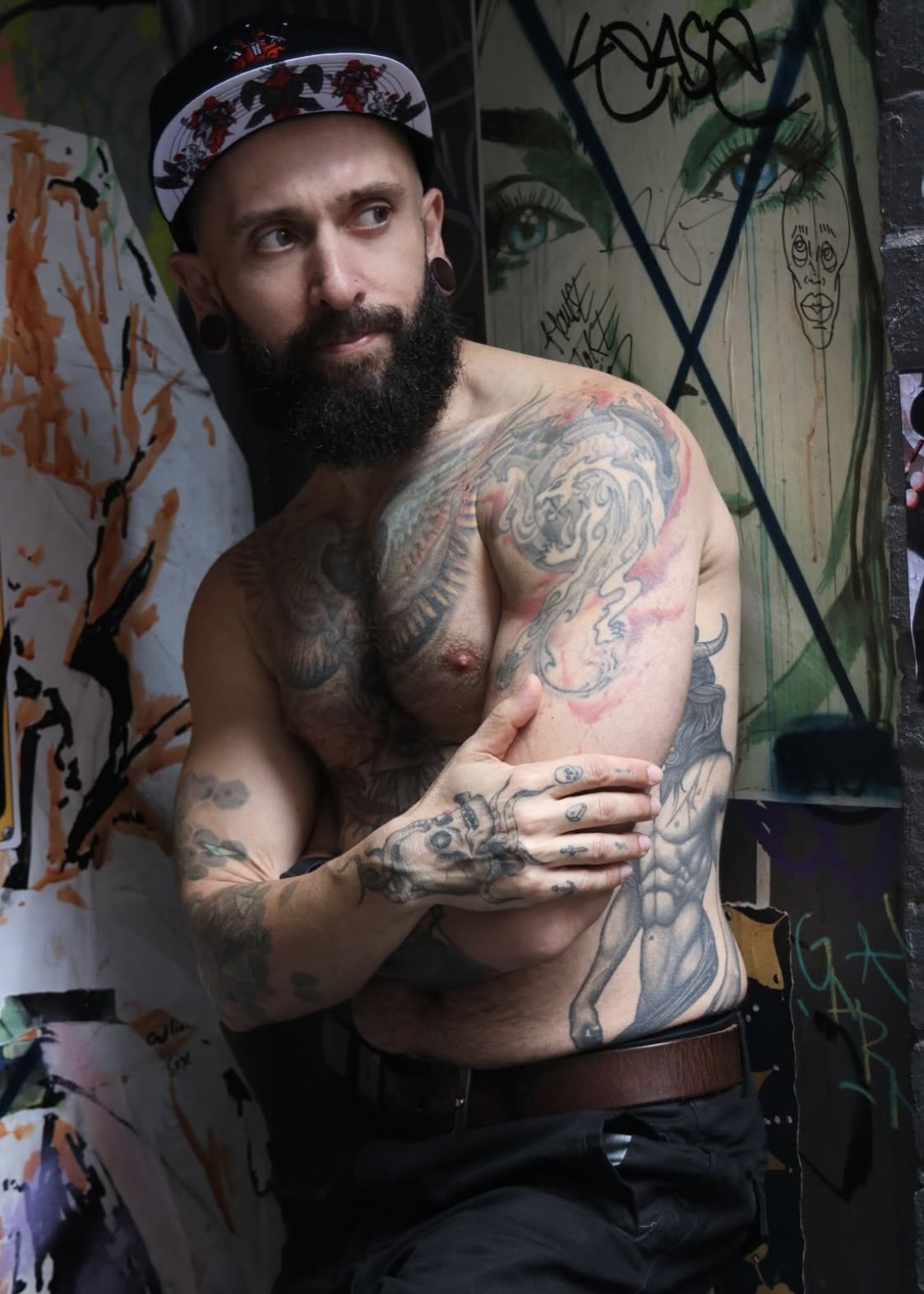
GWF: Tell us who you are and where are you from?
My name’s Erks. I’m from Melbourne, Australia, a first-generation Aussie. My parents migrated here in the 1970s after the war in Cyprus, so Melbourne’s always been home for me.
I’ve spent most of my life here and I’m turning 46 this year. I did have a little detour though. I lived in London for about four or five years from 2009. At one point I thought I might stay there for good, but eventually the cold winters got the better of me and I started craving Melbourne again. So I made the move back.
These days I’m living in Melbourne’s western suburbs. It was a bit of a lockdown-era relocation when the world felt like it was ending and everyone was reassessing life. But the plan is to move back closer to the city later this year.
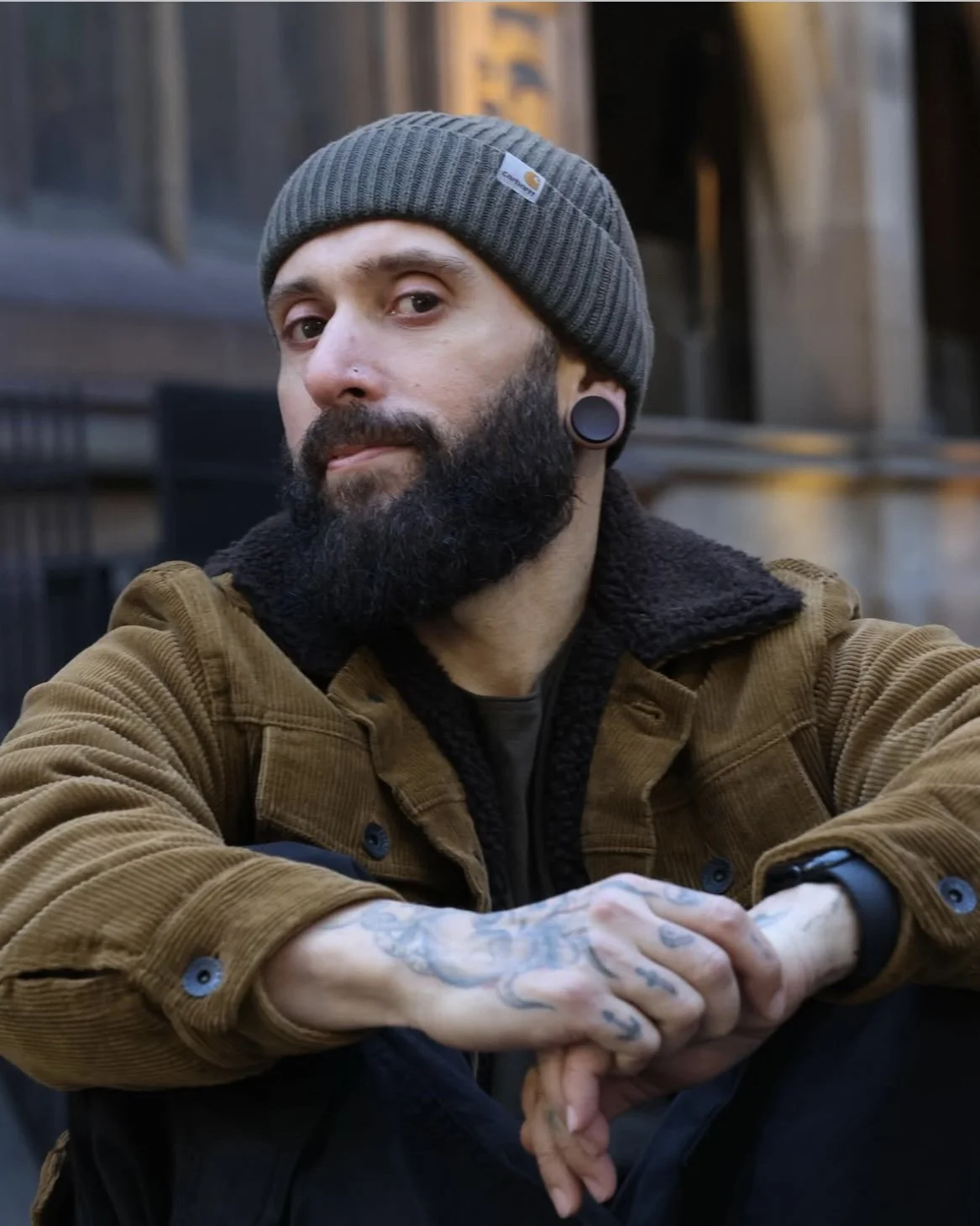
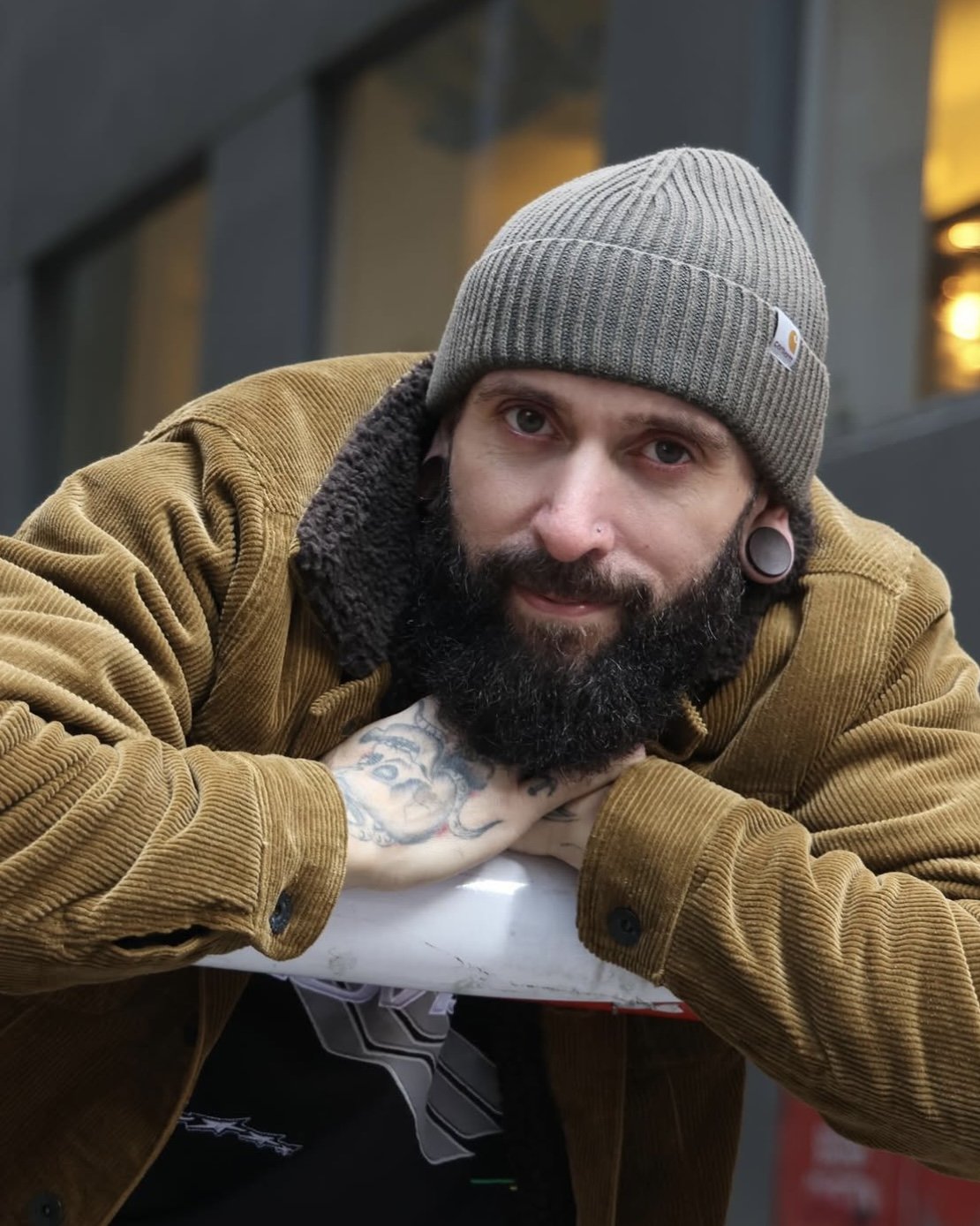
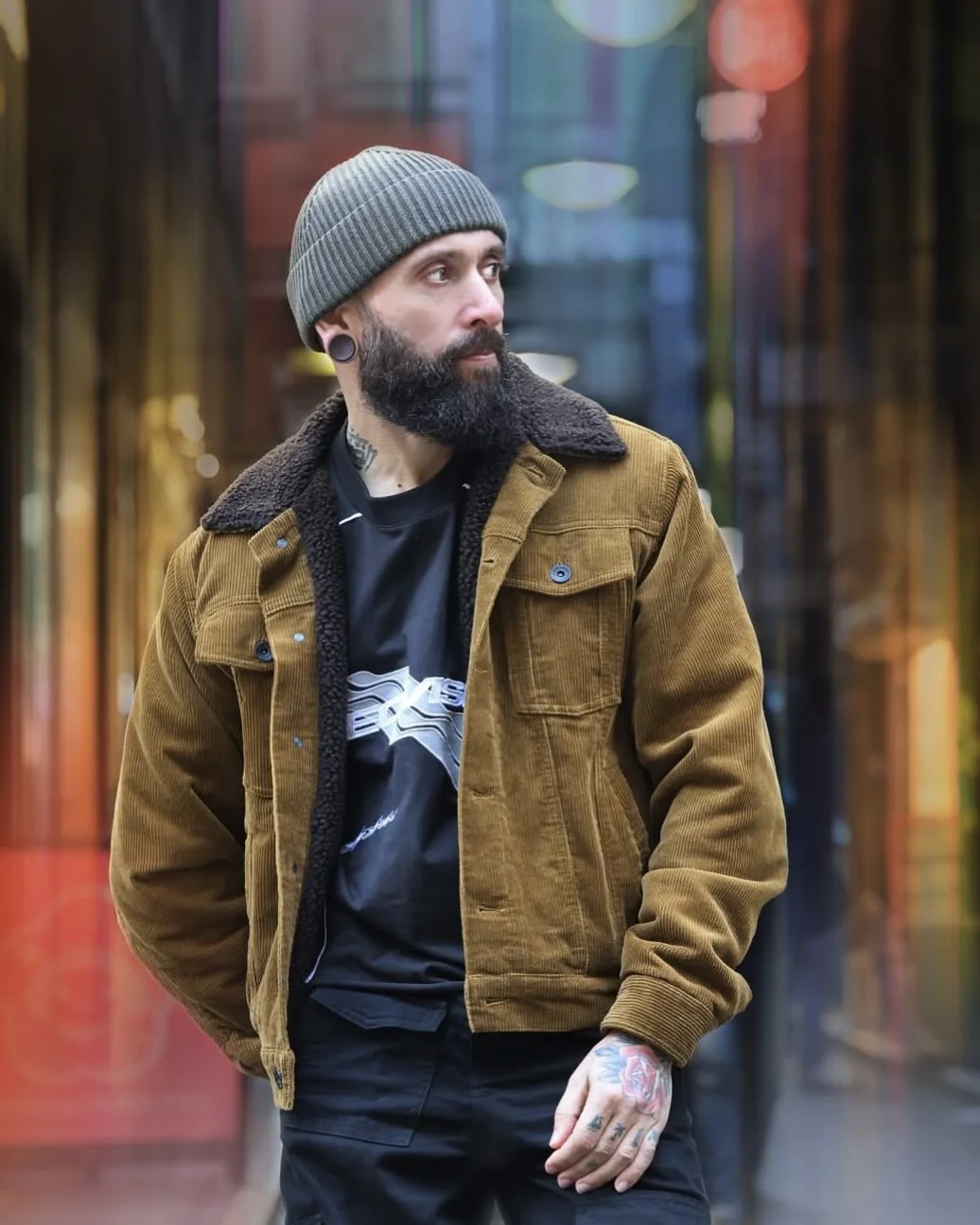
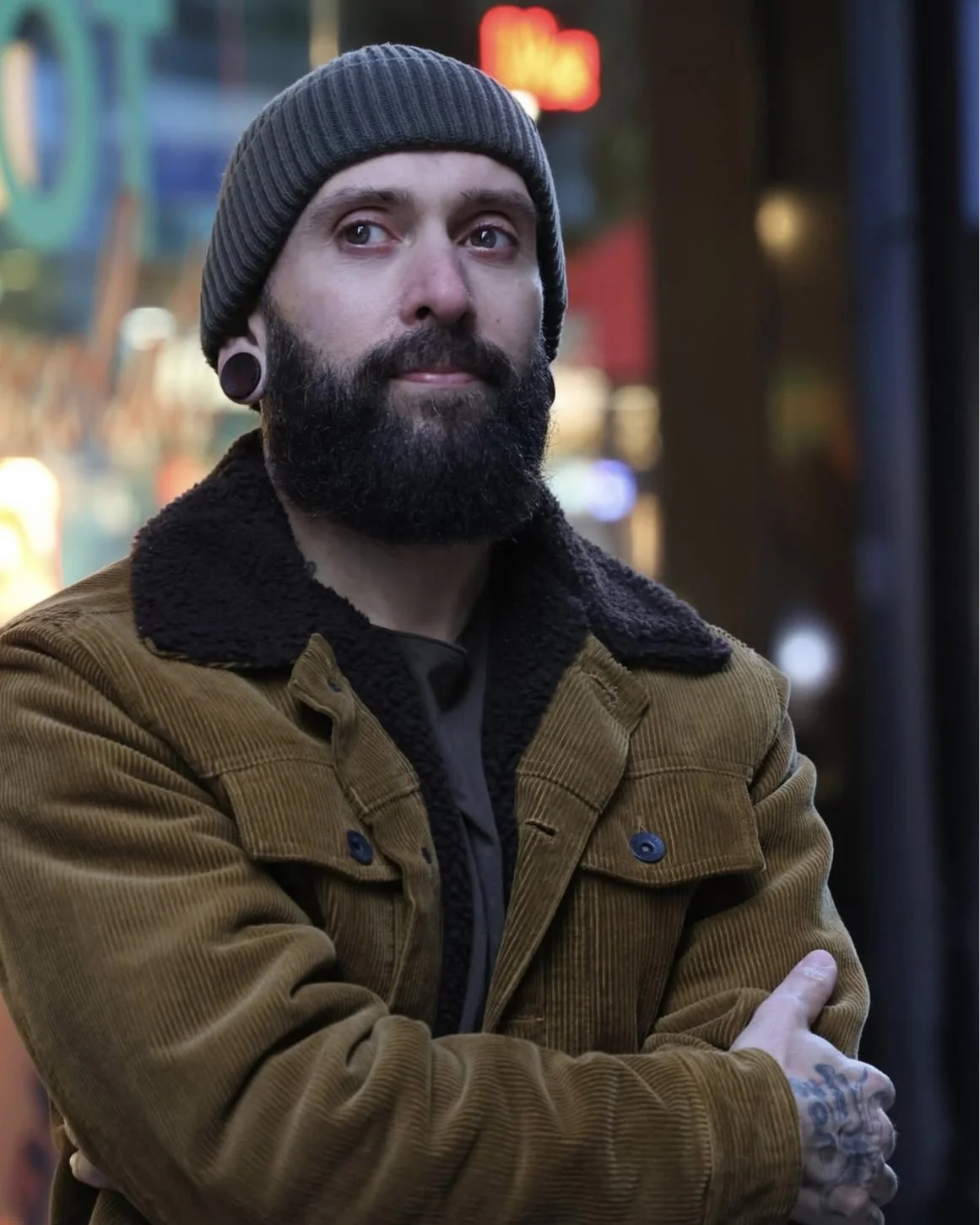
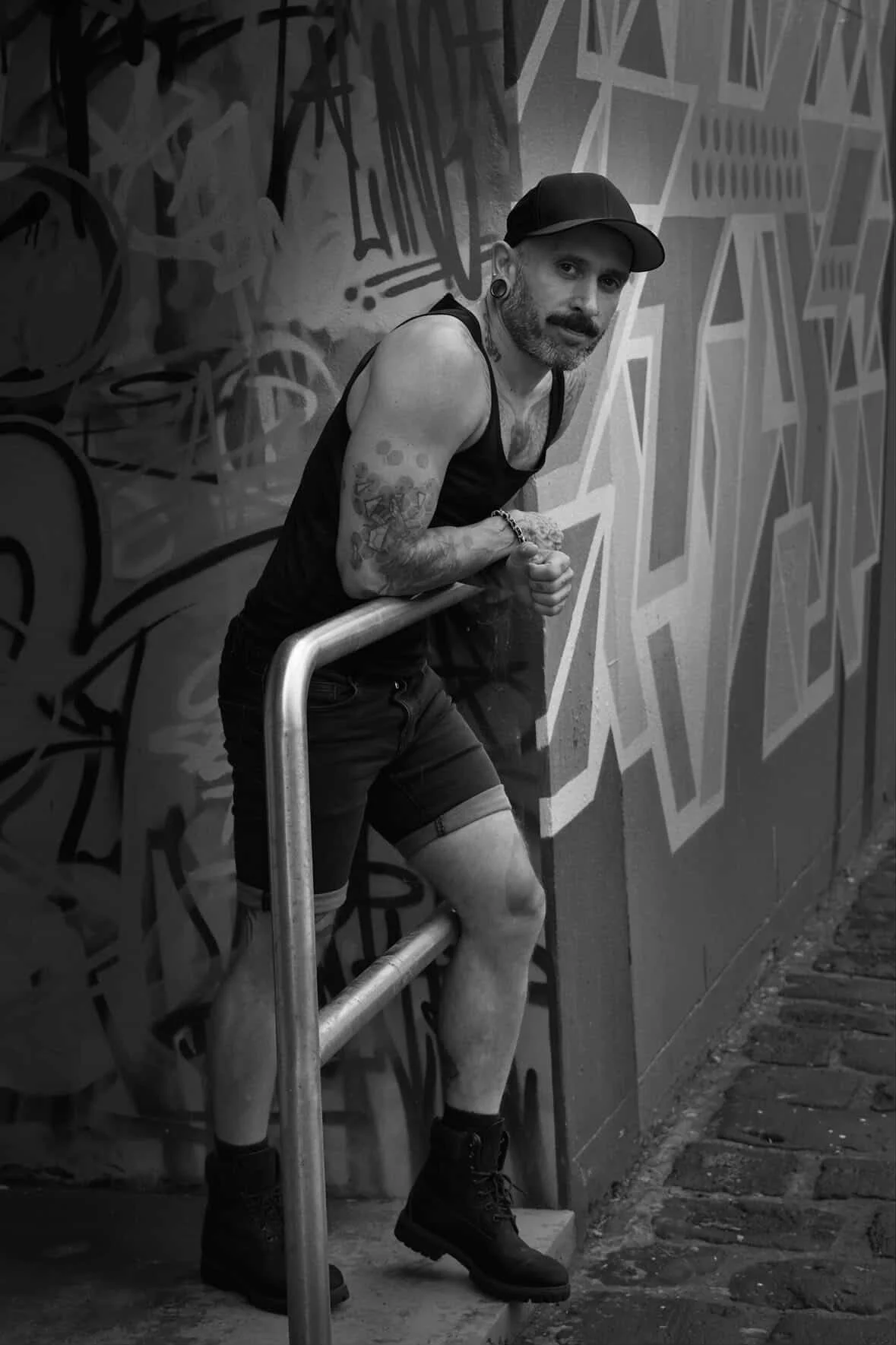
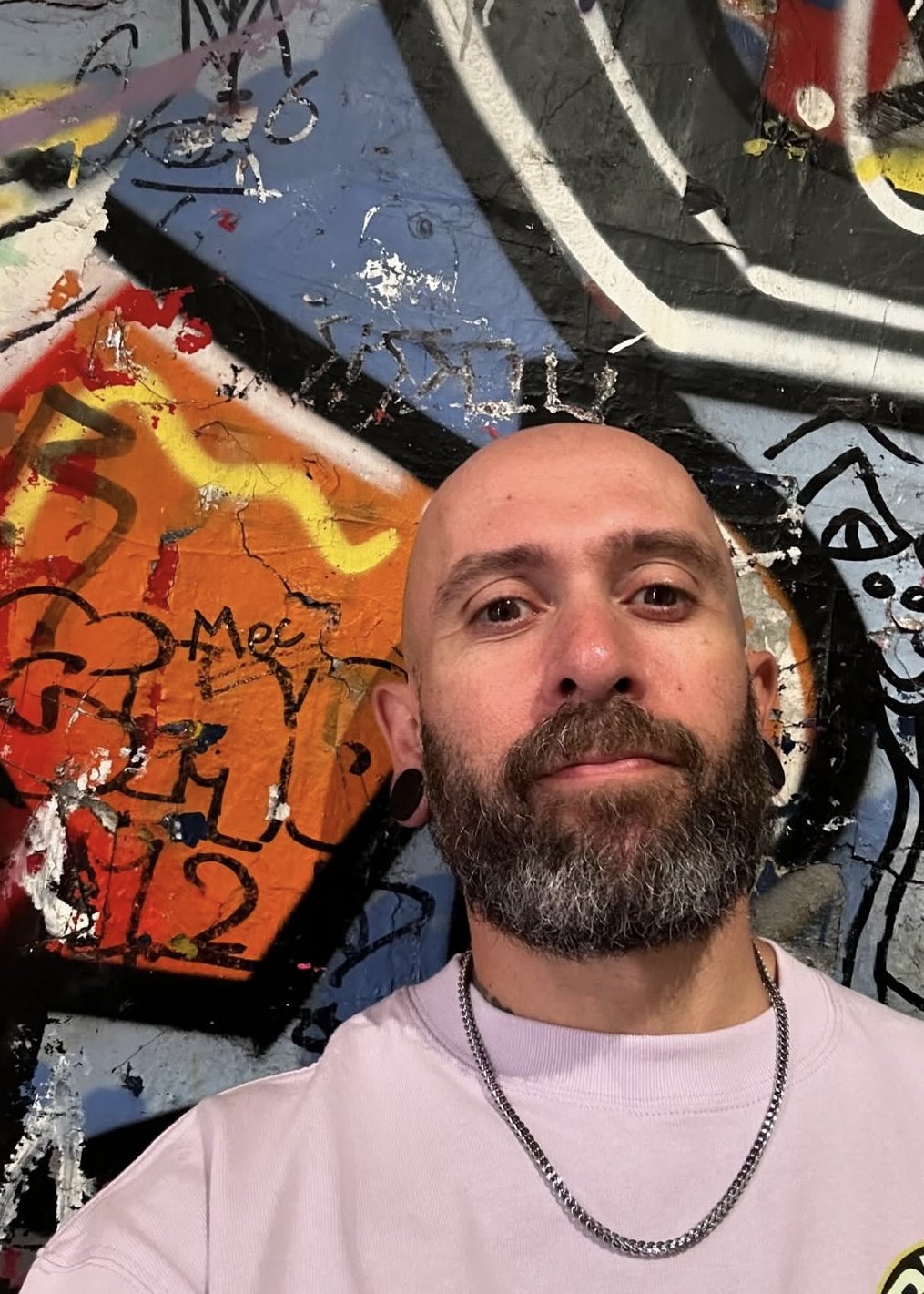
@mid.night.snack__ by @justinphoto_melbourne
GWF: How did you first get into DJing, and what drew you to Melbourne’s queer music scene?
I actually got into DJing when I was living in London. I was dating a guy at the time who had a weekly show on a pirate radio station, which was a whole adventure in itself. We had to bring all the gear with us, decks, everything, load it into the car, drive it over, set it all up. It was basically an entire evening’s mission.
We had pretty similar music tastes and spent a lot of time hunting down new artists and going to little gigs around the city. It could be anything, drum and bass, UK grime, house, garage, a lot of the new British artists that were coming up at the time. I loved that part of it, discovering new sounds and getting excited about music together.
Technically it was his show, but I got really involved in the process. Also, he didn’t drive, so I ended up being the one hauling him and all the gear to the station each week.
When we eventually split up, he left all his equipment at my place. I started messing around with it out of curiosity and realised I actually really loved it. That’s pretty much where it started.
Before moving back to Melbourne, I played a couple of small gigs in bars. Then when I got back here, I met some local promoters, started throwing my own event as well, and things just kind of grew from there.

GWF: How would you describe your sound, and what inspires your sets?
I’d say my sound definitely pays a bit of homage to the old-school side of things. I’m probably a little set in my ways in that sense. I’m really drawn to tracks that have those familiar textures or samples that subtly nod to older records. It’s not something I intentionally go looking for, but I often realise afterwards that a lot of the music I gravitate towards has those throwback elements.
At the core, I’m grounded in techno, and that’s what I tend to get booked for the most. But I do move around within electronic music quite a bit, sometimes there’s a bit of darker disco, housey techno, or other left-of-centre sounds woven in.
The main thing for me though is the journey. I really like building a set that takes people somewhere and makes the night feel memorable. I’m definitely not someone who plans sets in advance, I might have a rough idea of the direction, but a lot of it is about reading the room and vibing it out on the night.
GWF: What makes the queer club scene in Melbourne unique compared to other cities?
I think what makes Melbourne’s queer club scene unique is how diverse it is. There really is something for everyone.
You’ve got your more traditional gay parties that lean into that very hedonistic, high-energy vibe, but then you also have a huge range of queer events that focus on different music genres, different communities, and different kinds of spaces. There are so many venues and parties that cater to really specific crowds, which I think is what makes it so special.
I haven’t really seen it at that same scale in other cities. It also feels like it’s constantly growing, new parties keep popping up, new collectives, new ideas. That means more spaces for people to find their crowd and their sound.
I think that’s the magic of Melbourne,the scene keeps evolving and creating these little niche pockets where everyone can feel like they belong.

GWF: What’s the vibe of a typical night in Melbourne’s queer clubs, and what makes it unforgettable?
Honestly, I don’t think it’s something that’s unique to Melbourne specifically, it’s more about the energy of the night and the people in the room.
The most unforgettable nights are the ones where the crowd feels really open, inclusive, and comfortable just being themselves. When that happens, there’s this sense of freedom in the space. People connect with their friends, meet new people, and just let go a bit.
Of course the music matters, and a great promoter or lineup helps set the tone. But at the end of the day, we’re all just people going out to connect, to dance, and to shake off whatever tension we’ve been carrying through the week.
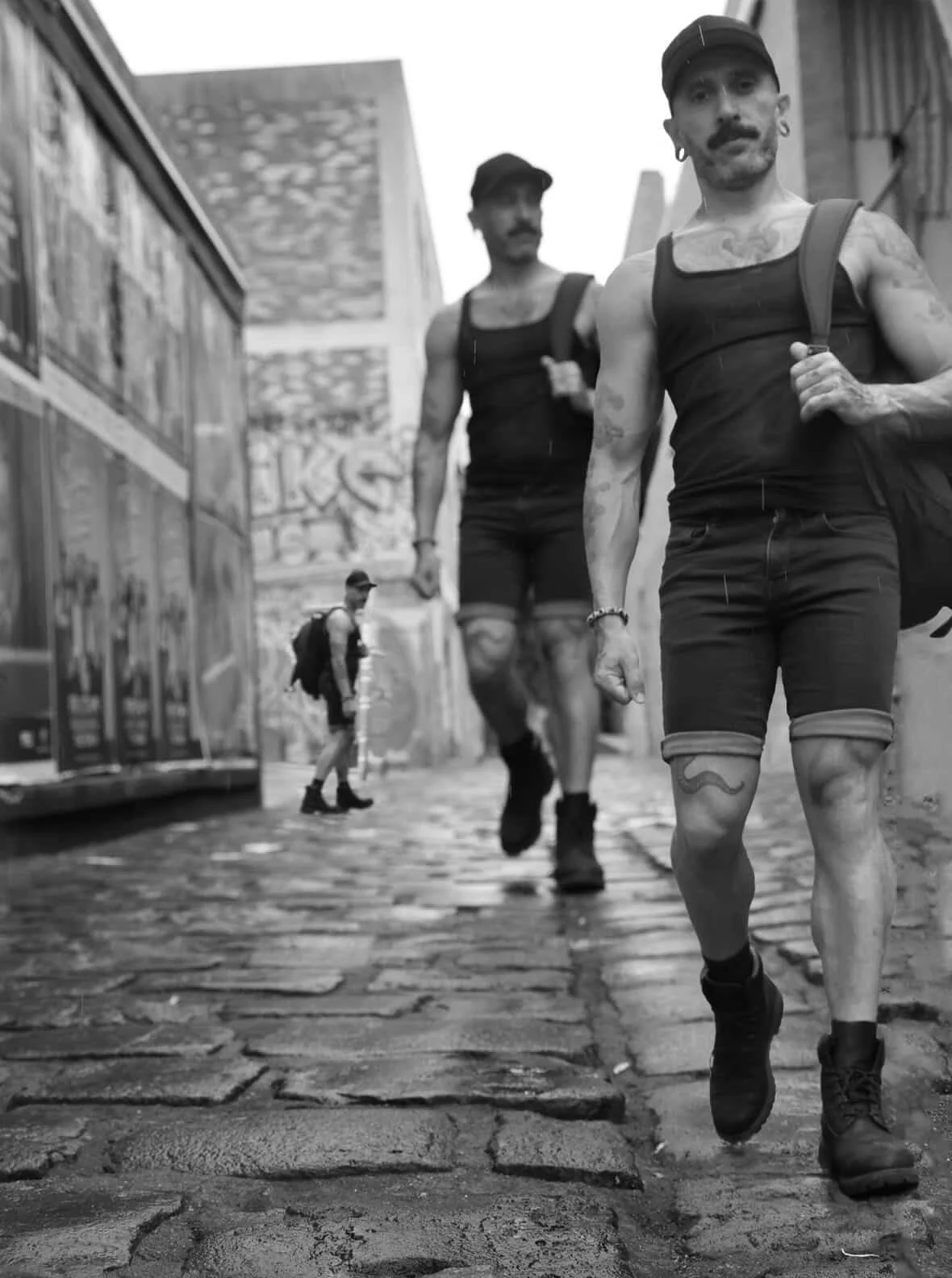
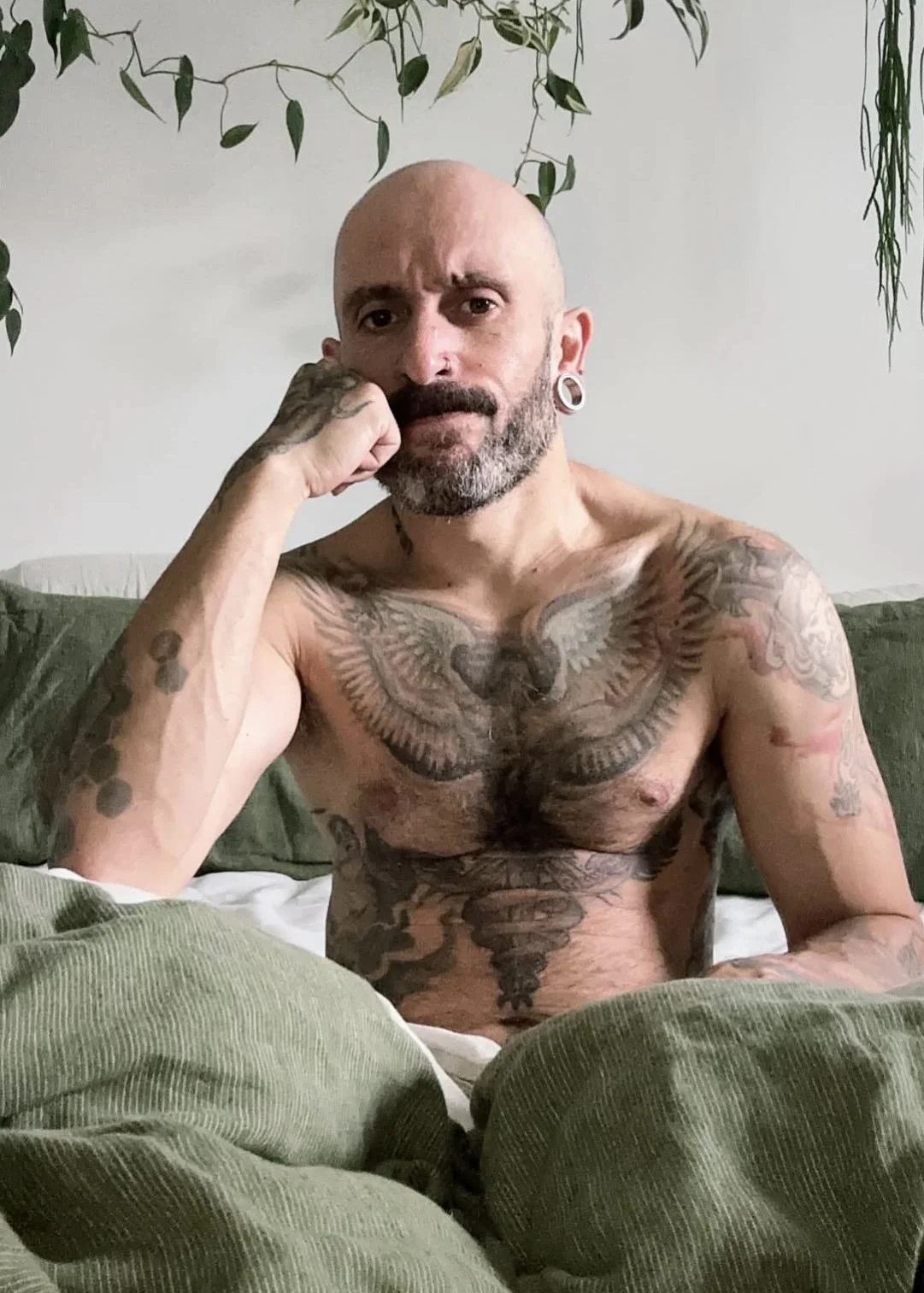
@mid.night.snack__ by @justinphoto_melbourne
GWF: How does your identity influence the way you perform and connect with the crowd?
I think identity can play a role in how a crowd connects with you, but for me it’s not the main focus when I’m playing. When I DJ, I’m actually pretty focused on what’s happening in the room. I’m not really the type to do the big fist pumps or hands-in-the-air moments behind the decks. I prefer to look out at the dance floor and read the crowd to see if people are deep in the music, chatting with friends, or fully lost in it.
Those little cues tell me a lot about where to take the set next. If people look like they’re really locked into the journey, that’s when I know the music is doing its job.
So for me, the connection with the crowd comes more from that shared experience on the dance floor rather than my identity itself. At the end of the day, I think what matters most is what you’re delivering musically and how you guide the room through that moment.
GWF: For someone visiting Melbourne, which venues or events would you recommend experiencing?
One of Melbourne’s most iconic venues even though it’s not specifically a queer space would have to be Revolver Upstairs. It’s kind of legendary. People come from all over just to experience it. You can walk in on a Friday night and, if you’ve got the stamina, still be there Sunday morning.
From the queer scene, a party that’s really popular at the moment is Confide. It sells out pretty much every time tickets are released and has built a strong reputation for its crowd and atmosphere.
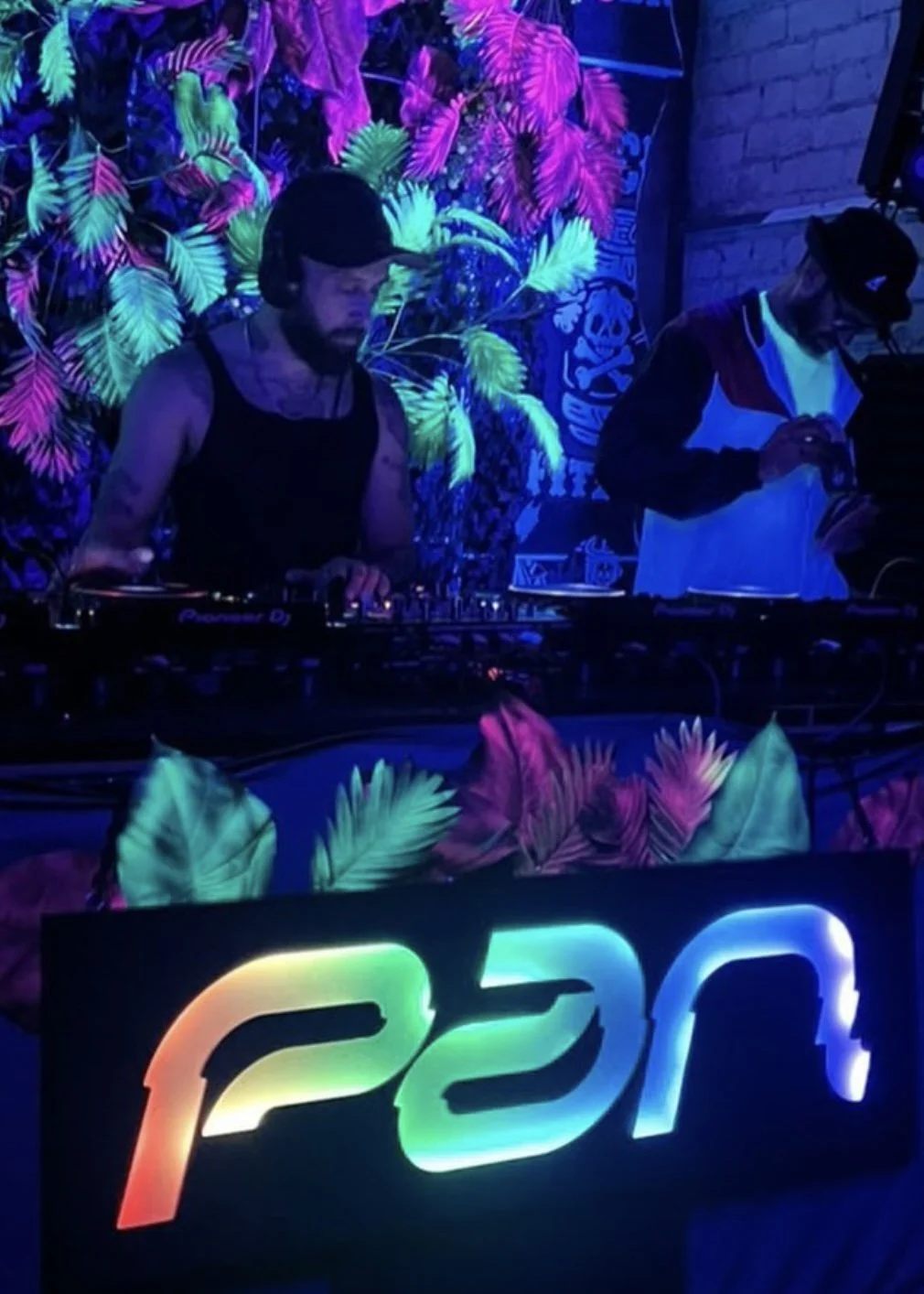
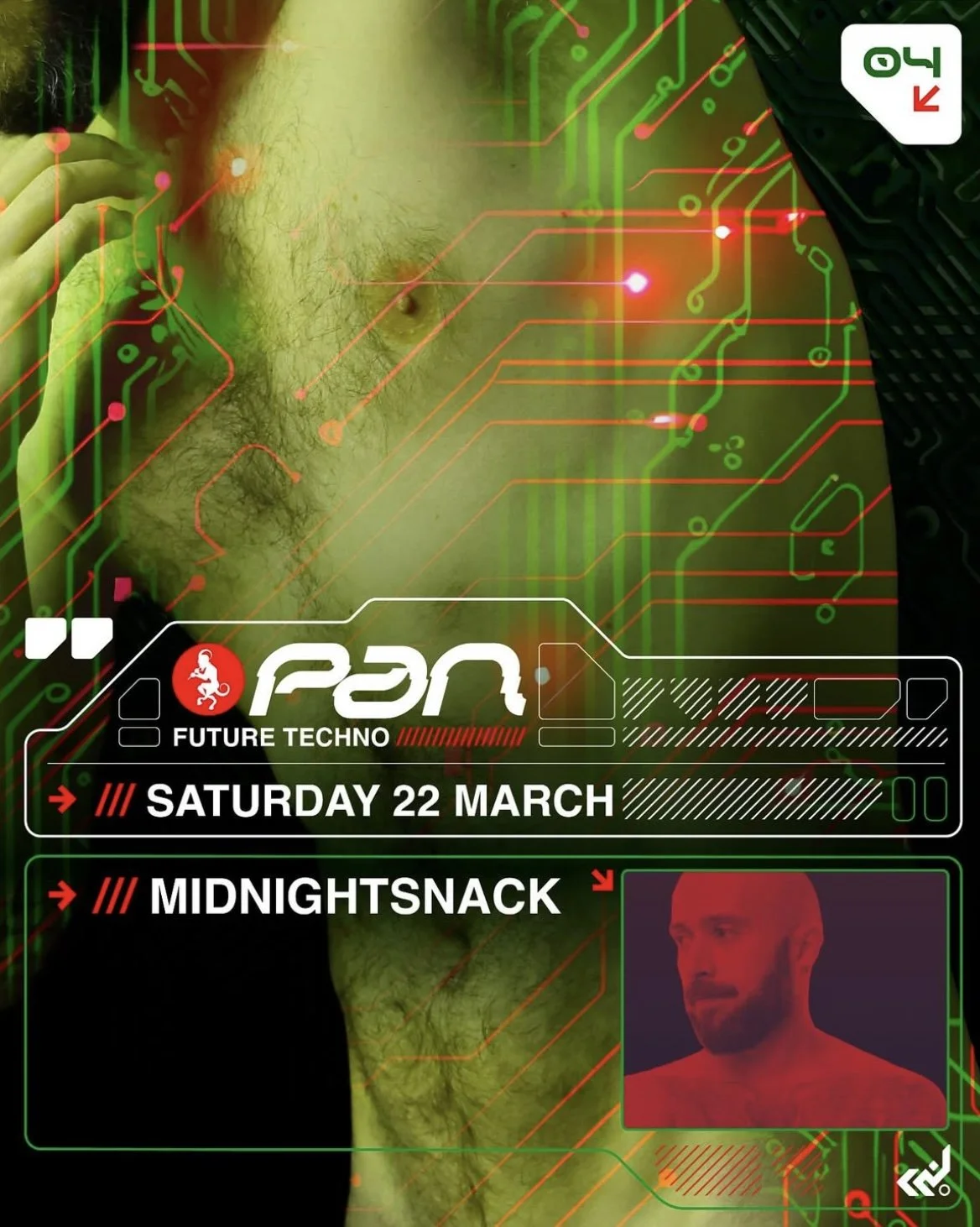
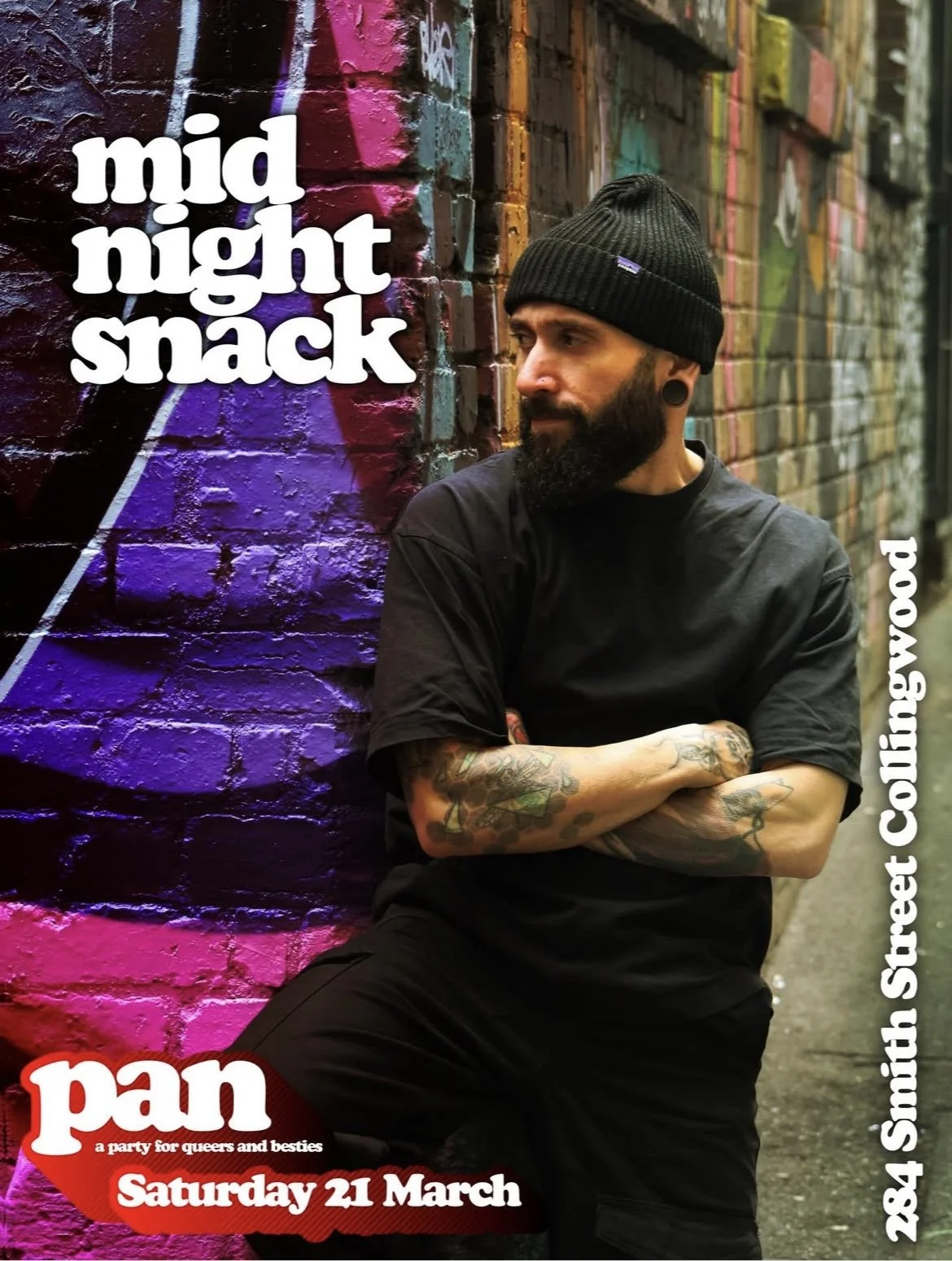
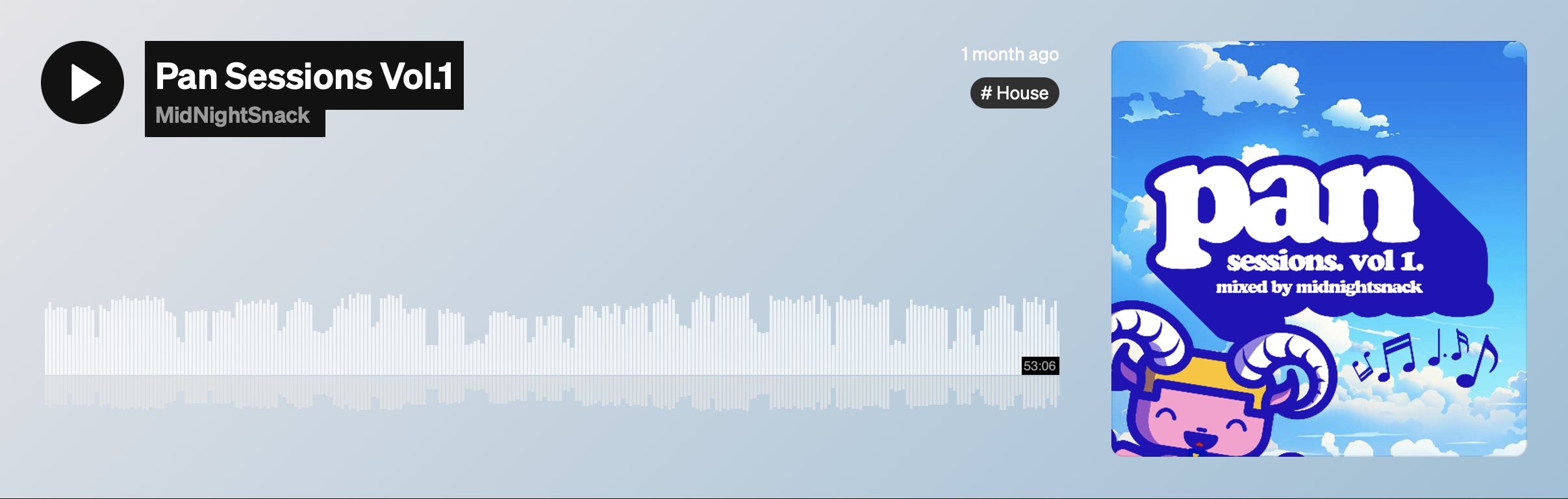
And if I’m allowed to be a little biased, I’d also mention my own event, Pan Party Melbourne or just Pan, as most people call it. It’s a bit more on the alternative side: smaller, more intimate, and focused on the music. So if someone isn’t really into the big mainstream-style parties and wants something a bit more underground, it’s definitely one to check out.
GWF: How has the city shaped your career and musical evolution?
Melbourne has definitely had a big impact on my musical evolution. If I think back about ten years ago, the scene felt quite different to how it does now. Back then there weren’t as many big mainstream-style parties. The events that really stuck with me were the smaller pop-ups that would appear out of nowhere. We also had a lot more venues, especially those slightly gritty basement spaces under old buildings, which sadly have mostly disappeared now, replaced by apartment towers and new developments.
But there was something really special about those nights. You’d go out and hear your favourite DJs playing in some random little room, and the music would go well into the early hours.
The queer scene was smaller too, so you kind of knew everyone when you went out. It felt very community-driven and friendly, which is something I do miss a little bit.
Those experiences have definitely stayed with me though. The sounds, the energy, the long journeys through the night, they’re things I sometimes try to bring into my own sets. It might not always be obvious to a younger crowd, but for those who recognise it, and even just for myself when I’m playing, it’s a really nice little throwback.
GWF: What’s next for you — any projects, gigs, or collaborations that show the energy of Melbourne’s queer nightlife?
It’s still early in the year, so I’m honestly still figuring out where I’m headed with music in 2026. I don’t put as much focus on it as I used to, the whole lockdown period really shifted my perspective, and it’s taken a little while to get back into the groove.
I’ve got a couple of gigs booked already at events I haven’t played before, which I’m really looking forward to. It’s always fun to play for new crowds and see how they vibe with what I do.
As for projects and collaborations, the main focus is still Pan, developing that, seeing where it goes, and keeping it evolving. Balancing it with full-time work can be tricky, so I can’t always put as much time into DJing and events as I’d like. But for me, it’s all about the passion and the fun.
I’m just staying open to whatever comes my way and looking forward to exploring a bit more this year.
