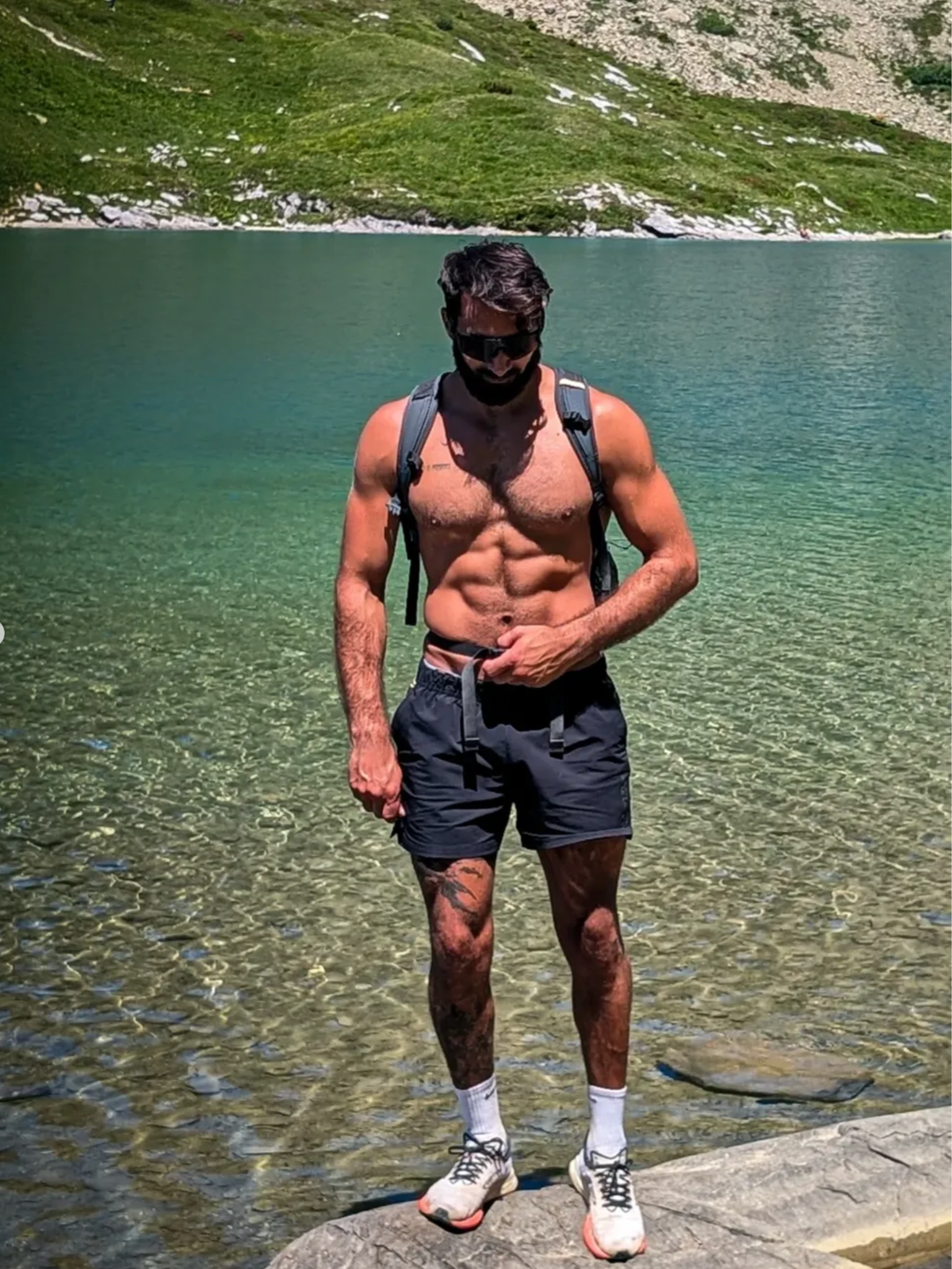
STEPHANO LUPO: Finance, Swiss Chalets and the Speedo Lifestyle

Raised on an Austrian farm and now based in Zurich, Stephano has built a life balancing finance, real estate, and outdoor freedom. Working in asset management while restoring Swiss chalets and launching a speedo brand with his partner, he approaches success with equal parts discipline and creativity. In this GayWoof interview, he reflects on ambition, investments, mountain life, and why real wealth is ultimately about freedom and living authentically.
GWF: You grew up in Austria and now live in Zurich — how have those environments shaped your approach to work, ambition, and lifestyle?
I grew up in Austria, on a farm, where working hard was just normal. You didn’t question it — you helped, you worked, you contributed. That environment builds a natural work ethic and a sense of responsibility early on.
Zurich added a different layer. It’s more international, more competitive, and you’re surrounded by people who are actively building things — businesses, assets, careers.
So Austria gave me the discipline, and Zurich sharpened the ambition. I try to combine both — work hard, but with a clear direction.
GWF: Your background spans Austria, Spain, and Mexico — how have these different cultures influenced your perspective on investment and building assets?
Each place shaped how I think about money differently. Austria is more focused on stability and structure. Spain and Mexico showed me a more flexible relationship with life — less focus on accumulation, more on actually living.
Being the foreigner in each of these places also opened my perspective. You observe more, you see how things are done differently, and it makes you question your own assumptions. It showed me that there isn’t just one way to approach work, money, or life.
That’s why I try to build assets in a way that supports freedom — not just financially, but also in how you choose to live.
GWF: You work in asset management while also developing real estate projects — how do these two worlds connect in your daily thinking?
For me, they’re closely connected, just at different levels. In asset management, you think in terms of risk, return, and long-term value — but it’s mostly abstract. You are a small contributor to something very large, and sometimes it’s difficult to fully see the bigger picture or your individual impact.
On the construction side, it’s the opposite. You see every little piece of work you’ve done, and the impact is immediate and visible. If you change something, you notice it right away.
The combination of both keeps me balanced. One is strategic and long-term, the other is tangible and immediate — and together they give me a more complete perspective on what it actually means to build something.
GWF: What first drew you into property development, especially complex renovation projects like chalets and penthouses?
Part of it goes back to my childhood. My father was always building something, and I spent a lot of time helping him. At the time, I honestly didn’t enjoy it — it just felt like work.
But looking back, I’m very grateful for it. It gave me practical knowledge and a certain confidence in dealing with materials, tools, and problems.
At the same time, I’ve always had a strong interest in architecture. I like the idea of creating something that lasts and actively shaping the environment around you.
Property development combines both — the hands-on side I grew up with, and the creative aspect of designing spaces that people will actually live in.
GWF: You’ve been working hands-on in transforming Swiss chalets — what has that experience been like day to day, and what moments have stood out to you most?
It’s very different from my day job. One day you’re working with models and markets, the next day you’re removing concrete or dealing with moisture in old stone walls. What stands out is how unforgiving it is. You can’t shortcut reality. If something is done wrong, you see it immediately.
At the same time, it’s a privilege to work with buildings that are over a hundred years old. They carry history, and you feel that. My goal is always to preserve as much of that character as possible, while adapting the space to modern ways of living.
GWF: There is a strong focus in your work on transforming existing structures — what do you find most rewarding about “rebuilding” rather than starting from scratch?
For me, it’s the history and the story behind it. Old structures have been part of people’s lives for decades, sometimes generations. They carry stories you can’t recreate from scratch.
Rebuilding means you’re not just creating something new — you’re continuing something that already exists. I find that much more meaningful than starting from zero.
GWF: During your PhD, you also taught finance at university — how did teaching influence your own understanding of money and investment?
Teaching forced me to simplify things. In finance, it’s easy to hide behind complexity. But when you explain something to students, you quickly realize whether you actually understand it.
It made me focus more on fundamentals: risk, time, and discipline — instead of trying to sound sophisticated.

GWF: You are currently working on launching a speedo brand with your partner — what inspired that project, and how does it fit into your broader creative and business mindset?
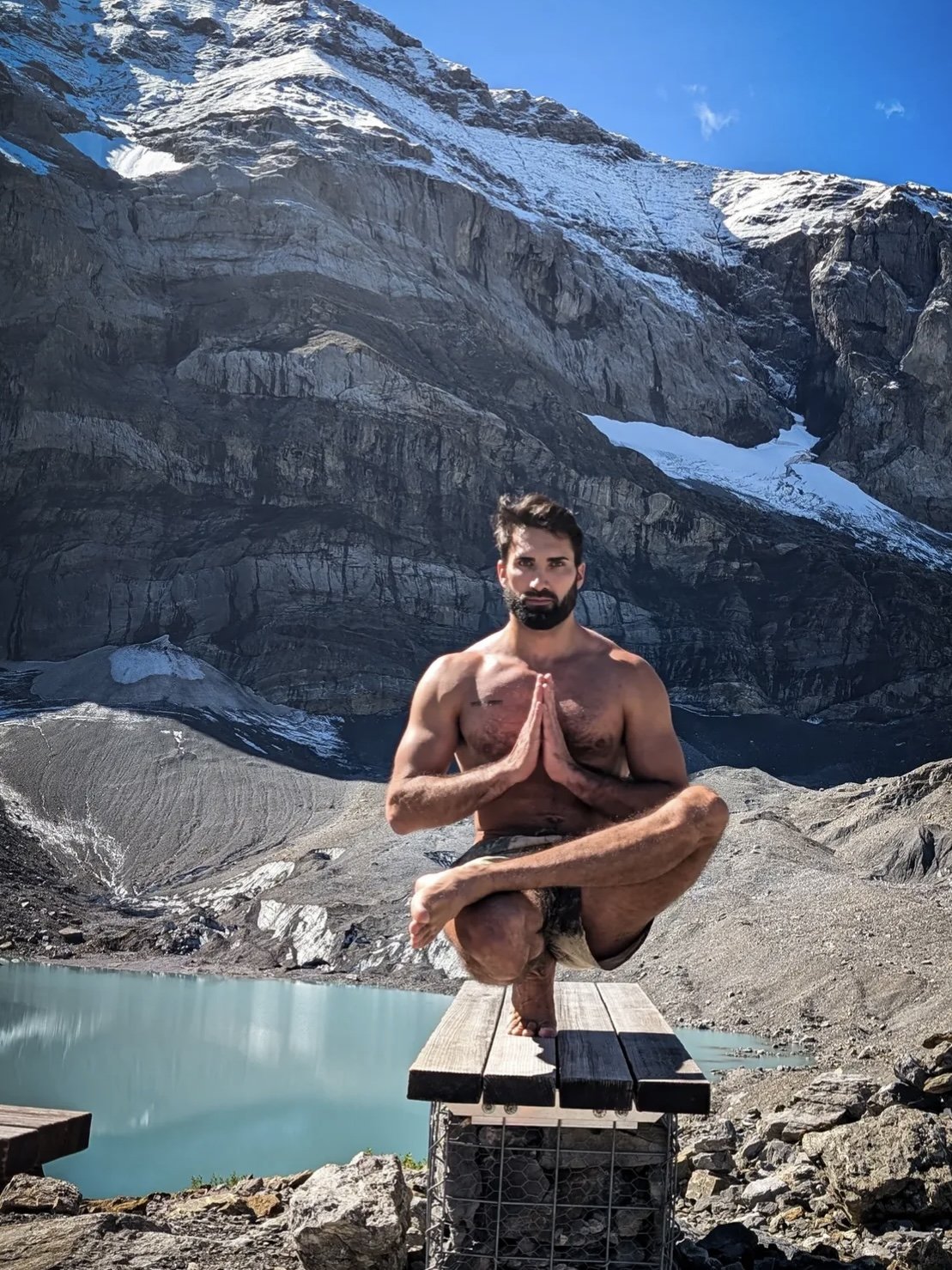
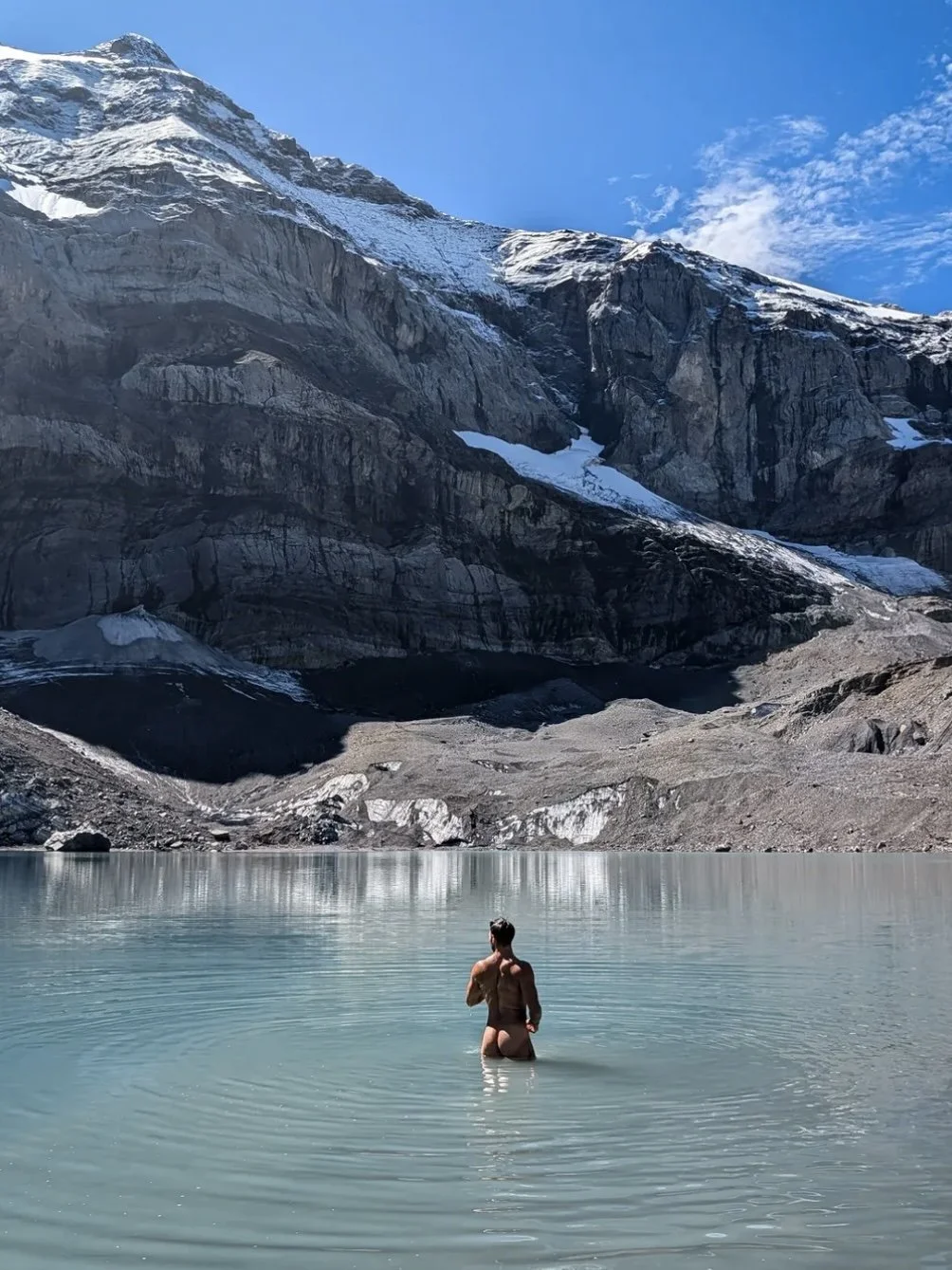
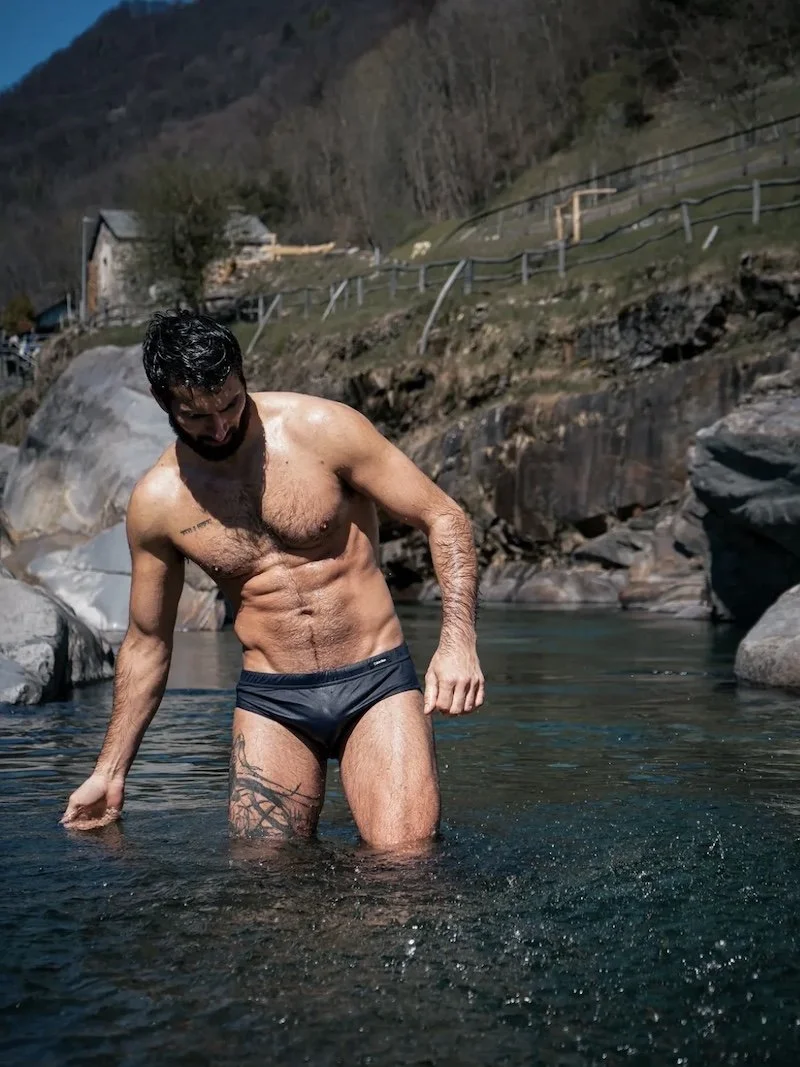
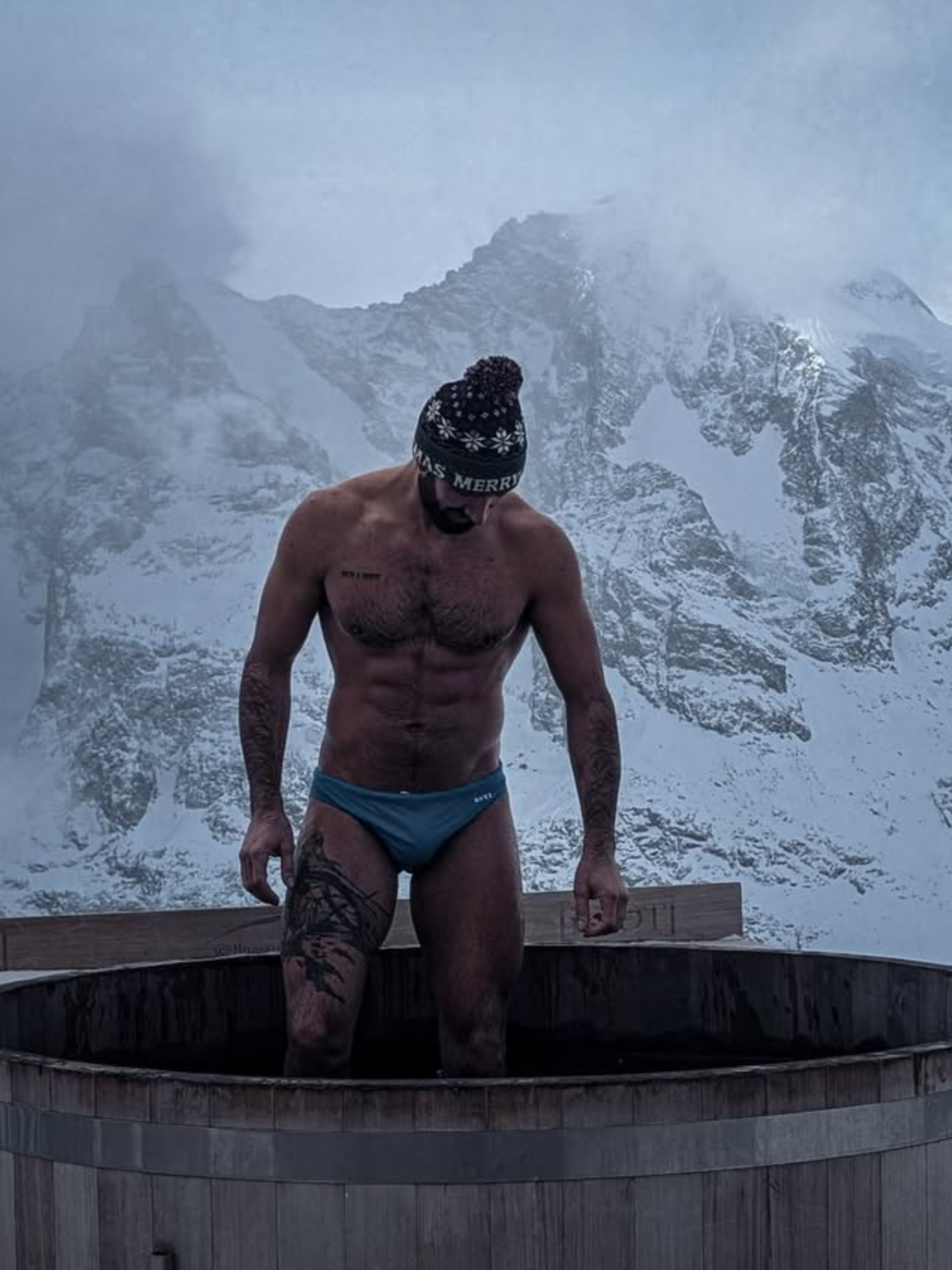
That project came out of something very personal. My partner and I spend a lot of time at mountain lakes — that’s where we relax and recharge. It became a big part of how we spend our time.
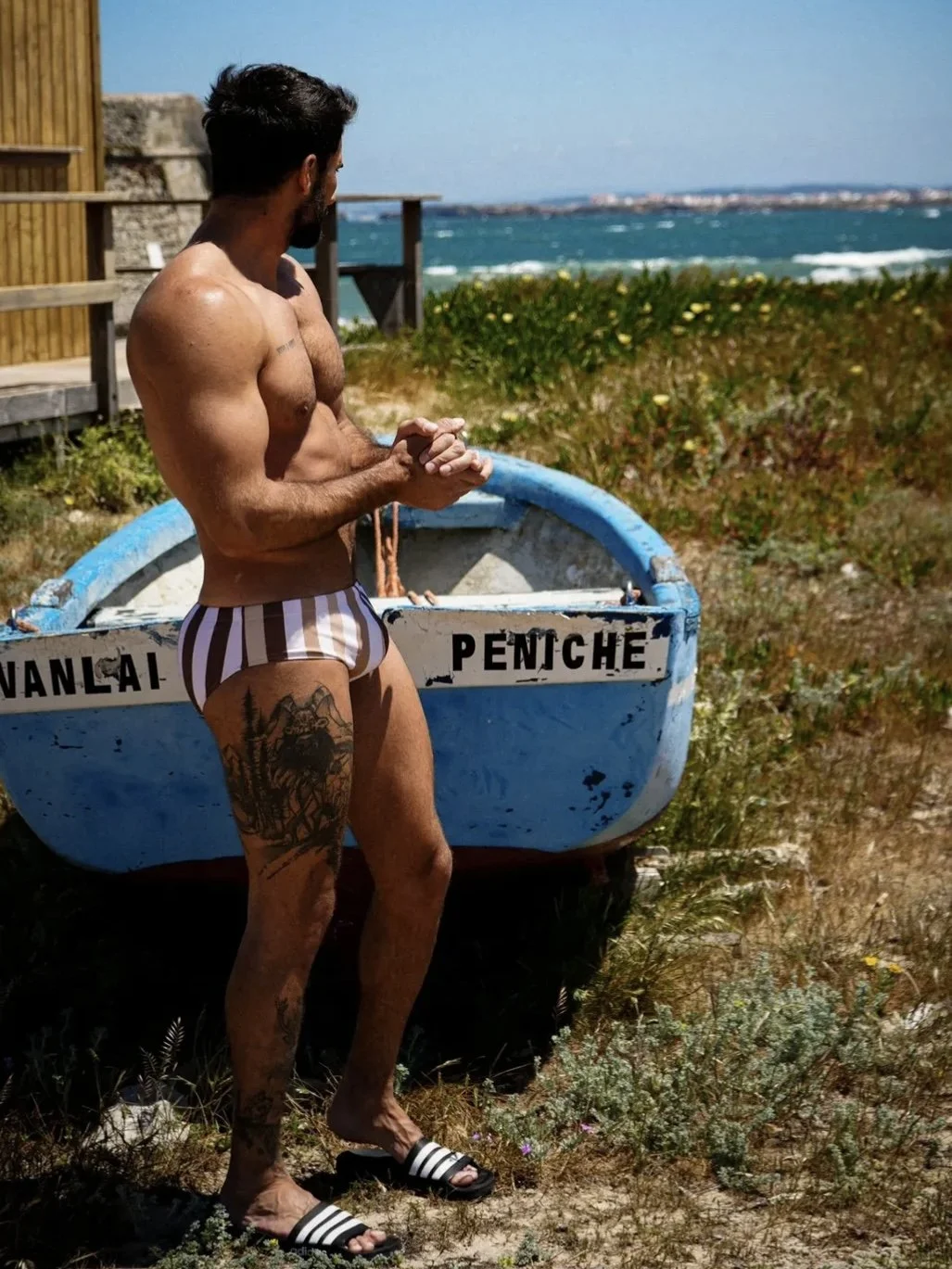
We have a simple motto: life is better in speedos and a tan line. The idea is to build a brand that reflects exactly that — clean, confident, and connected to that lifestyle.
We also complement each other well. My boyfriend is very creative, while I tend to be more structured and process-driven. Combining those two perspectives allows us to take the best from both worlds and build something together.
It also fits how I think about business: not just building assets, but creating things that are aligned with how you actually live. The launch is planned for later this year.
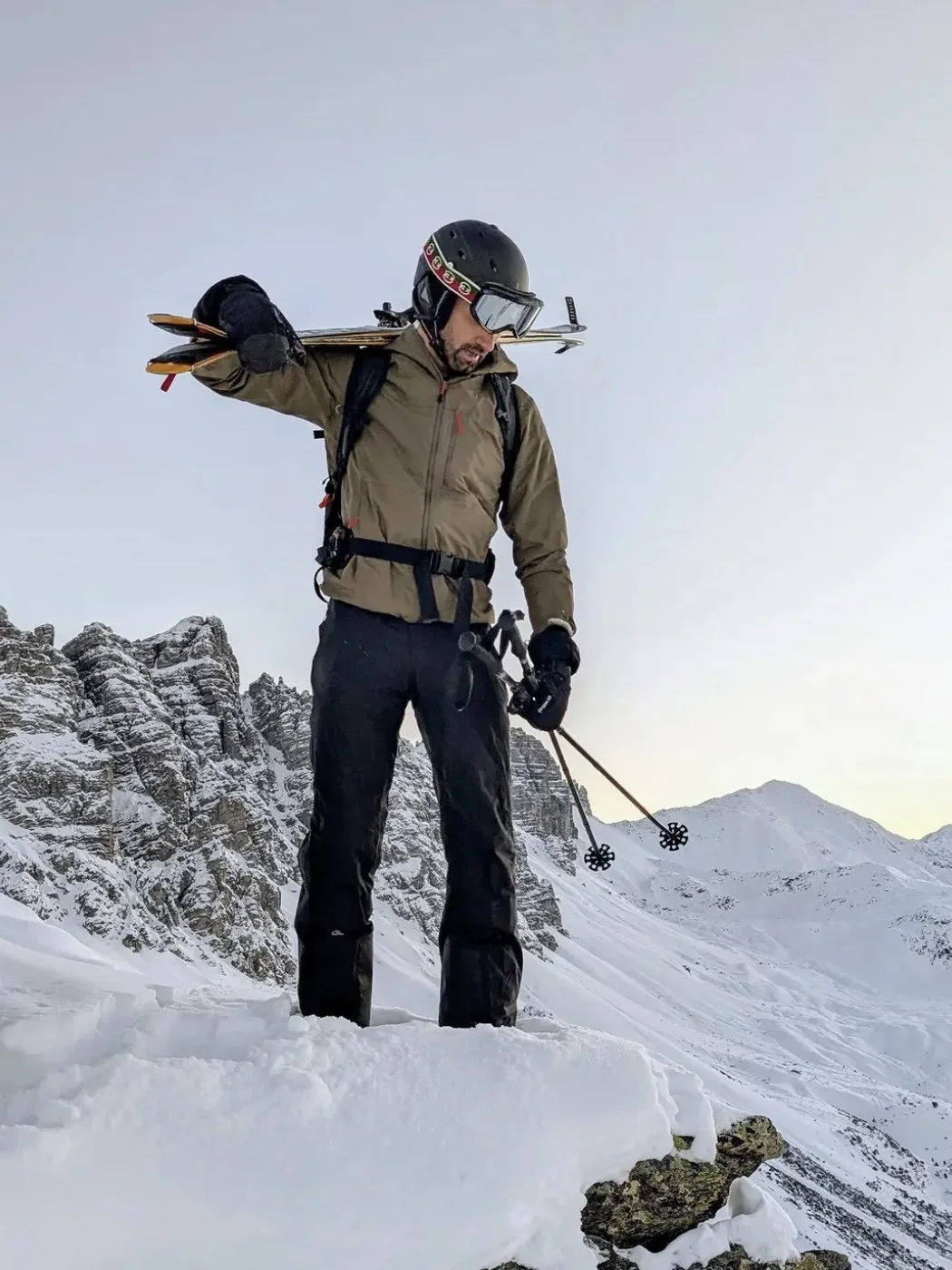
GWF: Do you see a connection between physical disciplines like hiking, climbing, freeriding, and the way you approach risk and decision-making in investments?
There’s definitely a connection. In the mountains, especially with activities like ski touring, you’re exposed to real risks — avalanches, weather, terrain. You constantly have to assess the situation.
And sometimes the most important decision is recognizing that the risk is too high and turning around.
That mindset carries over into investing. It’s not about taking risks for the sake of it, but about understanding them, managing them, and knowing when not to proceed.

GWF: Looking ahead, how do you define a “successful” future — both in terms of your career and personal life?
For me, success is closely tied to purpose. It’s about having something meaningful to work towards, and being able to follow that path.
Financial independence plays a role — it gives you the freedom to choose how you spend your time. But the real goal is to wake up each morning and work on something that feels aligned with your own ambitions and values.
That combination — purpose, freedom, and building something over time — is what I would consider success.

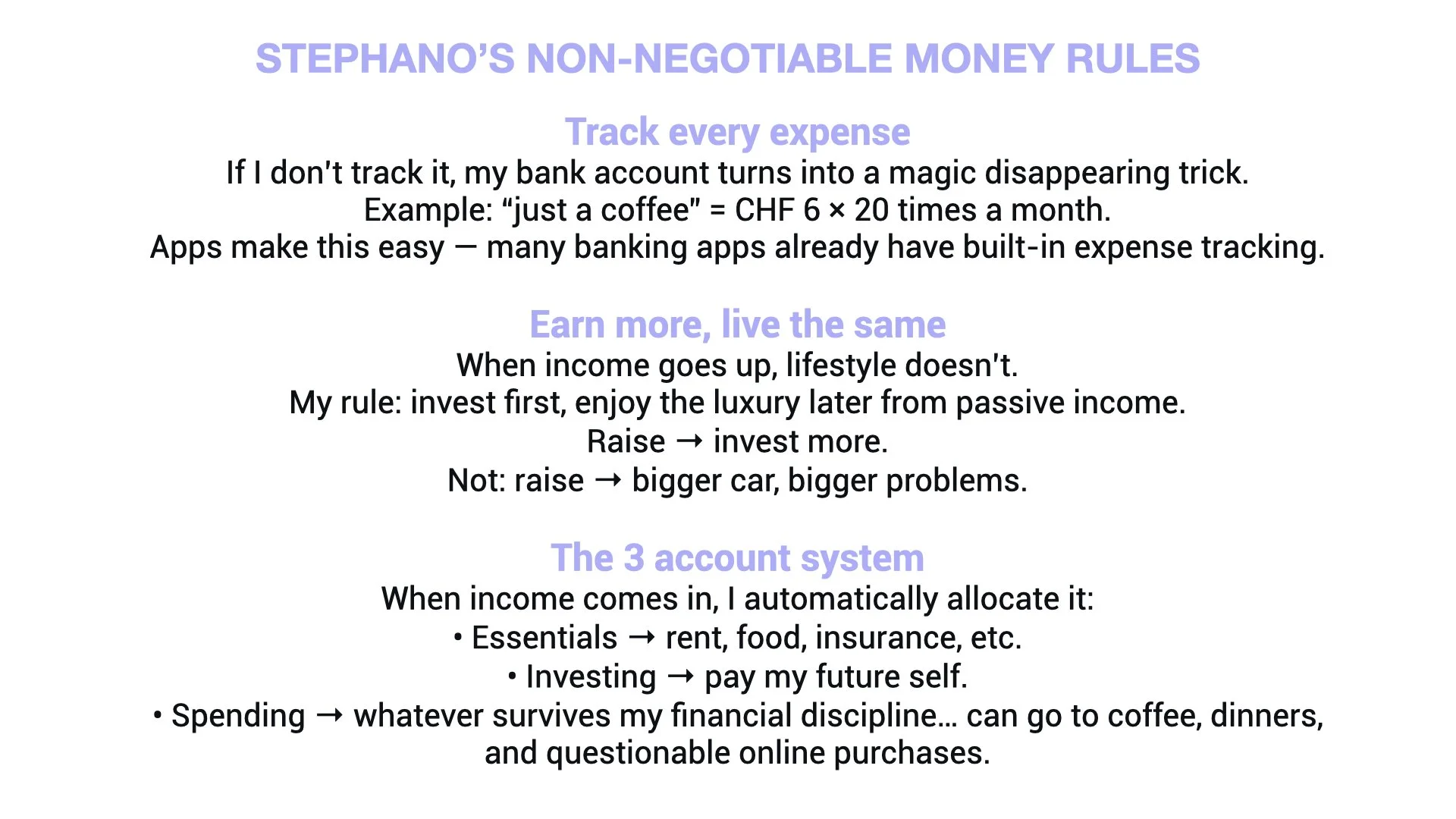
GWF: What simple first steps or basic advice would you give to someone who wants to become financially successful but has no experience in investing or building assets?
Start simple. Most people overcomplicate investing. The basics are not that complex: spend less than you earn, invest consistently, and think long term.
The difficult part is not knowledge — it’s discipline. You don’t need to be perfect. You just need to start and stay consistent.