
SALVATORE MARTORANA: Designing Through Emotion, Not Explanation
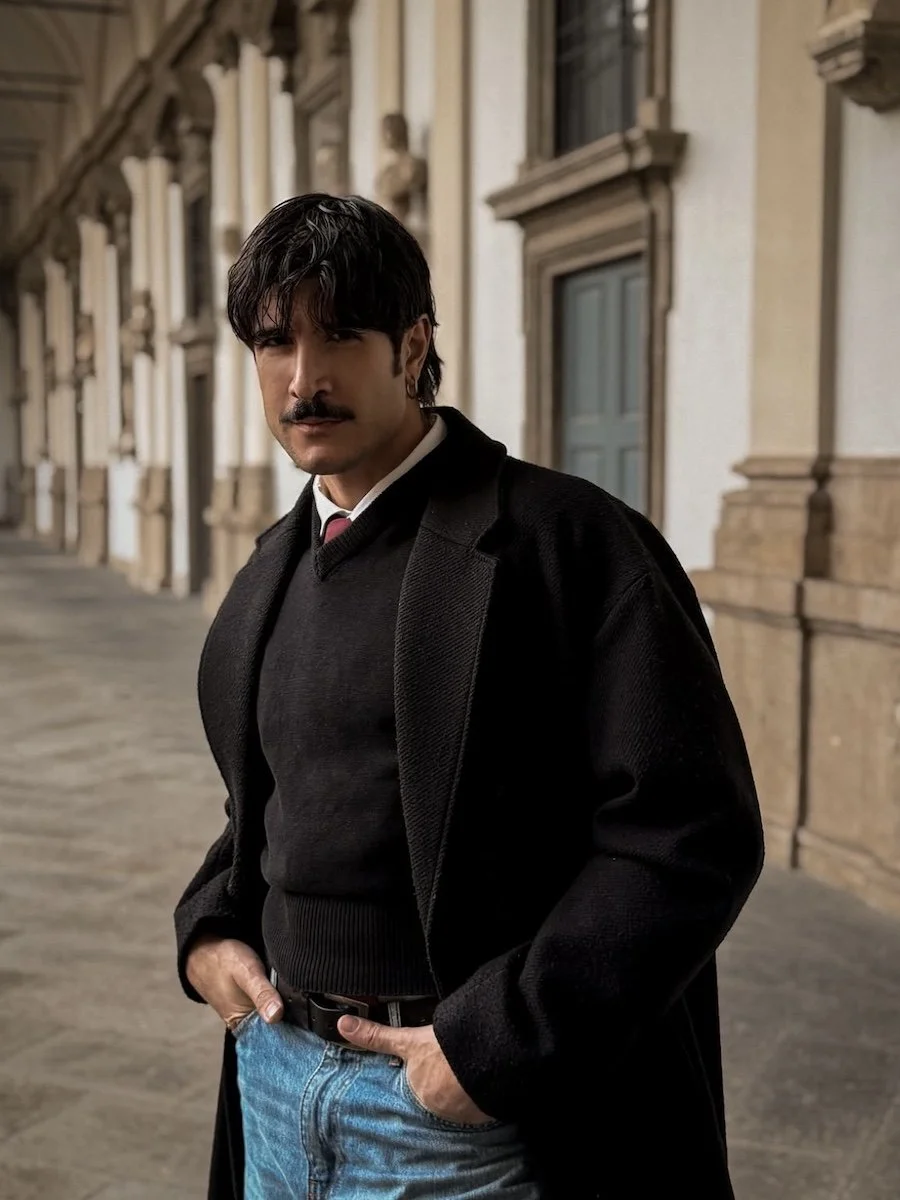
Salvatore Martorana
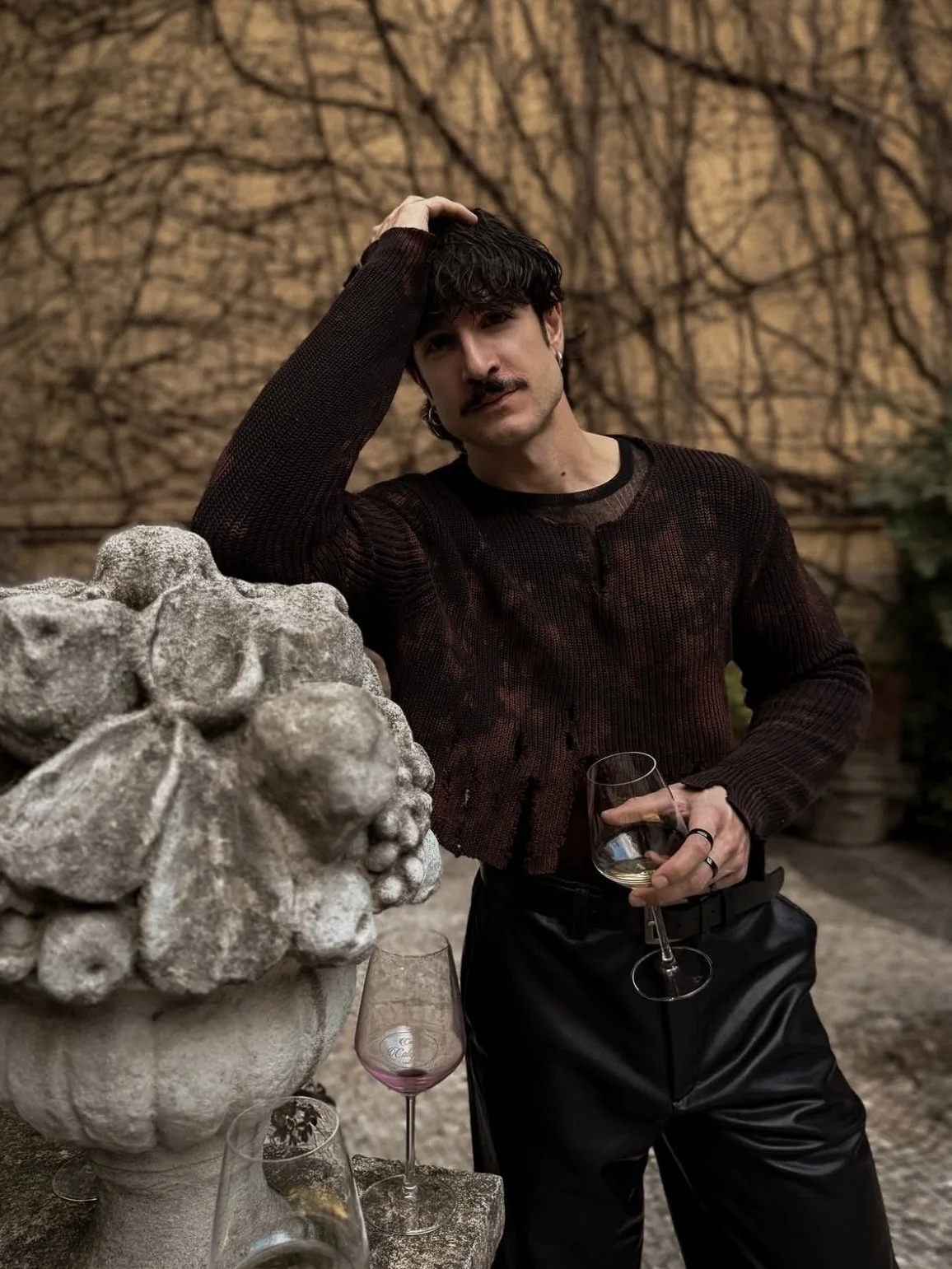
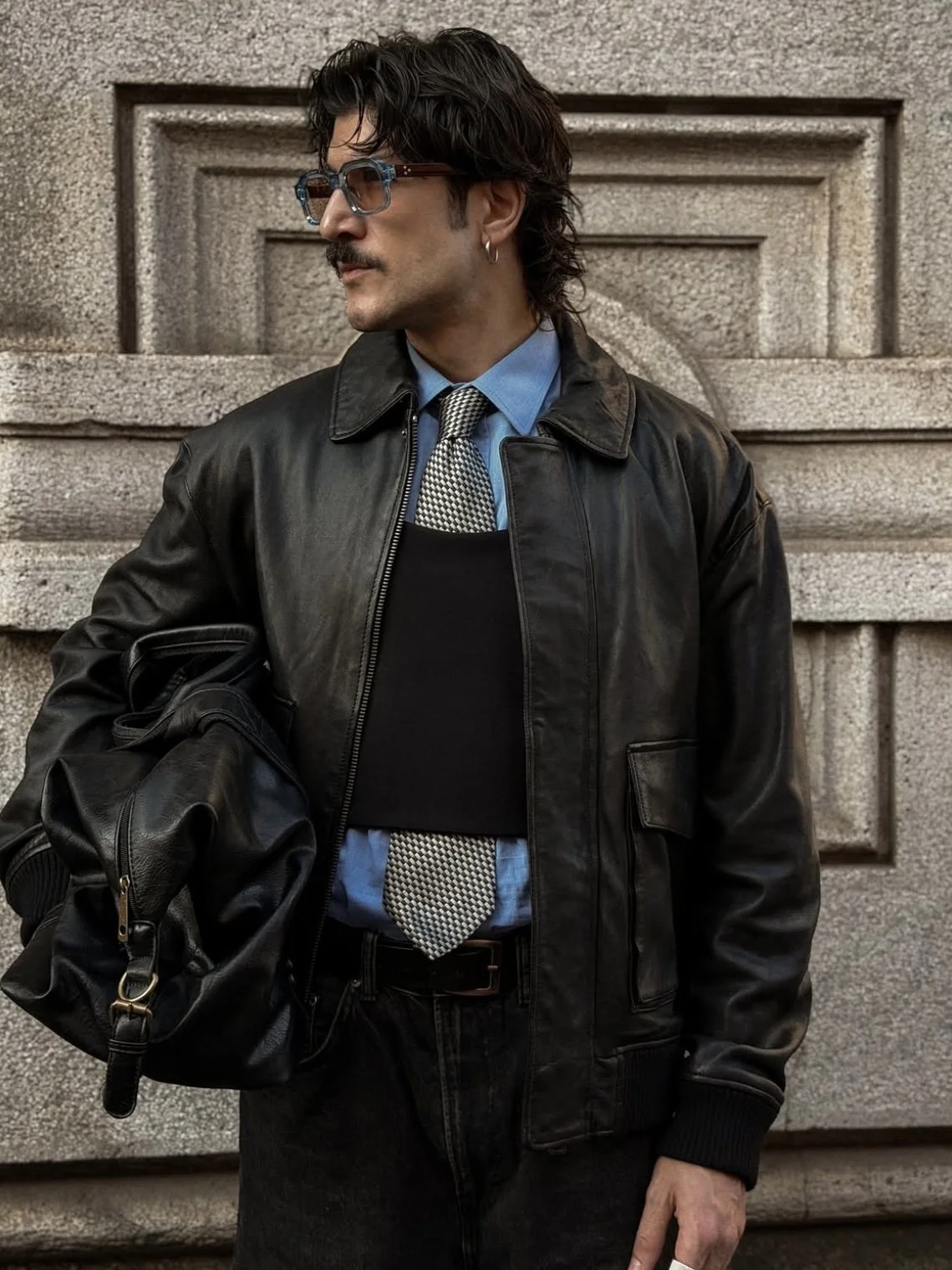
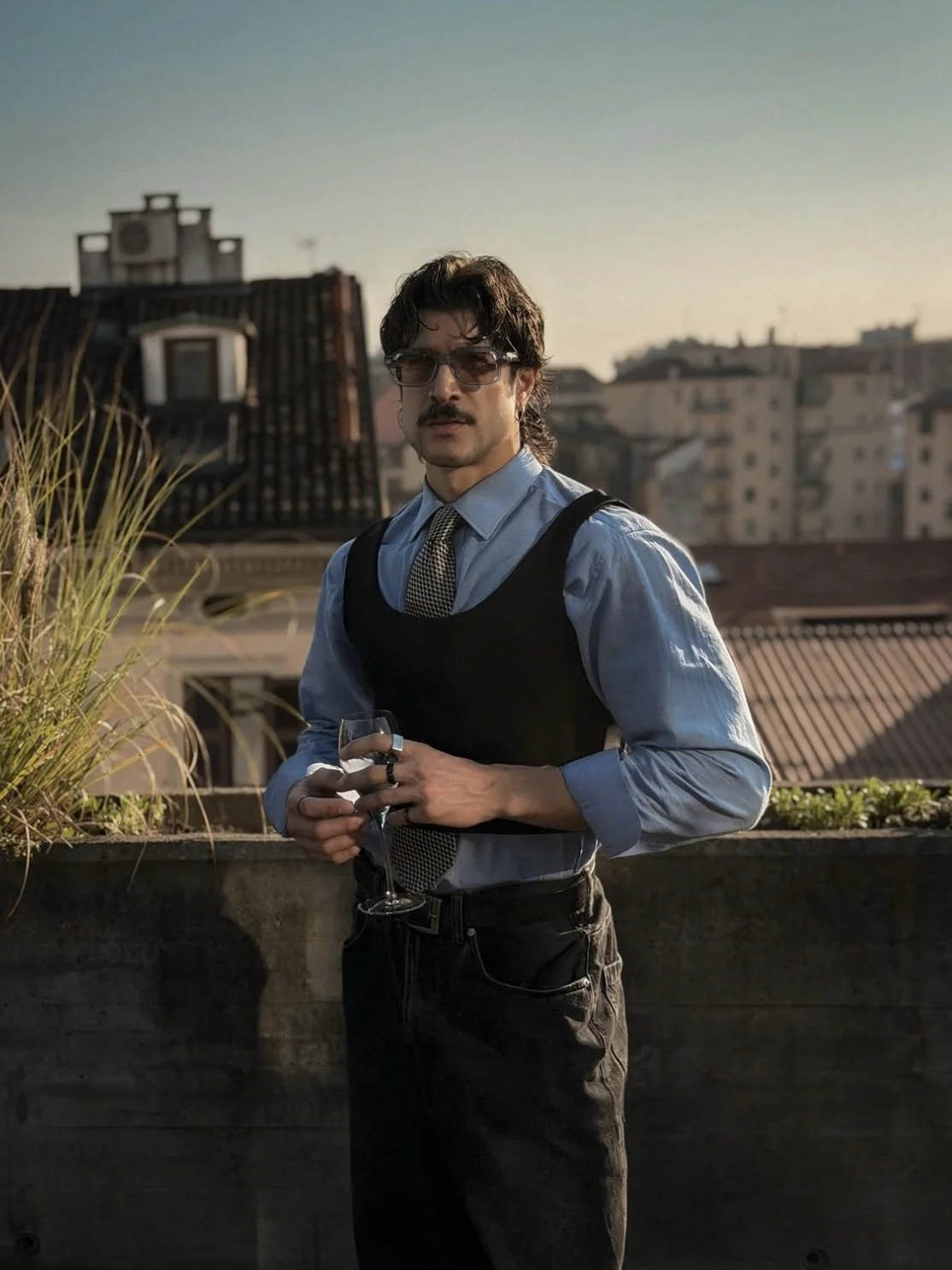
Salvatore Martorana approaches fashion as an act of storytelling—one where emotion, memory, and tension quietly shape every silhouette. As co-founder of Bartolotta & Martorana, his vision is rooted in a delicate balance between structure and instinct, creating collections that feel less like garments and more like deeply personal narratives.
GWF: You co-founded Bartolotta & Martorana and quickly established a distinct visual identity — how would you describe the essence of your brand today?
The essence of Bartolotta & Martorana today lies in a very precise balance between structure and emotion. We approach each collection as if it were a narrative universe—almost like a novel—where every garment becomes part of a story and each look is a character moving within it. There is always a tension: between control and instinct, between refinement and a more raw emotion. I am deeply drawn to drama, to pathos, and to a certain sense of theatricality, but it is never something explicit or shouted. It must remain whispered, almost suspended—something that is felt more than immediately seen. It is precisely this subtle emotional undercurrent that defines our identity today.
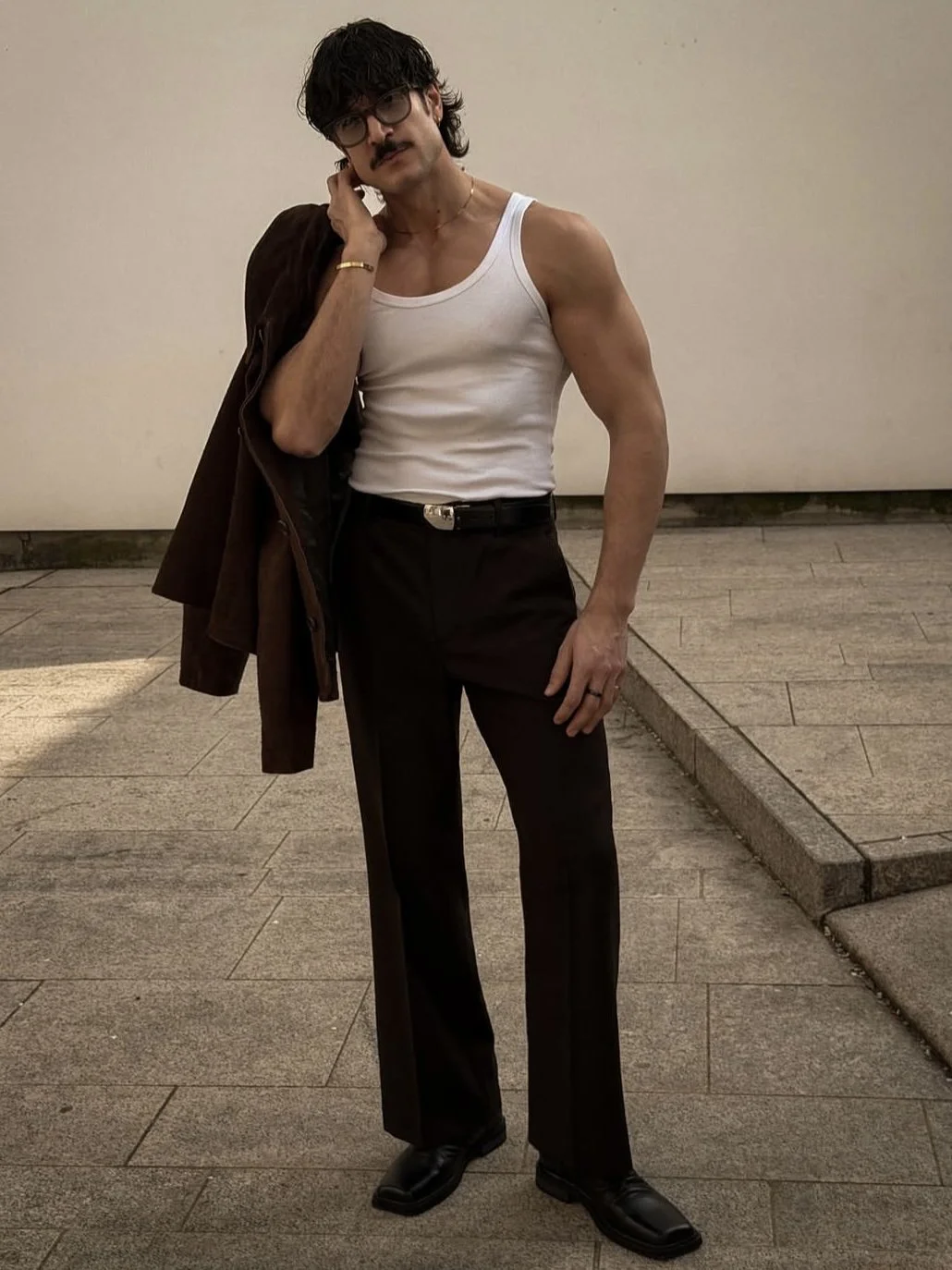
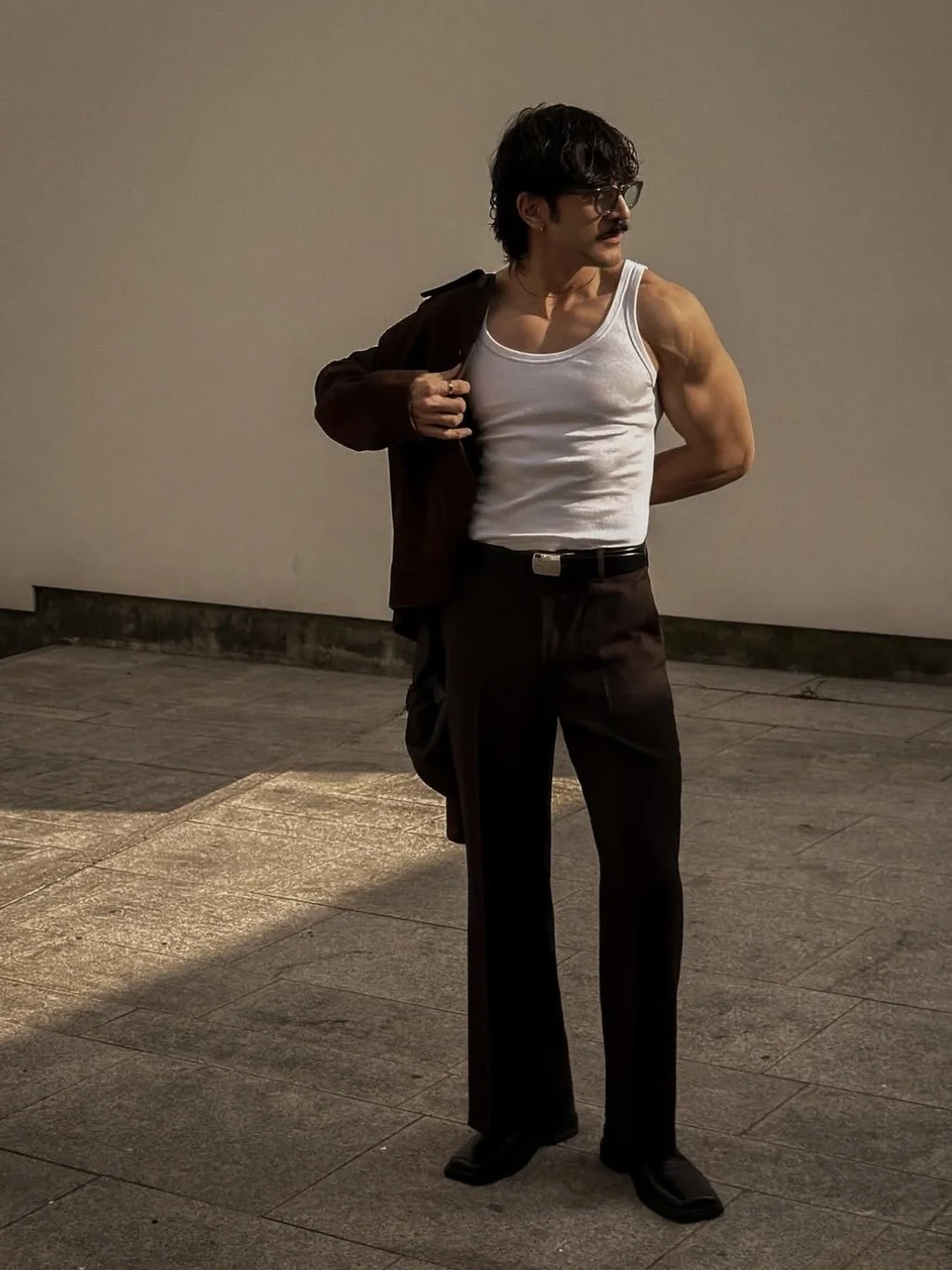

GWF: Your collections often feel very narrative and almost dreamlike — where do your ideas usually begin when developing a new collection?
Everything begins with a feeling. Not a clear image, not a trend — but something more abstract, sometimes even difficult to articulate. It can be a memory, a fragment of a story, or a specific emotional state. From there, we start building a narrative, almost like writing a novel. We imagine characters, their psychology, their relationships, and then we ask ourselves: what would they wear? How would their inner world translate into silhouettes, textures, and details? The dreamlike quality comes from this process — we’re not trying to describe reality, but to evoke something more intimate and layered.
“Being Italian means having an innate sensitivity to craftsmanship, to construction, to a certain idea of beauty”
GWF: From your early days presenting as emerging designers to showing at major fashion platforms, what has been the biggest turning point in your journey so far?
Rather than a single turning point, it has been a gradual shift. One of the most important moments was when we started feeling that our work was truly understood — not just seen, but read in the way we intended. At the beginning, you often feel like you’re speaking a very personal language that no one fully translates. Then, slowly, there is a moment of recognition — when people connect with your vision on a deeper level. That gave us the confidence to trust our instincts more, without feeling the need to explain or justify everything.
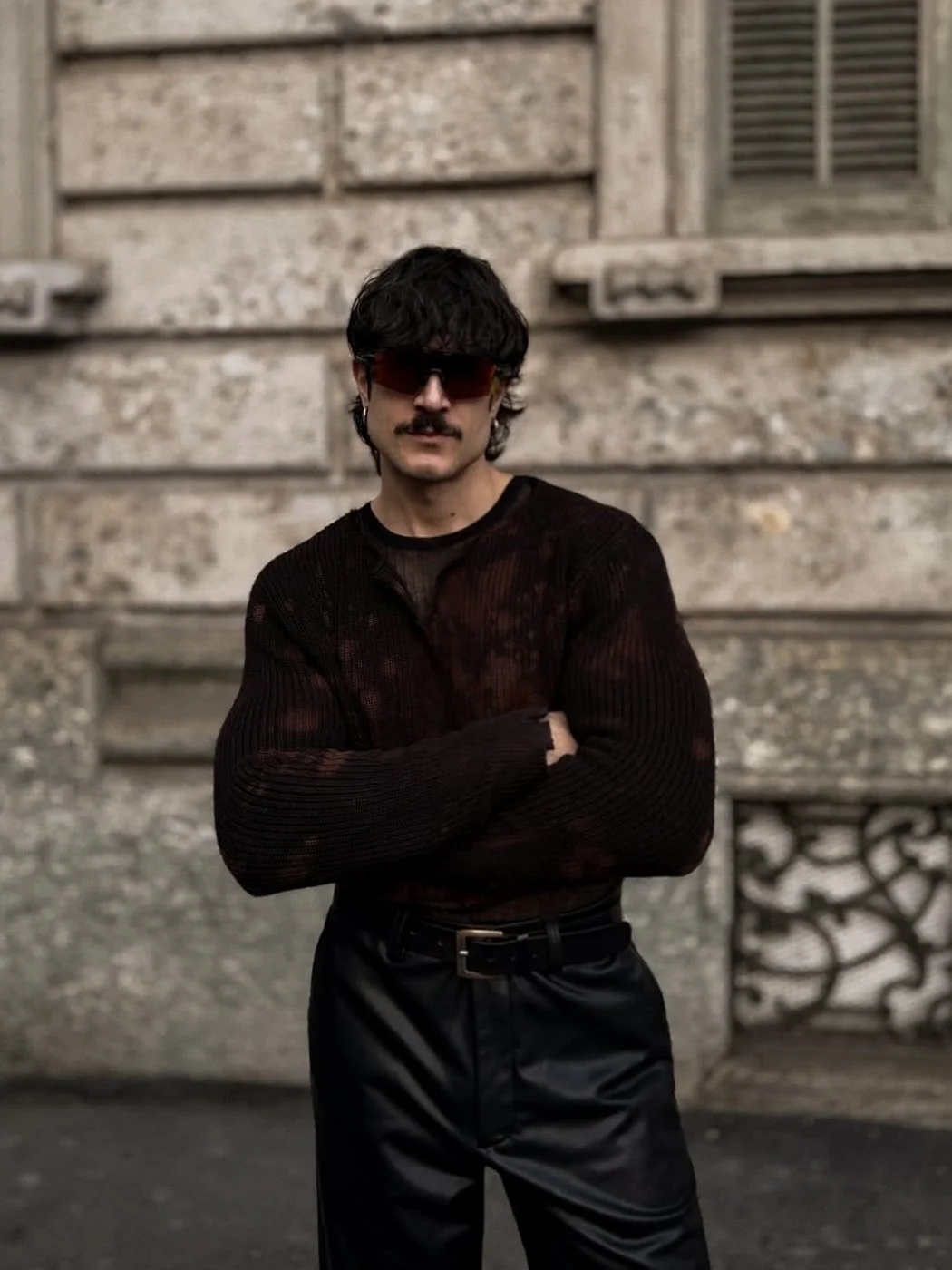
GWF: Italian fashion has such a strong heritage — how do you balance tradition with a more contemporary or experimental vision in your work?
For us, tradition is not something static — it’s a living language. Being Italian means having an innate sensitivity to craftsmanship, to construction, to a certain idea of beauty. But that doesn’t mean repeating what has already been done. We prefer to absorb that heritage and then reinterpret it through our own perspective, sometimes even questioning or subverting it. The balance comes naturally when you don’t feel constrained by tradition, but instead use it as a foundation to build something personal and contemporary.
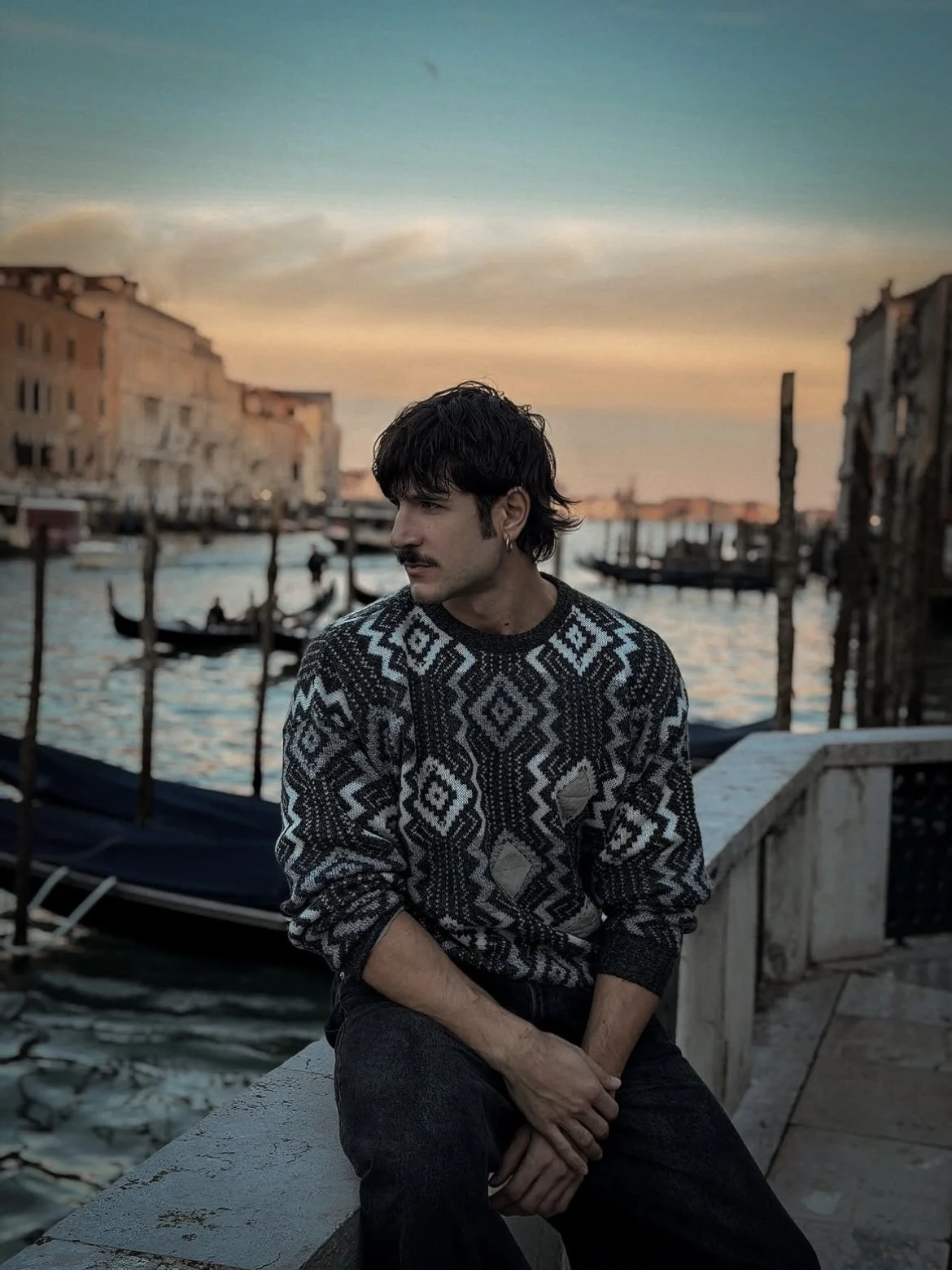
GWF: As a creative director, how do you approach collaboration within your design duo — how do your ideas evolve together?
Our collaboration is based on constant dialogue and mutual trust. Ideas rarely remain in their original form — they evolve through discussion, exchange, and sometimes even disagreement. We don’t hold onto ideas in a rigid way. On the contrary, we allow them to be transformed, even completely redefined by the other person. This openness is essential, because it allows the work to grow into something more complex and layered than what either of us could create individually.
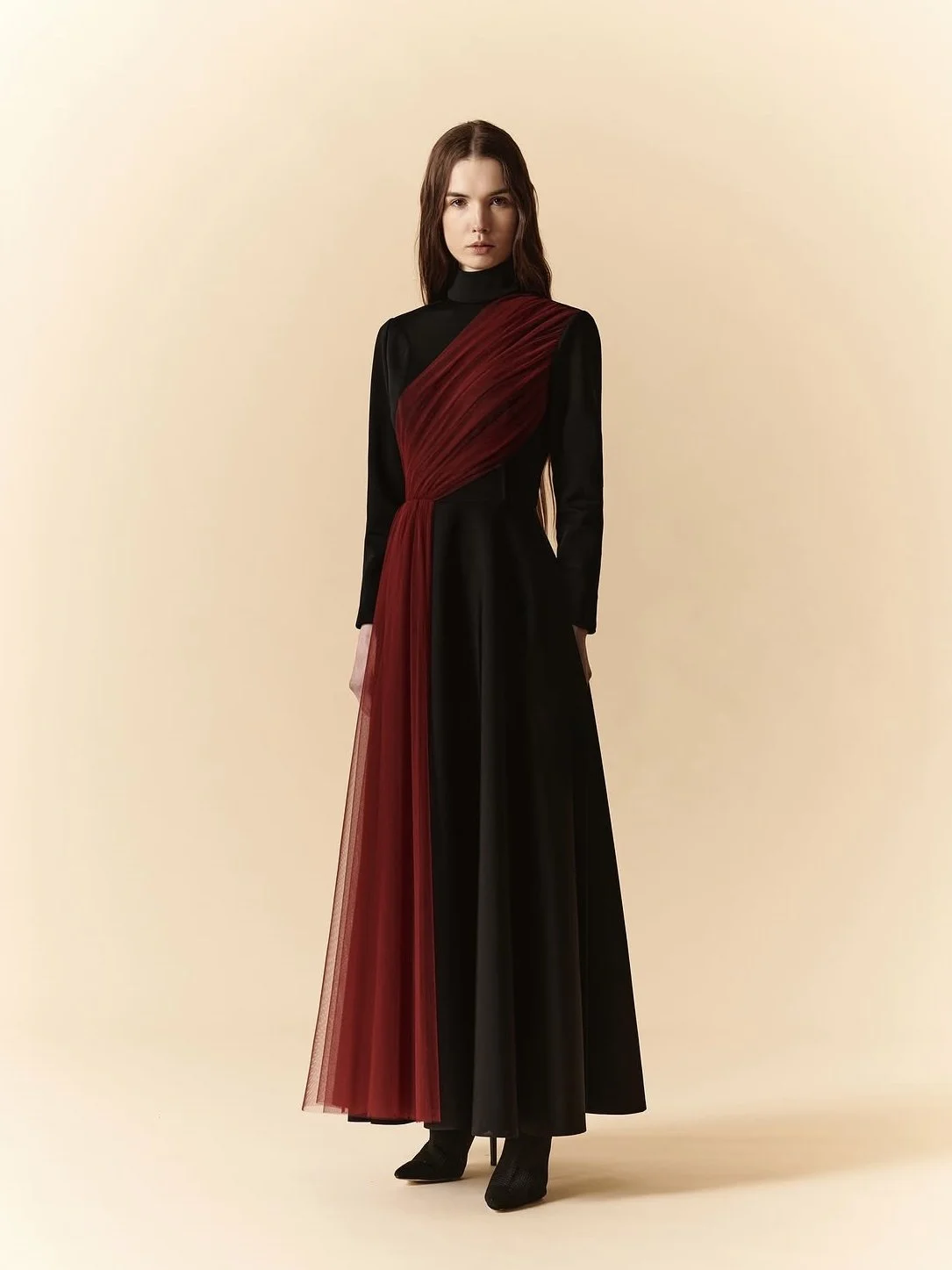
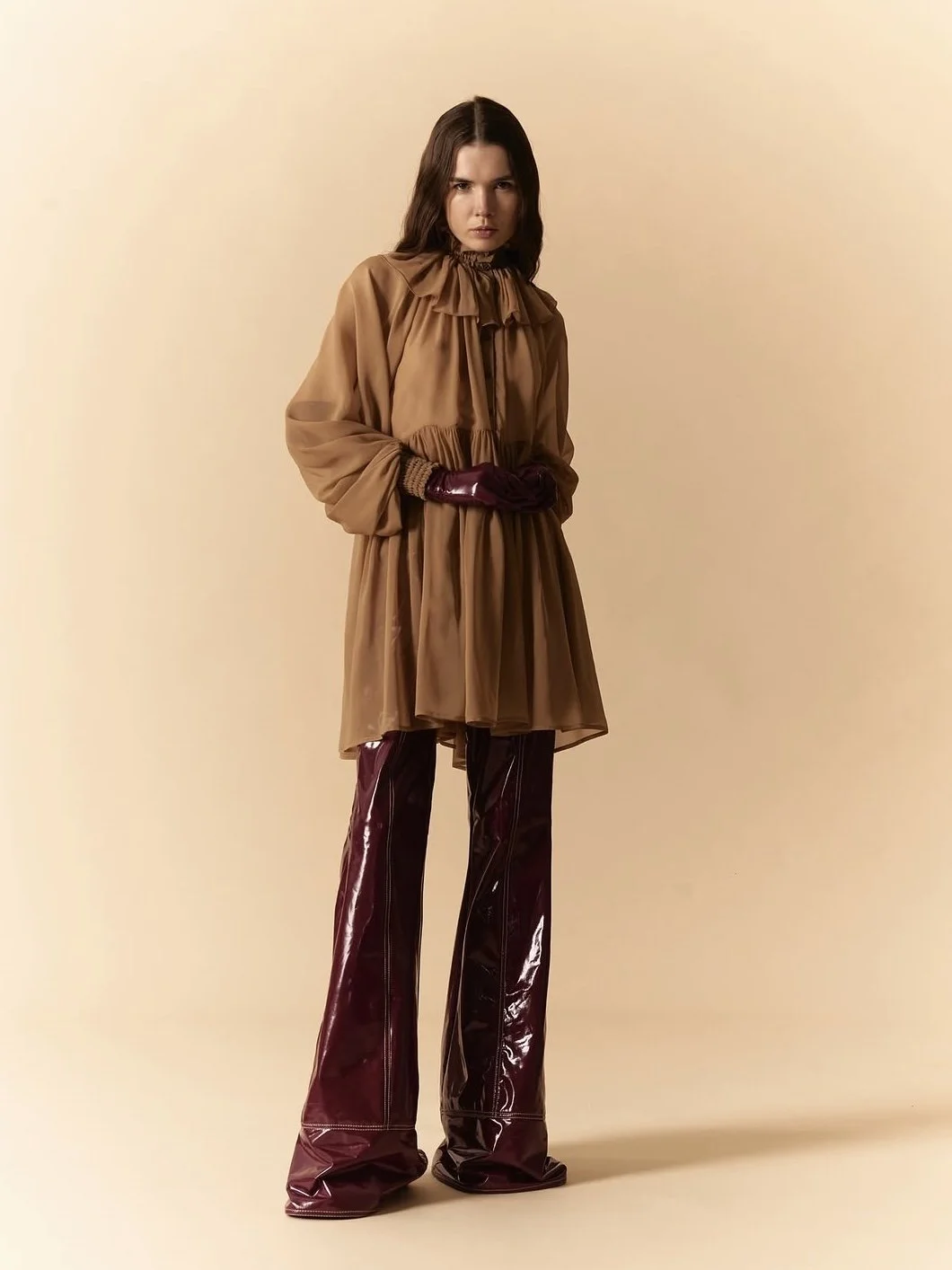
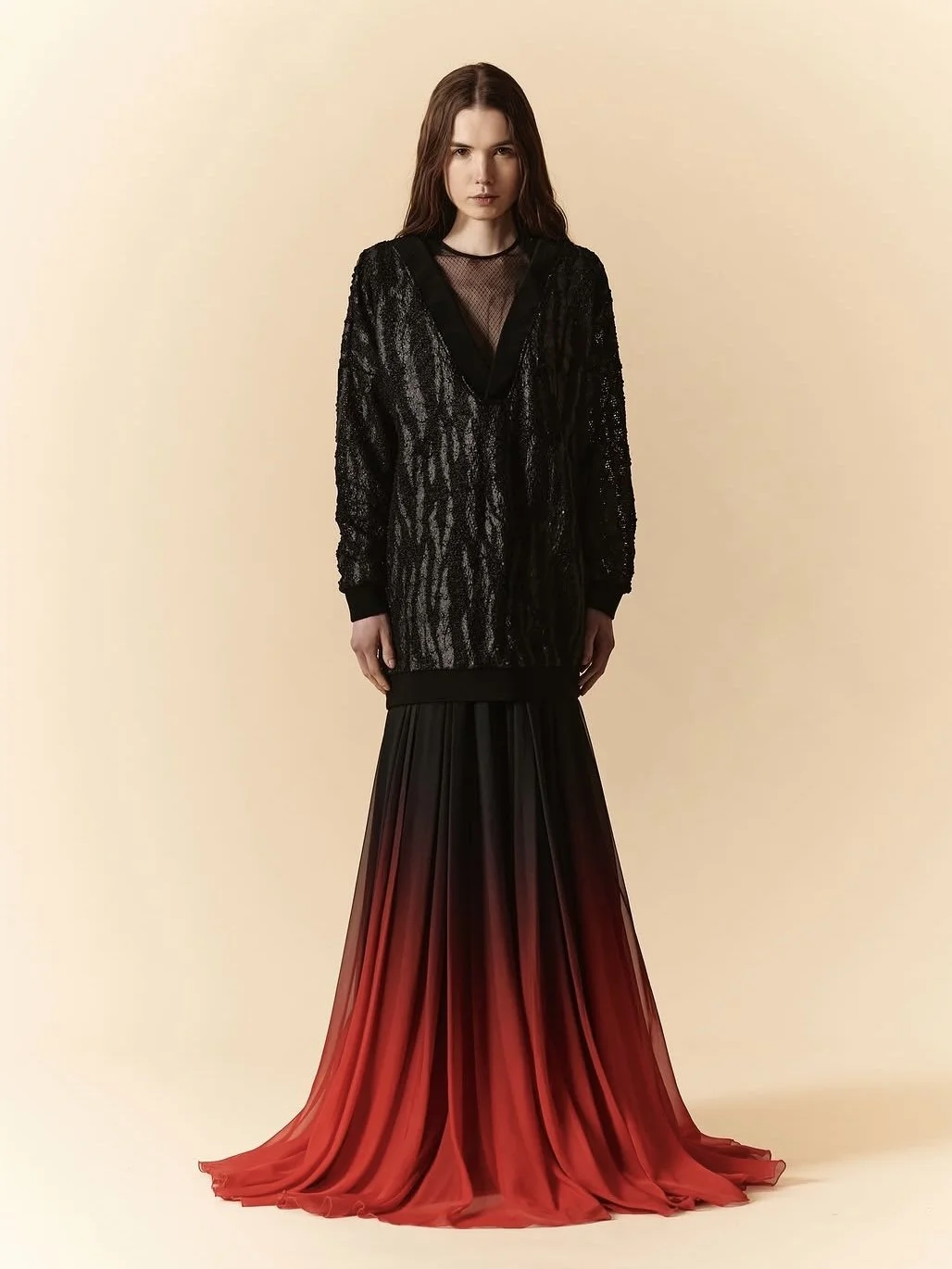
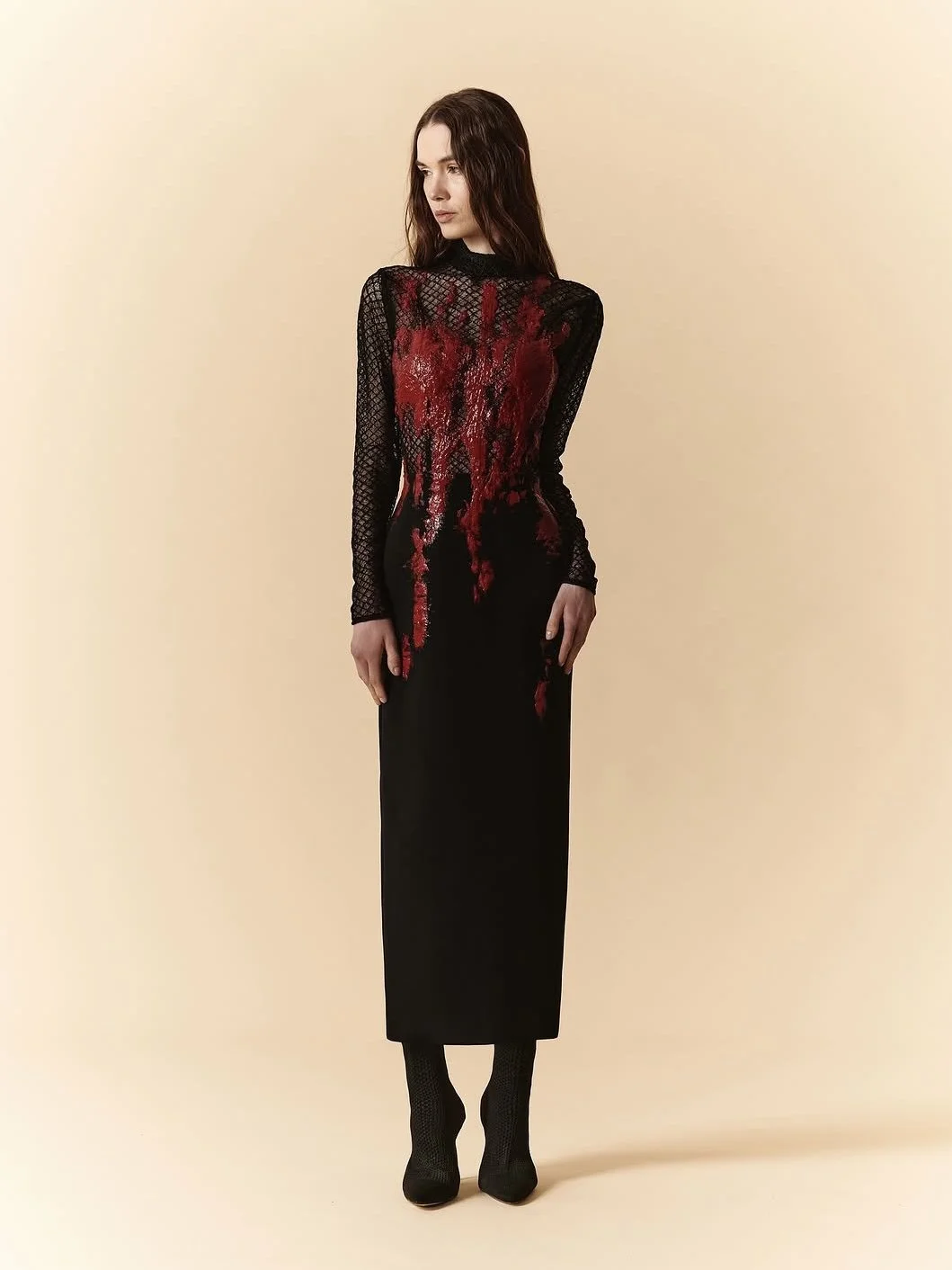
Design by Bartolotta & Martorana
GWF: You are also teaching at Istituto Modartech — how does working with students influence your own creativity and perspective as a designer?
Teaching is a very emotional experience for me. I follow my students with great care and attention, and in many ways I see myself in them — a younger version of me at the very beginning of this journey. I try to give them the kind of support I wish I had received: to encourage them, to help them believe in their vision, but also to be honest about the difficulties of this industry. Fashion can be incredibly rewarding, but it’s also demanding and sometimes unforgiving. This exchange keeps me grounded. Their energy, their doubts, their ambitions — all of it reminds me why I started, and pushes me to stay curious and present in my own work.
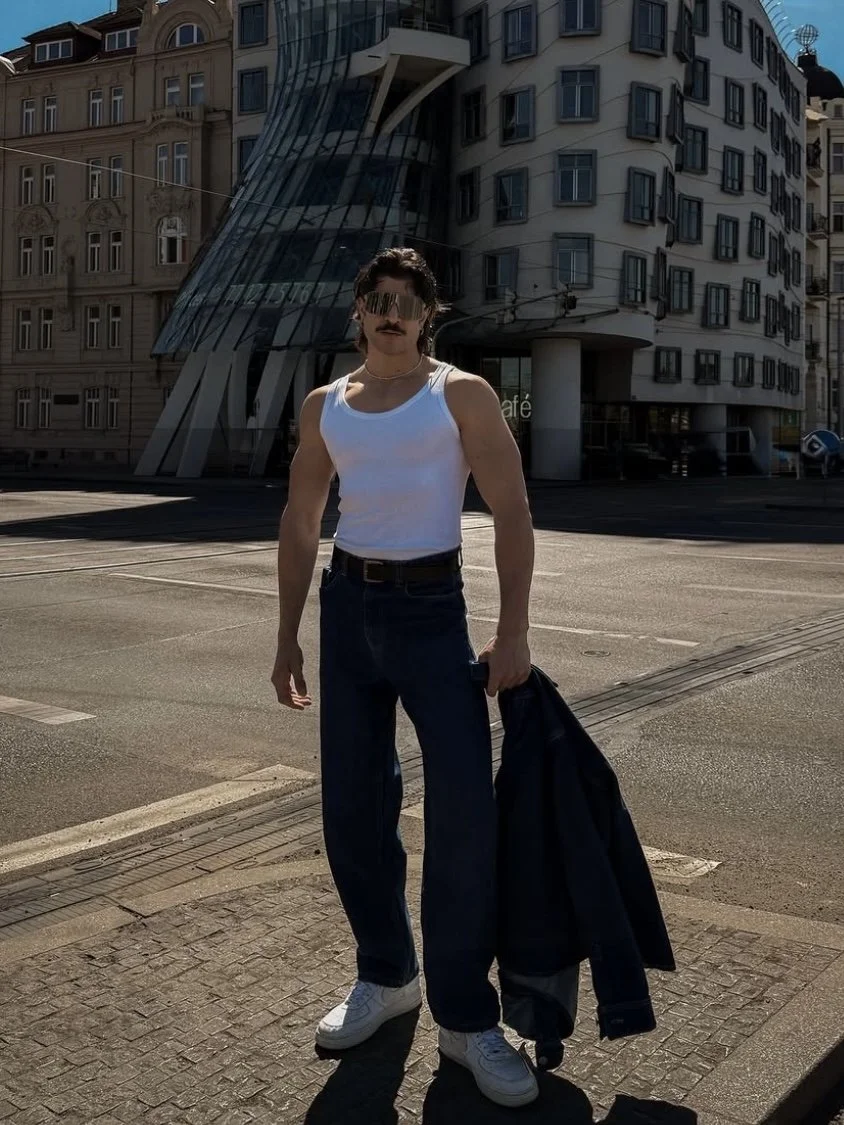
GWF: Fashion education today is evolving rapidly — what do you think young designers need most to succeed in today’s industry?
I believe they need a strong sense of identity. Technical skills are important, of course, but without a clear vision they risk getting lost in the noise. At the same time, they need resilience — the ability to face rejection, uncertainty, and constant change. And perhaps most importantly, they need honesty: with themselves and with their work. Authenticity is what ultimately creates a lasting connection.
GWF: Your collections often highlight strong silhouettes and emotional storytelling — what kind of person do you imagine wearing your designs?
I imagine someone who embraces complexity. Someone who doesn’t feel the need to define themselves in a fixed or conventional way. The people I imagine are like the characters of our collections — they carry emotions, contradictions, and a certain depth. They are not afraid of intensity, but they express it in a subtle, almost quiet way. There is strength in that kind of sensitivity.
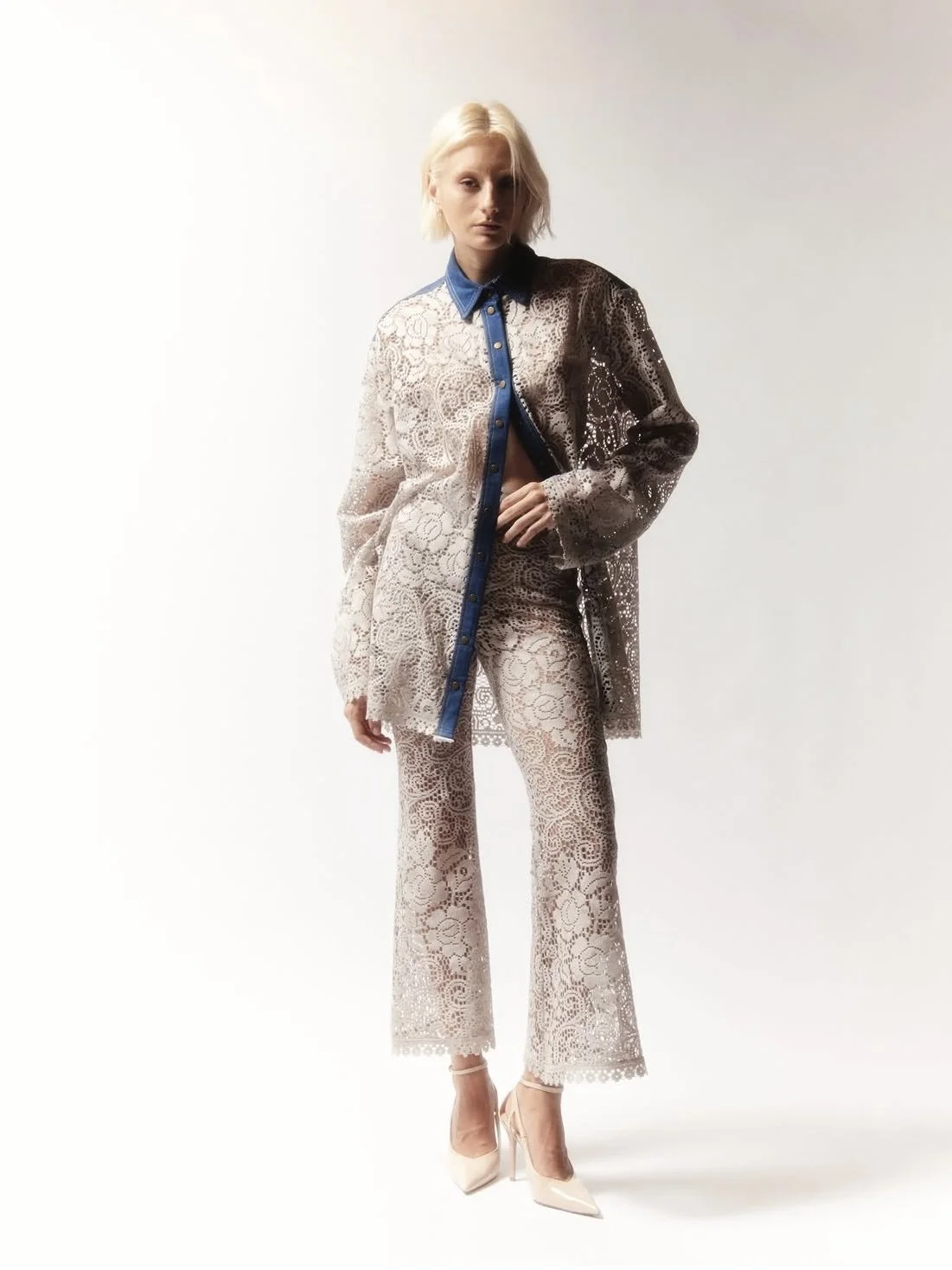
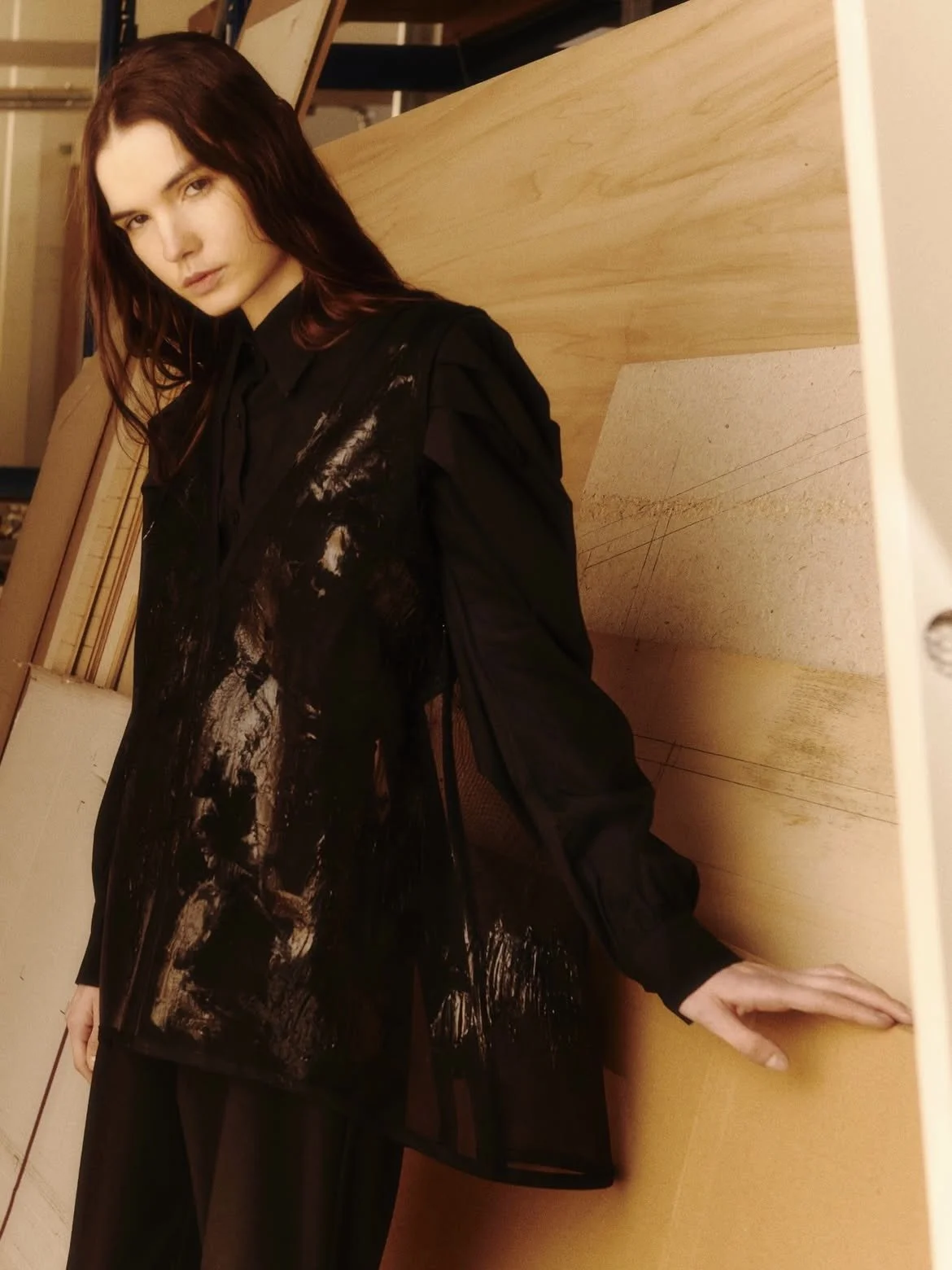
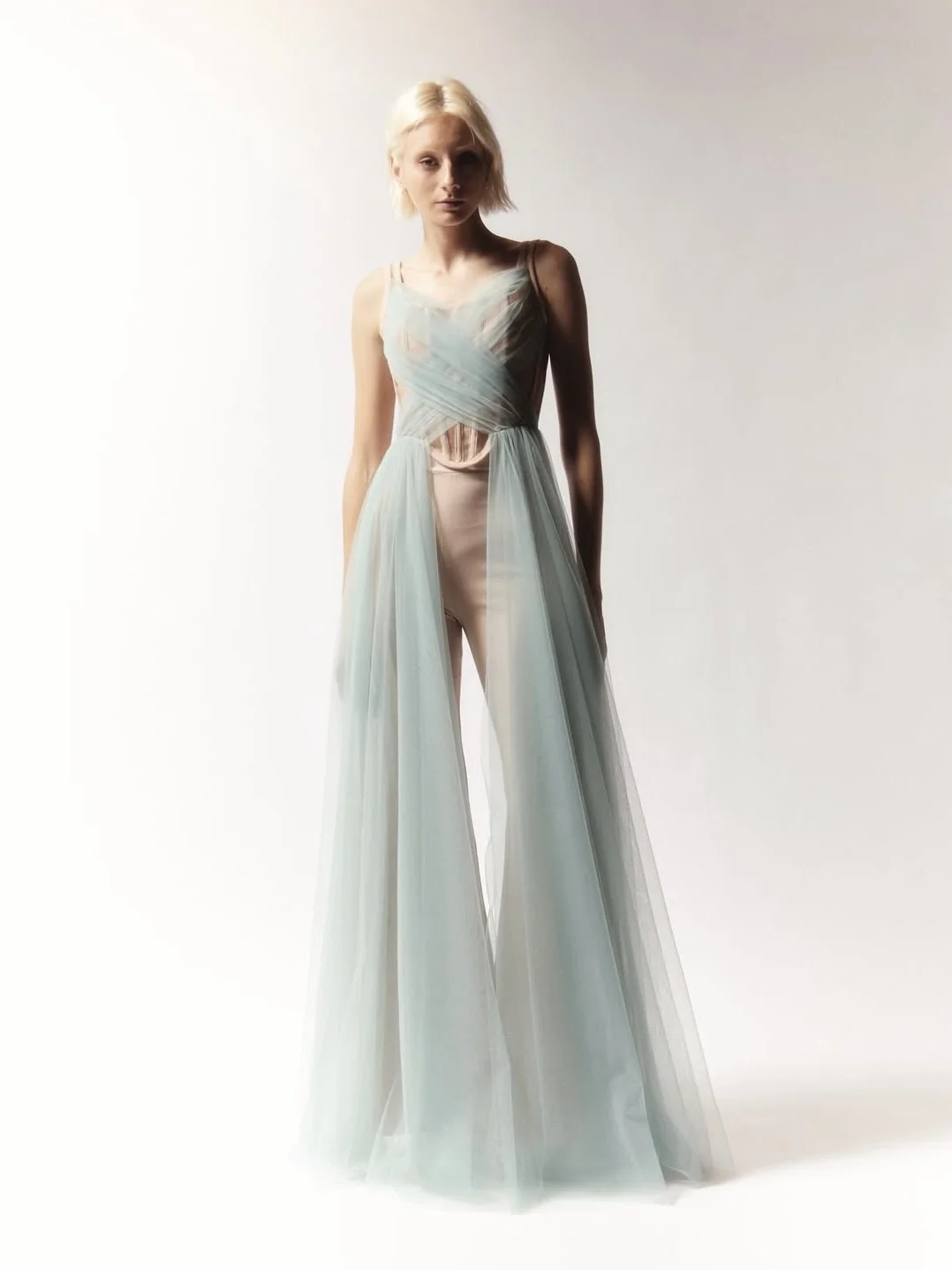
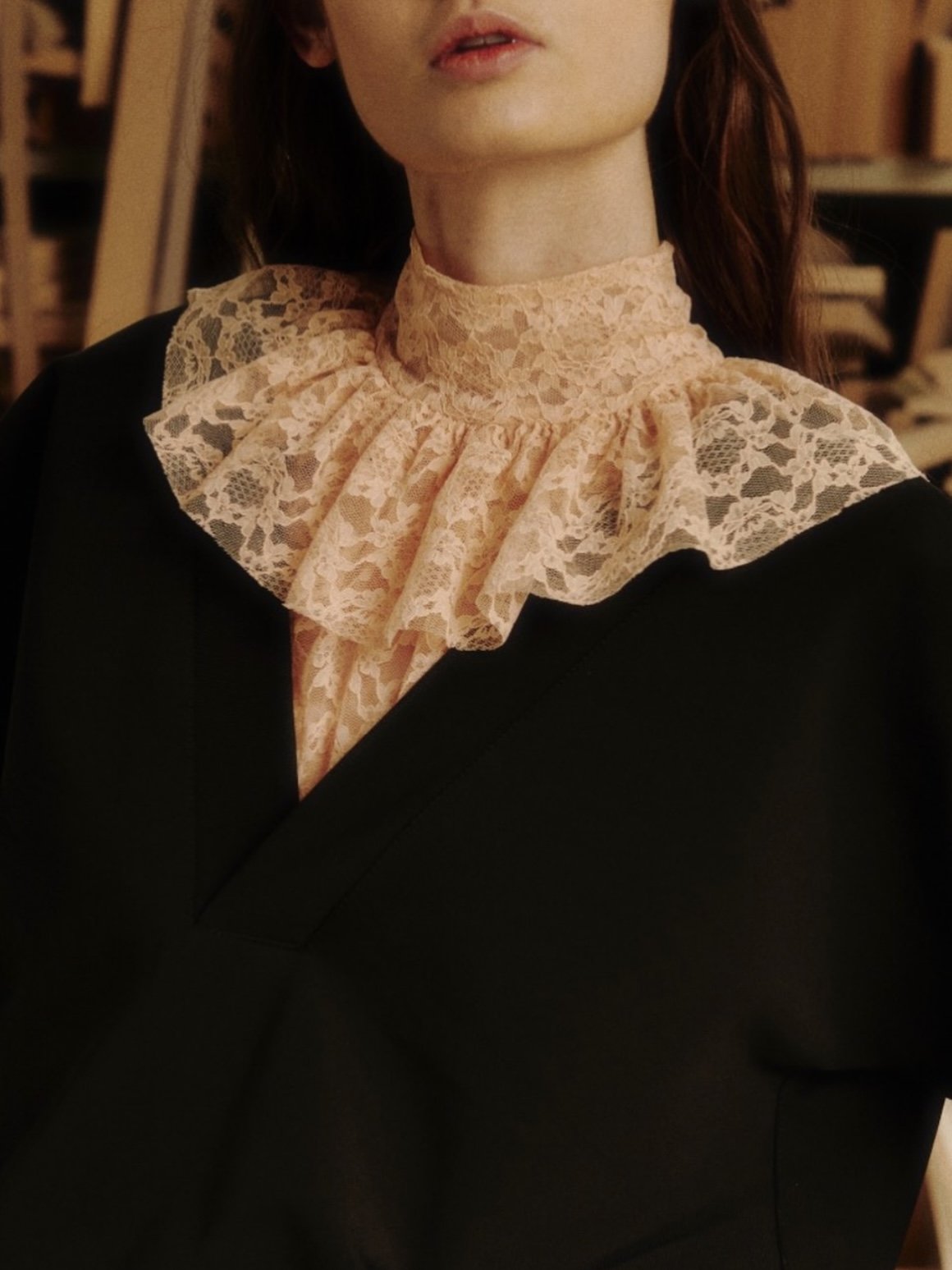
Design by Bartolotta & Martorana
GWF: There’s a fine line between elegance and provocation — where do you like to position your work, and how far are you willing to push that tension?
We are very interested in that subtle boundary. Elegance, for us, becomes more meaningful when it’s slightly disturbed — when there is something that doesn’t fully resolve, something that creates tension. We don’t seek provocation in an obvious way, but we are not afraid of discomfort. That space between control and disruption is where we feel most aligned with our vision. It’s a delicate balance, and that’s exactly what makes it interesting.
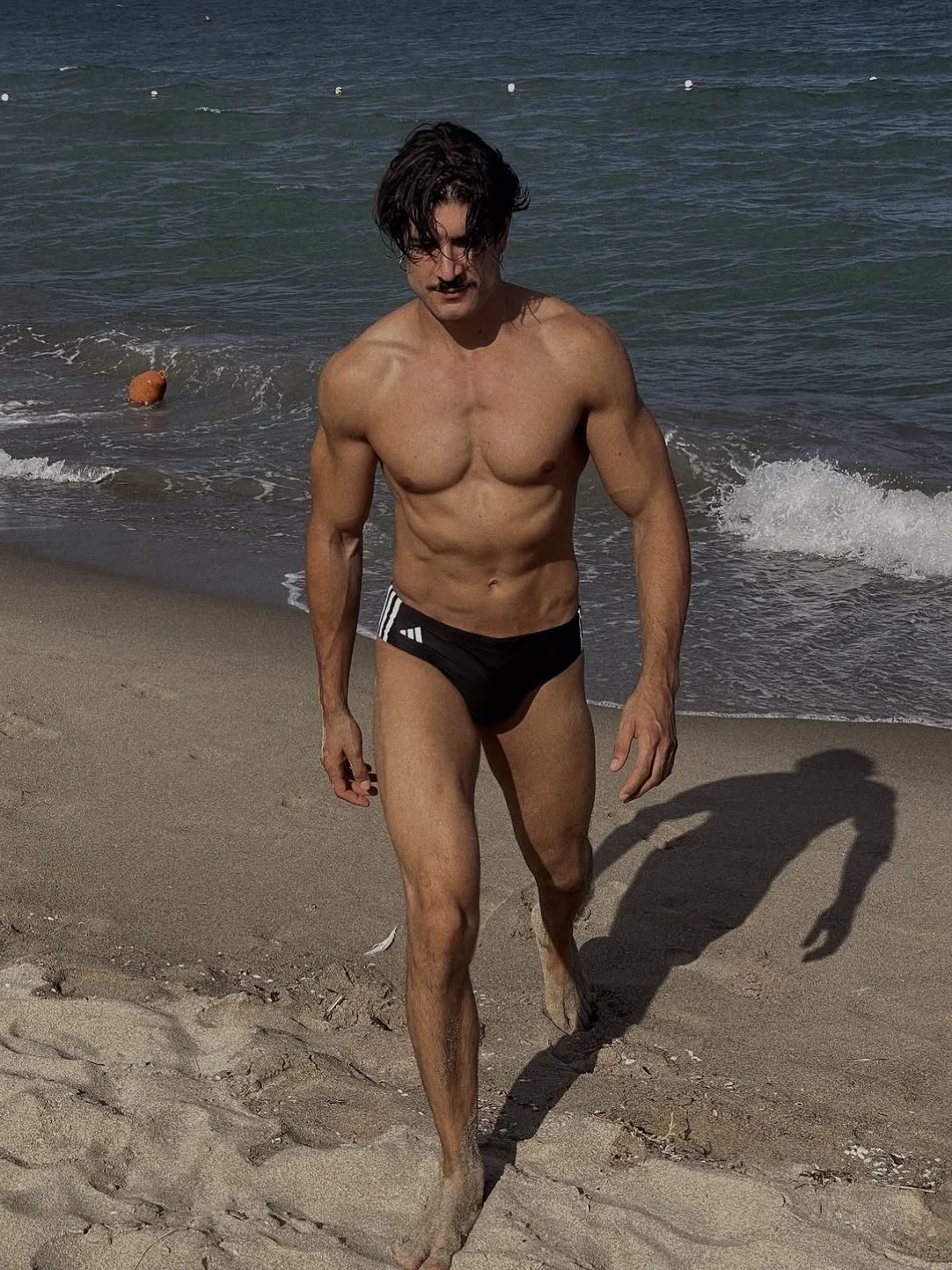
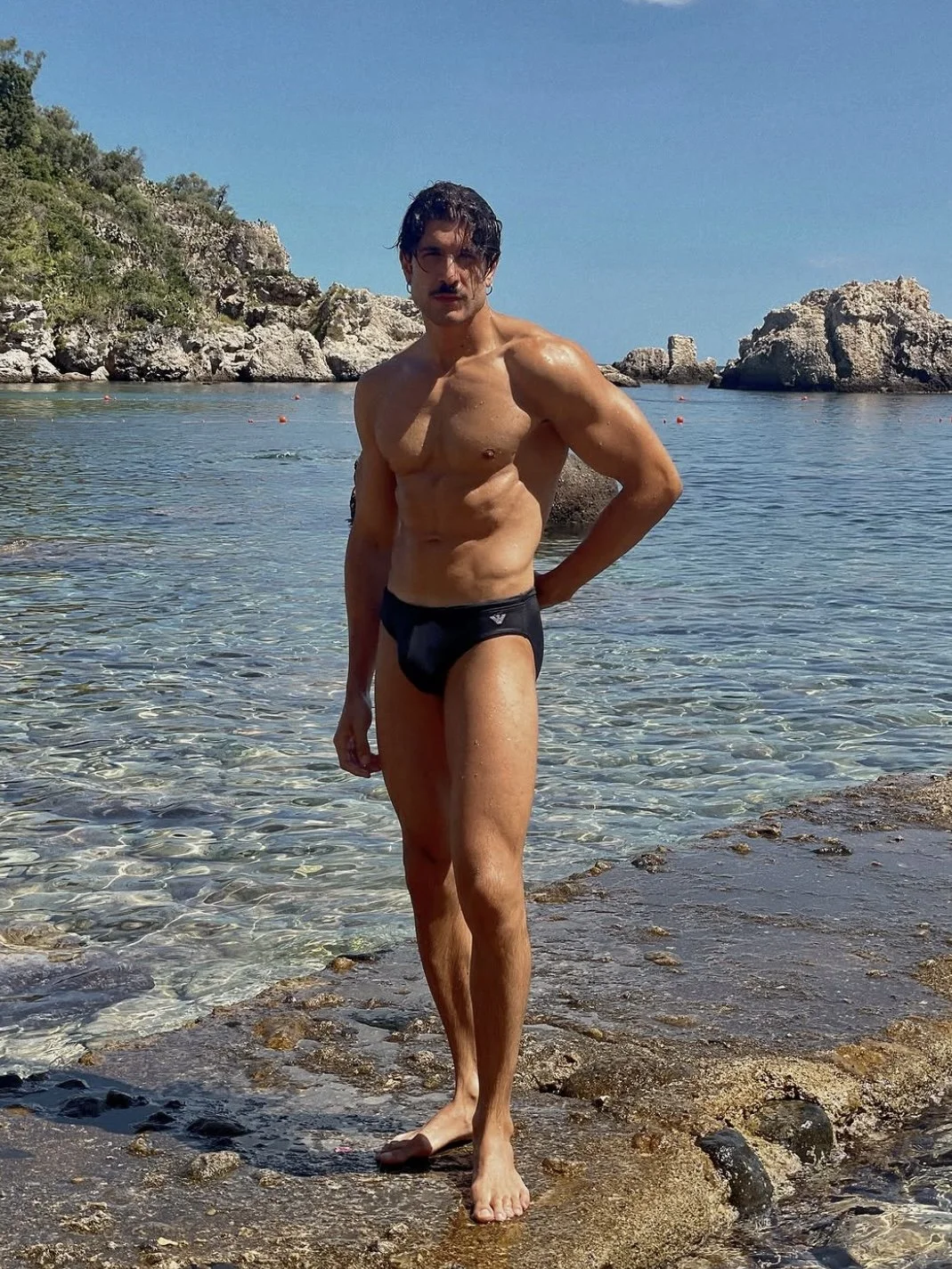
GWF: Looking ahead, how do you see your brand evolving — and what kind of legacy would you like to build in fashion?
We see the brand evolving by becoming more and more precise in its language, without losing its emotional core. We’re not interested in radical shifts, but in deepening what we’ve already started — refining it, making it more essential. In terms of legacy, what matters to us is creating something sincere. A body of work that feels coherent, emotional, and meaningful — something that people can connect with, even beyond the moment.
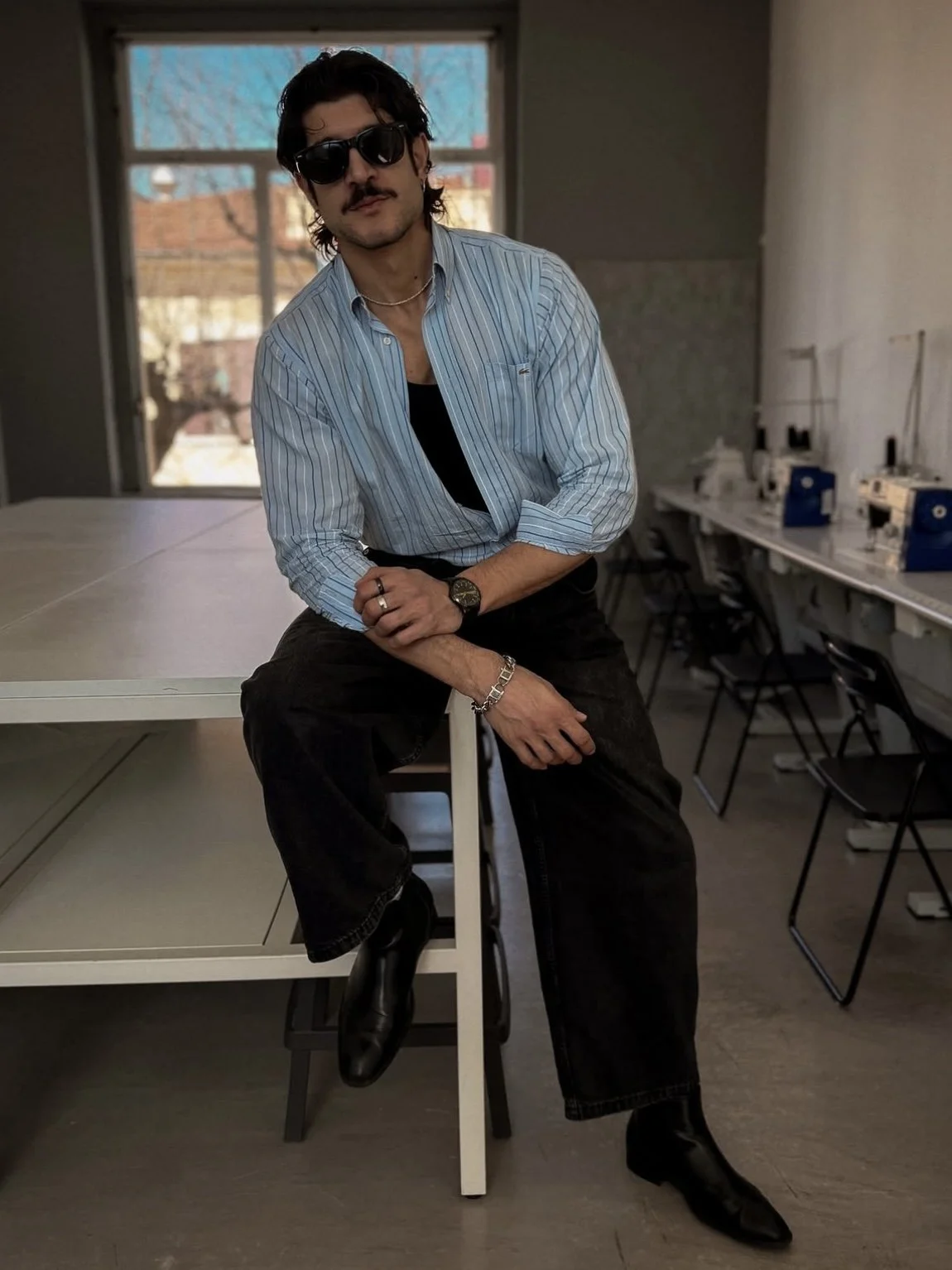
Follow Salvatore on Instagram @mistermartorana & @bartolottaemartorana
Website www.bartolottaemartorana.com

Alessio by Raffaele Iaculli Walker
