
RAF GAWEDA: Capturing the Power of the Male Form
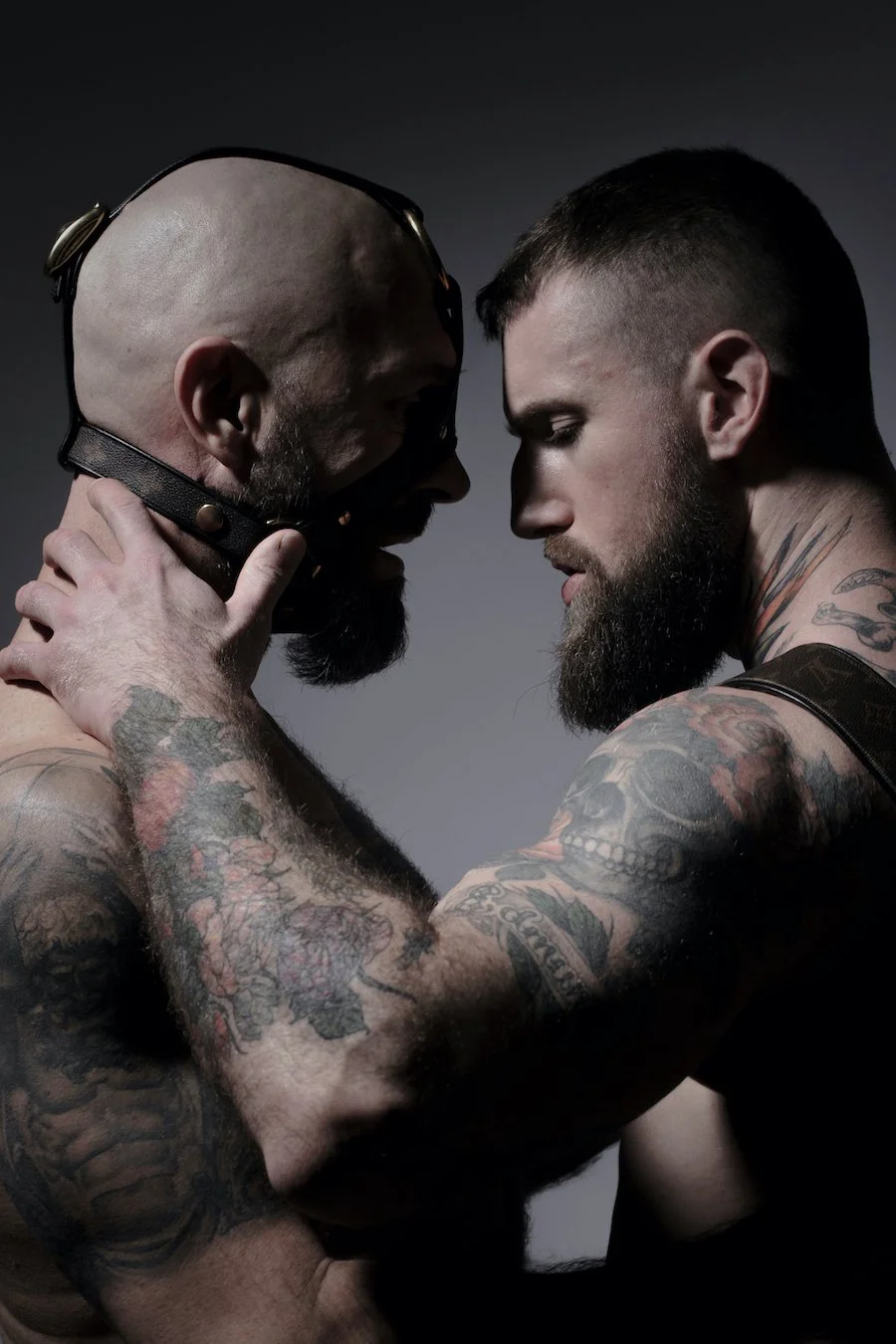
Berlin-based artist Raf Gaweda didn’t take a straight path into photography — he built it through reinvention, risk, and a refusal to settle. Today, his striking portraits explore the intersection of strength, vulnerability, and queer identity, turning leather, light, and the male body into something both intimate and unapologetically bold.
GWF: Introduce yourself - who are you and where are you from?
My name is Raf Gaweda and I'm a multidisciplinary artist based in Berlin.
GWF: Your portfolio covers an impressive range—from fashion and advertising to food and real estate. How did photography first become your creative path?
My career path has been rather unconventional. My father always imagined his son becoming a lawyer—a very typical small-town mentality, where only a lawyer or a doctor guarantees a bright future. At the time, I didn’t have the courage to say no. What I truly wanted was to study at the Academy of Fine Arts, but instead I spent five years pursuing a path that was never really mine.
The road to where I am today has been long and full of reinvention. I once ran a casting agency and worked as a hair and makeup artist for seventeen years. Eventually, I reached a point where I needed a complete reset. I sold everything I owned and spent two years traveling with Maciej, who was my partner at the time. Letting go of everything felt incredibly cathartic—a true tabula rasa. To this day, it remains one of the best decisions I have ever made.
Photography didn’t become a serious focus until 2010, when I moved to Sydney and began working primarily within the fashion industry. But it was moving to Berlin that truly transformed my perspective. This city has a way of shifting how you see the world—once you arrive here, nothing quite remains the same.
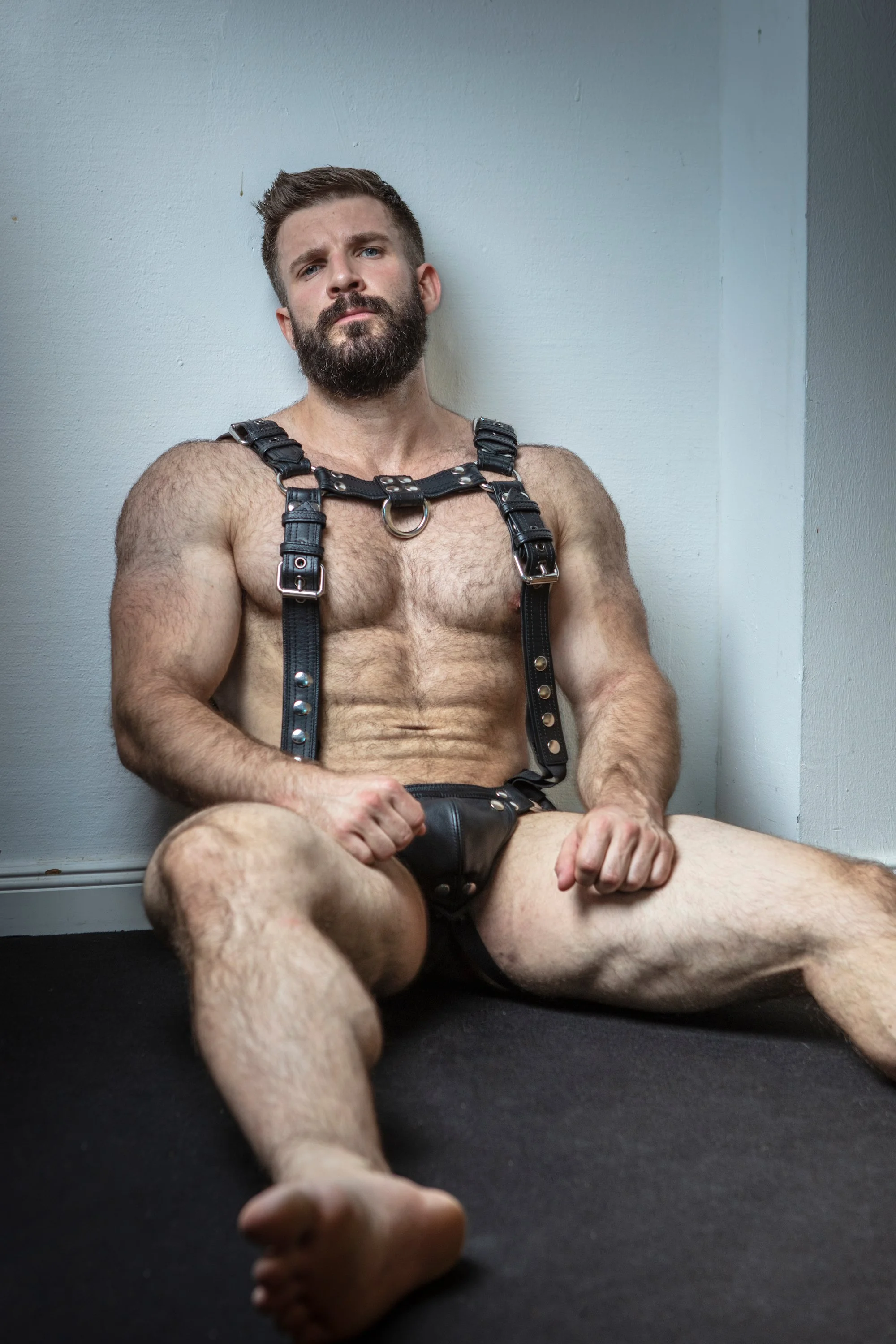
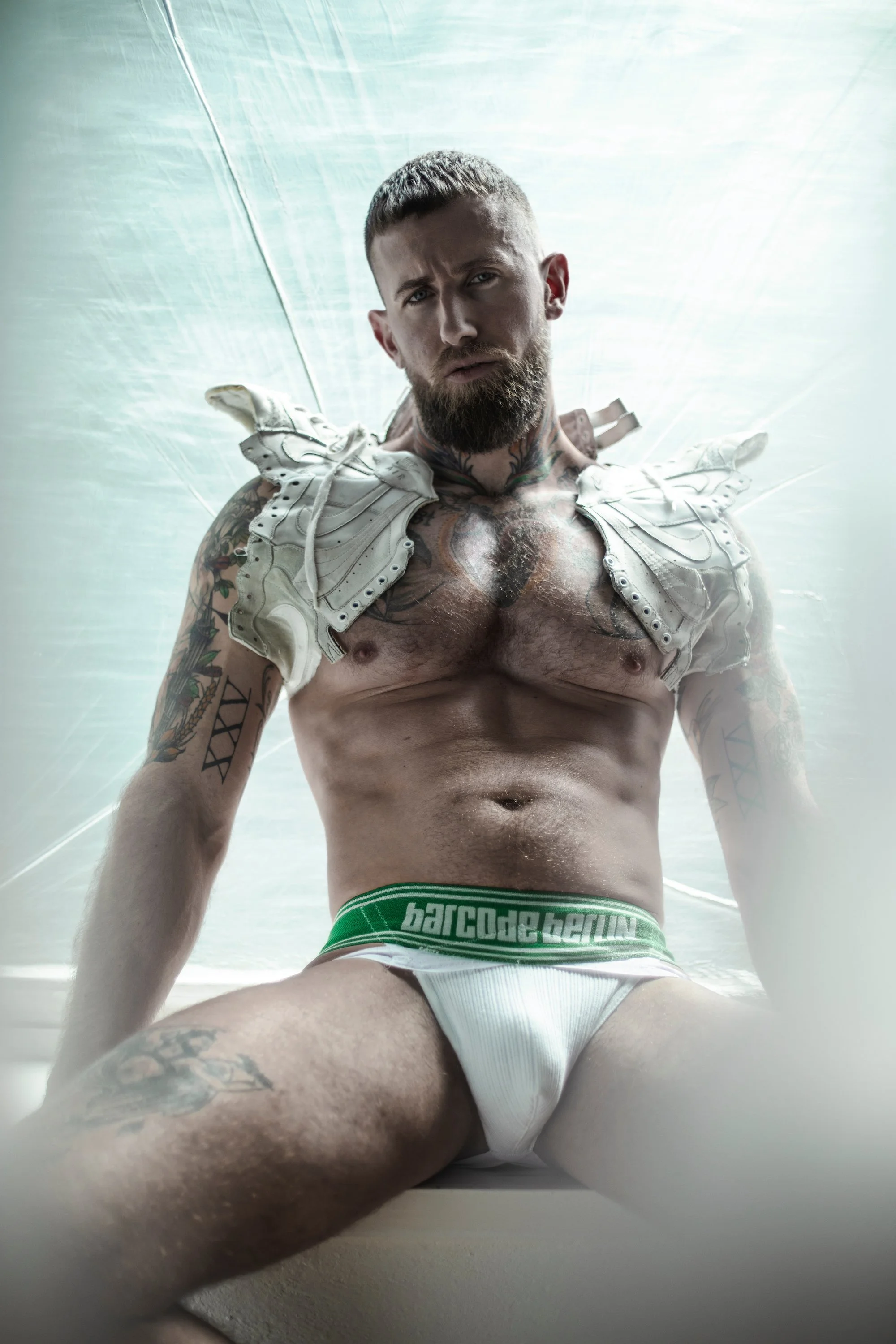
GWF: Among your diverse work, your portraits of men in leather and sport fetish gear stand out as particularly striking. What first drew you to this aesthetic?
It was a very organic path. For a kinky person, it’s almost a dream to be able to pay your bills by
photographing naked men. The real turning point in my career was the 2015 Mardi Gras in Sydney, where I met people from Recon and Army of Men during a shoot. I’ve been working with both brands ever since.
“Berlin gives you the freedom to be yourself without constant judgment”
Moving to Berlin was the cherry on top. I moved here to not give a fuck about anything anymore. Berlin gives you the freedom to be yourself without constant judgment. Over time, your insecurities and past conditioning start to dissolve—not instantly, but through a kind of organic rebuilding.
I met many incredibly creative people who continue to inspire me every day. I also discovered that the hedonistic and decadent spirit is still very much alive here—but interestingly, it exists independently from socio-economic status, which I find deeply appealing.
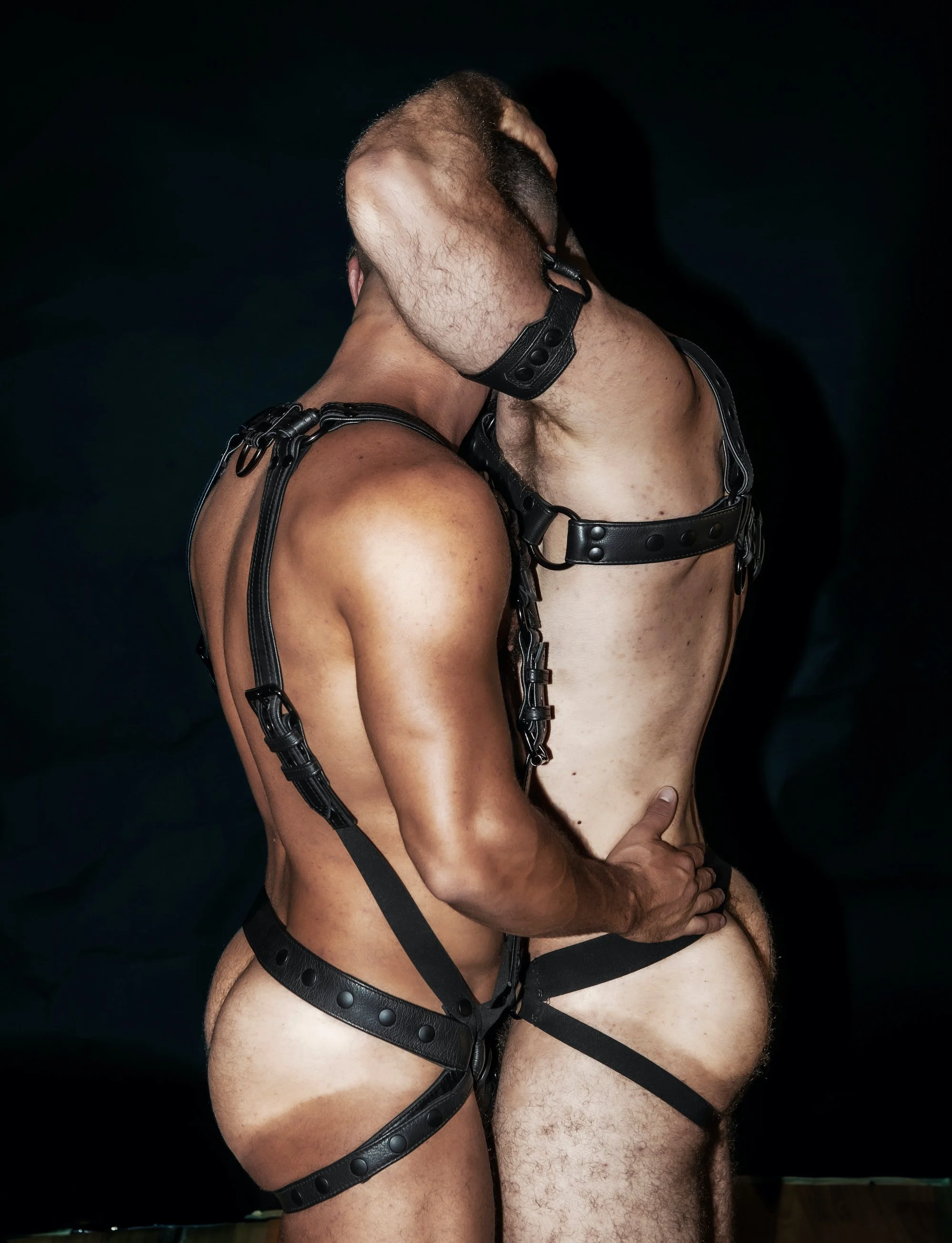
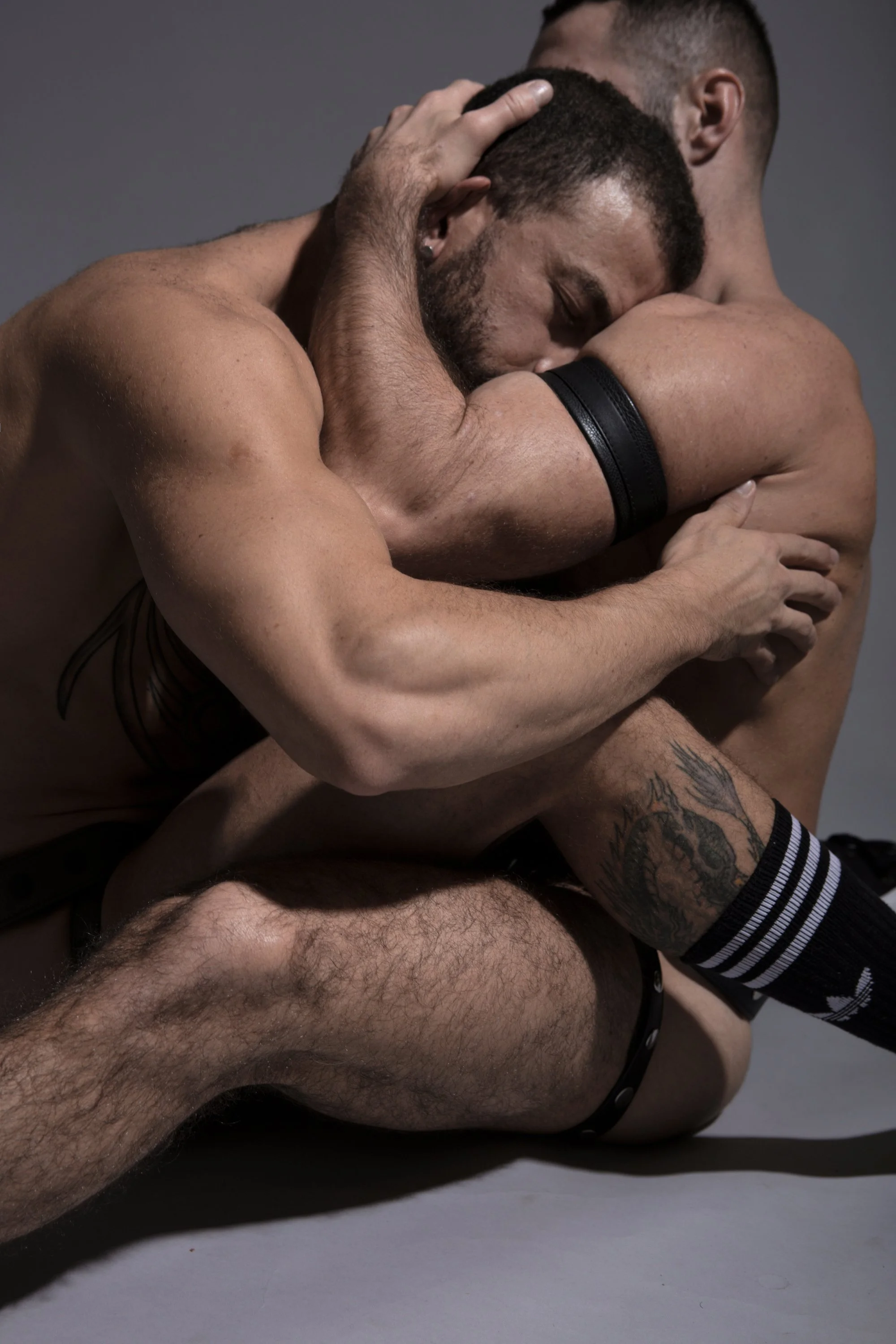
GWF: Your leather portraits feel both powerful and intimate. What atmosphere or emotion are you aiming to capture in these images?
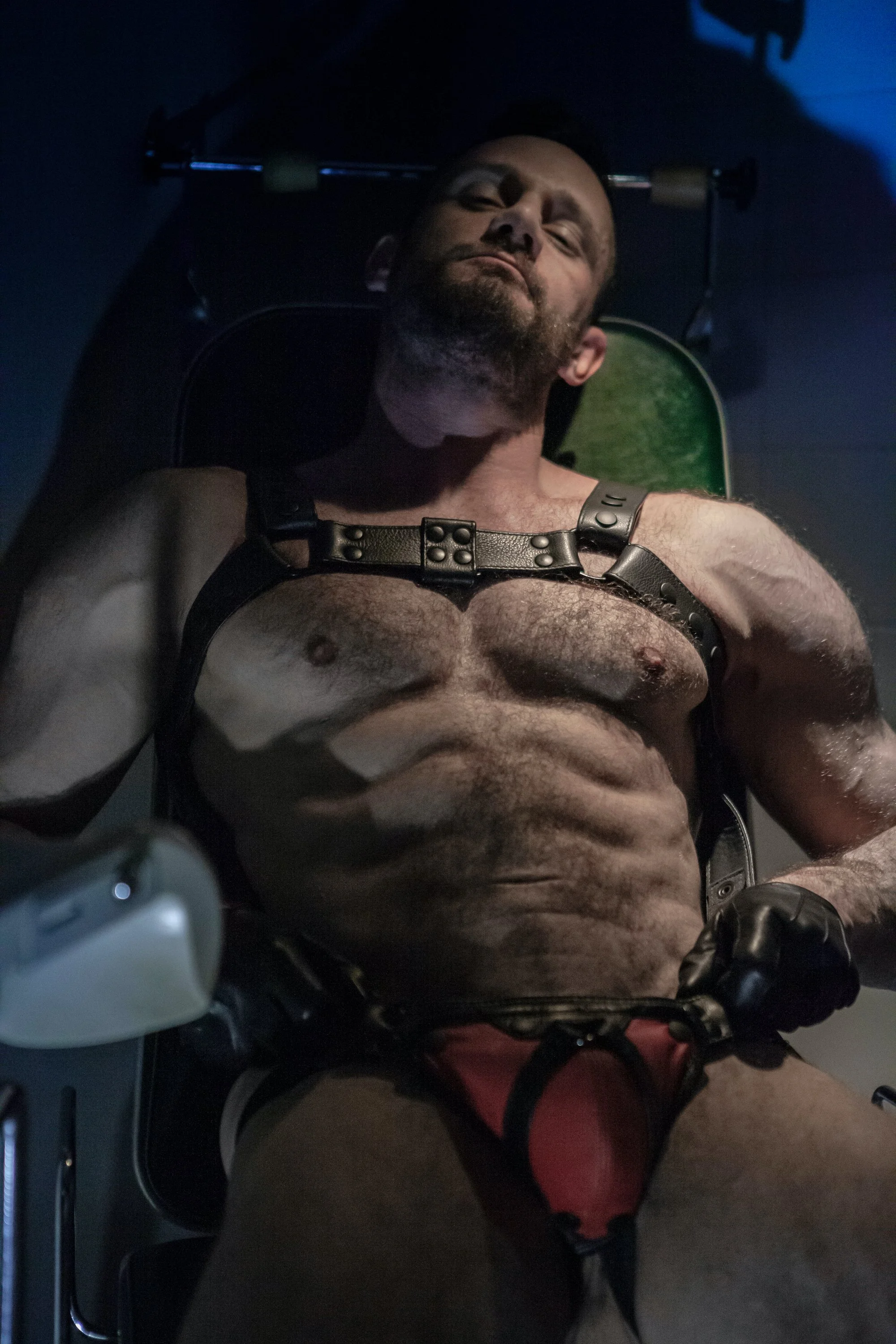
I’m always aiming for a tension between strength and vulnerability. There’s a raw, almost primal energy in these images, but at the same time I want to reveal something intimate and human. It’s about capturing presence—those moments where confidence, desire, and authenticity intersect.

GWF: Leather has a very distinctive texture and presence. What makes it such a compelling material for you to photograph?
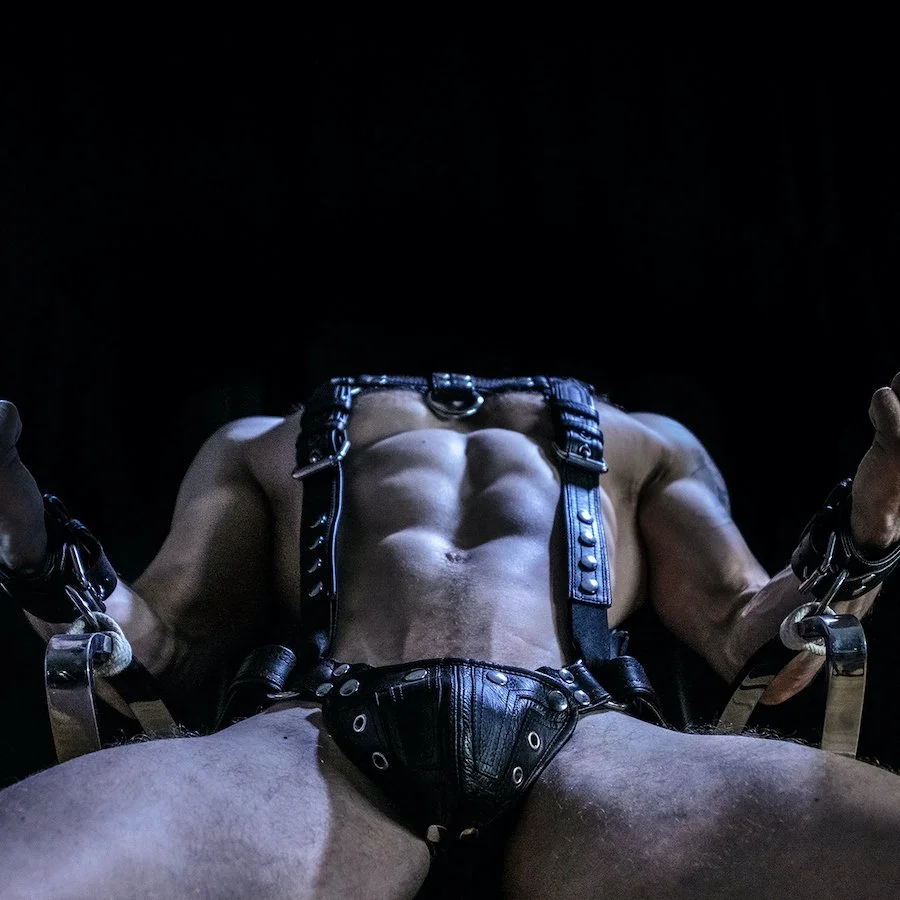
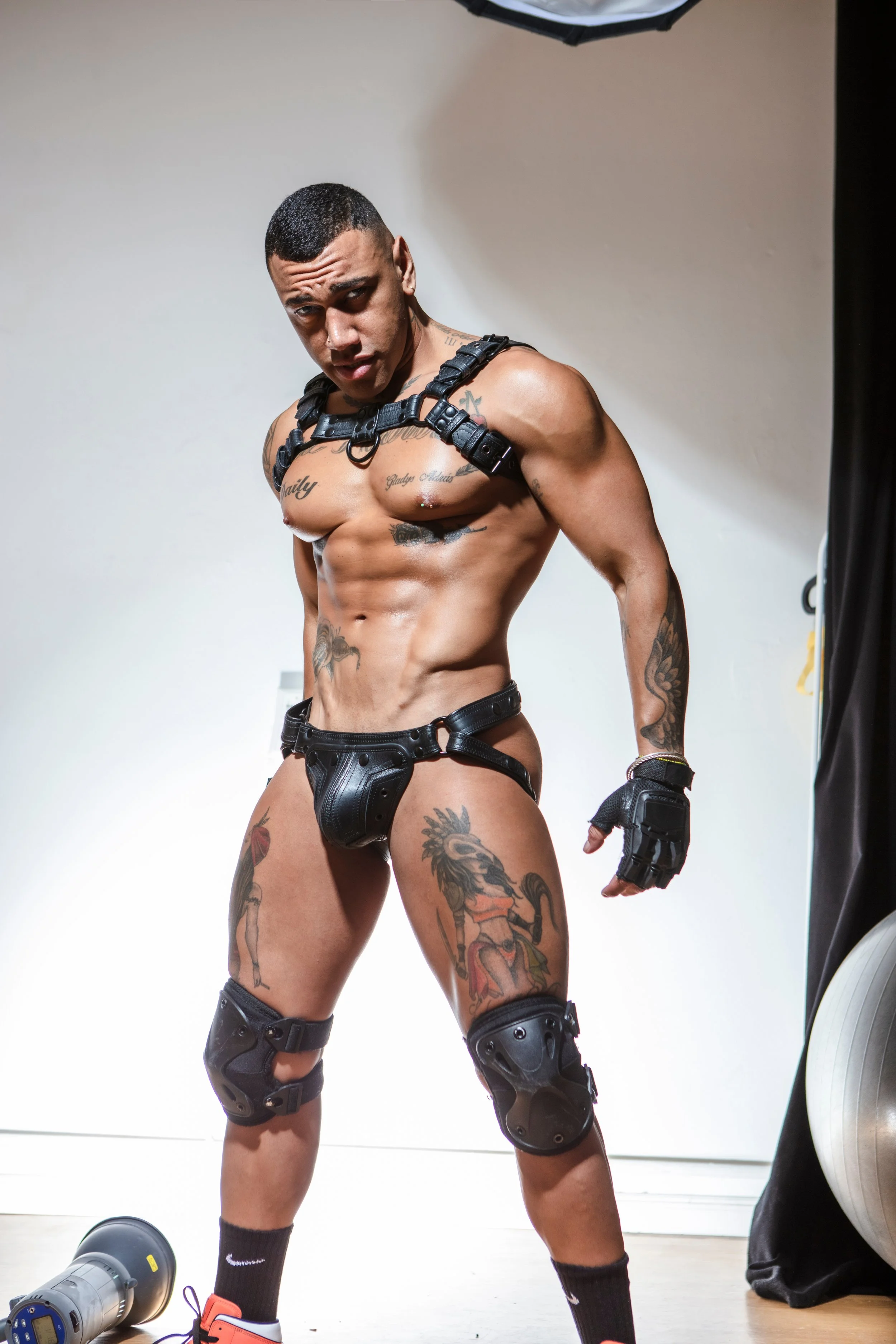
Leather reacts beautifully to light—it reflects, absorbs, and shapes the body in a very sculptural way. It enhances form, posture, and movement. There’s also a psychological aspect to it: leather carries strong cultural and erotic associations, which add another layer of meaning to the image. It’s never just about the material—it’s about what it represents.
GWF: Many of your subjects appear confident and expressive in front of the camera. How do you create anenvironment where models feel comfortable embodying that energy?
Confidence is the hottest thing—but it doesn’t always come instantly. My role is to create a space where people feel seen, not judged. I keep things relaxed, collaborative, and intuitive. Once trust is there, everything else follows naturally.
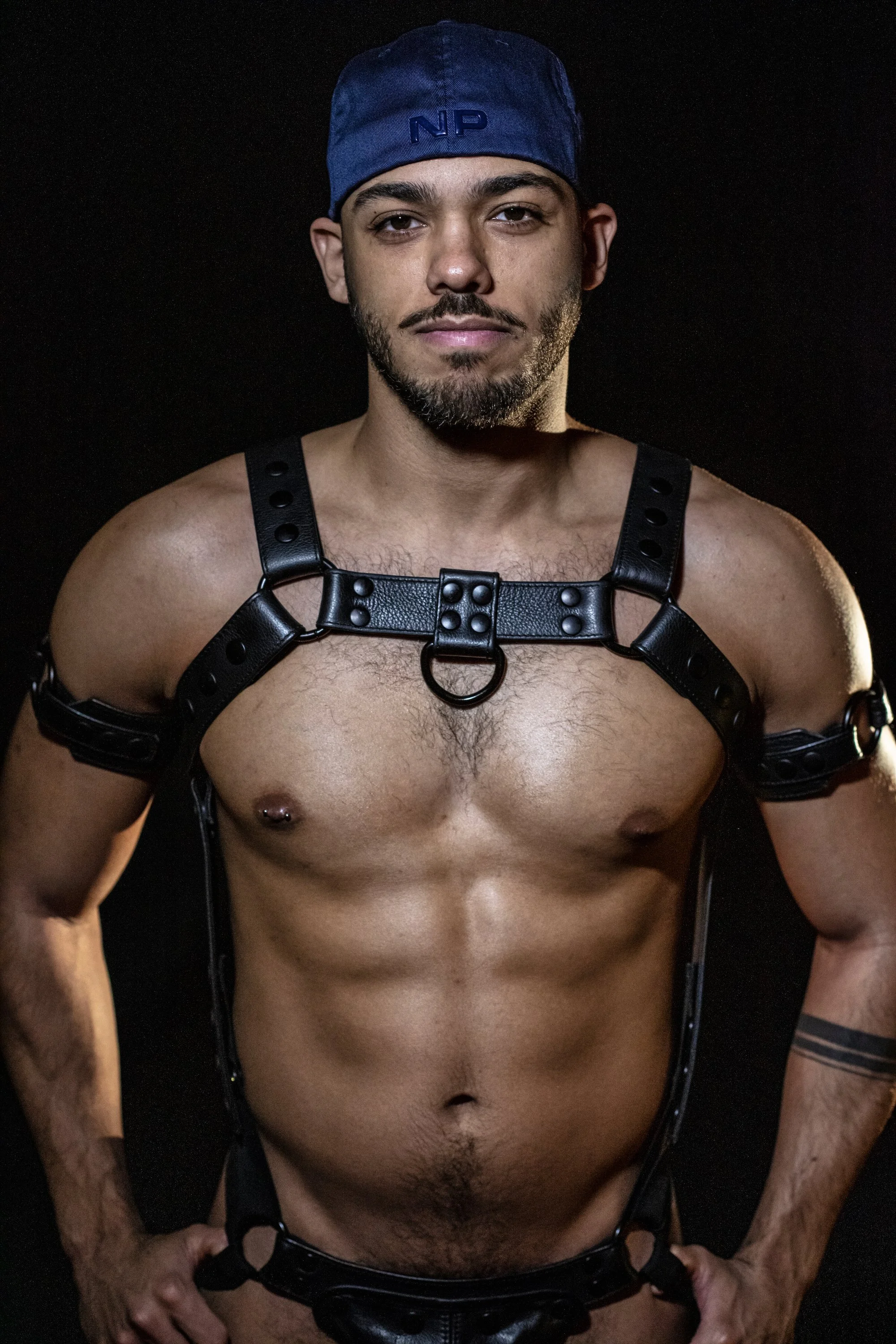
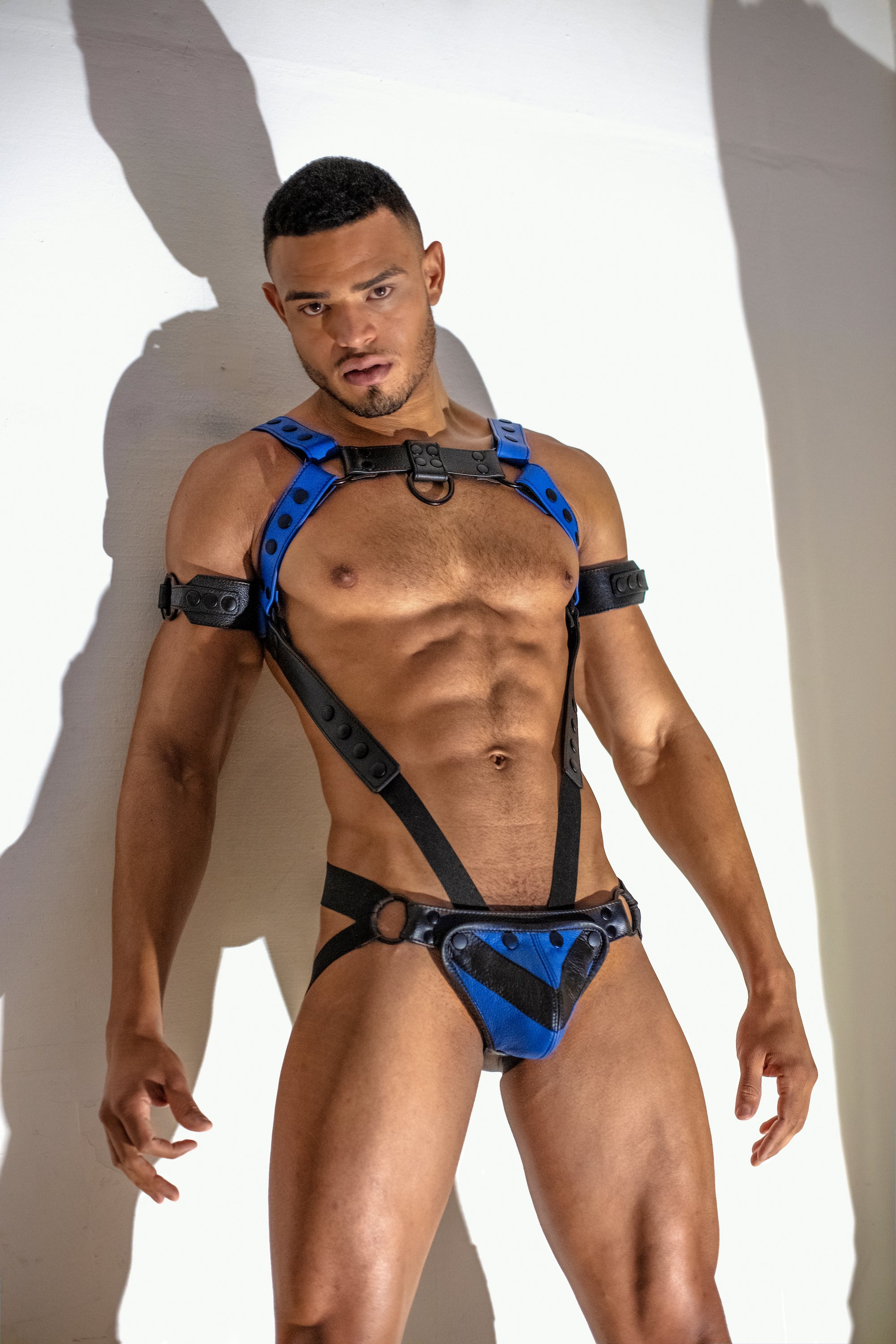
GWF: Since the leather garments play such a strong role in the images—often sharing the spotlight with the model—do you approach these portraits more like fashion photography, or do you see them as something different?
My background is in fashion, so there’s definitely a strong influence from that world, especially in terms of aesthetics and technique. I value that experience a lot. But at some point, I had a kind of eureka moment when I realized I was more interested in capturing sexuality, identity, and the diversity of kink culture.
Fashion can sometimes be very controlled and standardized. Working with nudity and fetish allows me to break away from those structures. It opens up a more personal and exploratory space—both visually and emotionally. For me, it’s an ongoing study of perception, desire, and self-expression.
GWF: How do you balance sensuality and eroticism with elegance and strong visual composition in your work?
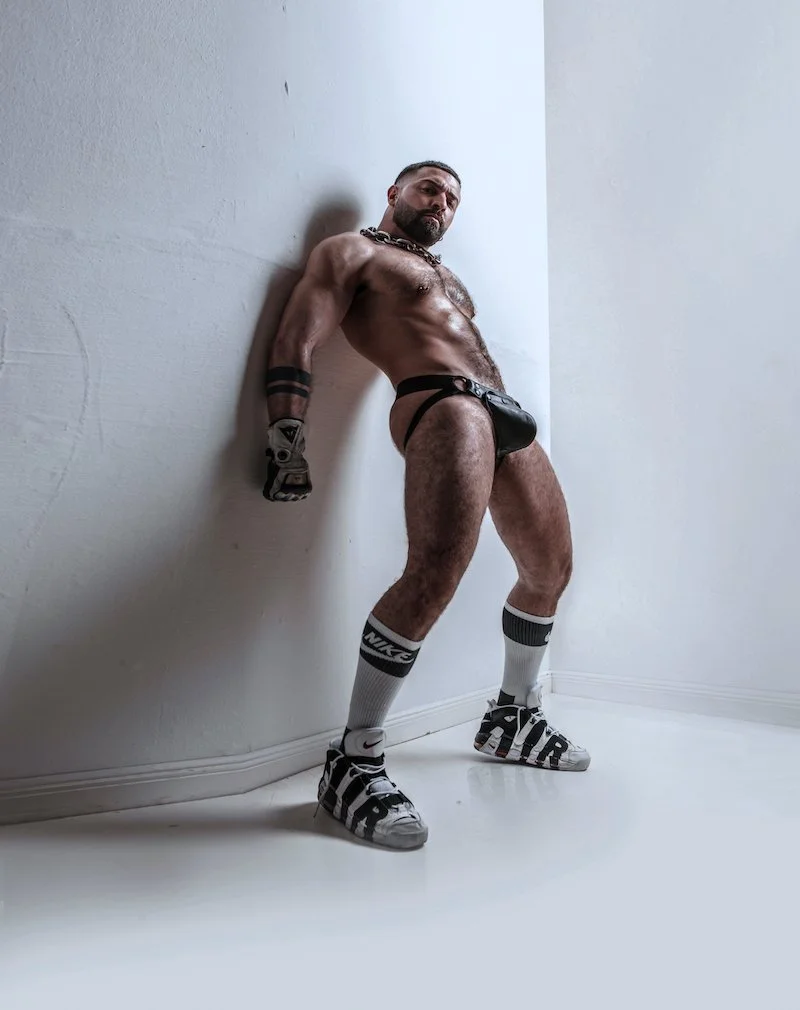
For me, it’s all about intention and restraint. Sensuality doesn’t need to be loud to be powerful. I focus on composition, light, and form first—those are the foundations. The erotic element emerges naturally from the subject and the energy in the room. When everything is aligned, you don’t need to push it—it just exists.
GWF: How much of your leather portrait photography is carefully planned beforehand, and how much emerges spontaneously during the shoot?
I usually prepare a loose brief or moodboard for every shoot, but I never follow it too strictly. Working with strong, creative individuals means there’s always a lot of input from their side as well. The best moments often happen spontaneously, so I leave space for that.
GWF: Do you see your leather and sport fetish portraits as part of documenting queer culture and identity?
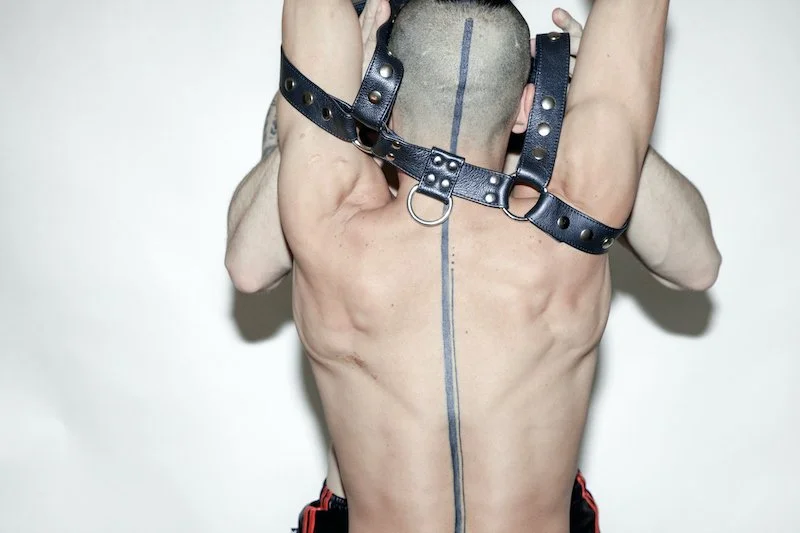
Yes, definitely. I see it as a form of documentation, but also as interpretation. Queer culture is constantly evolving, and I’m interested in capturing fragments of it as they exist right now—its energy, its aesthetics, its codes. It’s both personal and collective at the same time.
GWF: When viewers encounter these images, what do you hope they feel or take away from them?
I want them to feel something—whether it’s attraction, discomfort, curiosity, or empowerment. Ideally, the images stay with them for a moment and provoke a reaction. If someone sees themselves reflected in the work, or feels challenged by it, then it has done its job.

