
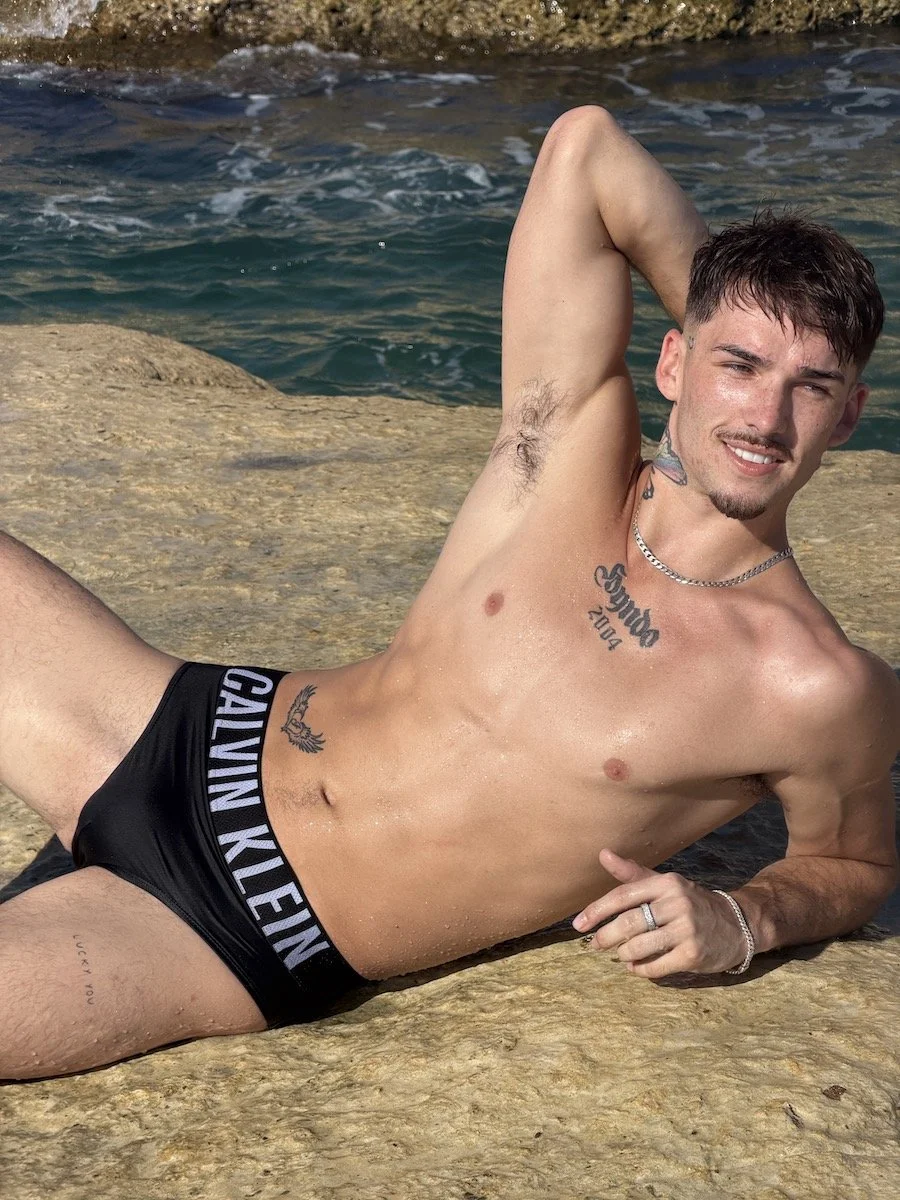
Kicked out at 16 for being gay, DARRYL RYDER, now 22, has built a sizeable online following. The Scottish creator and adult entertainer lives with Tourette syndrome, speaks openly about domestic violence, and uses humour to connect with people. Now, he’s setting his sights on collaborating with someone from every country In the world.
GWF: You have 2 million+ followers across all of your platforms. For those who don’t know you, could you introduce yourself?
My name is Darryl Ryder, I’m 22 years old and originally from Scotland. I’m an online content creator, adult entertainer, stripper and businessman.
I’d describe myself as a little bit crazy, extremely high-energy, ambitious and someone who absolutely loves making people laugh. I don’t take myself too seriously, and I’m definitely not afraid to make a complete fool of myself!
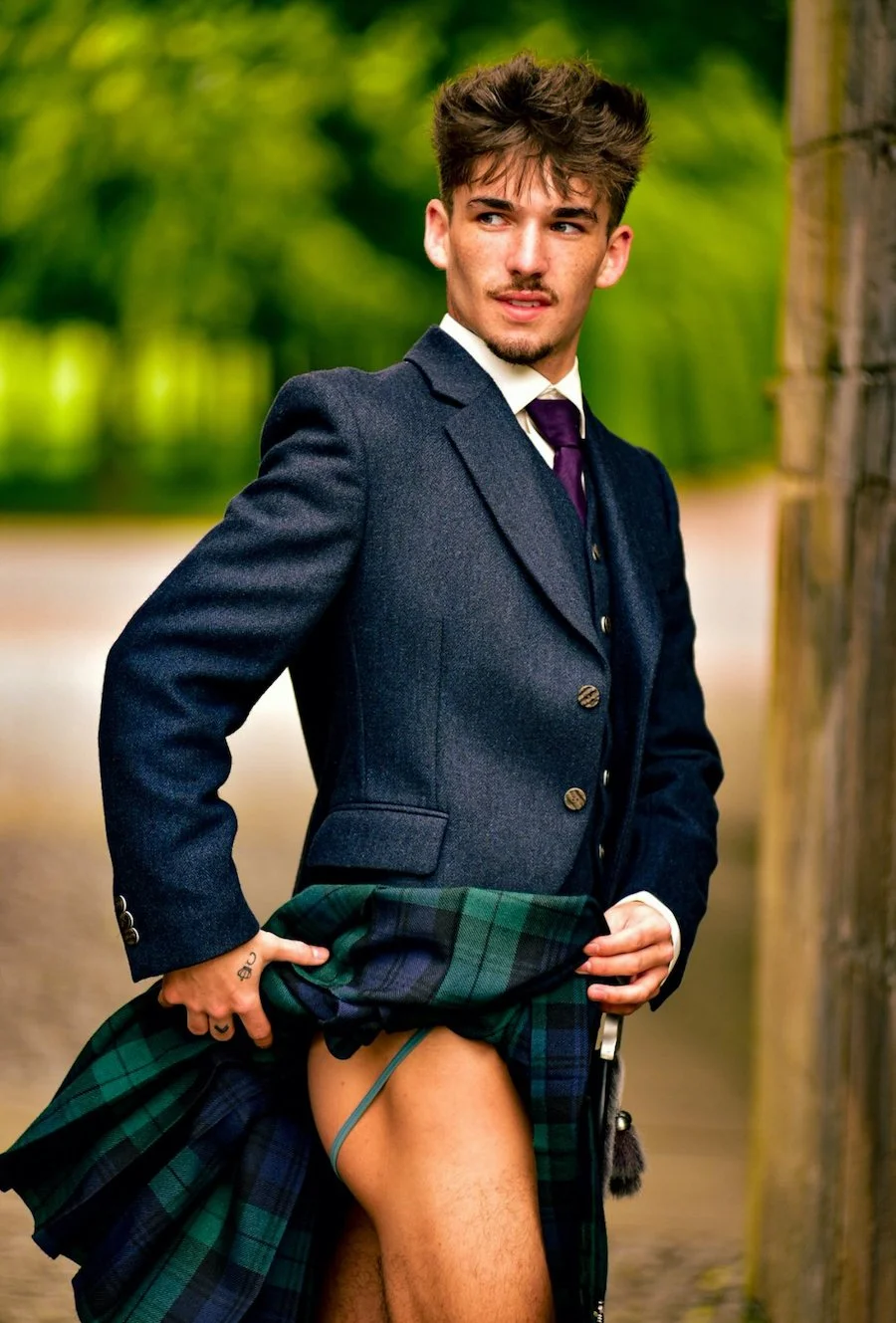
I also have Tourette’s syndrome, which has been a big part of my life and my journey on social media.
Outside of entertaining, I’m incredibly passionate about raising awareness of domestic violence. As a survivor myself, I want to use my platform to share my story, break down stereotypes and hopefully help other people realise that they’re not alone.
I think there’s a lot more to me than what people see online, and that’s something I’m really excited to share.
GWF: You told us you had a difficult start in life, you left home at 16 with nothing but a backpack. What happened, and how did you manage to build a life for yourself from there?
Growing up, I didn’t have the easiest childhood. I experienced a lot of difficulties within my family, and I’ll never forget the day I was kicked out of my home at just 16 years old for being gay. I left with nothing but a backpack, not knowing where I was going or what would happen next. At that age, you’re supposed to be worrying about school, friendships and what you want to do when you’re older, not where you’re going to sleep or how you’re going to survive.
I had to grow up incredibly quickly and learn to depend on myself. There were times when I genuinely had no idea what I was doing or where my life was going to end up, but I knew I wanted more for myself.
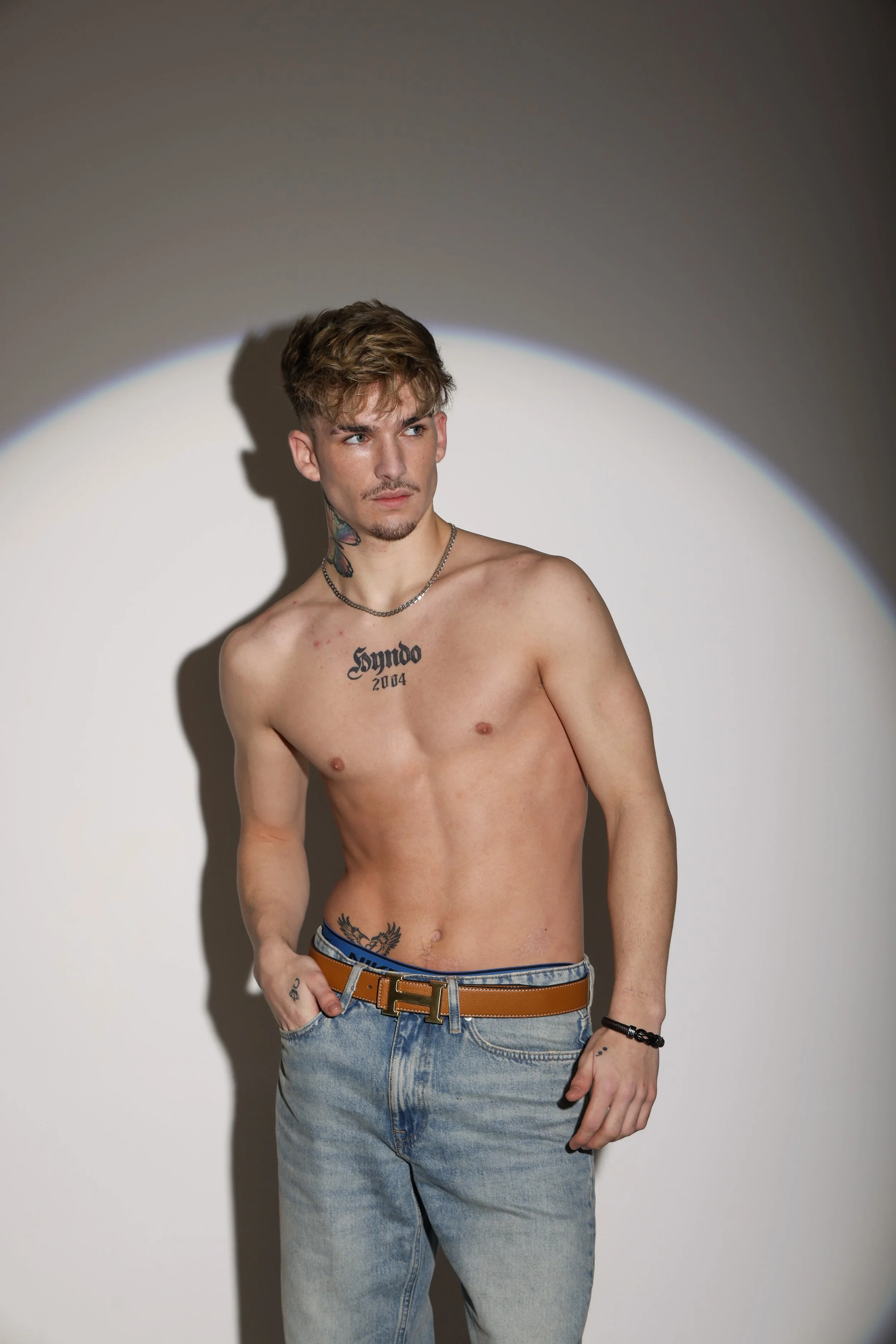
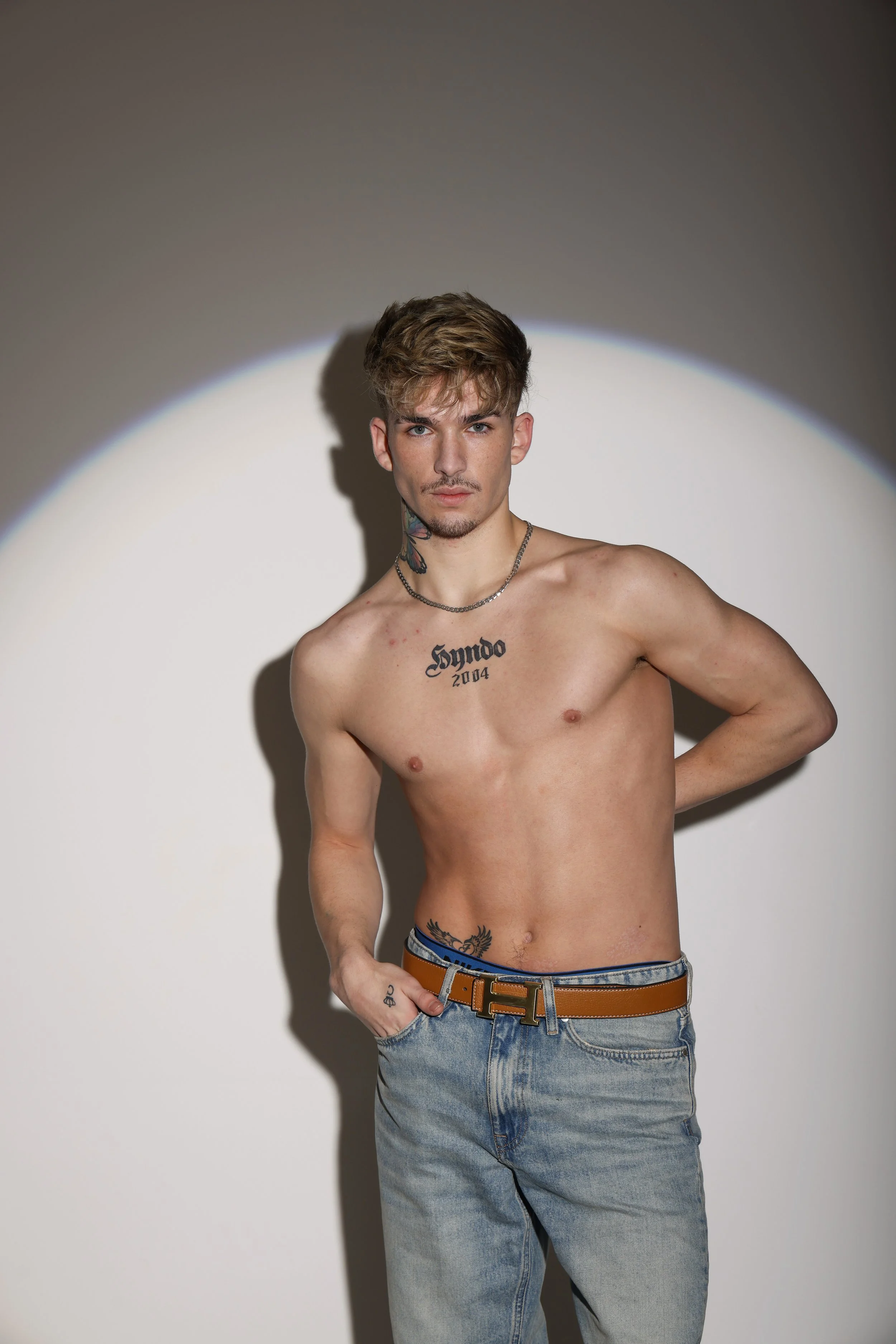
I think the biggest thing that got me through was my determination. I’ve always been someone who refuses to accept that my circumstances decide what I’m capable of achieving, and I think the life I’ve built today is proof of exactly that.
There’s something quite ironic about the fact that I was kicked out of my home for being gay, and now, six years later, I’ve built an entire career out of being unapologetically gay. The very thing I was made to feel ashamed of at 16 is the same thing that’s helped me build the life I have at 22.
I hope that somewhere there’s a young LGBTQ+ person reading my story who’s being made to feel like who they are is something to be ashamed of. I want them to know that there’s absolutely nothing wrong with them, and that the people who refuse to accept them don’t get to decide what their future looks like.
Looking back now, I’m incredibly proud of the life I’ve managed to build. Not necessarily because of the money, the followers or the career, but because I know what it took to get here.
I went from being a broken 16-year-old boy with nothing but a backpack, feeling like the world was against me, to becoming a confident, independent and successful young man who knows his worth.
I lost my home for being who I am, but I refused to lose myself. And six years later, I’m living proof that being gay was never the problem.
GWF: Domestic violence is an ever-present problem in today’s world. How has your experience of domestic violence shaped the person you are today, and why is it important to you to speak about it publicly?
Domestic violence is something that has affected me at different stages of my life, both growing up and in my own relationships. It’s something I wouldn’t wish upon anybody, and I don’t think people truly understand how much it can change a person until they’ve experienced it themselves.
For a long time, I questioned my own worth. I allowed other people’s treatment of me to influence how I saw myself, and I think one of the hardest things I’ve ever had to do was learn to love and respect myself again. But looking at who I am today, I’m incredibly proud of myself. I’m strong, I’m independent, I’m successful, and most importantly, I’m happy. I refuse to let the people who hurt me have control over the person I become.
One thing I’m particularly passionate about is breaking the stigma surrounding male victims of domestic violence, especially within the LGBTQ+ community. Abuse doesn’t discriminate based on gender, sexuality or how confident someone might appear on the outside.
I think people sometimes look at me online, see someone who’s constantly laughing, joking and enjoying life, and assume I’ve always been that happy. But that’s exactly why I want to tell my story.
If someone can watch my videos and laugh with me one day, then hear my story the next and realise they’re not alone, that means more to me than any number of followers ever could.
I want people to understand that being a survivor doesn’t mean you’re weak. It means you’ve lived through something that should never have happened to you, and you’re still here. I spent years allowing other people to make me feel small. Now I want to use my voice to make other people feel strong.
And if there’s one thing I want other survivors to take from my story, it’s this: The bad things that happen along your journey don’t determine your destination.
GWF: You use humour to entertain people, but you also want to talk about serious issues. How do you decide when to make people laugh and when to make them think?
I don’t think I necessarily decide when to make people laugh and when to make them think. I think both are equally important, and I’ve always believed that you can be the funniest person in the room and still have something meaningful to say.
Hundreds of thousands of people watch me make an absolute fool of myself online every day, and they laugh along with me. But sometimes I think, who are these people behind the screens? What are they going through? Maybe some of them are watching my videos because, just like me, they use humour as a way of coping with life. And that’s where I think having a platform becomes something really special.
Imagine someone who’s going through domestic violence watches one of my ridiculous videos and has a laugh. Then the next day, they come across a video of me talking about my own experiences with abuse. Suddenly, that person who’s been making them laugh is someone they can relate to on a much deeper level.
They might look at me and think, he’s been through something similar to what I’m going through, and look at him now. He’s happy, he’s confident, he’s successful, and he’s living his life. Maybe I can get there too. I don’t want people to think that because I’m constantly laughing and joking, my life has always been easy. Sometimes the people who make everyone else laugh are the ones who have had to fight the hardest to find their own happiness.
If I can make a million people laugh, that’s amazing. But if I can make just one person believe their life can get better, that’s worth more than a million views. I don’t think you have to choose between being funny and being taken seriously. I want to be remembered for both.
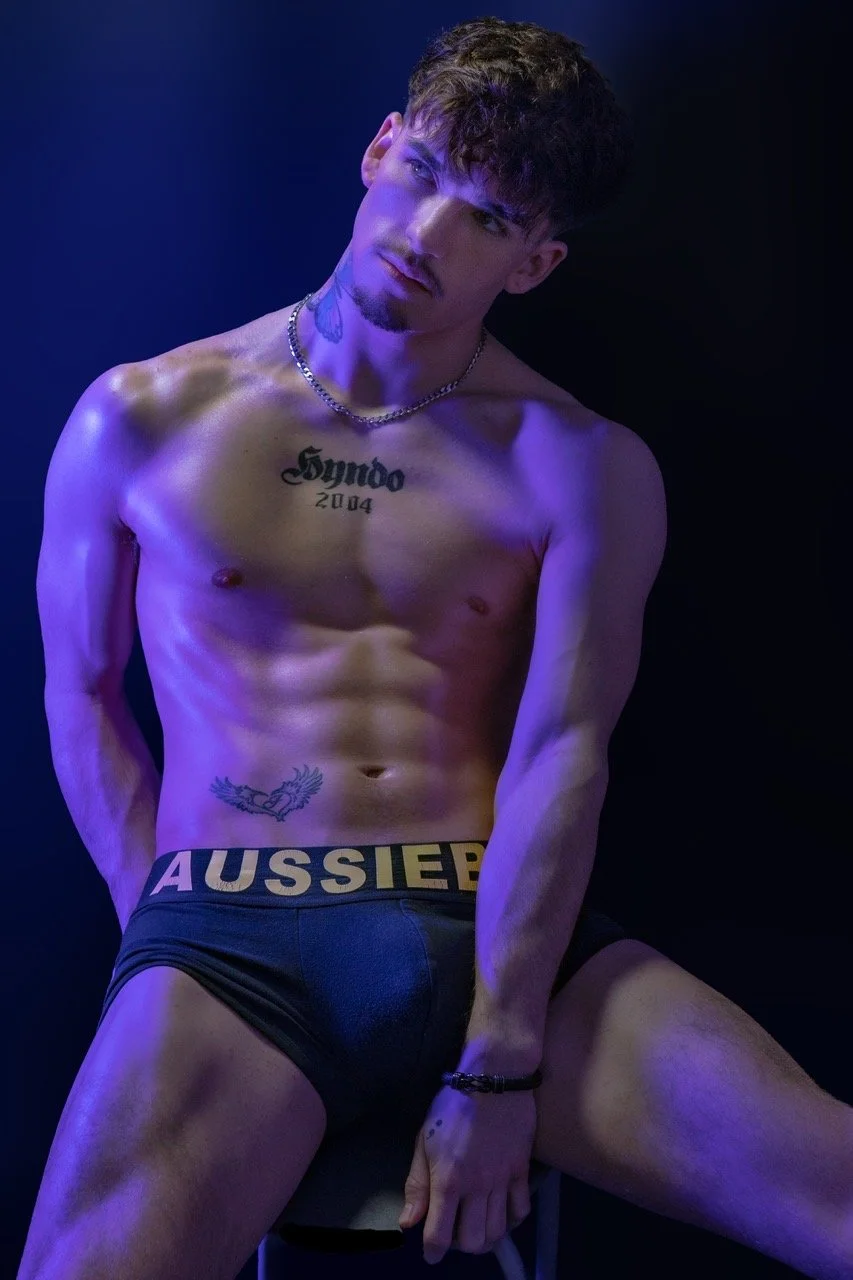
GWF: You have Tourette syndrome. How does it affect your everyday life, your work and the way people react to you, especially when you’re travelling or meeting someone for the first time?
Living with Tourette’s syndrome has definitely been one of the biggest challenges of my life. It’s something I’ve had to learn to live with, and although medication has helped me manage my symptoms, it’s still a part of who I am.
I think one of the biggest misconceptions about Tourette’s is that it’s just shouting random words or making funny noises. People don’t always realise how physically and mentally exhausting it can be, especially when you’re having severe tic attacks.
When I was younger, my Tourette’s was a huge part of my social media presence. I originally started making makeup videos whilst experiencing tic attacks, and that was actually how a lot of people first discovered me online. When I eventually started medication and my symptoms became more manageable, I had to completely rethink the direction of my content. Something that had once been such a big part of my online identity was suddenly changing, and I had to figure out who I wanted to be beyond my condition.
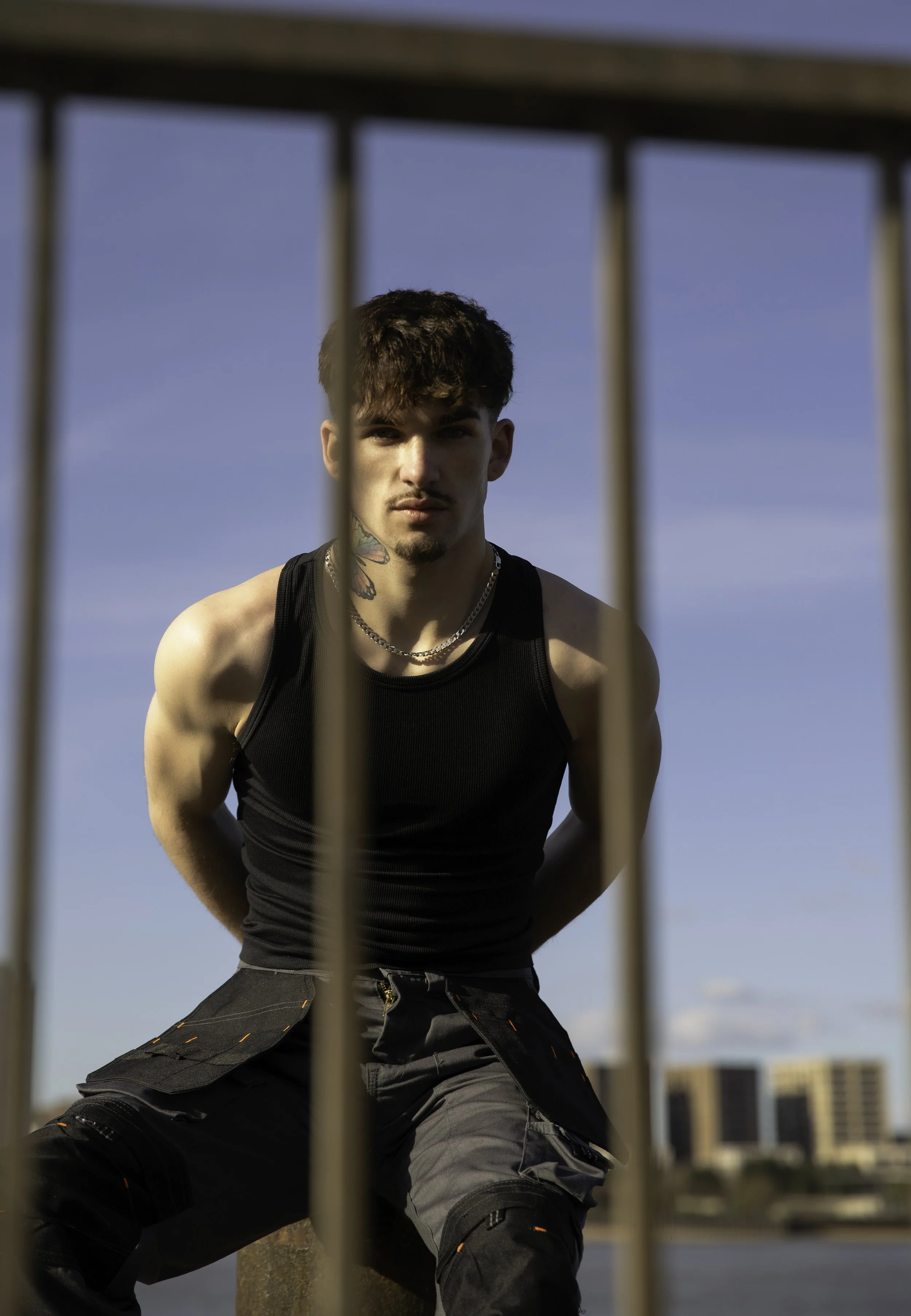
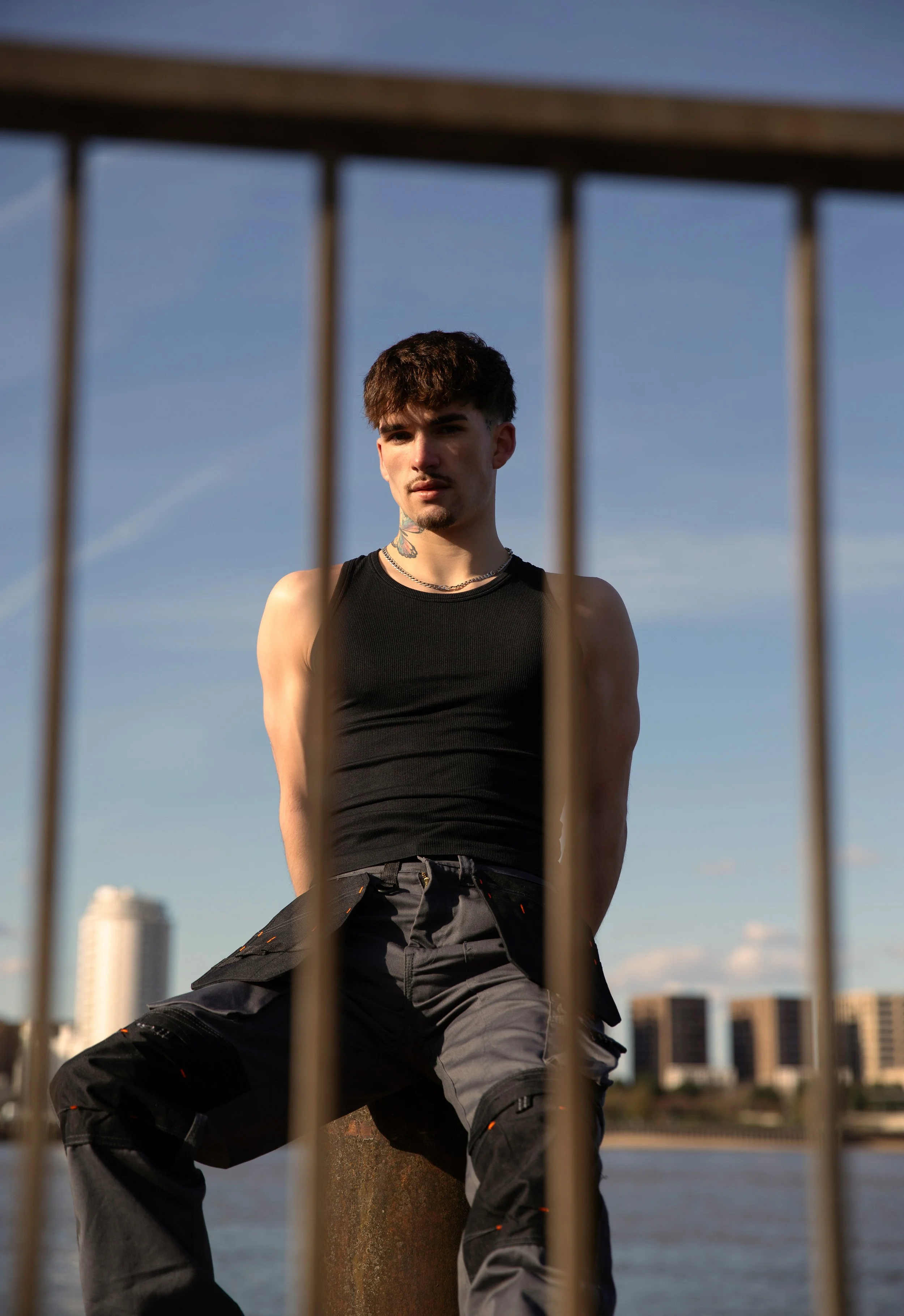
Meeting new people can sometimes be interesting because you never really know how someone is going to react. Some people are curious, some are uncomfortable, and others genuinely don’t understand what Tourette’s is. I’ve learned that I can’t control everyone’s reaction, but I can control how I respond to it.
I’ve definitely had some interesting experiences because of my Tourette’s, especially in intimate situations! I remember once I was giving a guy oral sex and had an involuntary tic that made me accidentally bite down on his penis. He reacted by throwing me across the room! I was absolutely mortified at the time, but looking back now, I can see the funny side of how ridiculously chaotic the whole situation was.
I suppose that’s the reality of living with Tourette’s. Sometimes it puts you in situations you could never possibly prepare for. Although I can laugh about that experience now, it also shows how quickly people can misunderstand something that’s completely outside my control.
I also think having Tourette’s has taught me not to take life too seriously. Sometimes you’ve just got to laugh at yourself, because if I didn’t, I’d probably go absolutely insane!
But something I really want people to understand is that having a disability doesn’t mean you have to live a limited life. I’ve built a career, achieved things I never thought possible and refused to let my diagnosis become an excuse for not chasing my ambitions.
Tourette’s might be something I live with, but it will never be the thing that decides what I can achieve. I have Tourette’s syndrome, but Tourette’s syndrome doesn’t have me.
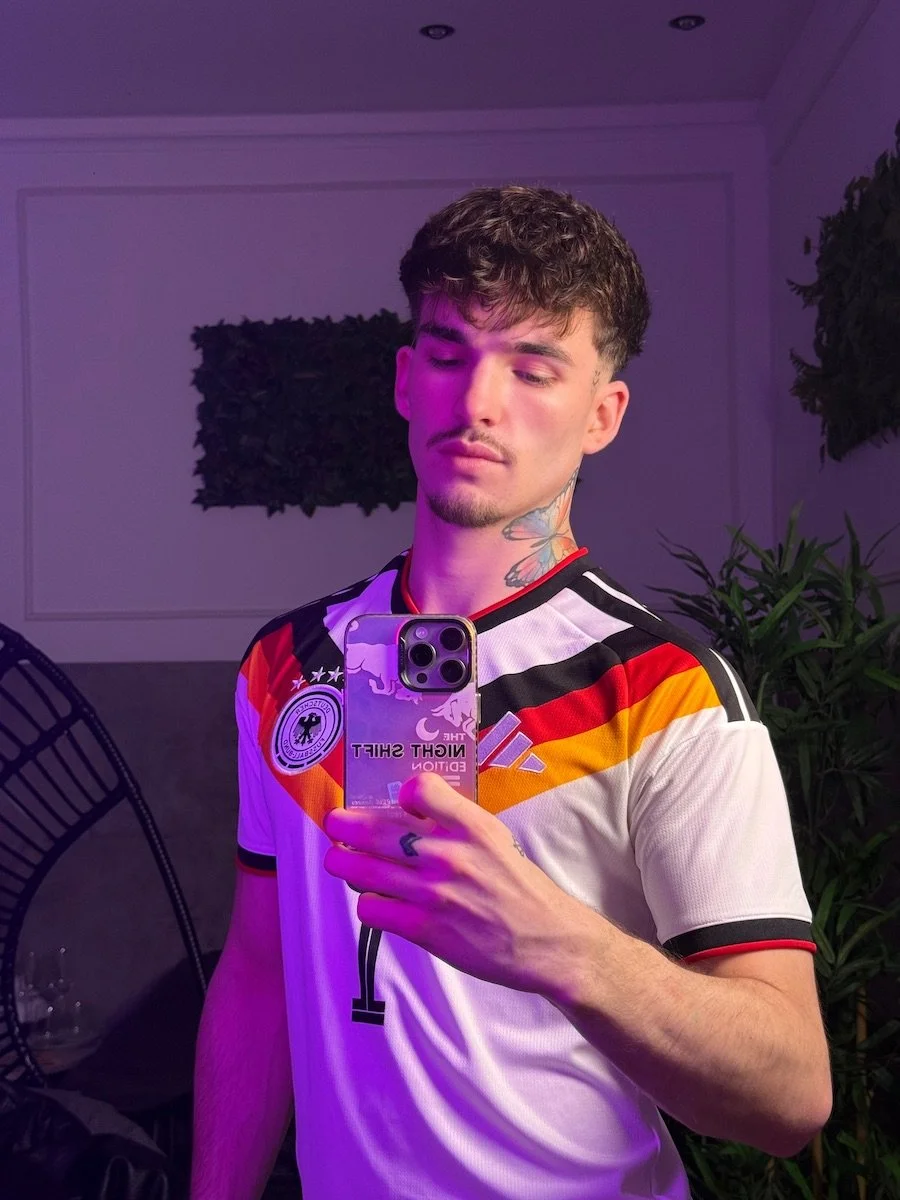
GWF: You have built a big career online. You’re now travelling the world with the ambition of collaborating on OnlyFans with at least one person from every country in the world. Where did the idea come from, and what would achieving that mean to you?
The idea actually came from wanting to do something completely different within the adult entertainment industry. I’ve always been someone who thinks big, and I thought, why limit myself to collaborating with people in just one country when there’s an entire world out there. That’s when I came up with Darryl Ryding Around the World, with the ambition of collaborating with at least one person from every country.
But for me, the project is about so much more than just OnlyFans. I want to experience different cultures, meet incredible people and show my audience parts of the world they might never have seen before.
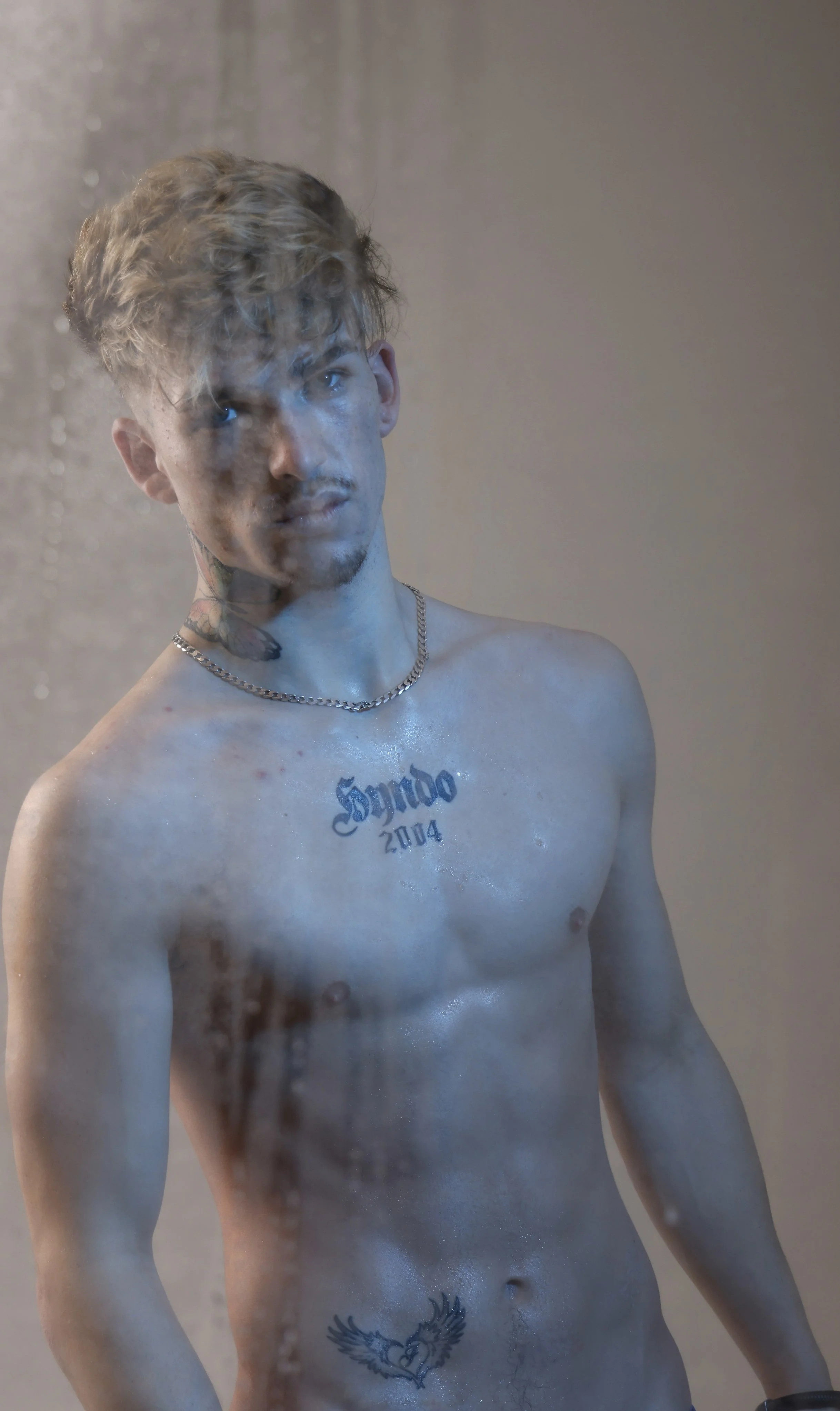
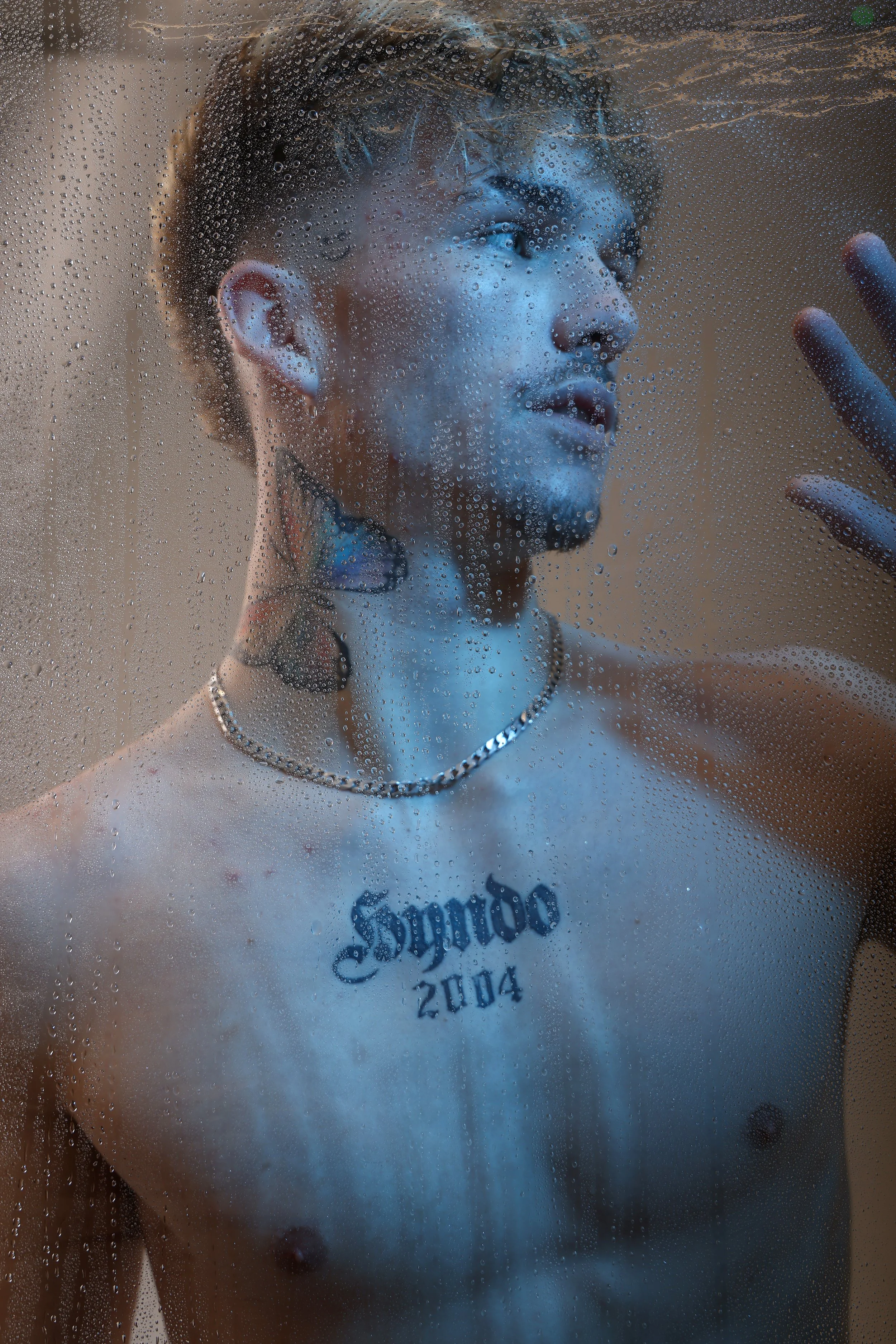
I also want to create content outside of the adult industry along the way, whether that’s exploring cities, trying local food or talking about what life is like for LGBTQ+ people in different countries.
I think there’s something quite exciting about taking an industry that’s often surrounded by judgement and using it as an opportunity to bring people from completely different backgrounds together.
Of course, achieving something like this would be a massive personal accomplishment. I went from being a teenager who didn’t know what his future looked like to having ambitions of travelling the entire world doing something I love.
I was once made to feel like I didn’t belong anywhere. Now I’m determined to make my mark everywhere. And let’s be honest, if I’m going to ride my way around the world, I might as well make history while I’m at it!
GWF: You’ve spoken openly about difficult experiences, LGBTQ+ life and your own personal journey. Has being so visible online ever made you feel overly exposed, or do you find that sharing your story gives you more control over it?
I think it’s a little bit of both. When you share your life with millions of people, you’re opening yourself up to opinions from people who don’t actually know you. And sometimes that can be quite difficult, especially when people make assumptions about your life based on a 30-second video.
There have definitely been moments where I’ve questioned whether I’ve shared too much. It’s quite a strange feeling knowing that complete strangers can know some of the most personal and painful parts of your life.
But at the same time, I find it incredibly empowering. For so many years, I felt like I didn’t have a voice. I allowed other people to control how I felt about myself, and I spent far too much time worrying about what people thought of me.
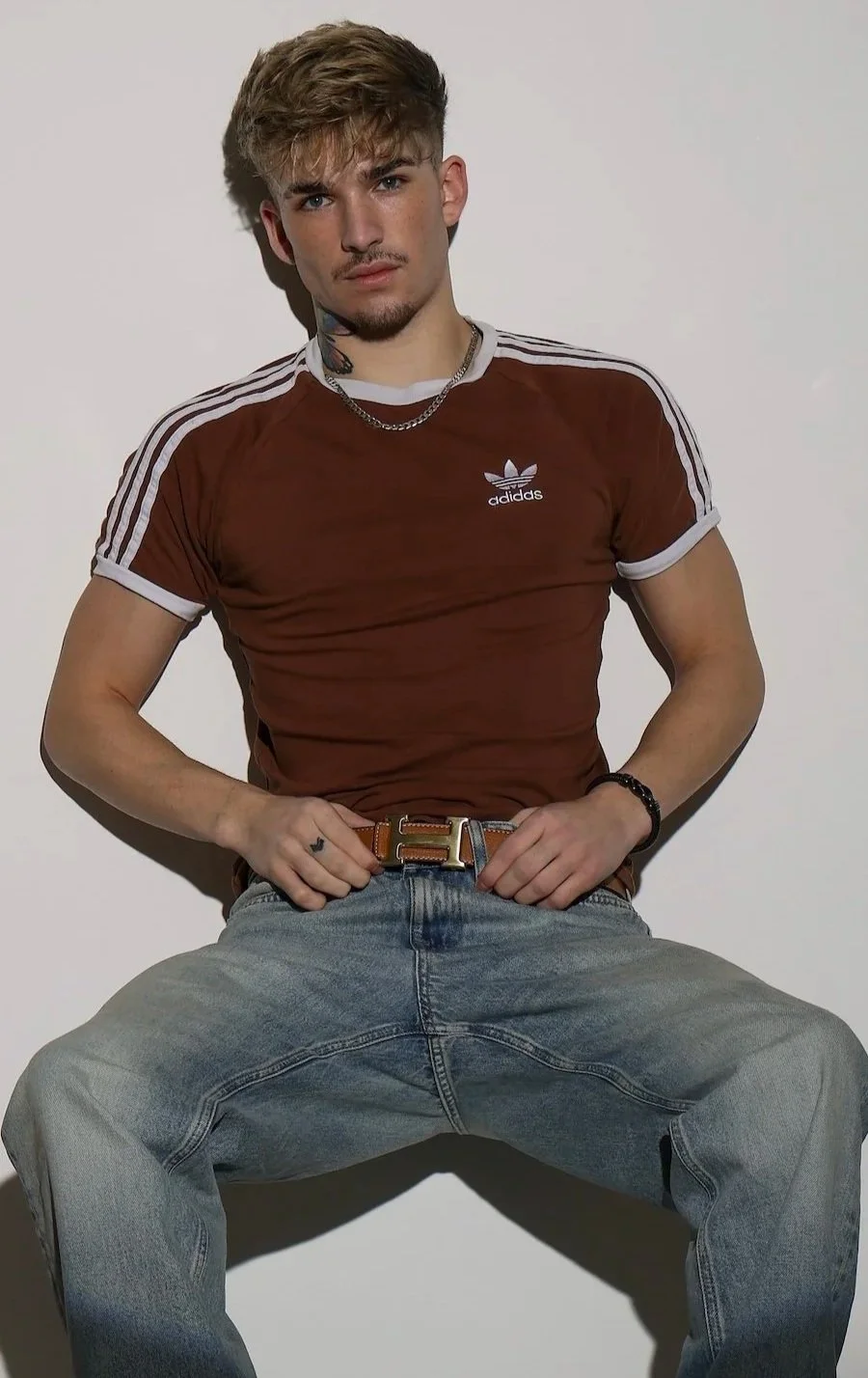
Now, I get to tell my own story, in my own words, on my own terms. I think one of the biggest things I’ve learned is that being vulnerable doesn’t make you weak. If anything, it takes an incredible amount of strength to stand in front of millions of people and openly talk about the things that once made you feel ashamed.
Of course, not everyone is going to like me, agree with me or understand me, and that’s absolutely fine. I’m not here to convince the entire world to love me. People can have their opinions about my life, but they don’t get to write my story for me.
And if being open about my experiences helps even one person feel less ashamed of theirs, then I think being vulnerable is worth it.
GWF: You’ve gone from being a teenager forced to leave home to building a career and travelling the world. Is there anything you wish the 16-year-old version of you could have known?
I think the first thing I’d do is give him the biggest hug imaginable, because I know how desperately he needed one. I’d tell him that he’s not difficult to love, he’s not a disappointment, and there’s absolutely nothing wrong with being exactly who he is.
At 16, I genuinely believed that the way people treated me was a reflection of my worth. I thought that if the people who were supposed to love me couldn’t accept me, then maybe there was something wrong with me. But now, at 22, I realise how wrong that was. I’d tell that little boy to stop trying so hard to earn love from people who should have given it to him unconditionally. I’d tell him that one day he’s going to find people who love him for exactly who he is, without expecting him to change.
People like Kurt, Jack and Shannon, who have become incredibly important figures in my life and have shown me what it feels like to be genuinely loved and accepted for who I am.
I’d also tell him that he’s going to achieve things he can’t even begin to imagine. He’s going to build a career, become independent, make people laugh and create a life that he once thought was completely out of reach. But most importantly, I’d tell him that he’s going to be happy. Genuinely happy. And that all those nights he spent wondering whether life would ever get better weren’t for nothing.
The people who made me feel worthless at 16 don’t get to take credit for the man I’ve become at 22. I built him myself.
And if I could leave him with one final piece of advice, it would be to never lose that big heart of his, no matter how many times people hurt it.
I’d tell him to stop trying to make himself smaller just to make other people comfortable. Stop hiding the crazy, weird, outspoken and completely different parts of his personality just because someone else doesn’t understand them. Because one day, those exact things he’s trying so desperately to change about himself will become some of his greatest strengths.
The right people won’t love him despite his differences. They’ll love him because of them. And I think that’s what I’d want my 16-year-old self to understand more than anything. He was never too much. He was just surrounded by people who couldn’t appreciate everything he had to offer.
GWF: Beyond the numbers, the collaborations and the world record, what do you want people to remember about Darryl?
I think more than anything, I want people to remember that I was a good person who genuinely tried to make a difference.
Of course, I’m incredibly ambitious. I want to be successful, I want to achieve ridiculous things, and I want to build a life that I can look back on and be proud of. But I don’t want my legacy to just be about how many followers I had, how much money I made or how many countries I visited.
I want people to remember the boy who made them laugh when they were having a terrible day. The person who wasn’t afraid to be a little bit crazy, weird or different, even when the world expected him to be something else.
I want to be remembered as someone who spoke up about things that mattered, even when those conversations were uncomfortable. Someone who used his own painful experiences to remind other people that they weren’t alone.
And I hope that when people hear my story, they realise that success isn’t always about where you end up. Sometimes it’s about everything you had to overcome just to get there.
I know I’m not everyone’s cup of tea, and that’s absolutely fine. I’m loud, I’m emotional, I’m probably a little bit too much sometimes, but I’ve never wanted to spend my life being someone I’m not just to make other people comfortable.
I’d rather be remembered for being unapologetically myself than spend my entire life being loved for someone I was pretending to be.
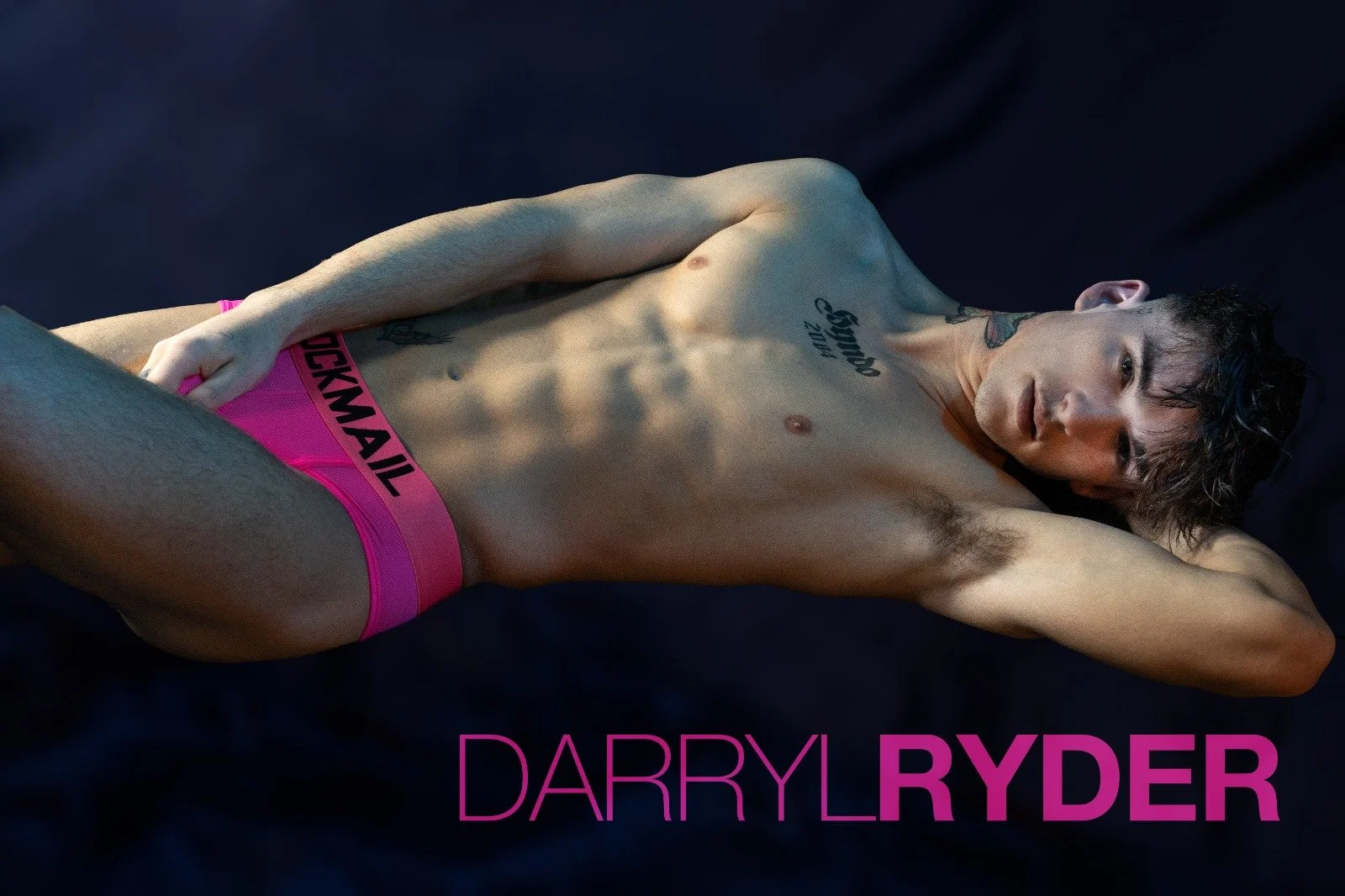
At the end of the day, I don’t need everyone to remember my name. But if someone remembers that I made them laugh when they wanted to cry, or that my story gave them the courage to change their own life, then I think I’ve achieved something far greater than fame.
I don’t want to be remembered for how many people followed me. I want to be remembered for how many people I helped find the courage to follow their own dreams. And if I can leave this world knowing I made even a small difference, I’ll consider that a life well lived.


